Tomatoes Not Ripening? 6 Causes + How to Fix Them Fast
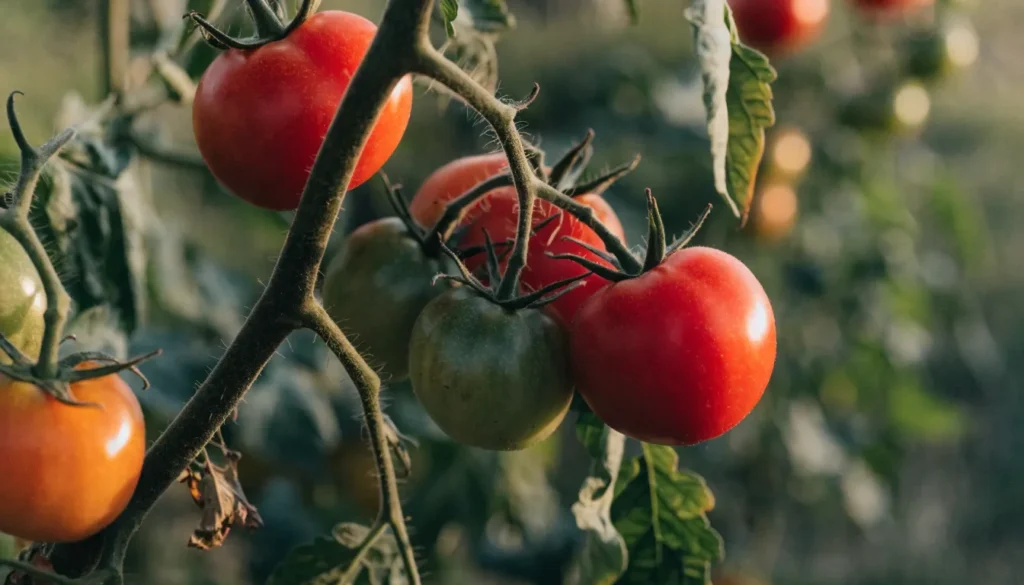
If your tomato plants are loaded with fruit that just won’t turn red, you’re not imagining it, and you’re definitely not alone. Every late summer, home gardeners from Sacramento to Indiana watch their “Early Girl,” “Sweet Million,” and Roma plants stall out at pale orange or yellowish-green, no matter how long they wait. The good news: in almost every case, nothing is wrong with your plant, this is a different problem than blossom end rot or the other diseases that actually damage fruit. The color is simply waiting on conditions it needs to finish developing, and there’s plenty you can do to speed things along.
Quick answer: Tomatoes usually stop ripening properly because temperatures are too hot (above 85°F) or too cold (below 50°F), but excess nitrogen, a heavy fruit load, and a declining leaf canopy can also slow the process. If the fruit has reached mature size and shows even a faint blush of color, it can typically finish ripening indoors at room temperature within about a week.
Here’s what’s actually happening inside a tomato as it ripens, the four most common reasons the process stalls, and exactly how to get color back on the vine (or on your counter) as fast as possible.
Tomatoes Not Ripening? Check These First
- Is it above 85°F? Heat may be slowing color development.
- Has the tomato reached full size? Immature fruit is a common reason for tomatoes not ripening, even indoors.
- Are you still using high-nitrogen fertilizer? Stop feeding excessively.
- Is the plant overloaded with fruit? Carrying too many tomatoes at once is a classic cause of tomatoes not ripening.
- Does the fruit have its first blush of color? Pick it and ripen it indoors — this fixes most cases of tomatoes not ripening.
How Tomatoes Ripen (And Why the Process Can Stop)
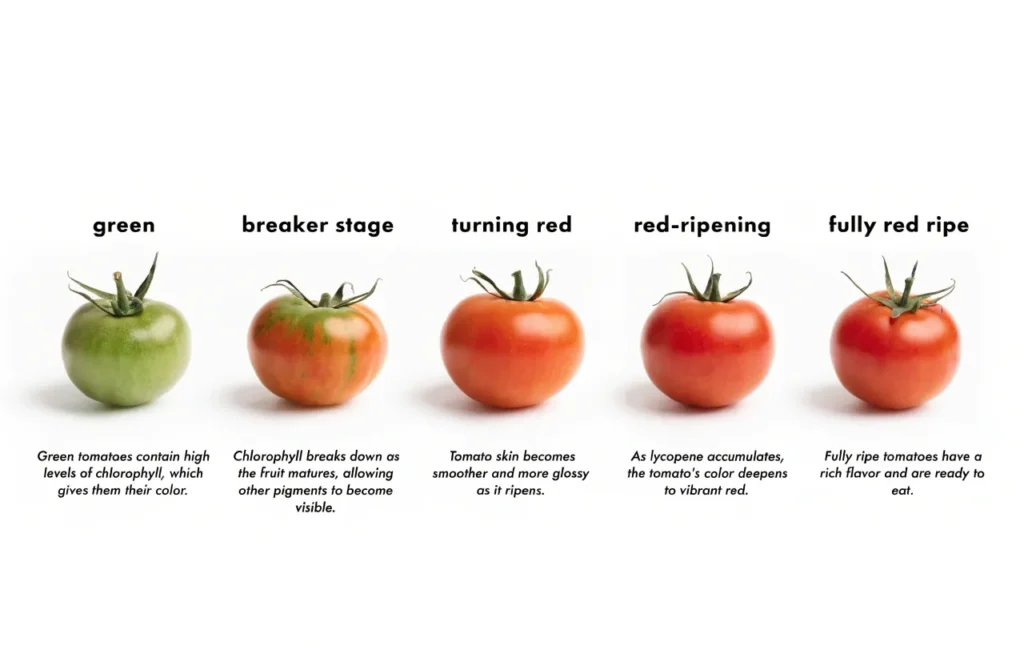
Before troubleshooting, it helps to know what “ripening” means botanically, and where it fits among the broader tomato growing stages from seed to harvest. A tomato spends its first 40–50 days simply growing larger while staying green. Once it hits full size, what horticulturists call the “mature green” stage, the plant shifts gears and begins converting chlorophyll into red, pink, yellow, or orange pigment, depending on the variety.
Two things drive that color change:
- Temperature: ripening runs best between roughly 68°F and 77°F.
- Ethylene: a natural plant hormone that triggers and accelerates the pigment-production process.
When either of those falls outside the ideal range for too long, the plant essentially pauses ripening until conditions improve. That’s the whole mystery behind a “stuck” tomato, it isn’t diseased, it’s just waiting.
4 Common Reasons Tomatoes Ripen Slowly
1. Heat Above 85°F Halts Pigment Production
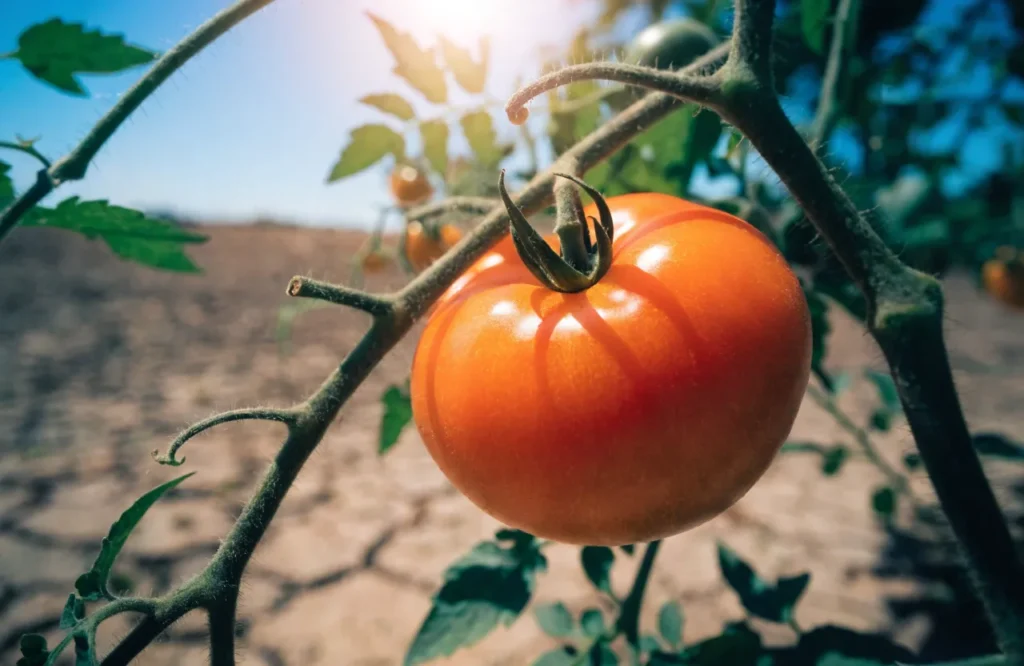
This is by far the most common culprit, especially during late-summer heat spikes. Above about 85°F, tomato plants stop producing lycopene and carotene, the pigments responsible for red and orange color, even though the fruit may otherwise be fully mature. Extended heat can also suppress ethylene production almost entirely, leaving fruit locked in a yellowish-green or dull orange limbo. Interestingly, cold snaps cause the same problem: ripening also stalls when temperatures drop below roughly 50°F.
Heat doesn’t just affect color, it affects whether new fruit sets at all. High temperatures can interfere with pollen viability in slicing tomatoes, leading to tomato plants flowering but no fruit on new blooms (though fruit that already formed before the heat wave isn’t affected). Cherry tomato varieties tend to tolerate heat noticeably better than full-size slicers.
2. Too Much Nitrogen Fertilizer
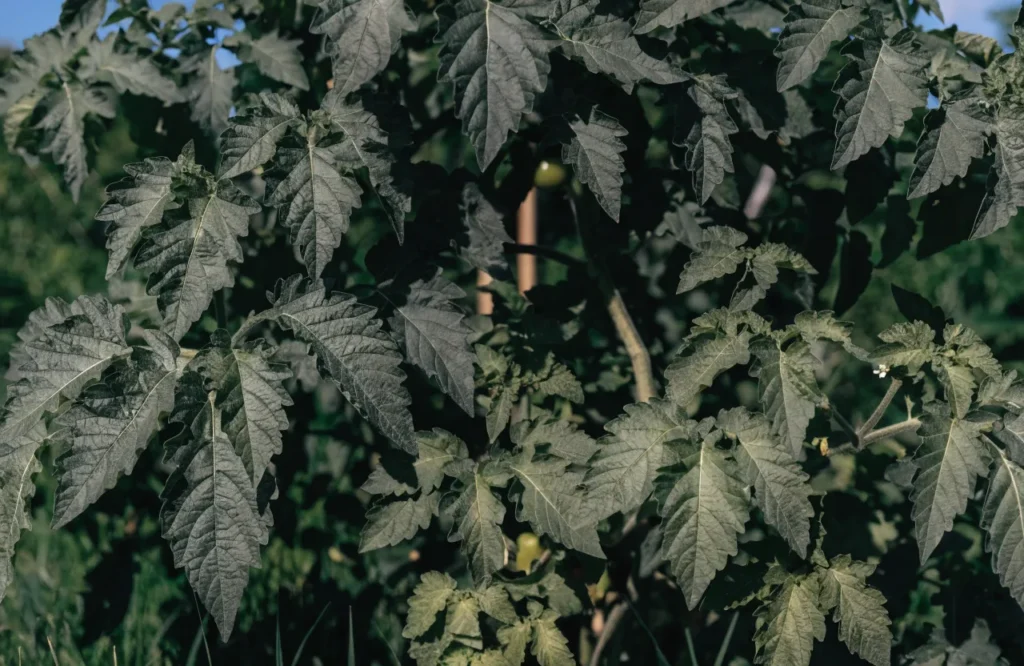
If your plant looks lush and leafy but the fruit refuses to color up, check your feeding schedule and the fertilizer you’re using. Excess nitrogen pushes the plant into vegetative growth mode, more leaves, more stems, at the expense of fruit maturation. Late-season fertilizing, in particular, can backfire: it signals the plant to keep growing rather than finish ripening the fruit already on the vine. Nitrogen-rich soil that was never balanced with adequate potassium can cause the same lag.
3. Heavy Fruit Load
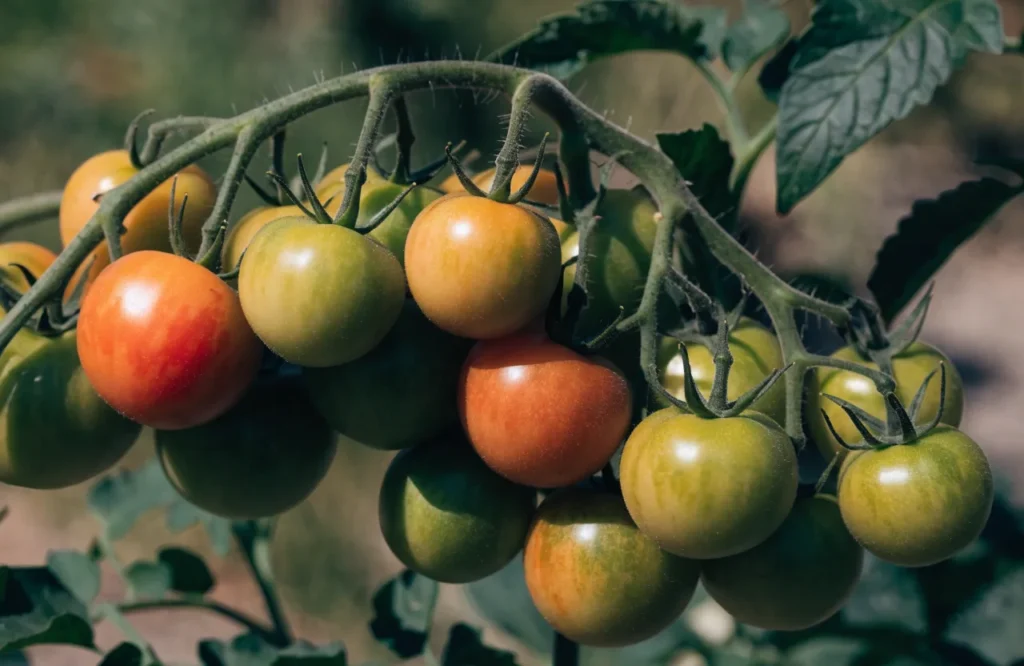
A plant carrying dozens of tomatoes at once has to divide its limited energy among all of them. The more fruit competing for resources, the slower each tomato ripens. Indeterminate varieties spread this load out over the whole season, while determinate types tend to set most of their fruit at once, which is why understanding whether you’re growing a determinate or indeterminate tomato explains a lot about why an entire plant seems to stall simultaneously. This heavy-load cause is good news, though, because it’s the one you can fix in five minutes (see solutions below).
4. Declining Leaf Canopy and Soil Heat
By late summer, older leaves naturally dry out and photosynthesize less efficiently, leaving the plant with less energy to finish ripening fruit, this is different from the more alarming yellowing leaves caused by disease or nutrient deficiency, though heat stress can trigger curling leaves too. On top of that, hot air temperatures raise soil temperature, and tomatoes ripen best when soil stays below about 80°F. Containers are especially vulnerable since they heat up fast in direct afternoon sun, which is worth watching closely if you’re growing tomatoes in pots.
How to Make Tomatoes Ripen Faster: 6 Solutions
1. Provide Afternoon Shade During Heat Waves
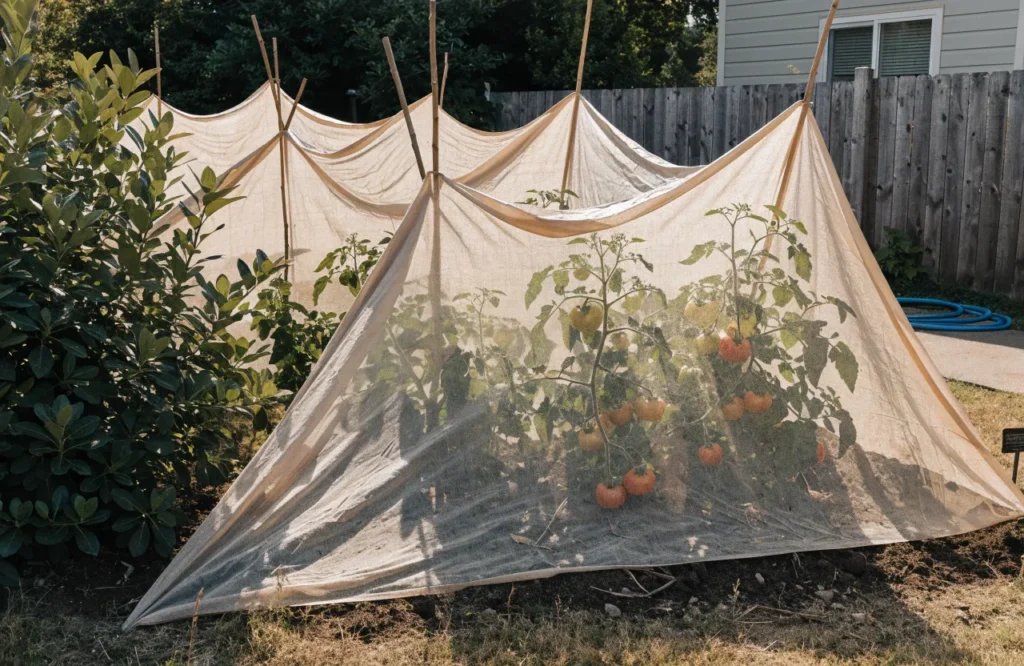
Set up shade cloth (around 30–40% shade) over plants during triple-digit stretches, or move container plants out of direct afternoon sun. This alone can drop fruit surface temperature enough to restart pigment production. Plants that are properly staked or caged make it much easier to drape shade cloth without crushing fruit.
2. Pick Tomatoes at the Breaker Stage and Ripen Them Indoors
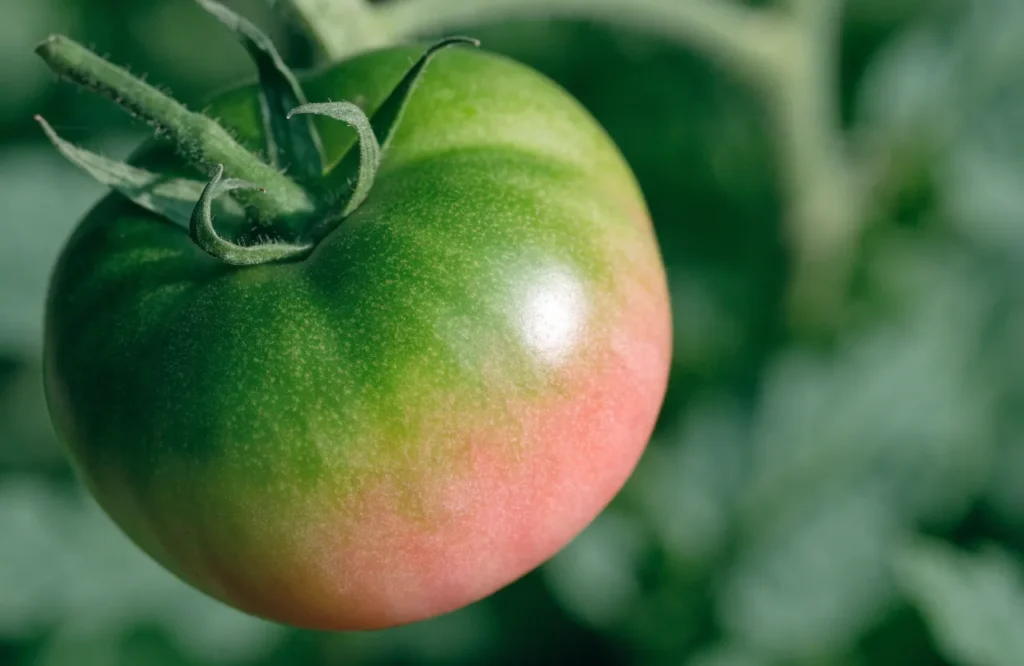
You don’t need to wait for full vine-ripening once a tomato shows its first hint of color change, often called the breaker stage. At this point, harvest and bring the fruit indoors to a cool, dark spot at room temperature, keeping tomatoes in a single layer so they don’t touch. Because tomatoes ripen using their own internal ethylene rather than light, this works surprisingly well: research shows fruit picked at breaker stage develops flavor and color comparable to vine-ripened tomatoes, often finishing up to five days faster than fruit left outside in the heat.
You can usually pick a tomato early when:
- It has reached its full mature size for the variety.
- Its surface looks glossy rather than dull.
- The color has visibly started shifting away from solid green.
- It shows a pink, yellow, orange, or red blush at the blossom end, depending on the variety.
Two important notes:
- Never refrigerate unripe tomatoes. Cold temperatures below 50°F halt ripening and permanently damage flavor and texture.
- Skip the paper-bag-with-a-banana trick if you’re not in a hurry. It works by concentrating ethylene, but slower, room-temperature ripening produces better flavor.
3. Reduce an Excessively Heavy Fruit Load
If a plant is genuinely stalled, remove some of the smallest or least-developed green tomatoes. This redirects the plant’s limited energy toward ripening the fruit that remains, you’ll often see the rest of the crop color up noticeably faster within a week or two.
4. Stop High-Nitrogen Fertilizing
Hold off on any additional feeding once fruit has set, particularly high-nitrogen formulas. If you do fertilize mid-season, switch to a low-nitrogen, higher-potassium formula, since potassium plays a direct role in fruit ripening and color development.
5. Mulch to Keep Roots and Soil Cooler
A 2–3 inch layer of mulch keeps root-zone temperatures more stable and reduces moisture stress, both of which support steady ripening. Consistent, deep watering rather than a fixed daily schedule also helps buffer roots against heat swings. For container plants, consider relocating pots out of intense afternoon sun.
6. Don’t Remove Healthy Foliage
It’s tempting to strip leaves to “let more sun in,” but resist it. Leaves are the plant’s photosynthesis engine, removing them reduces the energy available for ripening and increases the risk of sunscald, where exposed fruit develops sunken, leathery white or gray patches from direct sun exposure. If you do need to manage a sprawling plant, stick to the light, selective cuts described in a proper pruning routine rather than stripping foliage wholesale, and give plants enough spacing to begin with so airflow doesn’t depend on removing leaves later.
What Not to Do When Tomatoes Won’t Ripen
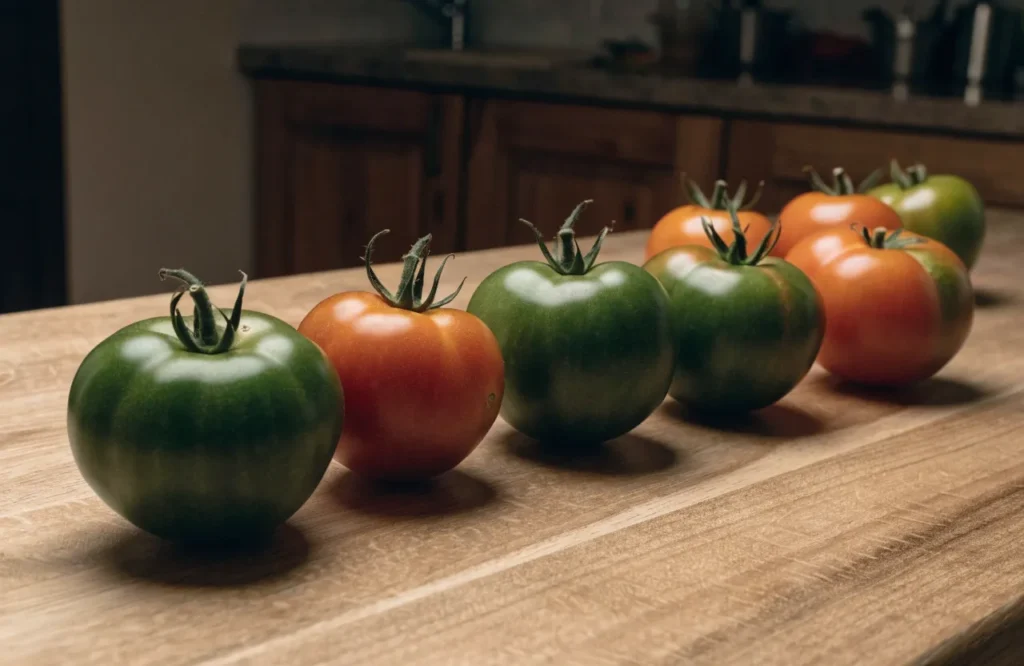
- Don’t refrigerate green or partially ripe tomatoes, cold below 50°F halts ripening and wrecks flavor.
- Don’t strip healthy leaves to expose fruit to more sun, it increases sunscald risk and reduces the plant’s ripening energy.
- Don’t keep adding high-nitrogen fertilizer once fruit has set.
- Don’t pick immature green tomatoes expecting them to ripen normally indoors, they need to reach full size first.
- Don’t place ripening tomatoes in intense direct sunlight indoors or out; a cool, indirect spot works better than a hot windowsill.
Why Are My Roma (or Other Slicer) Tomatoes Not Turning Red?
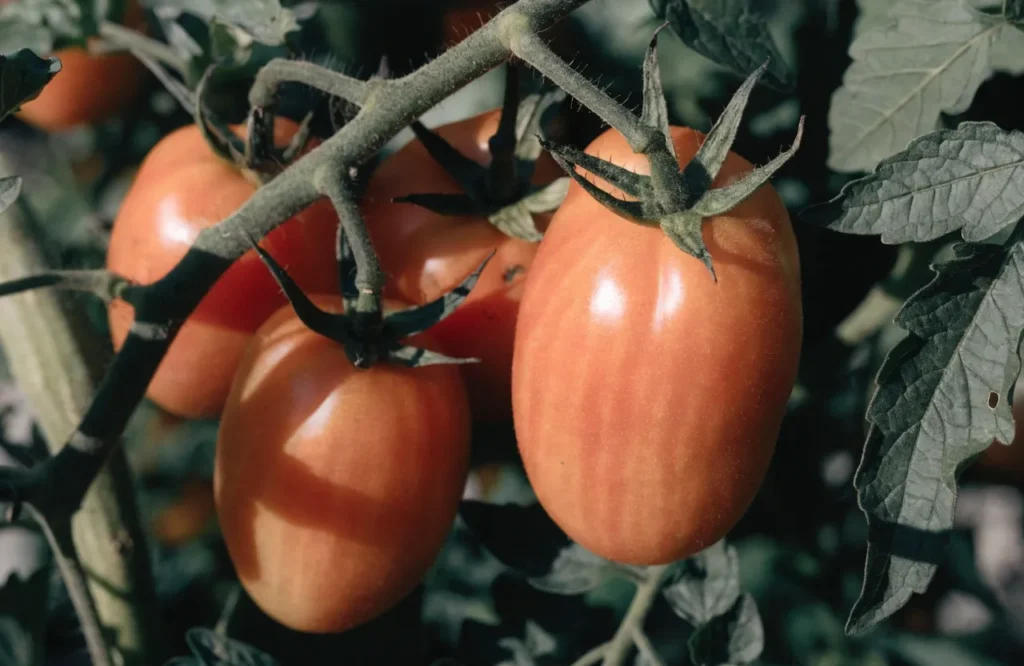
Roma and other large slicing varieties are more heat-sensitive than cherry tomatoes. Above 95°F, red pigment formation essentially shuts down while yellow and orange pigments continue forming normally, which is why heat-stressed slicers often turn a dull orange instead of red. The fruit is fully edible; it simply won’t develop deep red color until temperatures moderate. Heat-tolerant “heat-set” tomato varieties exist, but they only extend the tolerable range by a couple of degrees, so even these benefit from shade during extreme heat waves.
Slow-Ripening Varieties vs. Weather Problems
Before blaming the weather entirely, check your variety. Beefsteak and large heirloom tomatoes naturally take longer to ripen than cherry or grape types, and some heirlooms are genetically slower to color even under ideal conditions. If cherry tomatoes on the same plant type as your slicers are ripening fine while the slicers lag, that’s a strong sign heat, not a plant problem, is the cause, since cherry varieties tolerate heat better. If heat-related delays are a recurring headache in your climate, it’s worth choosing from tomato varieties bred for faster or more heat-tolerant ripening next season.
Quick Reference: Diagnosing Your Stalled Tomatoes
| Symptom | Likely Cause | What to Do |
|---|---|---|
| Firm orange fruit won’t turn red | Excessive heat | Provide shade or harvest at breaker stage |
| Lush green growth but slow ripening | Excess nitrogen | Stop high-nitrogen feeding |
| Lots of fruit ripening very slowly | Heavy fruit load | Consider removing some immature fruit |
| Sparse or stressed foliage | Heat or declining canopy | Mulch, water consistently, protect foliage |
| Fully green fruit | May not be mature yet | Wait until it reaches mature size |
Frequently Asked Questions
Why are my tomatoes not ripening on the vine?
If your tomatoes are still fully green with no hint of pigment change, first confirm they’ve reached full mature size—immature fruit won’t ripen. If they’re mature but stalled, excessive heat above 85°F is the most common culprit, as it halts pigment production.
Can green tomatoes ripen off the vine?
Yes, but only if they’ve reached the breaker stage—showing the first blush of color change. Pick them once they have full mature size, a glossy surface, and visible color shifting from solid green, then ripen indoors at room temperature.
Why are my tomatoes orange but not red?
Orange fruit that won’t turn red is a classic sign of excessive heat. Above about 85°F, pigment production stalls, and above 95°F red pigment (lycopene) doesn’t form properly—Roma and large slicers are especially sensitive. Provide afternoon shade or harvest at the breaker stage to finish ripening indoors.
Will tomatoes ripen in the house without sunlight?
Yes. Tomatoes don’t need sunlight to ripen indoors—ripening is driven by temperature and ethylene, not light. Place them in a cool spot with indirect light at room temperature; avoid intense direct sun and never refrigerate unripe tomatoes, as cold below 50°F halts ripening.
How long does it take tomatoes to ripen once picked?
Breaker-stage tomatoes—those showing the first blush of color—will continue ripening indoors at room temperature. The further along the color change when picked, the faster they’ll finish, so fruit with a good pink or orange blush ripens quickest.
The Bottom Line
Slow-to-ripen tomatoes are almost always a temperature problem, not a disease or a sign of a failing plant, and it’s worth ruling out true problems like wilting or the wider range of tomato plant diseases before assuming heat is the only factor. As long as fruit has reached mature size and shows even a faint “breaker” blush, it will ripen, either on the vine once the heat breaks, or indoors at room temperature within about a week. Thin overloaded plants, hold off on fertilizer, provide shade during heat spikes, and keep harvested fruit off the windowsill and off the refrigerator shelf. For a full rundown of what each ripening stage looks like and exactly when to pick, it helps to know when to harvest tomatoes at each stage. Cooler weather (or a little patience) takes care of the rest.
Sources and Further Reading
- Purdue University Extension, Tomatoes Not Ripening? temperature ranges and ripening physiology
- Kansas State University Horticulture, heat effects on pigment formation and pollen viability
- Cornell University Vegetable Program, light vs. temperature in ripening, and breaker-stage harvest guidance
- UC Contra Costa County Master Gardeners, soil temperature, mulching, and late-season fertilizing effects
- University of Maryland Extension, potassium’s role in tomato ripening problems