25 Best Tomato Varieties to Grow: Top Picks for Every Garden (2026 Guide)
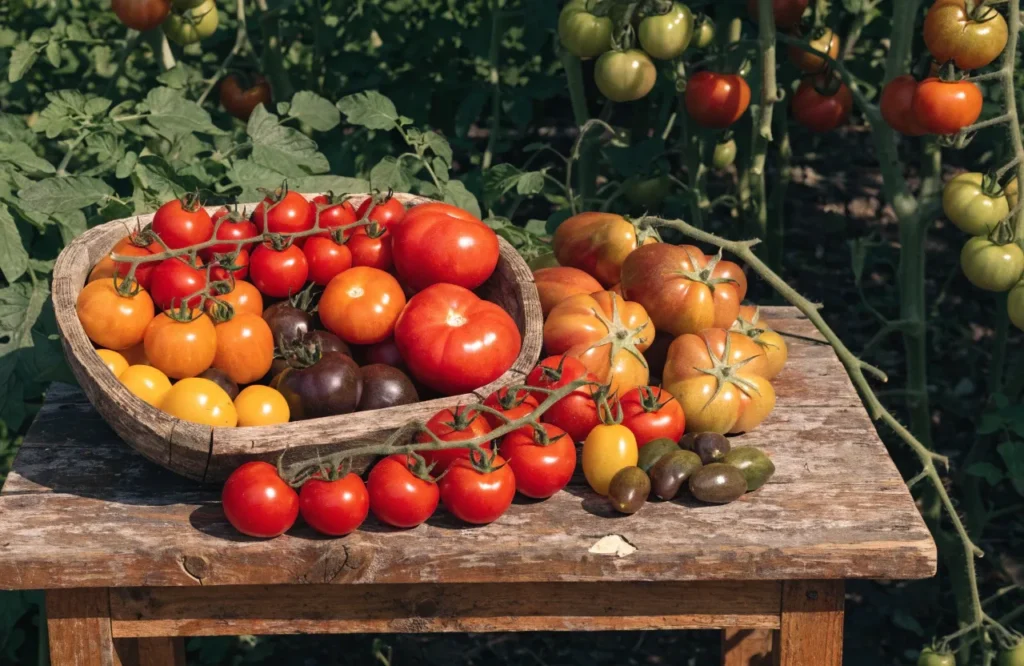
Grocery-store tomatoes are bred to survive shipping, not to taste good, which is exactly why so many gardeners start growing their own. But the best tomato varieties aren’t the same for every garden. The right choice depends on whether you want sweet cherry tomatoes for snacking, large beefsteaks for sandwiches, paste tomatoes for sauce, compact plants for containers, or disease-resistant varieties suited to your growing zone.
In this guide, you’ll find 25 of the best tomatoes to grow in 2026, organized by flavor, use, plant size, maturity, growing conditions, and garden space. We’ve included reliable hybrids, classic heirlooms, productive cherry tomatoes, paste varieties, container-friendly options, and specialty picks, plus a breakdown of heirloom vs. hybrid and determinate vs. indeterminate tomatoes for anyone still getting familiar with the terms.
Quick picks: Better Boy is a strong all-purpose choice, Sungold is a standout cherry tomato, Cherokee Purple is a favorite heirloom slicer, San Marzano is ideal for sauce, and Tiny Tim is one of the best options for very small containers.
Table of Contents
Quick Answer: Best Tomato Varieties at a Glance
| Category | Top Pick | Runner-Up | Best Use |
| Best Overall / All-Purpose | Better Boy | Celebrity | Slicing, sandwiches, everyday use |
| Cherry / Grape | Sungold | Black Cherry | Snacking, salads |
| Beefsteak / Slicer | Cherokee Purple | Brandywine | Sandwiches, fresh eating |
| Paste / Plum / Sauce | San Marzano | Roma | Sauce, canning, cooking |
| Sun-Drying | Principe Borghese | Juliet | Drying, dehydration |
| Containers | Tiny Tim | Patio Princess | Small spaces, patios, balconies |
| Beginners | Celebrity | Early Girl | Reliable, beginner-friendly harvests |
| Specialty / Heirloom | Costoluto Genovese | Black Krim | Specialty cooking, fresh slicing |
Start With Two Basic Distinctions
Before picking varieties, it helps to understand how tomatoes are classified.
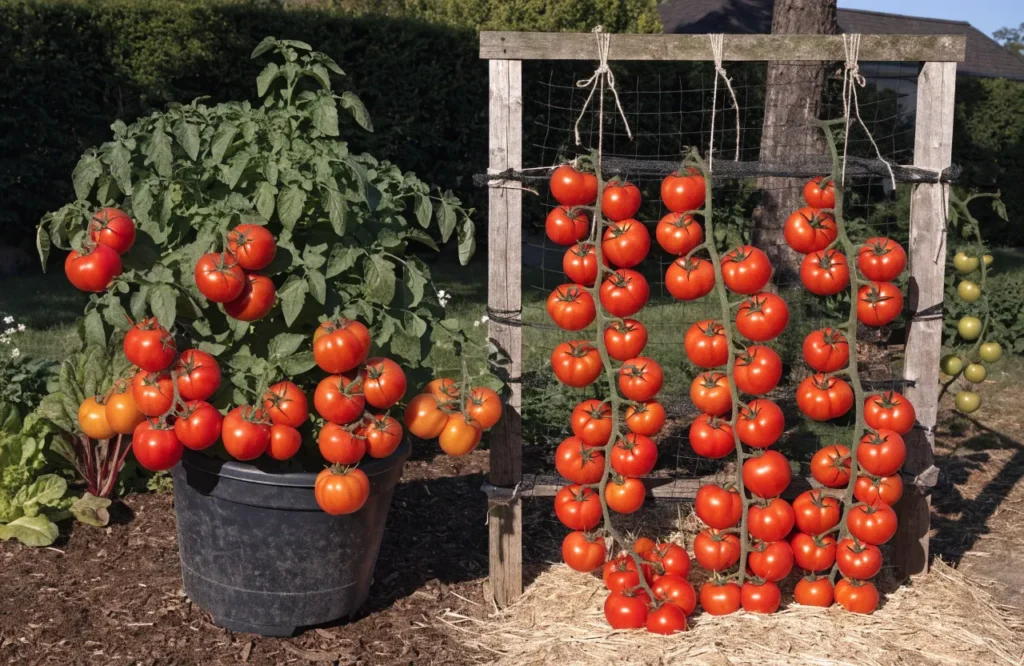
Determinate vs. indeterminate describes growth habit:
- Indeterminate types keep growing and producing until frost or another limiting factor. They generally need sturdy support, our guide on how to stake tomato plants covers cages, stakes, and trellises, while pruning can be used to manage growth and airflow depending on the variety and growing system.
- Determinate (bush) types stop at a set size and produce much of their crop over a relatively concentrated harvest window (often a few weeks, though this varies by variety). They need little to no staking, which makes them well suited to containers or to anyone planning a big canning batch.
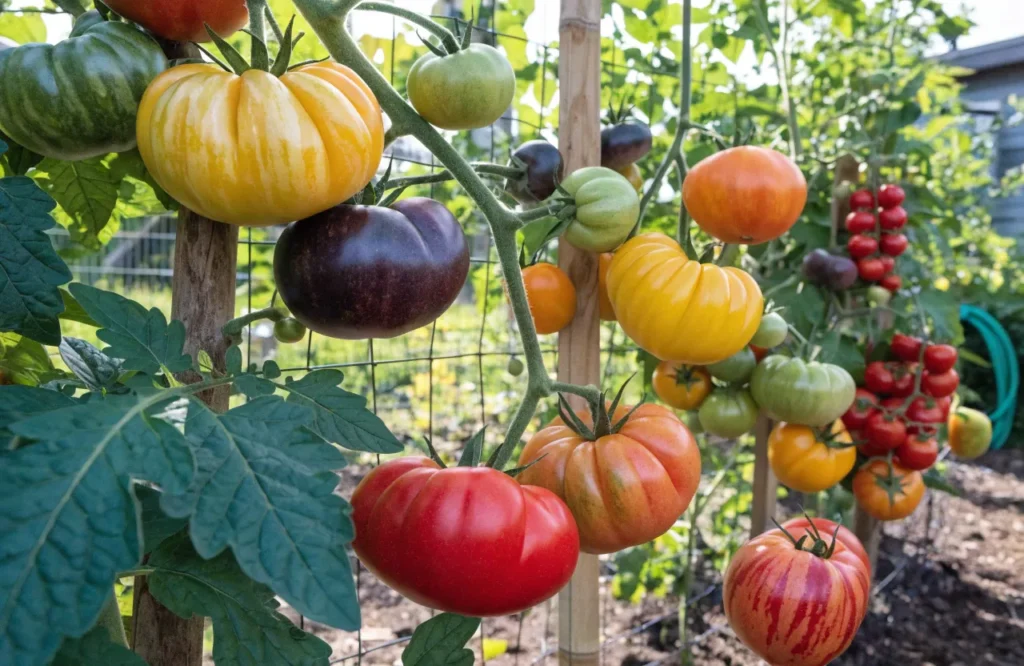
Heirloom vs. hybrid describes breeding history, and the two terms aren’t perfectly interchangeable:
- Heirloom describes lineage, while ‘open-pollinated’ describes how the plant reproduces. Most heirlooms are also open-pollinated, meaning seed saved from them grows true to type, but “heirloom” describes lineage, while “open-pollinated” describes how the plant reproduces. Heirlooms are often chosen for flavor, color, or local adaptation, though that’s a general tendency rather than a rule.
- Hybrids are bred by deliberately crossing selected parent lines to combine desirable traits, disease resistance, productivity, uniformity, earliness, or flavor. Seed saved from a hybrid won’t grow true, so you buy new seed each season. Flavor is not inherently sacrificed in hybrid breeding; Sungold, a hybrid, is one of the most flavor-praised tomatoes on this list.
Determinate vs. indeterminate describe growth habit, while heirloom, open-pollinated, and hybrid describe breeding and seed characteristics. A tomato can therefore be both heirloom and indeterminate, or hybrid and determinate.
Expert tip: Don’t choose a variety based on “days to maturity” alone. That number is an estimate under specific growing conditions, temperature, transplant stress, sunlight, and disease pressure can all shift how quickly a plant actually moves through its growing stages to deliver ripe fruit. Once fruit is on the vine, our guide on when to harvest tomatoes walks through the ripening stages so you pick at peak flavor.
Best Overall / All-Purpose Tomatoes
1. Better Boy
Best for: All-purpose slicing and reliable harvests
Type: Beefsteak / Slicing
Growth habit: Indeterminate
Days to maturity: About 70–75 days
Flavor: Rich, balanced, and classic tomato flavor
Container friendly: Yes, with a very large container and strong support
Why grow it: Better Boy is a dependable all-purpose tomato that combines large fruit, excellent flavor, and heavy production. This hybrid produces smooth, juicy red tomatoes that are ideal for sandwiches, salads, burgers, and fresh slicing. Because the plants grow large and continue producing throughout the season, they need sturdy support and plenty of growing space.
2. Celebrity
Best for: Beginners and dependable all-purpose harvests
Type: Slicing
Growth habit: Determinate
Days to maturity: About 70–75 days
Flavor: Mild, balanced, and pleasantly tangy
Container friendly: Yes, with a large container
Why grow it: Celebrity is an excellent choice for gardeners who want a productive, reliable tomato without choosing a highly specialized variety. This hybrid produces medium to large red fruits with good flavor and a firm texture, making them useful for salads, sandwiches, slicing, and everyday cooking. Its strong disease resistance and manageable growth habit also make it especially appealing to beginner gardeners.
3. Early Girl
- Best for: Early harvests and short growing seasons
- Type: Slicing
- Growth habit: Indeterminate
- Days to maturity: About 50–57 days
- Flavor: Sweet, juicy, and well-balanced
- Container friendly: Yes, with a large container
Early Girl is a popular choice for gardeners who don’t want to wait long for their first ripe tomatoes. This hybrid produces medium-sized red fruits relatively early and continues setting fruit over a long growing season. It is especially useful for gardeners in areas with shorter summers or anyone who wants to start harvesting fresh tomatoes sooner.
Best Tomato Varieties for Cherry & Grape Tomatoes
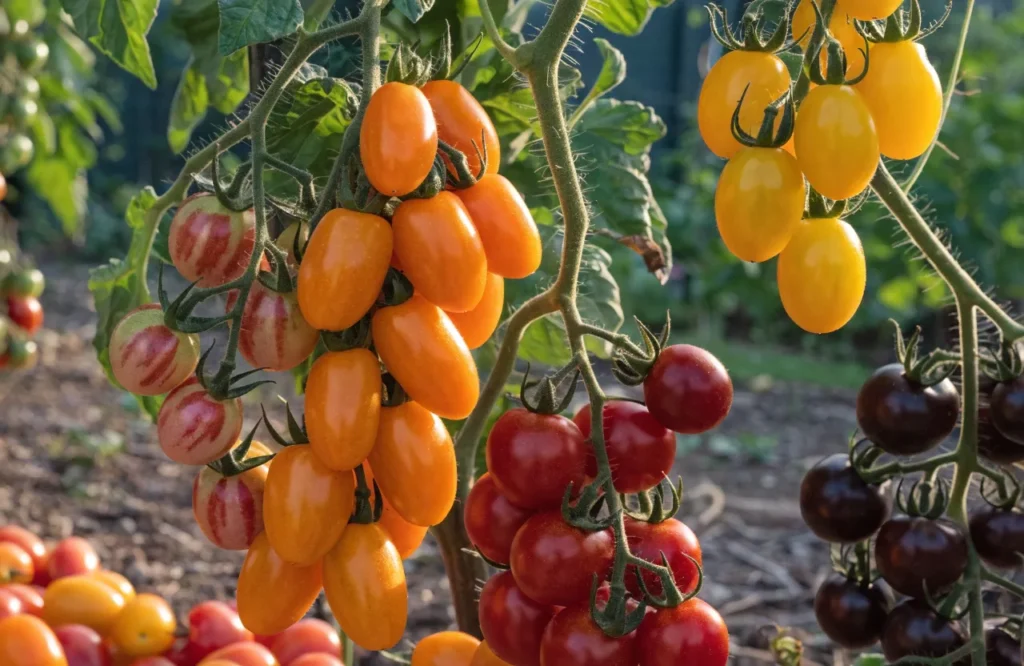
Cherry and grape tomatoes are popular with home gardeners because many varieties are productive, flavorful, and relatively quick to harvest. They are especially useful for snacking, salads, and fresh eating, although growth habit and plant size vary considerably between varieties.
4. Sungold
Best for: Sweet snacking and salads
Type: Cherry
Growth habit: Indeterminate
Days to maturity: About 55–65 days
Flavor: Exceptionally sweet and fruity
Container friendly: Yes, with a large container
Why grow it: Sungold is one of the most popular cherry tomatoes for gardeners who prioritize flavor. This hybrid produces abundant bright orange fruit throughout the season and is excellent for fresh snacking and salads. The fruit can crack when soil moisture fluctuates, so consistent watering can help reduce the risk.
5. Black Cherry
Best for: Rich-flavored snacking
Type: Cherry
Growth habit: Indeterminate
Days to maturity: About 65–75 days
Flavor: Rich, complex, and slightly smoky
Container friendly: Yes, with a large container
Why grow it: Black Cherry produces dark mahogany-colored fruit with a rich, complex flavor that is more substantial than many standard cherry tomatoes. As an open-pollinated variety, it is also a good choice for gardeners interested in saving seed.
6. Sweet Million
Best for: Heavy harvests of red cherry tomatoes
Type: Cherry
Growth habit: Indeterminate
Days to maturity: About 60–65 days
Flavor: Sweet and juicy
Container friendly: Large container only
Why grow it: Sweet Million is valued for producing large quantities of small red tomatoes over a long growing season. It is a practical choice when productivity is a priority and you want plenty of tomatoes for snacking, salads, and sharing.
7. Sunrise Bumblebee
Best for: Colorful salads and fresh eating
Type: Cherry
Growth habit: Indeterminate
Days to maturity: About 75–80 days
Flavor: Sweet and mild
Container friendly: Large container only
Why grow it: Sunrise Bumblebee produces attractive yellow-orange cherry tomatoes with pink streaks. The unusual coloring makes it stand out in salads and mixed harvests, while its sweet flavour makes it enjoyable to eat fresh. Like some thin-skinned cherry varieties, the fruit may split after heavy or inconsistent rainfall.
Best Tomato Varieties for Beefsteak & Slicer Tomatoes
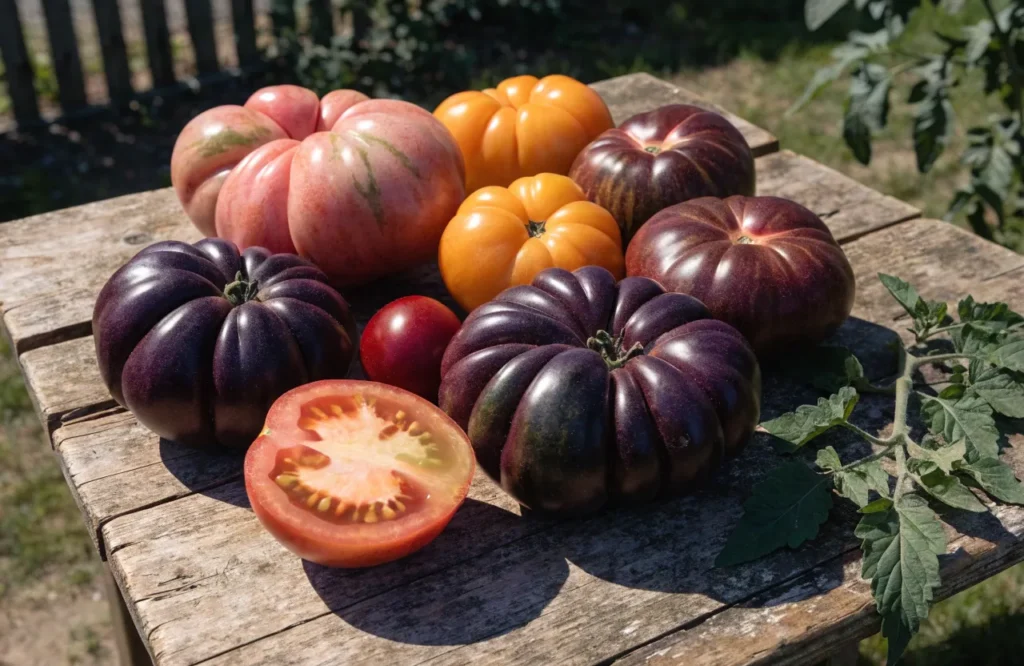
Beefsteak and slicer tomatoes are prized for their large fruits, rich flavors, and excellent texture for sandwiches, burgers, salads, and fresh eating. They can be more challenging than cherry tomatoes, often producing fewer fruits and requiring more attention to disease and plant support. However, the flavor and size of a well-grown beefsteak can make the extra care worthwhile.
8. Cherokee Purple
Best for: Rich-flavored sandwiches and fresh eating
Type: Beefsteak
Growth habit: Indeterminate
Days to maturity: About 70–80 days
Flavor: Rich, sweet, smoky, and complex
Container friendly: Yes, with a very large container
Why grow it: Cherokee Purple is a popular heirloom slicer known for its dusky purple-pink skin, juicy texture, and deep, complex flavor. It may produce fewer tomatoes than some modern hybrids, but its outstanding flavor makes it a favorite for fresh eating.
9. Brandywine
Best for: Classic heirloom flavor and BLTs
Type: Beefsteak
Growth habit: Indeterminate
Days to maturity: About 75–90 days
Flavor: Sweet, tangy, rich, and balanced
Container friendly: Yes, with a very large container
Why grow it: Brandywine is one of the classic heirloom tomatoes and is often grown for its exceptional sweet-tart flavor. The large pink fruits are excellent for sandwiches and BLTs. However, plants can be relatively low-yielding, and the fruit may develop rough shapes or cracking. German Johnson is sometimes chosen as a more productive alternative with a similar heirloom-style flavor.
10. Paul Robeson
Best for: Smoky, complex flavor
Type: Beefsteak
Growth habit: Indeterminate
Days to maturity: About 75–85 days
Flavor: Rich, smoky, sweet, and savory
Container friendly: Yes, with a very large container
Why grow it: Paul Robeson produces attractive deep burgundy-colored tomatoes with a rich, smoky flavor. Compared with many heirloom beefsteaks, it can be surprisingly productive, making it a good option when you want both distinctive flavor and a reasonable harvest.
11. Kellogg’s Breakfast
Best for: Sweet yellow beefsteak tomatoes
Type: Beefsteak
Growth habit: Indeterminate
Days to maturity: About 75–85 days
Flavor: Sweet, fruity, and mild
Container friendly: Yes, with a very large container
Why grow it: Kellogg’s Breakfast produces large, bright orange-yellow beefsteak tomatoes with a notably sweet flavor. It is often considered more productive and reliable than many heirloom beefsteaks, making it an appealing choice for gardeners who want large fruit without giving up heirloom character.
12. Eva Purple Ball
Best for: Reliable heirloom production
Type: Slicer
Growth habit: Indeterminate
Days to maturity: About 70–80 days
Flavor: Sweet, juicy, and well-balanced
Container friendly: Yes, with a large container
Why grow it: Eva Purple Ball produces smooth, round pink-purple fruits with a balanced flavor and attractive appearance. It is often appreciated for its reliability and tolerance of common tomato problems, particularly in warm, humid growing conditions. However, disease performance can vary depending on local conditions, and it should not be treated as a formally disease-resistant variety without a documented resistance rating.
13. Mortgage Lifter
Best for: Large heirloom tomatoes and fresh slicing
Type: Beefsteak / Heirloom
Growth habit: Indeterminate
Days to maturity: About 80–85 days
Flavor: Rich, sweet, and meaty
Container friendly: Yes, with a very large container and strong support
Why grow it: Mortgage Lifter is a classic heirloom prized for its large, meaty fruits and rich, sweet flavor. The pinkish-red tomatoes are excellent for sandwiches, salads, and fresh slicing. Plants can become quite large and benefit from sturdy staking or caging, making this variety better suited to garden beds or spacious containers.
14. Black Krim
Best for: Rich, smoky heirloom flavor
Type: Beefsteak / Heirloom
Growth habit: Indeterminate
Days to maturity: About 70–80 days
Flavor: Rich, smoky, sweet, and slightly salty
Container friendly: Yes, with a large container and strong support
Why grow it: Black Krim is a striking heirloom tomato known for its dark, dusky fruits and complex flavor. The tomatoes develop a deep reddish-brown color when ripe and are especially good sliced fresh for salads, sandwiches, and tomato plates. Like many large heirlooms, the plants need plenty of space and consistent moisture for the best fruit production.
Best Tomato Varieties for Paste, Plum & Sauce Tomatoes
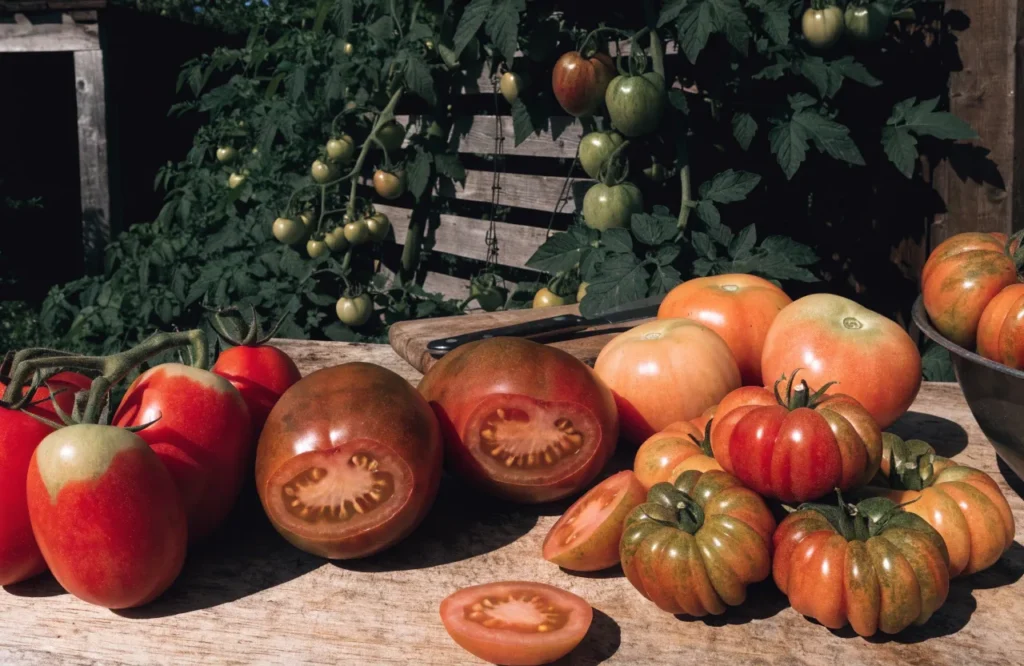
Quick pick: If sauce and canning are your main goal, San Marzano is the classic choice for flavor, Roma is the easiest to grow in limited space, and Amish Paste gives you the most flesh per fruit for big-batch canning.
Paste, plum, and sauce tomatoes are ideal for gardeners who want to make sauces, salsa, tomato paste, canned tomatoes, or dried tomatoes. Their meaty flesh and relatively low water content can make cooking and preserving more efficient, although individual varieties differ in flavor, productivity, and disease performance.
15. San Marzano
Best for: Classic tomato sauces and canning
Type: Paste
Growth habit: Indeterminate
Days to maturity: About 75–85 days
Flavor: Rich, sweet, and balanced
Container friendly: Yes, with a large container
Why grow it: San Marzano is one of the best-known paste tomatoes and is valued for its meaty texture, relatively low moisture, and rich flavor when cooked. It is particularly useful for sauces, pasta dishes, and preserving. Like many paste tomatoes, it can develop blossom-end rot when water uptake is inconsistent. Keeping soil moisture more even with consistent watering can help reduce the risk.
16. Roma
Best for: Sauces, canning, and cooking
Type: Paste
Growth habit: Determinate
Days to maturity: About 70–80 days
Flavor: Mild, rich, and slightly sweet
Container friendly: Yes, with a large container
Why grow it: Roma is one of the most recognizable paste tomatoes and a dependable choice for gardeners who want tomatoes for sauces, soups, salsa, and canning. Its firm, meaty fruits contain less juice than many slicing tomatoes, making them easier to cook down into thick sauces. The compact plants also make Roma a practical option for smaller gardens and containers.
17. Amish Paste
Best for: Large batches of sauce and preserving
Type: Paste
Growth habit: Indeterminate
Days to maturity: About 75–85 days
Flavor: Rich, meaty, and slightly sweet
Container friendly: Yes, with a very large container
Why grow it: Amish Paste produces large, meaty fruits that are especially useful when you want plenty of tomato flesh for sauces and cooking. Its combination of size and rich cooked flavor makes it a popular heirloom choice for gardeners who preserve tomatoes at home.
18. Midnight Roma
Best for: Flavorful sauces and drying
Type: Plum/Paste
Growth habit: Indeterminate
Days to maturity: About 70–80 days
Flavor: Rich, savory, and complex
Container friendly: Yes, with a large container
Why grow it: Midnight Roma is an attractive dark-colored paste tomato that some growers prefer over traditional Roma for flavor, texture, and productivity. Its relatively low water content also makes it useful for sauces and drying. However, growing results can vary considerably with climate, soil, and season, so individual experiences should not be treated as guaranteed performance.
19. Italian Roma
Best for: Reliable harvests and home preserving
Type: Plum/Paste
Growth habit: Determinate or semi-determinate, depending on strain
Days to maturity: About 70–80 days
Flavor: Mild, meaty, and savory
Container friendly: Yes, with a large container
Why grow it: Italian Roma is a dependable open-pollinated option for gardeners who want a steady supply of plum tomatoes for sauces, canning, and cooking. The fruits are generally smaller than those of some large hybrid paste varieties, but plants can produce abundant harvests.
Varieties with mixed reviews: Paisano can receive mixed reports regarding disease susceptibility, while Ukrainian Purple may be prone to splitting if left to fully ripen on the vine. San Marzano can also experience blossom-end rot when water uptake is inconsistent, so maintaining even soil moisture is more useful than assuming the problem is an inherent weakness of the variety.
Best Tomato Varieties for Sun-Drying
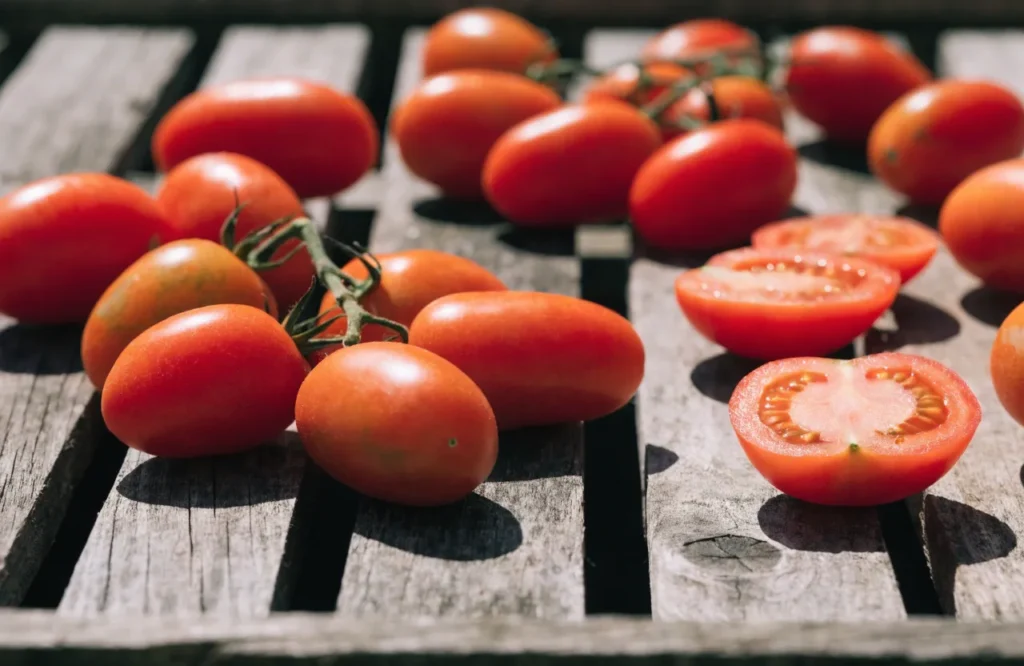
Tomatoes for sun-drying, oven-drying, or dehydrating should ideally have small fruits, meaty flesh, low moisture, and relatively small seed cavities. These characteristics help the tomatoes dry more efficiently while allowing them to retain good flavor and color.
20. Principe Borghese
Best for: Traditional sun-dried tomatoes
Type: Drying/Paste
Growth habit: Determinate
Fruit size: About 1–2 ounces
Days to maturity: About 70–75 days
Flavor: Rich, concentrated, and savory
Container friendly: Yes, with a large container
Why grow it: Principe Borghese is one of the most popular choices for drying tomatoes. Its small, meaty fruits have relatively little moisture and are well suited to sun-drying and dehydration. The fruits can also hold well on the vine and tend to retain their flavor and color during drying.
21. Juliet
Best for: Continuous harvests and shorter growing seasons
Type: Grape/Paste hybrid
Growth habit: Indeterminate
Fruit size: Small, elongated fruits
Days to maturity: About 60 days
Flavor: Sweet, rich, and mildly tangy
Container friendly: Yes, with a large container
Why grow it: Juliet is a productive hybrid that combines the shape and meaty texture of a small paste tomato with the continuous production of an indeterminate plant. It ripens earlier than many traditional drying varieties, making it useful for gardeners with cooler or shorter growing seasons. Its extended harvest means you may need to collect and dry fruit in batches rather than processing one large harvest at once.
Best Tomato Varieties for Containers
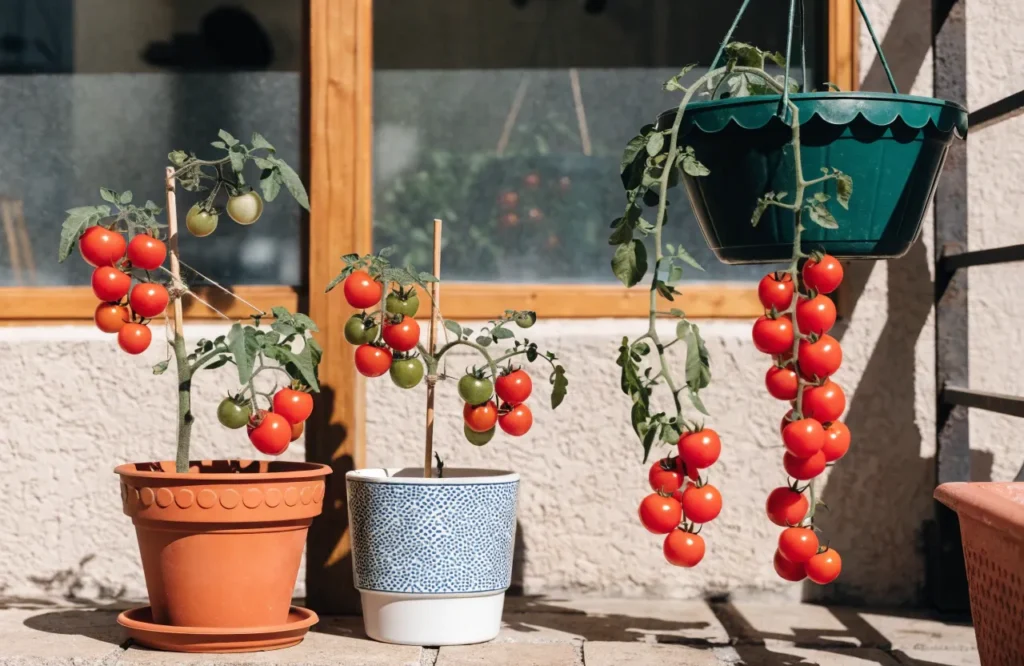
Quick pick: For a windowsill or tiny pot, go with Tiny Tim. For a full-size patio container where you still want real slicing tomatoes, Bush Early Girl or Patio Princess are the better fit.
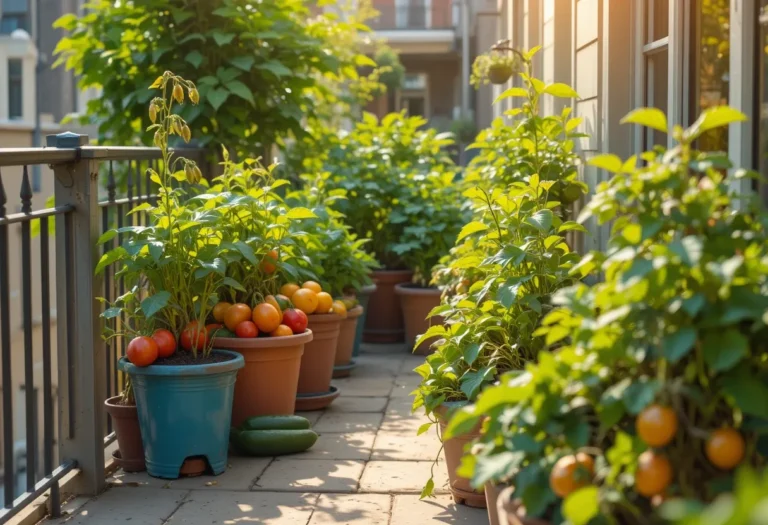
Container tomatoes are a great option for patios, balconies, decks, and small gardens where planting space is limited. Compact growth, manageable root systems, and a naturally smaller plant size are especially important when choosing a variety for pots. Determinate and dwarf tomatoes are generally easier to manage, while full-size indeterminate varieties usually require very large containers and strong support.
22. Tiny Tim
- Best for: Very small containers and balconies
- Type: Cherry
- Growth habit: Dwarf determinate
- Days to maturity: About 45–55 days
- Flavor: Sweet and mild
- Container friendly: Yes, especially in small pots
Tiny Tim is a naturally compact tomato bred specifically for container growing. Its small stature makes it particularly useful for balconies, windowsills, patios, and other spaces where a full-size tomato plant would be difficult to manage. Despite its compact size, it produces plenty of small red cherry tomatoes.
23. Bush Early Girl
Best for: Compact plants with larger slicing tomatoes
Type: Slicer
Growth habit: Determinate/bush
Days to maturity: About 50–60 days
Flavor: Sweet, juicy, and classic tomato-like
Container friendly: Yes, with a large container
Why grow it: Bush Early Girl combines the compact growth habit of a bush tomato with the larger fruit associated with slicing varieties. It is a useful option when you want more substantial tomatoes but do not have room for a full-size indeterminate Early Girl plant. A large container and sturdy support can help the plant perform well throughout the season.
24. Patio Princess
Best for: Containers, patios, and small gardens
Type: Slicing
Growth habit: Determinate
Days to maturity: About 65–70 days
Flavor: Sweet, juicy, and mild
Container friendly: Yes, especially well suited to containers
Why grow it: Patio Princess is a compact tomato variety bred specifically for small spaces, making it an excellent choice for patios, balconies, and container gardens. It produces medium-sized red tomatoes on a relatively compact plant, while still offering good fresh-eating flavor. Its manageable growth habit makes it especially useful for gardeners who want homegrown tomatoes without dedicating a large garden bed to sprawling vines.
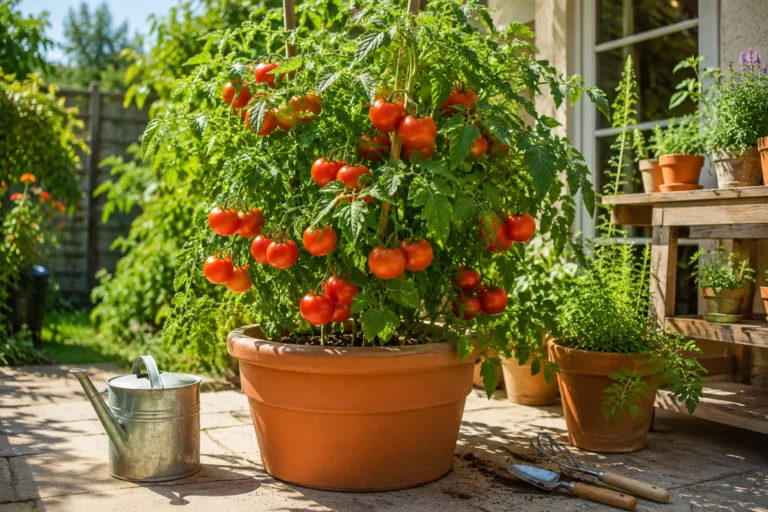
Container-growing tip: Choose a pot large enough for the mature plant, use a high-quality potting mix, provide plenty of sunlight, and keep moisture consistent. If you are new to container gardening, our complete beginner’s guide to growing tomatoes in pots covers pot sizing, soil, watering, and other essential care requirements.
Best Specialty Tomato Variety
25. Costoluto Genovese
Best for: Specialty cooking and flavorful fresh slicing
Type: Beefsteak / Heirloom
Growth habit: Indeterminate
Days to maturity: About 75–80 days
Flavor: Rich, tangy, and intensely tomato-like
Container friendly: Yes, with a very large container and strong support
Why grow it: Costoluto Genovese is a distinctive Italian heirloom known for its deeply ribbed, flattened fruits and rich, tangy flavor. Its unusual shape makes it stand out in the garden, while its meaty texture works well for fresh slicing, salads, sandwiches, and cooking. The vigorous plants need plenty of space and sturdy support to perform well.
Choosing Tomatoes for Hot, Humid, or Challenging Conditions
Heat, humidity, disease pressure, and season length can significantly affect tomato performance. Instead of choosing varieties based only on popularity, match the variety to the conditions in your garden.
| Growing Challenge | What to Look For | Practical Strategy |
|---|---|---|
| Very hot weather | Heat-tolerant varieties | Plant at the right time and maintain even moisture |
| High humidity | Disease-resistant varieties | Prioritize airflow, spacing, and resistant varieties |
| Short growing season | Early varieties | Choose tomatoes with fewer days to maturity |
| Small garden | Determinate/dwarf varieties | Use containers or compact beds |
| Long growing season | Indeterminate varieties | Use strong cages or trellises |
| Frequent disease | Resistance codes | Match resistance to known local diseases |
How These Conditions Apply to the Featured Varieties
Heat and humidity can increase disease pressure and interfere with fruit set. Tomato fruit set can decline when temperatures remain very high, particularly when both daytime and nighttime temperatures are outside the plant’s preferred range.
Among the varieties featured in this guide, Eva Purple Ball is often recommended by gardeners for warm or humid conditions, although performance still varies by climate and disease pressure. Celebrity is another useful option when disease tolerance is a priority because it is a hybrid bred with multiple disease-resistance traits.
For areas with frequent tomato diseases, don’t rely solely on a variety’s reputation. Check the seed packet or official variety information for documented resistance codes such as V (Verticillium wilt), F (Fusarium wilt), N (nematodes), T (Tomato mosaic virus), or ASC (Alternaria stem canker). Resistance does not guarantee that a plant will remain disease-free, but it can improve your odds when a particular disease is common in your area.
If humidity-related disease is a recurring problem, our guide to tomato plant diseases can help you identify common problems and their symptoms. If the first sign is yellowing foliage, our guide to why tomato plant leaves turn yellow can help you narrow down the possible causes.
Tip: For the most reliable recommendations, check your local university extension service or regional trial data. A variety that performs exceptionally well in one climate may struggle in another, so locally tested varieties can be more useful than nationwide popularity alone.
How to Actually Choose for Your Garden
A quick note on growing zones: Your USDA hardiness zone is a useful starting filter, even though it measures winter cold rather than summer heat.
| Zone | General Guidance | Good Fits From This List |
| Zones 3–5 (short, cool seasons) | Favor fast-maturing and determinate varieties | Early Girl, Tiny Tim, Bush Early Girl, Celebrity |
| Zones 6–7 (moderate seasons) | Most varieties on this list will work | Better Boy, Cherokee Purple, San Marzano, Roma |
| Zones 8–9 (long, hot seasons) | Prioritize heat tolerance and disease resistance | Celebrity, Eva Purple Ball, Roma |
| Zones 10–11 (year-round warmth, high humidity) | Lean on disease-resistant hybrids over heirlooms | Celebrity, Better Boy |
This is a general starting filter, not a substitute for your local extension service’s regional trial data, see the “Choosing Tomatoes for Hot, Humid, or Challenging Conditions” section above for more on that.
- Match days-to-maturity to your growing season. Count the days between your last spring frost and first fall frost, and only choose varieties that fit comfortably within that window, a few weeks of buffer is safer than cutting it close.
- Consider your light and space. Tomatoes need 6–8 hours of direct sun. Limited or container space favors determinate and smaller-fruited varieties; larger indeterminate types need real staking, proper spacing, and room to grow.
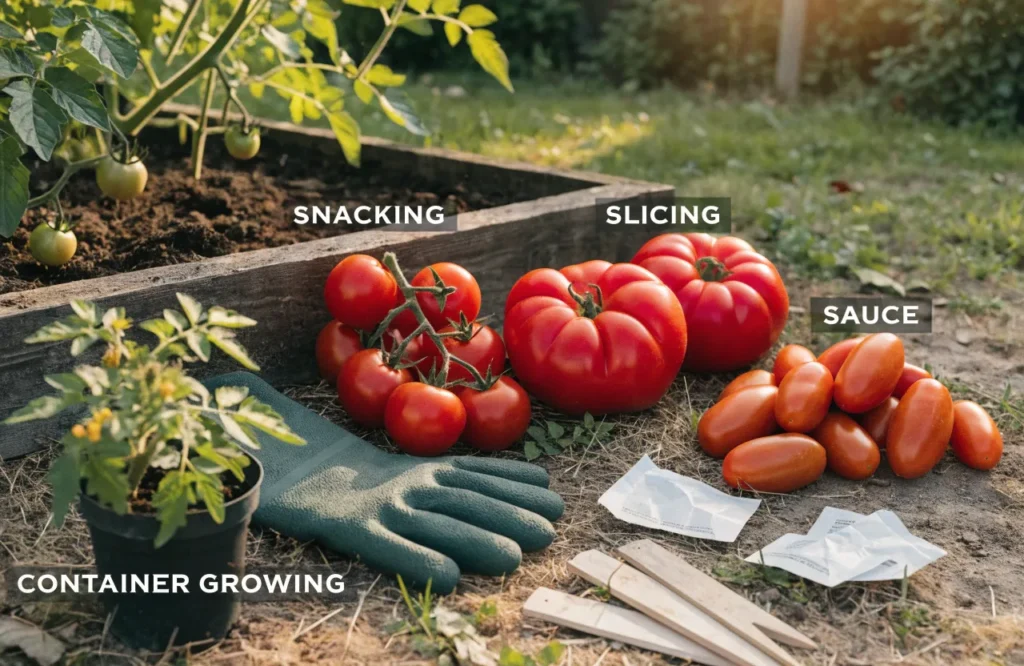
- Think about how you’ll use the harvest. Snacking and salads point toward cherry/grape types; sandwiches and fresh eating point toward beefsteaks; canning and sauce point toward determinate paste varieties that ripen together.
- Decide how much maintenance you want. Determinate plants need less staking and pruning but demand a harvest push all at once; indeterminate plants spread the work, and the harvest, across the whole season but need consistent trellising and pruning.
- Expect some trial and error. Even experienced growers keep a rotating list of “maybes” alongside their firm favorites. What thrives depends heavily on local climate, rainfall, and soil, so don’t be surprised if a widely loved variety underperforms in your specific garden, or a “mixed reviews” variety turns out to be a favorite in yours.
25 Best Tomato Varieties Comparison Table
Use this table to quickly compare the 25 featured tomato varieties by type, plant habit, primary use, flavor, container suitability, and approximate maturity.
| Variety | Type | Growth Habit | Best For | Flavor | Container Friendly | Days to Maturity |
| Better Boy | Beefsteak / Slicer | Indeterminate | All-purpose slicing | Rich, balanced | Yes, very large container | 70–75 days |
| Celebrity | Slicer | Determinate | Beginners, reliable harvests | Mild, balanced | Yes, large container | 70–75 days |
| Early Girl | Slicer | Indeterminate | Early harvests, short seasons | Sweet, juicy | Yes, large container | 50–57 days |
| Sungold | Cherry | Indeterminate | Snacking, salads | Exceptionally sweet, fruity | Yes, large container | 55–65 days |
| Black Cherry | Cherry | Indeterminate | Snacking | Rich, complex | Yes, large container | 65–75 days |
| Sweet Million | Cherry | Indeterminate | Heavy harvests, snacking | Sweet, juicy | Yes, large container | 60–65 days |
| Sunrise Bumblebee | Cherry | Indeterminate | Salads, fresh eating | Sweet, mild | Yes, large container | 75–80 days |
| Cherokee Purple | Beefsteak | Indeterminate | Fresh eating, slicing | Rich, smoky, complex | Yes, very large container | 70–80 days |
| Brandywine | Beefsteak | Indeterminate | Fresh eating, sandwiches | Sweet, tangy, rich | Yes, very large container | 75–90 days |
| Paul Robeson | Beefsteak | Indeterminate | Fresh eating | Rich, smoky, savory | Yes, very large container | 75–85 days |
| Kellogg’s Breakfast | Beefsteak | Indeterminate | Fresh eating, slicing | Sweet, fruity | Yes, very large container | 75–85 days |
| Eva Purple Ball | Slicer | Indeterminate | Fresh eating, reliable heirloom production | Sweet, juicy, balanced | Yes, large container | 70–80 days |
| Mortgage Lifter | Beefsteak / Heirloom | Indeterminate | Large tomatoes, fresh slicing | Rich, sweet, meaty | Yes, very large container | 80–85 days |
| Black Krim | Beefsteak / Heirloom | Indeterminate | Fresh eating, slicing | Rich, smoky, sweet | Yes, large container | 70–80 days |
| Roma | Paste | Determinate | Sauces, canning, cooking | Mild, rich, slightly sweet | Yes, large container | 70–80 days |
| San Marzano | Paste | Indeterminate | Sauces, canning | Rich, sweet, balanced | Yes, large container | 75–85 days |
| Amish Paste | Paste | Indeterminate | Sauce, preserving | Rich, meaty, slightly sweet | Yes, very large container | 75–85 days |
| Midnight Roma | Plum / Paste | Indeterminate | Sauces, drying | Rich, savory, complex | Yes, large container | 70–80 days |
| Italian Roma | Plum / Paste | Determinate or semi-determinate | Sauces, canning, cooking | Mild, meaty, savory | Yes, large container | 70–80 days |
| Principe Borghese | Drying / Paste | Determinate | Sun-drying, dehydration | Rich, concentrated, savory | Yes, large container | 70–75 days |
| Juliet | Grape / Paste | Indeterminate | Drying, continuous harvests | Sweet, rich, mildly tangy | Yes, large container | About 60 days |
| Tiny Tim | Cherry | Dwarf determinate | Small containers, balconies | Sweet, mild | Yes, excellent | 45–55 days |
| Bush Early Girl | Slicer | Determinate / Bush | Containers, compact growing | Sweet, juicy, classic | Yes, large container | 50–60 days |
| Patio Princess | Slicer | Determinate | Containers, patios, small gardens | Sweet, juicy, mild | Yes, excellent | 65–70 days |
| Costoluto Genovese | Beefsteak / Heirloom | Indeterminate | Specialty cooking, fresh slicing | Rich, tangy, intense | Yes, very large container | 75–80 days |
Note: Days to maturity are approximate and can vary depending on climate, growing conditions, transplant timing, and whether maturity is measured from transplanting or another starting point. Container suitability also depends on pot size, sunlight, support, and the mature size of the plant.
Frequently Asked Questions
What are the best tomato varieties overall?
The best tomato variety depends on how you plan to use your harvest and your growing conditions. Quick picks: Better Boy is a strong all-purpose choice, Sungold is a standout cherry tomato, and Cherokee Purple is a top beefsteak for fresh eating.
What is the difference between determinate and indeterminate tomatoes?
Indeterminate types keep growing and producing until frost, and generally need sturdy support. Determinate (bush) types stop at a set size and produce much of their crop over a relatively concentrated harvest, making them easier to manage.
What are the best tomatoes for containers?
For a windowsill or tiny pot, go with Tiny Tim—it’s a naturally compact tomato bred specifically for container growing. For a full-size patio container, Bush Early Girl and Patio Princess are also well suited to containers.
What are the best tomatoes for sauce?
If sauce and canning are your main goal, San Marzano is the classic choice for flavor, Roma is the dependable workhorse, and Amish Paste is excellent for large batches. All are meaty paste types ideal for sauces.
Which tomato varieties produce the earliest harvest?
Early Girl is the earliest on this list at about 50–57 days, making it a popular choice for gardeners who don’t want to wait long or have short growing seasons. Tiny Tim (45–55 days) and Bush Early Girl (50–60 days) are also fast.
Beyond the Variety: Giving Your Tomatoes What They Need
Picking the right variety only gets you so far, how you care for it matters just as much. Once you’ve settled on what to grow, a few other pieces round out a strong harvest:
- Start with the right soil mix, since tomatoes are heavy feeders that struggle in compacted or poorly draining ground.
- Pair that with a fertilizing routine suited to their growth stage, too much nitrogen late in the season can mean lots of foliage and little fruit.
- Water consistently rather than on a fixed schedule, adjusting for weather, since erratic watering is behind a lot of cracking and blossom-end rot.
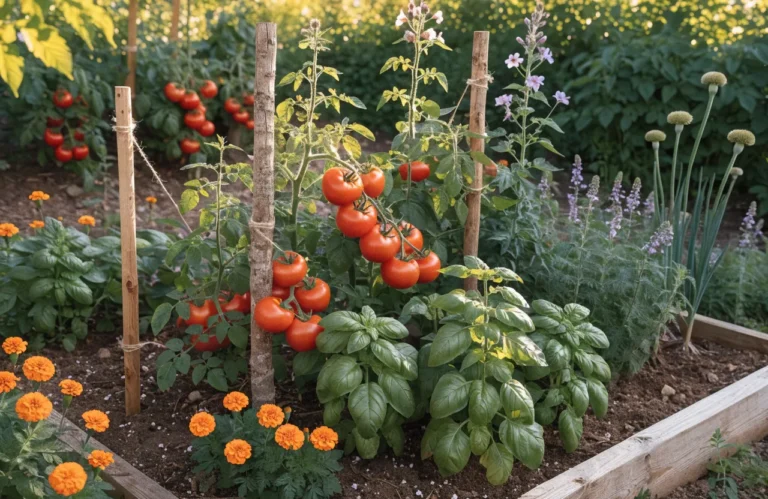
- Round out the bed with companion plants that support healthy growth and steer clear of the few that compete or invite shared pests.
Get those fundamentals right, and even a “mixed reviews” variety has a much better shot at performing well in your garden.
Final Thoughts
No list of the best tomato varieties can tell you exactly what will thrive in your soil and climate or what will taste best to you. Treat the picks above as a well-vetted starting shortlist, keep notes each season on what actually worked, and don’t hesitate to trial a variety with “mixed reviews”; it might turn out to be exactly what your garden needed.