20 Best Vegetables That Grow in Shade (Even With Limited Sun)
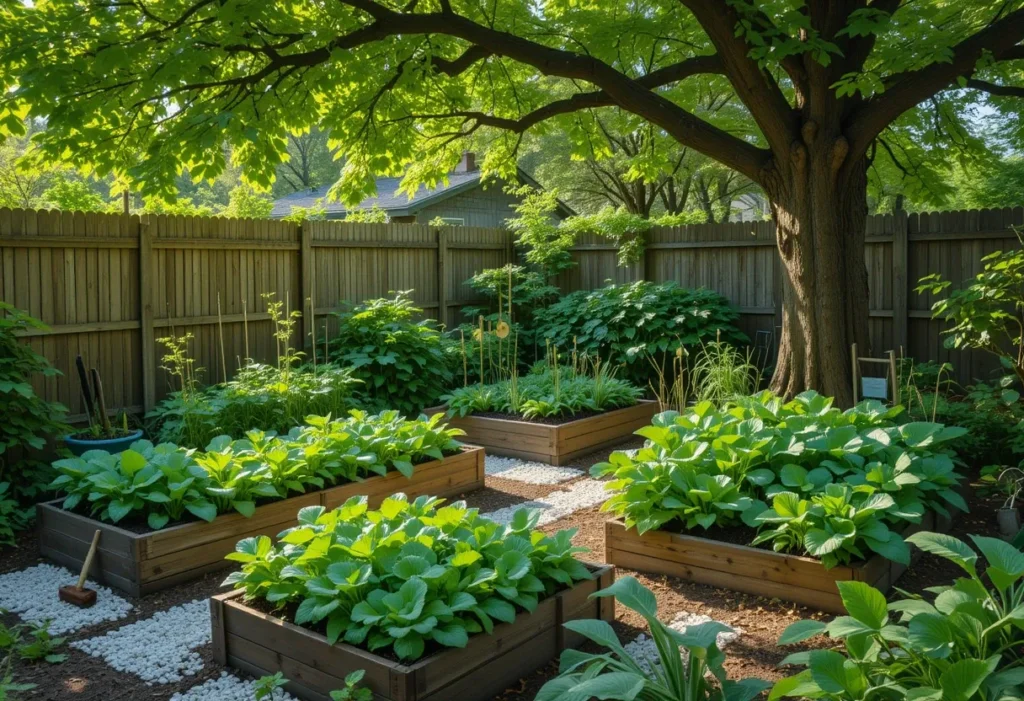
A garden with limited sunlight doesn’t have to limit your harvest. Many vegetables that grow in shade actually perform better with a few hours of protection from the hot afternoon sun, producing tender leaves, sweeter roots, and longer-lasting harvests. Whether your garden is shaded by trees, fences, walls, or nearby buildings, you can still grow a wide variety of delicious crops with the right plant selection.
Most shade-tolerant vegetables thrive in 3 to 6 hours of direct sunlight or bright, filtered light each day. Leafy greens, root vegetables, and many cool-season crops are especially well suited to these conditions, often bolting more slowly than those grown in full sun. In this guide, you’ll discover 20 of the best vegetables that grow in shade, along with simple growing tips to help you make the most of every shaded corner of your garden.
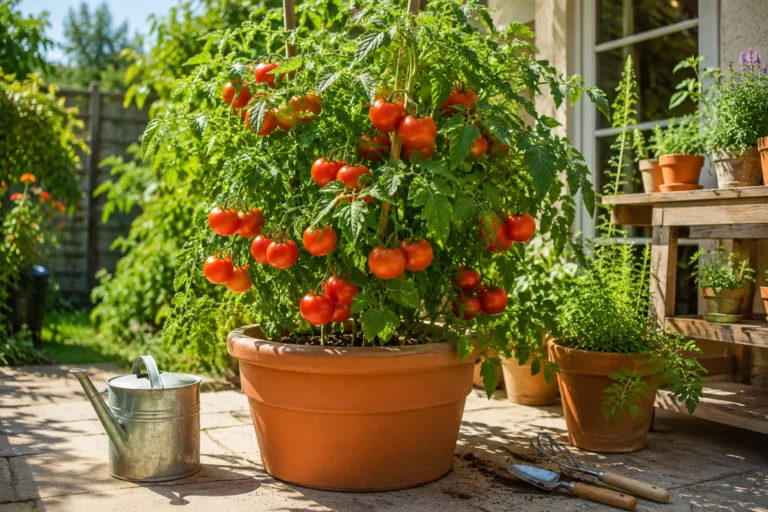
If you are planning a productive backyard space, you can also explore these vegetable garden ideas for inspiration and better garden organization. If tomatoes are on your planting list, don’t miss our guide on how to grow tomatoes in pots, learn why tomato leaves are turning yellow to troubleshoot common problems, and discover the best tomato fertilizer for healthier plants and bigger harvests.
Table of Contents
Can Vegetables Really Grow in Shade?
Yes, many vegetables can grow successfully in shaded gardens, especially crops that prefer cooler conditions and do not require intense sunlight to produce a harvest. While most vegetables perform best with 6–8 hours of direct sun, many shade-tolerant crops can thrive with around 3–6 hours of sunlight per day or bright, filtered light.
The key is understanding the difference between partial shade, light shade, and deep shade. Areas that receive morning sunlight followed by afternoon shade are often ideal because plants get enough energy for growth while being protected from excessive heat. Leafy greens, root vegetables, and cool-season crops are usually the best choices for gardens with limited sunlight.
However, not every vegetable performs well in low-light conditions. Fruiting plants such as tomatoes, peppers, cucumbers, and squash typically need full sun because they require more energy to produce flowers and fruits. For shaded areas, focus on crops that naturally adapt to cooler environments and shorter periods of sunlight.
How Much Sunlight Do Shade Vegetables Need?
| Shade Type | Hours of Sunlight | Best Vegetable Choices |
|---|---|---|
| Full Sun | 6–8+ hours | Tomatoes, peppers, cucumbers, squash |
| Partial Shade | 4–6 hours | Lettuce, spinach, kale, broccoli, peas |
| Light Shade | 2–4 hours | Swiss chard, arugula, mustard greens, herbs |
| Deep Shade | Less than 2 hours | Limited vegetable options; focus on shade-loving plants |
With the right crop selection, quality soil, and proper watering, a shaded garden can still produce an impressive harvest. Many gardeners find that cooler, protected growing spaces actually help extend the season for leafy greens and prevent problems like bolting during hot weather.
Best Vegetables That Grow in Shade
Quick Comparison
| Vegetable | Sunlight Needed | Growing Type | Harvest Time | Best For |
|---|---|---|---|---|
| Leaf Lettuce | 3–5 hours | Leafy green | 30–60 days | Salads, containers |
| Spinach | 3–6 hours | Leafy green | 35–45 days | Cool seasons |
| Kale | 4–6 hours | Leafy green | 50–70 days | Long harvests |
| Radishes | 3–6 hours | Root crop | 20–40 days | Beginners |
| Carrots | 4–6 hours | Root crop | 60–80 days | Loose soil gardens |
| Swiss Chard | 3–6 hours | Leafy green | 50–60 days | Continuous harvesting |
| Arugula | 3–5 hours | Leafy green | 20–40 days | Quick harvests |
| Broccoli | 4–6 hours | Brassica | 60–100 days | Cooler climates |
| Peas | 4–6 hours | Climbing crop | 60–70 days | Spring gardens |
| Brussels Sprouts | 4–6 hours | Brassica | 90–120 days | Fall gardens |
Best Shade Vegetables by Category
Not all low-light crops grow the same way. Some vegetables are valued for quick harvests, while others provide continuous picking, flavorful roots, or reliable cool-season production. Choosing the right type of crop for your shaded garden can help you make the most of limited sunlight.
Fast-Growing Vegetables for Shade
If you want quick results, choose crops that mature in a short period and can be planted several times throughout the season.
- Radishes – One of the fastest root crops, often ready to harvest within a month.
- Arugula – Produces tender, peppery leaves quickly and benefits from cooler conditions.
- Leaf Lettuce – Provides fresh salad greens and allows repeated harvesting of outer leaves.
- Tatsoi – A compact Asian green that grows quickly in cooler, partially shaded areas.
Leafy Greens That Thrive in Lower Light
Leafy vegetables are among the best choices for gardens with limited sunlight because they often need less direct sun than fruiting crops.
- Spinach – Produces tender leaves and stays sweeter when protected from intense heat.
- Kale – A hardy green that provides harvests over a long season.
- Swiss Chard – Offers colorful stems and continuous leaf production.
- Mustard Greens – Fast-growing leaves with a bold, peppery flavor.
- Collard Greens – Large, nutritious leaves that tolerate cooler conditions.
Many leafy vegetables also pair well with fresh herbs grown nearby. Learn how to create a productive kitchen herb garden to complement your vegetable harvest.
Root Vegetables for Partially Shaded Gardens
Root crops can handle less sunlight because they focus energy below the soil surface rather than producing fruits.
- Carrots – Develop sweet roots in cool, loose soil.
- Beets – Provide both edible roots and nutritious greens.
- Parsnips – Produce sweet, creamy roots when given a long growing season.
Cool-Season Vegetables for Shady Areas
Cool-weather crops often perform especially well in areas protected from harsh afternoon sun.
- Broccoli – Produces better-quality heads when protected from excessive heat.
- Cauliflower – Benefits from cooler conditions that help maintain compact heads.
- Brussels Sprouts – Develop sweeter sprouts as temperatures become cooler.
- Peas – Produce sweet pods during mild seasons and appreciate protection from heat.
Shade-Tolerant Vegetables for Containers and Small Spaces
If your garden has limited space, many lower-light crops can thrive in pots, raised beds, or small growing areas.
- Lettuce – Ideal for shallow containers and repeated harvesting.
- Arugula – Compact and easy to grow in pots.
- Tatsoi – Works well in small containers because of its low-growing habit.
- Swiss Chard – Adds color and productivity to patio gardens.
20 Vegetables That Grow in Shade Outdoors
1. Leaf Lettuce – Fresh Greens That Thrive in Partial Shade
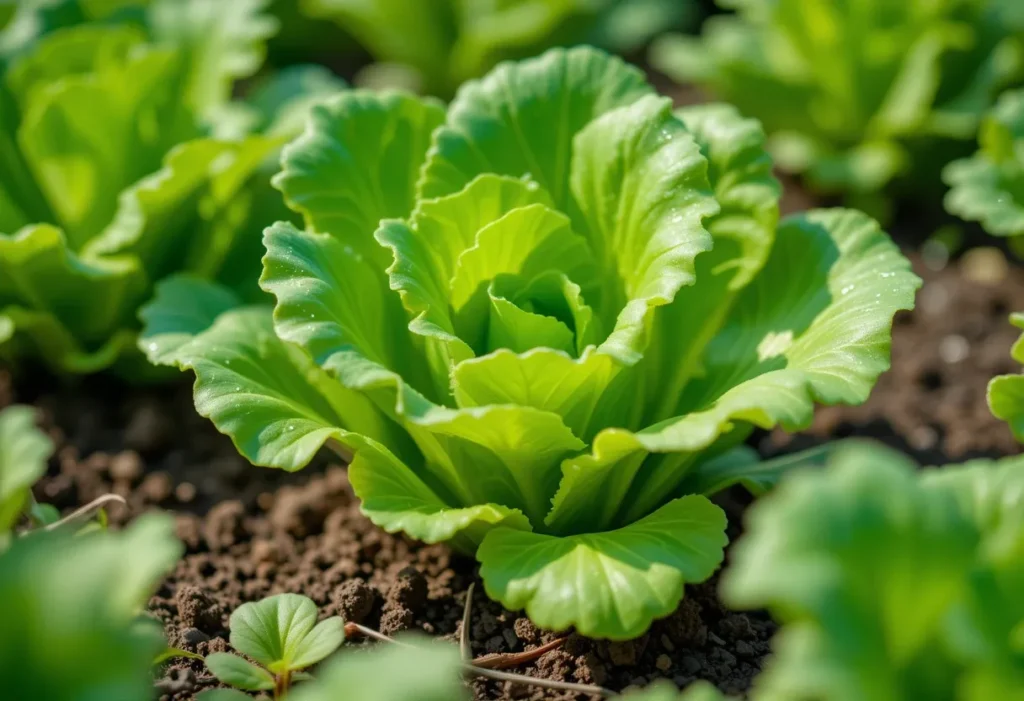
Leaf lettuce is one of the most reliable vegetables that grow well in shade, especially in gardens that receive only morning sun or filtered light. Unlike many leafy greens, it stays tender and delays bolting when protected from intense afternoon heat, giving you a longer harvest season. Plant leaf lettuce in fertile, well-drained soil and keep it evenly moist to encourage continuous growth. Pick the outer leaves regularly rather than removing the entire plant, and you’ll enjoy fresh, crisp greens for salads and sandwiches over several weeks.
2. Spinach – A Cool-Season Favorite for Shady Gardens
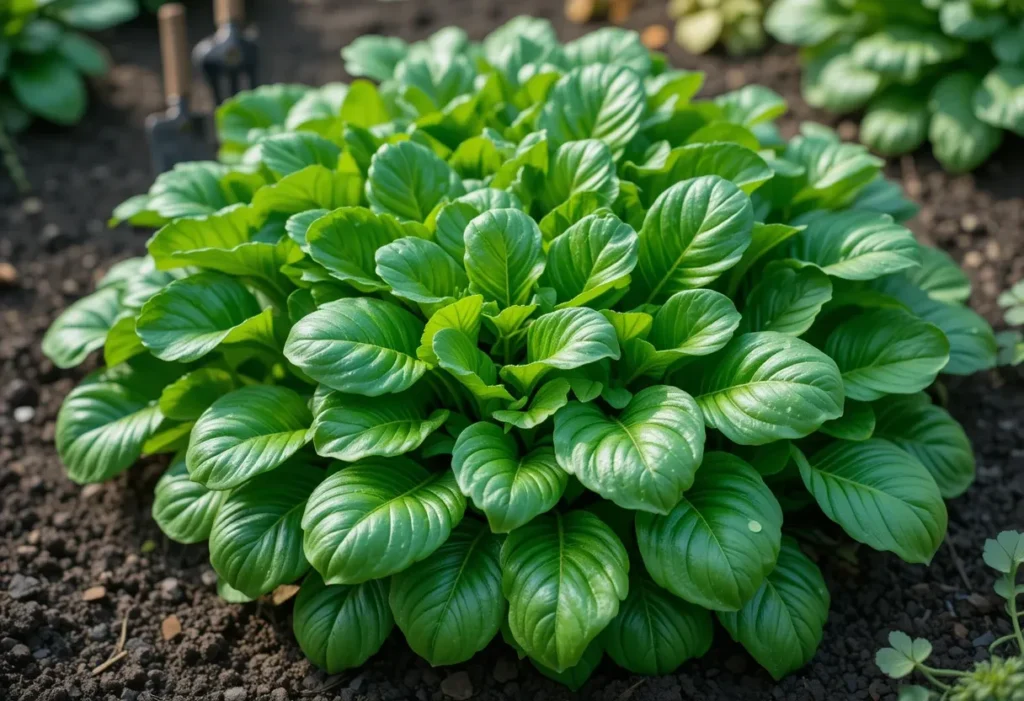
Spinach is one of the best vegetables that grow in shade, producing tender, nutrient-rich leaves with as little as 3 to 6 hours of sunlight each day. Cooler, partially shaded conditions help slow bolting, allowing the leaves to stay sweeter and less bitter for longer than those grown in hot, full-sun locations. Sow seeds directly into fertile, well-drained soil, keep the bed consistently moist, and harvest the outer leaves first to encourage continuous growth. For the best flavor, pick young leaves regularly before summer temperatures begin to rise.
3. Kale – A Hardy Green for Cooler, Low-Light Gardens
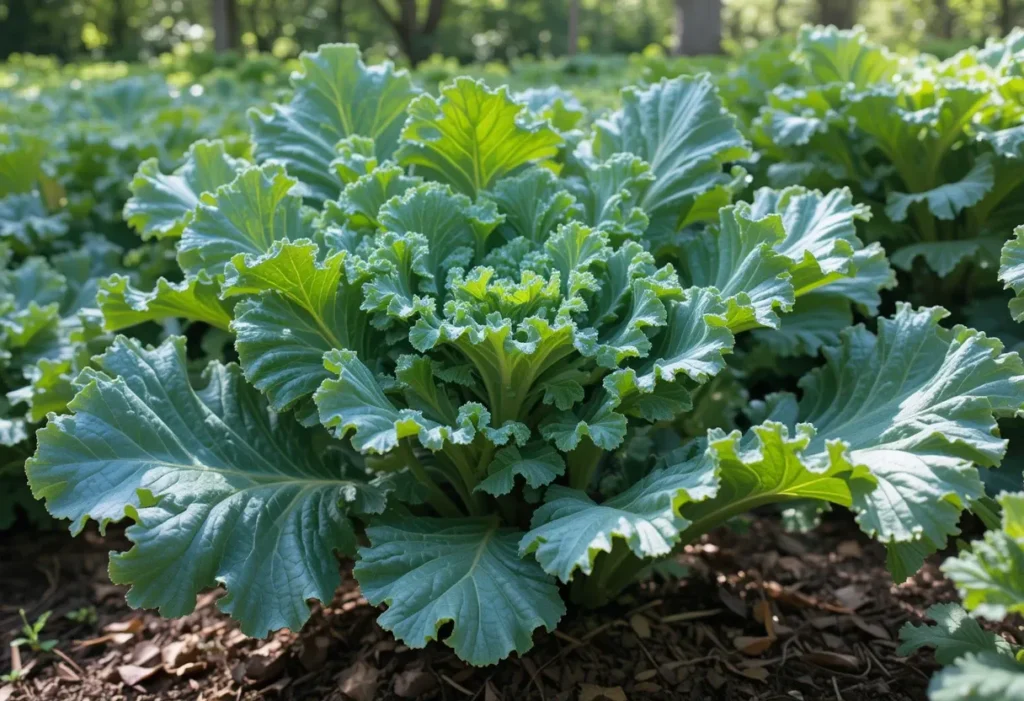
Kale is one of the most reliable shade-tolerant leafy greens, producing abundant, nutrient-rich leaves even in gardens with limited sunlight. As a cool-season crop, it performs best in cooler conditions where partial shade helps reduce heat stress and keeps the foliage tender. Many gardeners notice that a light frost brings out kale’s natural sweetness, making late-season harvests especially flavorful. Plant it in fertile, well-drained soil, apply a layer of mulch to conserve moisture, and harvest the lower leaves first to encourage steady new growth.
4. Beets – Enjoy Both Sweet Roots and Nutritious Greens
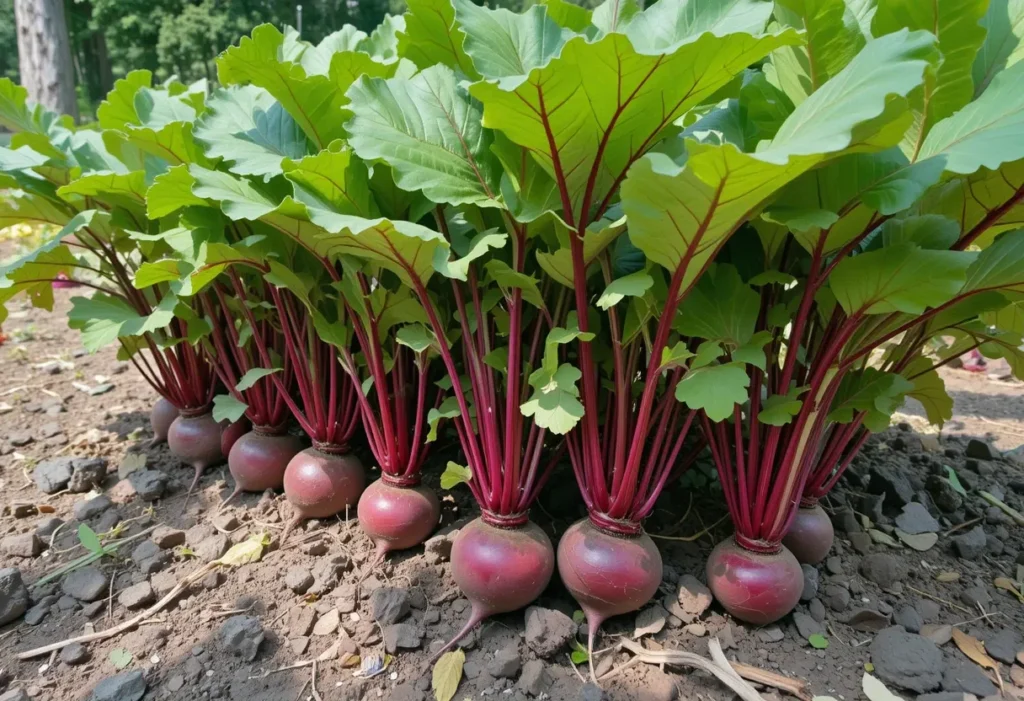
Beets are a versatile crop that rewards gardeners with both flavorful roots and nutrient-rich leafy tops. They adapt well to partially shaded gardens, where cooler conditions help the roots develop a sweeter, more tender texture, even if growth is slightly slower than in full sun. Plant beets in loose, well-drained soil free of stones to encourage smooth root development, and keep the soil evenly moist throughout the season. Harvest the young greens for fresh salads, then allow the roots to mature for roasting, pickling, or juicing.
5. Radishes – Fast-Growing Roots for Low-Light Gardens
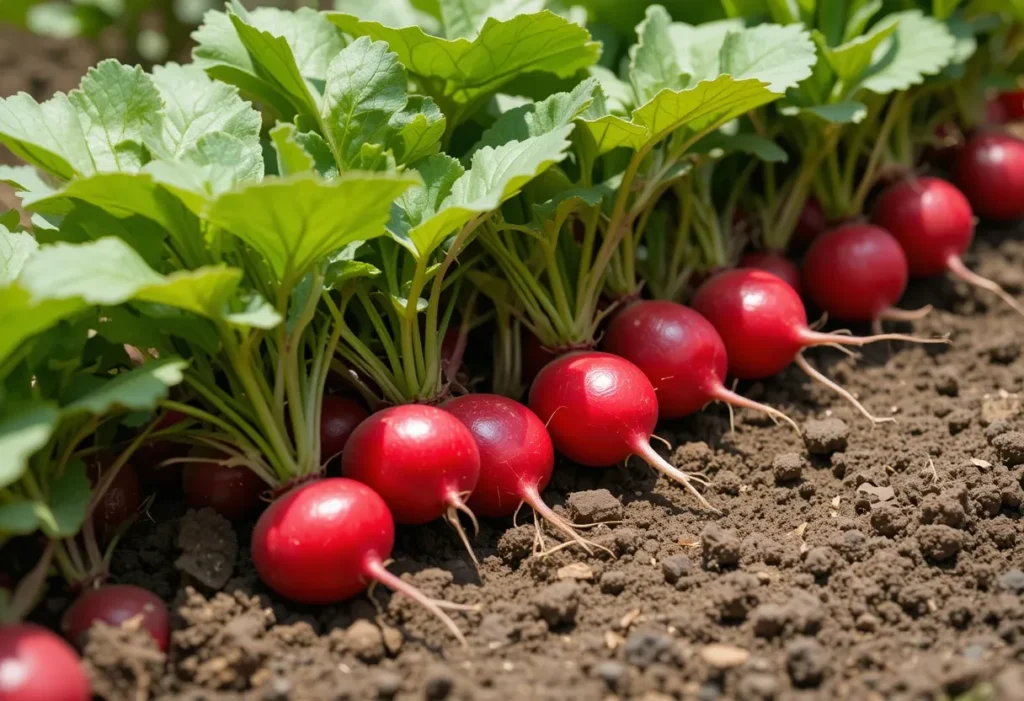
Radishes are among the fastest-growing root crops for gardens with limited sunlight, often reaching harvest in as little as three to four weeks. They perform well in partially shaded areas, where cooler temperatures help the roots stay crisp, tender, and pleasantly mild instead of becoming woody or overly spicy. Sow seeds every two to three weeks for a steady supply throughout the growing season, and grow them in loose, stone-free soil to encourage smooth, evenly shaped roots. Their vibrant red, pink, white, or purple bulbs add both color and fresh flavor to salads and snacks.
6. Carrots – Sweet Roots for Partially Shaded Gardens
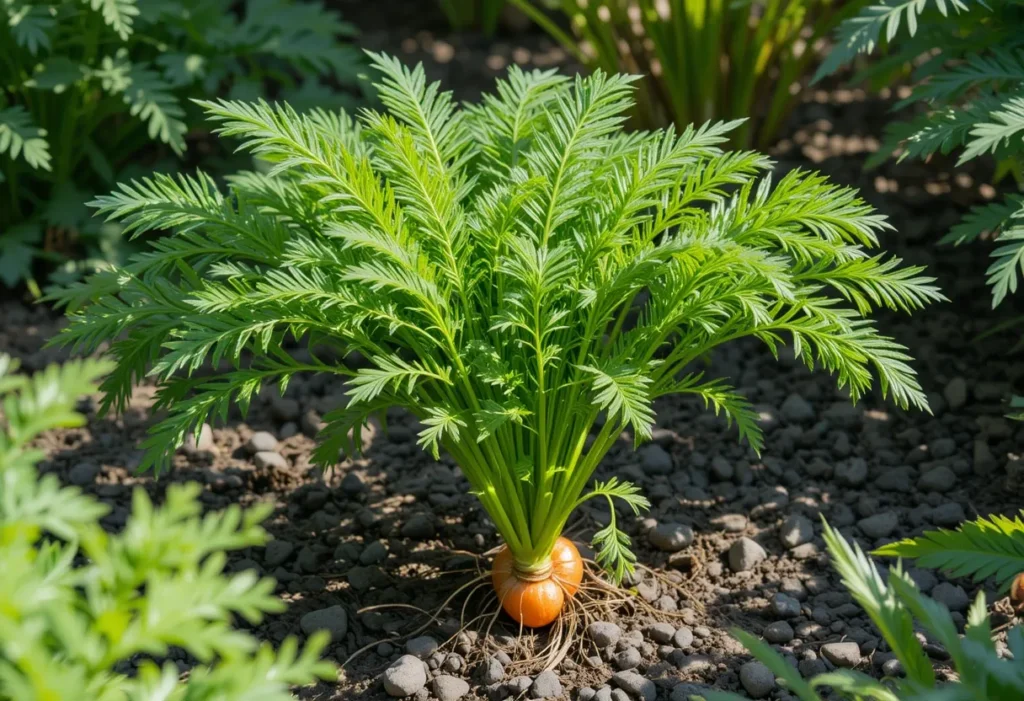
Carrots can produce sweet, flavorful roots even in gardens with limited sunlight, especially when grown in cool, loose soil. While they may mature a little more slowly than those planted in full sun, the lower temperatures often help improve their sweetness and texture. Choose shorter or round carrot varieties for more reliable results in low-light growing conditions, and remove stones or compacted soil that can cause forked or misshapen roots. Thin young seedlings early and water consistently to encourage smooth, evenly sized carrots with fewer cracks.
7. Swiss Chard – A Colorful Crop for Low-Light Gardens
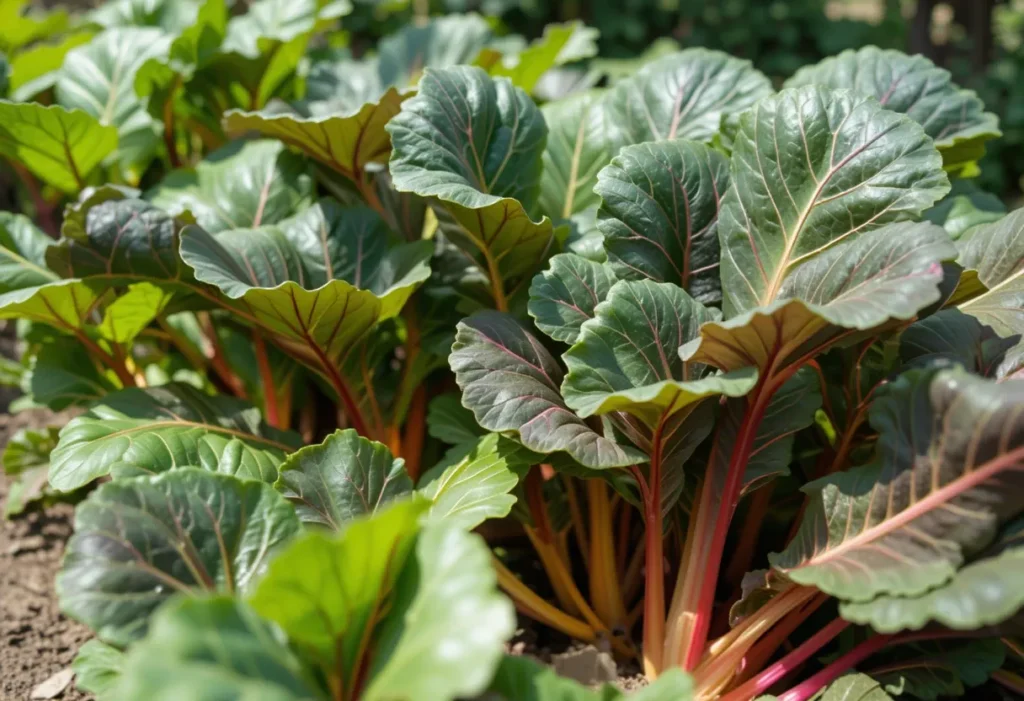
Swiss chard is a dependable leafy green that grows well in partially shaded gardens, producing vibrant stems and glossy leaves from spring through fall. Cooler conditions help keep the foliage tender, while the plant’s natural tolerance to light frost extends the harvest season in many climates. Grow Swiss chard in fertile, well-drained soil and harvest the outer leaves regularly, allowing the center to continue producing fresh growth. Its mild, earthy flavor makes it a versatile addition to salads, soups, stir-fries, and sautéed vegetable dishes.
8. Arugula – Peppery Greens for Partially Shaded Gardens
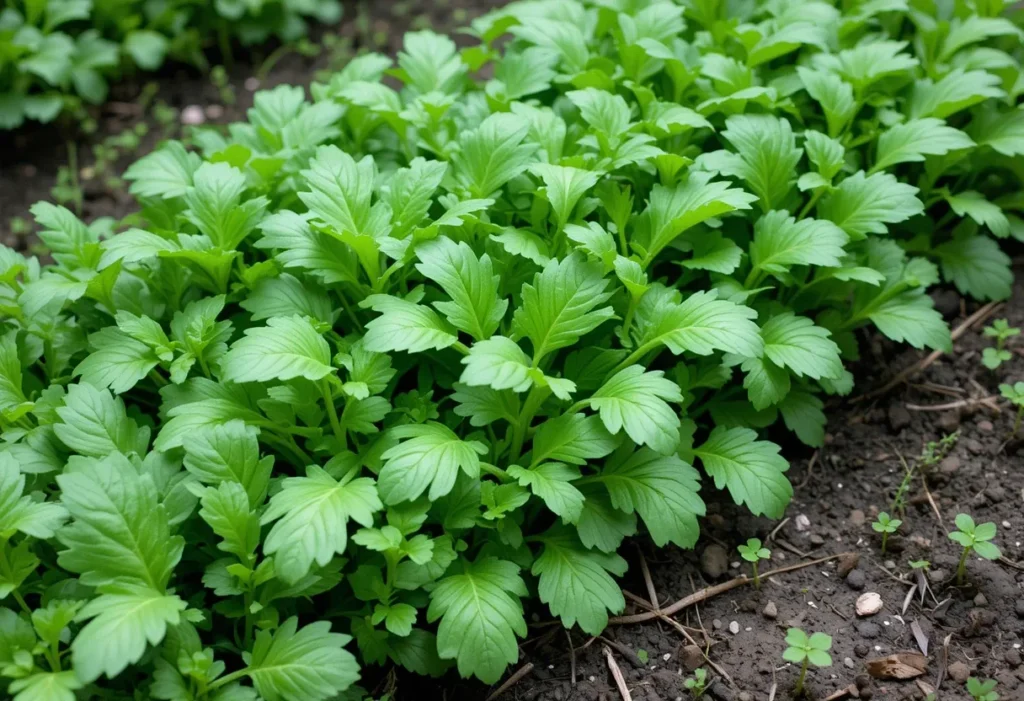
Arugula is a fast-growing cool-season leafy green that flourishes in gardens with filtered sunlight, producing tender leaves with a distinctive peppery flavor. Growing it in cooler, low-light conditions helps delay bolting, allowing you to enjoy fresh harvests for a longer period before the plant flowers. Sow seeds every two to three weeks for continuous production, keep the soil evenly moist, and harvest the outer leaves regularly to encourage new growth. Its compact size also makes arugula an excellent choice for containers, raised beds, and small vegetable gardens.
9. Broccoli – A Productive Choice for Cooler, Low-Light Gardens
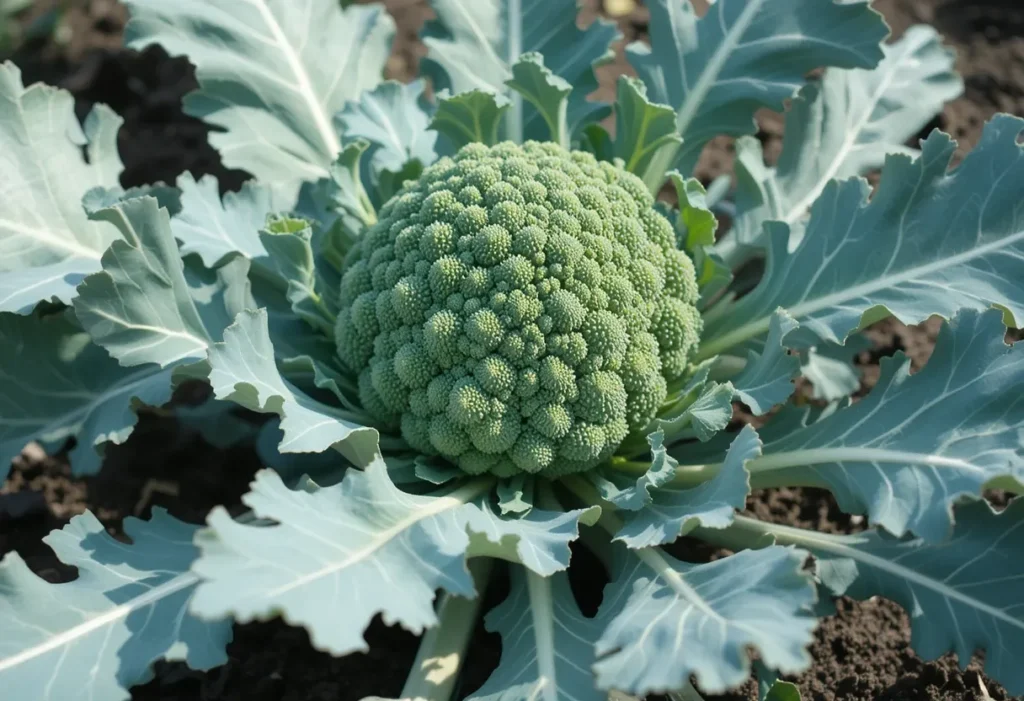
Broccoli is a cool-season vegetable that grows well in partially shaded gardens, especially in regions with warm summers. Reduced sun exposure helps prevent heat stress, allowing the plant to develop firm, flavorful heads instead of flowering too quickly. Grow broccoli in fertile, moisture-retentive soil and water consistently to support healthy growth throughout the season. After harvesting the central head, leave the plant in place, as many varieties continue producing tender side shoots for several weeks, extending your harvest.
10. Cauliflower – Tender Heads for Cooler, Shaded Gardens
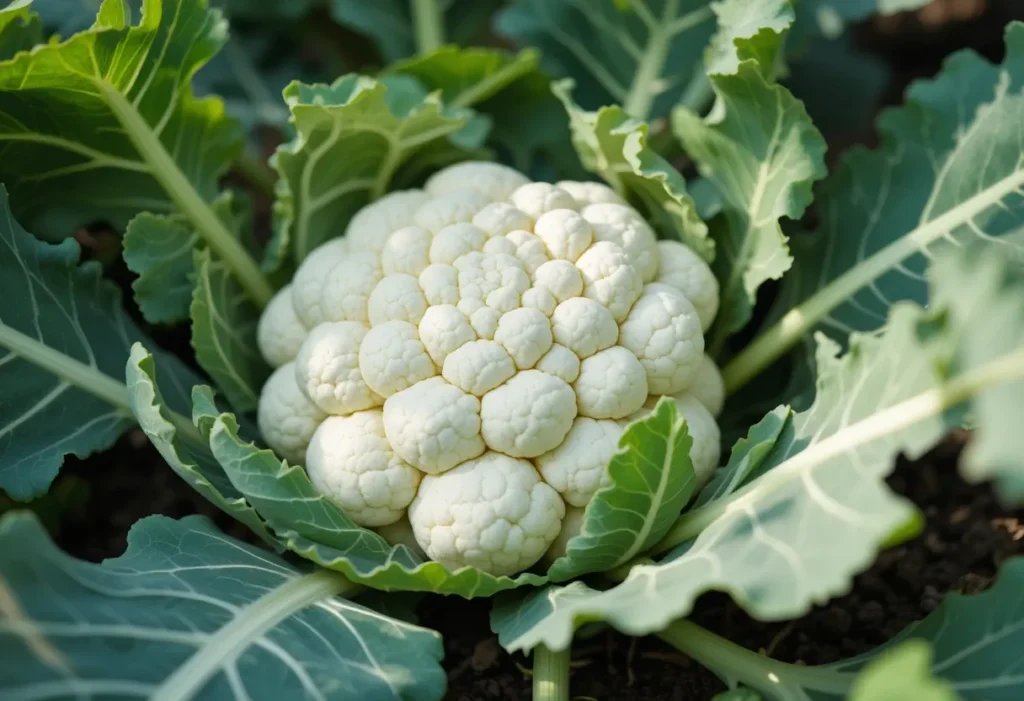
Cauliflower is a cool-season brassica that performs well in gardens with limited sunlight, particularly in warmer regions where intense afternoon sun can reduce head quality. Growing it in cooler conditions helps produce compact, creamy-white heads while minimizing discoloration and premature flowering. Plant cauliflower in fertile, compost-enriched soil that retains moisture, and water consistently to encourage steady growth. Self-blanching varieties are especially easy to grow, while regular harvesting at full size ensures the best flavor and texture.
11. Green Beans – Productive Pods for Partially Shaded Gardens
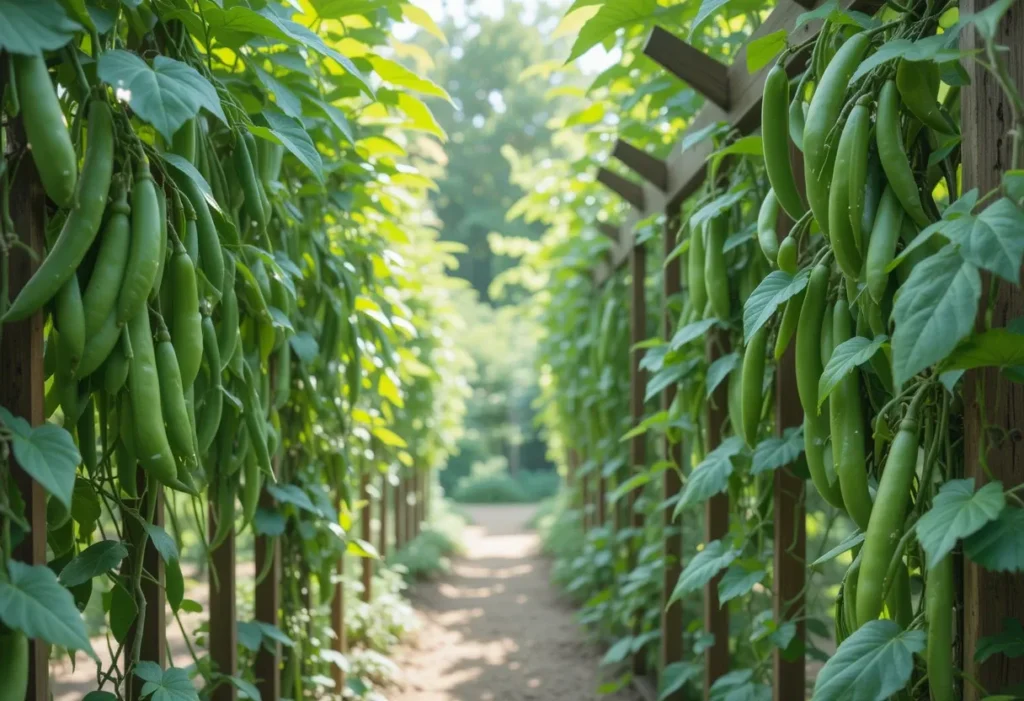
Green beans, particularly bush varieties, can produce reliable harvests in gardens with filtered sunlight, although they generally yield more heavily in full sun. In warmer climates, a little afternoon shade can help reduce heat stress and keep the pods tender. Plant them in fertile, well-drained soil and water consistently to encourage healthy growth and crisp, flavorful beans. If you’re growing pole beans, provide a sturdy trellis or stakes to support climbing vines and improve air circulation. Like other legumes, green beans naturally enrich the soil by fixing nitrogen, making them a valuable addition to vegetable gardens.
12. Peas – Sweet Pods for Cooler, Low-Light Gardens
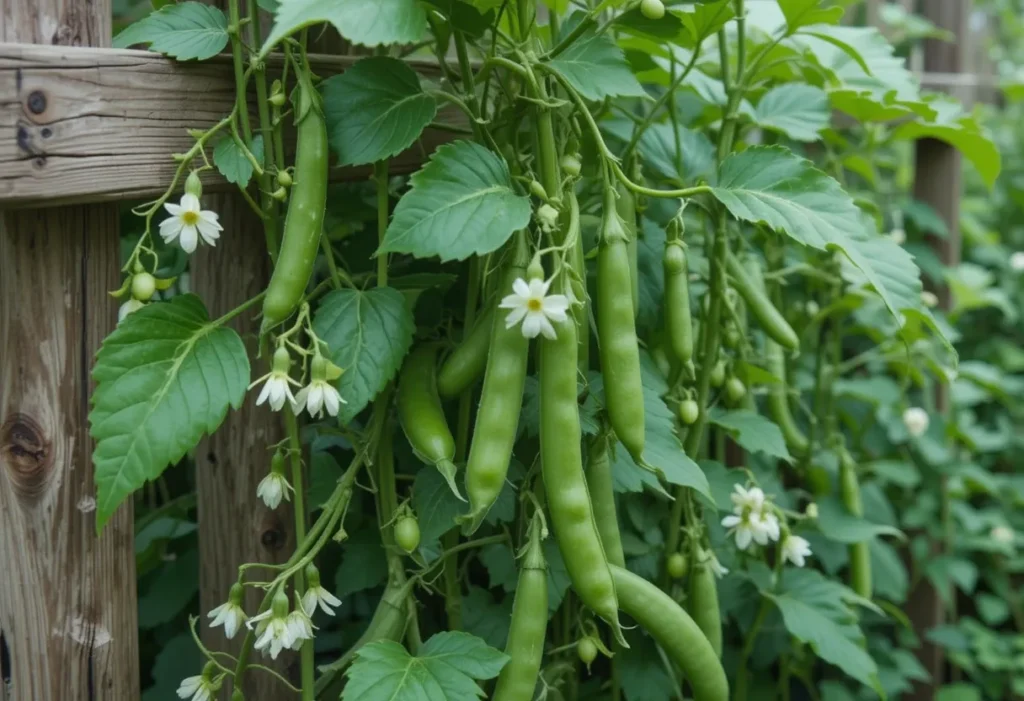
Peas are a cool-season legume that grows well in partially shaded gardens, especially during spring and fall when temperatures are mild. A little afternoon shade helps protect the plants from heat stress, encouraging sweeter pods and extending the harvest season. Sow seeds in fertile, well-drained soil and provide a trellis, fence, or other support for climbing varieties to improve airflow and make harvesting easier. Pick pods regularly to stimulate continued production, and enjoy the added benefit of peas naturally enriching the soil by fixing nitrogen for future crops.
13. Brussels Sprouts – A Hardy Choice for Cooler, Low-Light Gardens
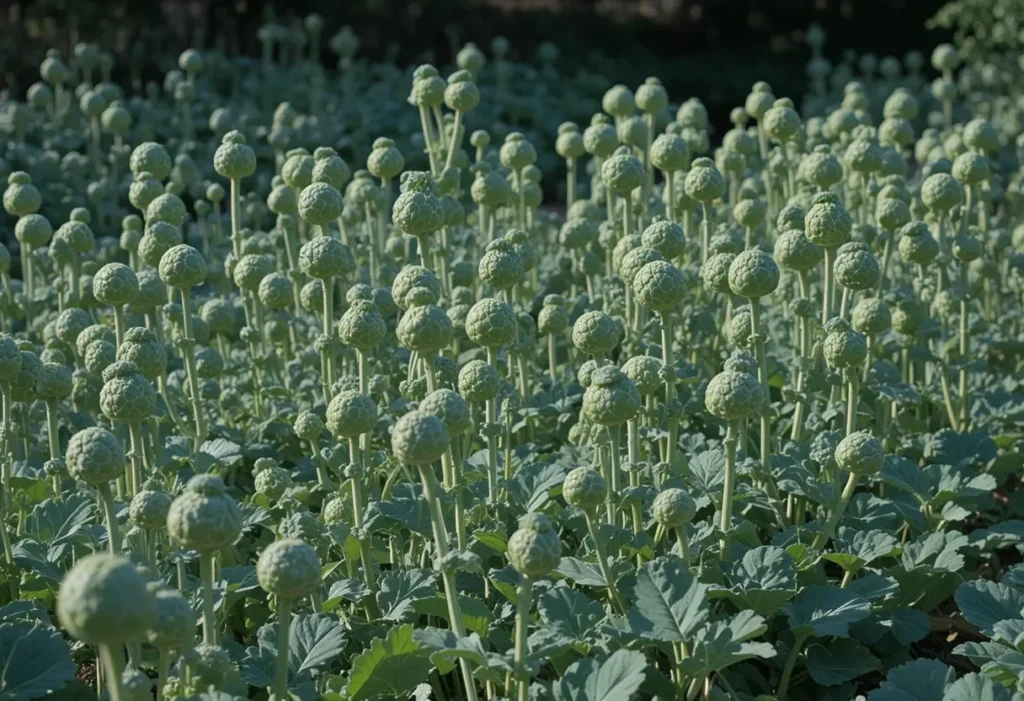
Brussels sprouts are a cool-season brassica that performs well in gardens with limited sunlight, producing compact, cabbage-like sprouts along tall, sturdy stalks. Cooler growing conditions encourage slower, steadier development, which often results in a sweeter, milder flavor. Plant them in fertile, organic-rich soil and keep the moisture level consistent throughout the growing season to support healthy growth. Beyond their generous harvest, these upright plants add height and visual interest to raised beds and vegetable gardens.
14. Mustard Greens – Fast-Growing Leaves for Shady Garden Spaces
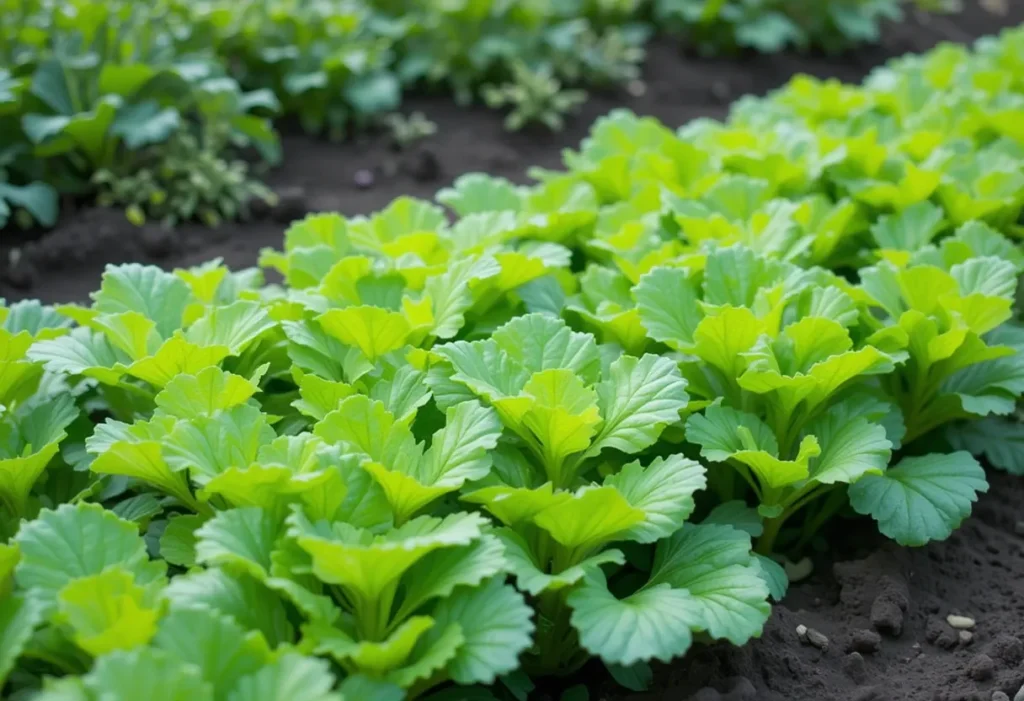
Mustard greens are a quick-growing leafy crop that thrives in partially shaded areas, producing flavorful leaves with a mild to spicy kick. Cooler conditions help slow bolting and keep the foliage tender for a longer harvesting period, making them a great choice for spring and fall gardens. Plant them in fertile, moisture-retentive soil and harvest the outer leaves regularly to encourage continuous regrowth. These versatile greens can be enjoyed fresh in salads, cooked into savory dishes, or added to soups and stir-fries.
15. Endive – Crisp Greens for Cooler, Partially Shaded Gardens
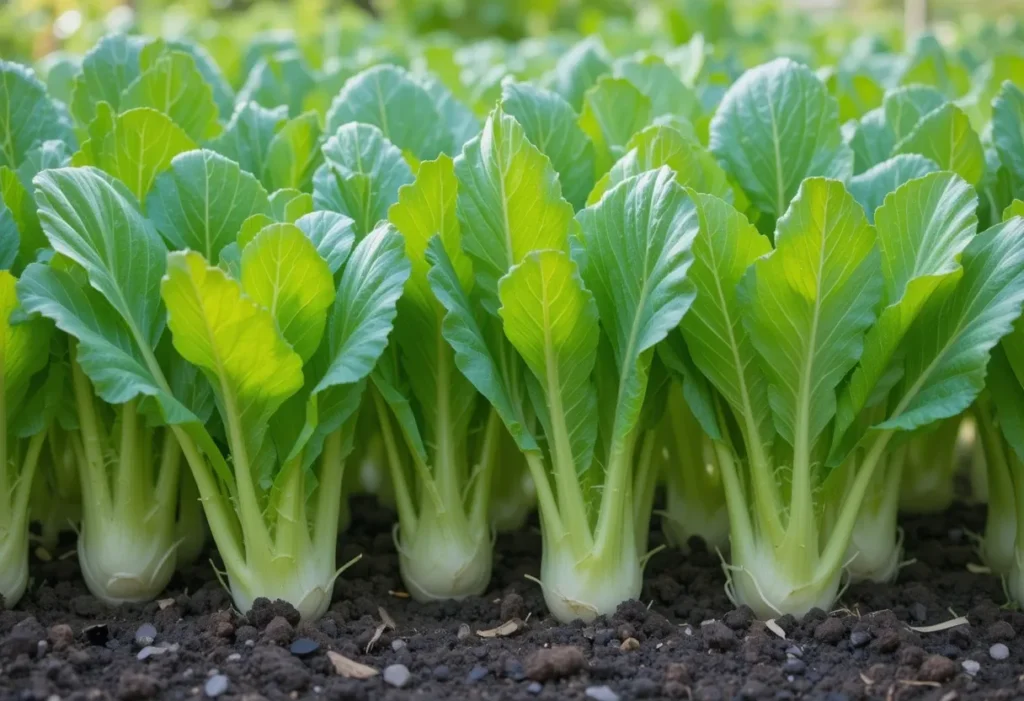
Endive is a cool-season leafy vegetable that performs well in gardens with filtered sunlight, producing crisp leaves with a slightly bitter flavor that adds depth to salads and cooked dishes. Growing it in cooler, less intense light helps slow bolting and prevents the leaves from becoming overly bitter too quickly. Plant endive in fertile, well-drained soil and keep moisture levels consistent to encourage healthy, tender growth. Harvest the outer leaves regularly, or allow the heads to mature fully for a crisp and flavorful addition to your garden harvest.
16. Collard Greens – A Resilient Leafy Crop for Cooler Gardens
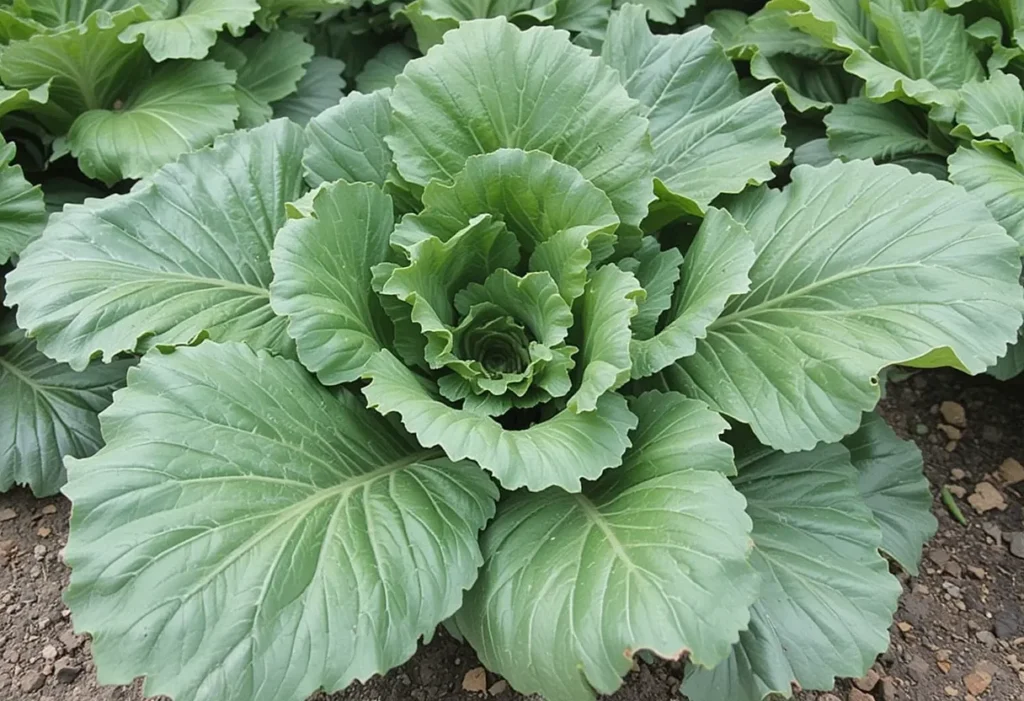
Collard greens are a hardy cool-season vegetable that adapts well to partially shaded garden spaces, producing large, nutrient-rich leaves even when sunlight is limited. Their broad, dark green foliage stays tender in cooler conditions, and they often develop a milder flavor compared with kale. Growing collards away from intense afternoon sun can help reduce leaf scorching and extend the harvesting window. Plant them in fertile, compost-enriched soil, keep the moisture consistent, and harvest the outer leaves regularly to encourage continued production.
17. Parsnips – Sweet Roots for Cooler Garden Spaces
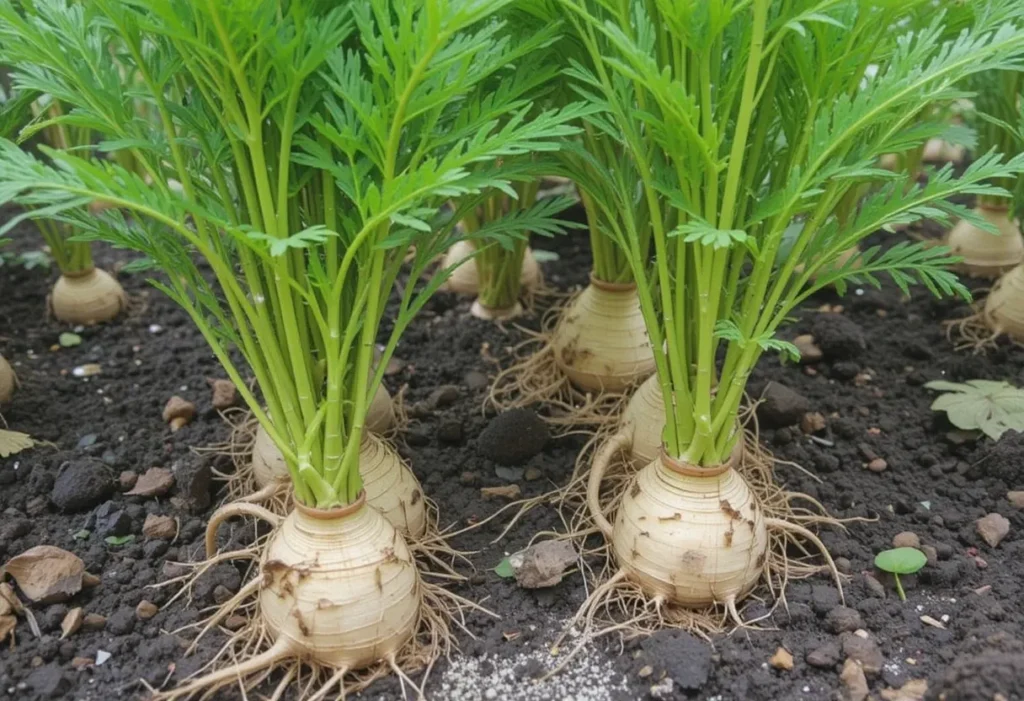
Parsnips are a cold-hardy root crop related to carrots that can perform well in partially shaded gardens, developing creamy, sweet roots when grown in cool, loose soil. Although they require a longer growing season, the slower growth encouraged by cooler conditions often improves their natural sweetness and helps prevent tough, woody roots. Prepare the soil deeply by removing stones and debris, and keep moisture levels consistent throughout the season. Thin seedlings early to give each plant enough room to form large, smooth roots with a rich, nutty flavor.
18. Leeks – Mild Onion Flavor for Partially Shaded Gardens
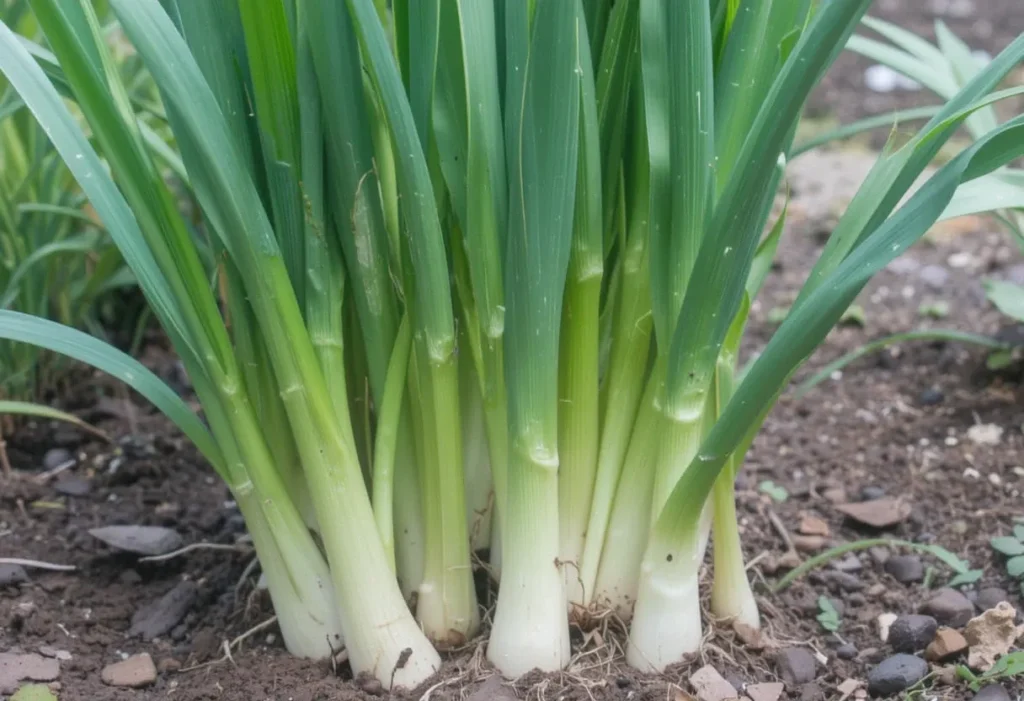
Leeks are a hardy all-season vegetable that adapt well to gardens with limited sunlight, producing tender stalks with a mild, sweet onion flavor. They grow steadily in cooler conditions and can tolerate some shade, which helps protect the plants from excessive heat and moisture loss. Plant leeks in fertile, well-drained soil enriched with compost, and keep the ground consistently moist to encourage thick, flavorful stalks. As the plants mature, gradually mound soil around the base to create longer, blanched stems that are perfect for soups, stews, and savory dishes.
19. Celery – Crisp Stalks for Moist, Low-Light Gardens
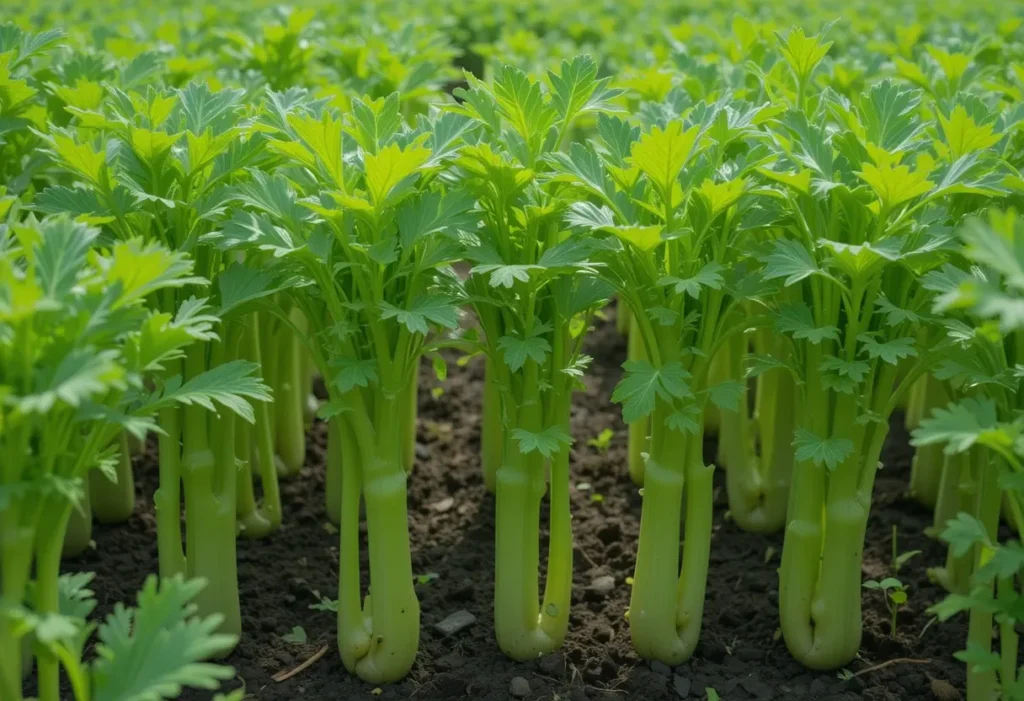
Celery is a cool-loving vegetable that performs best in moist, partially shaded garden areas, where cooler temperatures help the stalks stay crisp and flavorful. Unlike many crops that struggle with heat, celery benefits from protection against intense afternoon sun, which can cause bitterness and tough growth. Grow it in rich, moisture-retentive soil and provide consistent watering to encourage thick, juicy stalks. With the right care, this versatile crop can provide a fresh harvest for salads, soups, and cooking throughout the growing season.
20. Tatsoi – A Fast-Growing Asian Green for Cooler Gardens
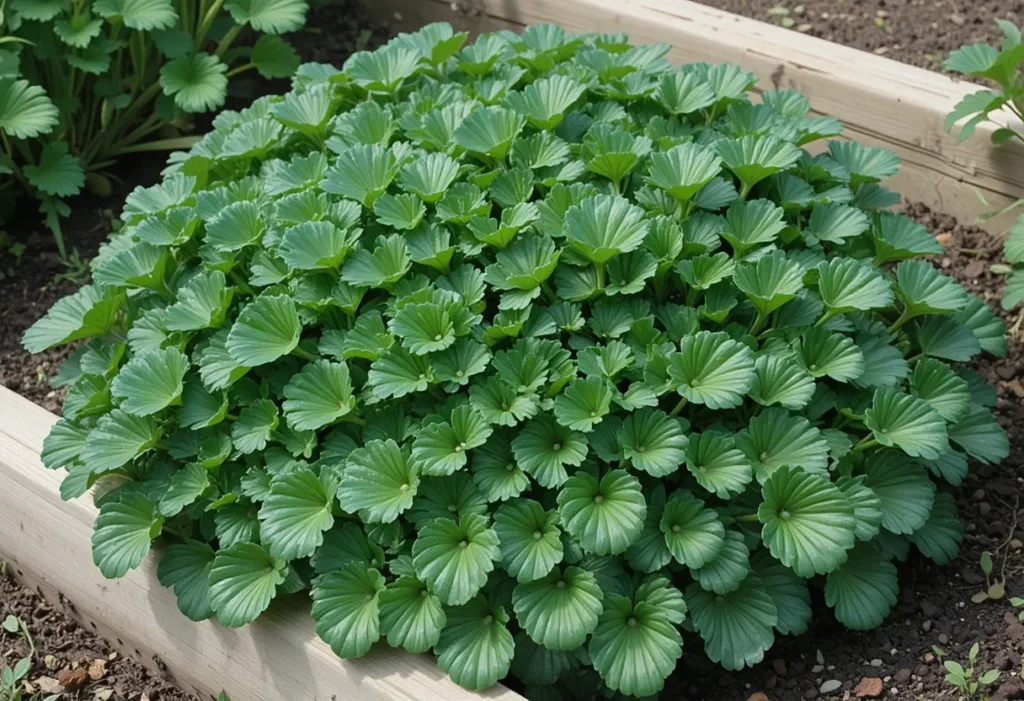
Tatsoi is a compact leafy vegetable that thrives in partially shaded growing areas, producing glossy, spoon-shaped leaves with a mild mustard-like flavor. This Asian green prefers cooler temperatures, and growing it away from harsh afternoon sun helps prevent bolting while extending the harvest period. Plant tatsoi in fertile, moisture-retentive soil and harvest the outer leaves regularly to encourage continuous growth. Its small size makes it an excellent choice for containers, raised beds, and gardeners looking to maximize fresh produce in limited spaces.
Tips for Growing Vegetables That Grow in Shade for Bigger Harvests
Growing a productive shaded vegetable garden is possible when you choose suitable crops and provide the right growing conditions. While shade-loving vegetables may grow more slowly than those in full sun, smart gardening techniques can help you enjoy healthier plants and more consistent harvests.
1. Understand Your Garden’s Shade Levels
Not all shade is the same. Most edible crops perform best in partial shade, which usually means receiving around 3–6 hours of sunlight per day. Areas with morning sun and afternoon shade are often ideal because plants receive enough light while being protected from intense heat. Deep shade with very little sunlight may limit vegetable production.
2. Choose Crops Suited for Lower-Light Conditions
Selecting the right plants is the key to success in a shaded garden. Focus on shade-tolerant vegetables, especially leafy greens, root crops, and cool-season varieties. Vegetables like spinach, kale, lettuce, radishes, and Swiss chard often perform better in cooler, less sunny areas than heat-loving crops.
3. Improve Soil Quality with Compost
Shaded areas can sometimes have slower soil drying and reduced plant growth, so nutrient-rich soil is essential. Add compost, aged manure, or organic matter before planting to improve soil structure, increase nutrients, and encourage strong root development. Healthy soil helps plants make the most of the available sunlight.
Healthy soil is also essential for ornamental plants, and similar techniques can be applied when creating a thriving cottage garden.
4. Avoid Overwatering Shaded Beds
Because shaded garden spaces lose moisture more slowly than sunny areas, overwatering can lead to root problems and fungal diseases. Check the soil regularly and water only when the top layer begins to dry. Good drainage is especially important for root vegetables growing in cooler conditions.
5. Maximize Available Sunlight
Make the most of every ray of sunlight by placing plants where they receive the brightest available light. Trim overgrown branches, remove unnecessary obstacles, and use light-colored mulch or reflective surfaces to help bounce sunlight toward plants. Even an extra hour of light can improve growth.
6. Harvest Regularly to Encourage New Growth
Frequent harvesting keeps many shaded crops productive for longer periods. Pick outer leaves from greens like lettuce, kale, and Swiss chard instead of removing the entire plant. For vegetables such as peas and beans, regular harvesting encourages the plant to produce more pods.
7. Use Raised Beds and Containers
Raised beds and containers can improve drainage, soil quality, and plant placement in shady gardens. They also allow you to move smaller crops to areas with better light when needed. Container gardening is especially useful for compact spaces, balconies, or gardens affected by nearby buildings and trees.
8. Protect Plants from Common Shade Garden Problems
Cool, damp conditions can attract pests like slugs and snails. Use mulch carefully, provide good airflow between plants, and remove damaged leaves quickly. Proper spacing helps reduce moisture-related diseases and keeps plants healthier.
9. Plant According to the Season
Many shade-friendly vegetables are cool-season crops that perform best in spring and fall. Growing them during milder weather allows them to develop better flavor and prevents problems like bolting. In warmer climates, partial shade can even extend the growing season by protecting plants from extreme heat.
10. Practice Succession Planting
For a continuous supply of fresh produce, sow quick-growing crops such as radishes, lettuce, and arugula every few weeks. Succession planting ensures that new plants are always replacing harvested crops, helping you maintain a productive shaded garden throughout the season.
Common Mistakes When Growing Vegetables in Shade
Growing vegetables in shaded areas can be successful, but avoiding common mistakes is important for a healthy harvest.
- Choosing the wrong crops: Avoid planting sun-loving vegetables like tomatoes, peppers, and squash. Instead, select shade-tolerant crops such as leafy greens, root vegetables, and cool-season plants.
- Ignoring sunlight levels: Not all shade is equal. Most edible crops perform best with 3–6 hours of sunlight or bright filtered light rather than deep shade.
- Overwatering plants: Shaded gardens stay moist longer, so excessive watering can cause root problems and fungal diseases. Always check soil moisture before watering.
- Poor soil preparation: Limited sunlight can slow growth, making nutrient-rich soil even more important. Add compost or organic matter to support stronger plants.
- Planting too closely: Crowded plants compete for light, nutrients, and airflow. Proper spacing helps reduce diseases and encourages better growth.
By avoiding these mistakes and choosing suitable crops, even a low-light garden can become a productive source of fresh vegetables.
Frequently Asked Questions
Wrap-Up
A shaded backyard doesn’t have to limit your gardening goals. With the right shade-tolerant vegetables, healthy soil, and proper growing techniques, even areas with limited sunlight can become productive spaces filled with fresh, homegrown produce. From leafy greens and root crops to cool-season favorites, many plants thrive in partially shaded gardens and reward you with flavorful harvests throughout the growing season.
By understanding your garden’s light conditions, choosing suitable crops, and following simple care practices, you can turn overlooked corners into thriving vegetable patches. A successful garden doesn’t always require full sun, sometimes, the right plants and thoughtful planning are all it takes to enjoy a steady supply of fresh vegetables at home.
If you want to expand your backyard space further, explore more garden shed ideas to create a functional area for storing tools and supplies.