23 Unkillable Indoor Plants That Are Almost Impossible to Kill (Beginner-Friendly Guide)
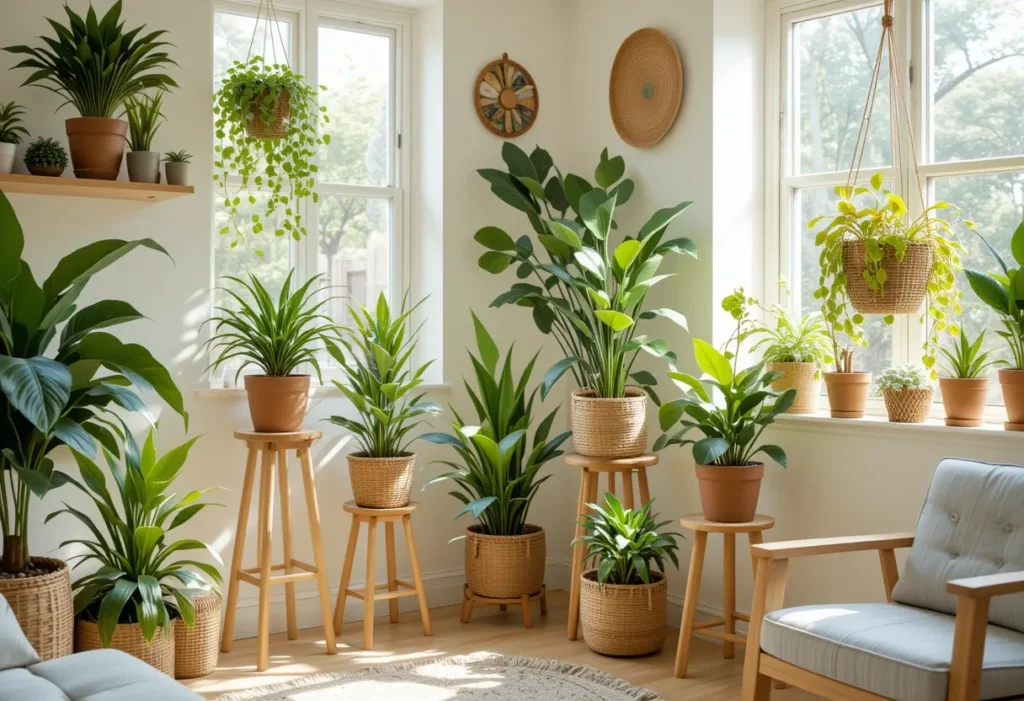
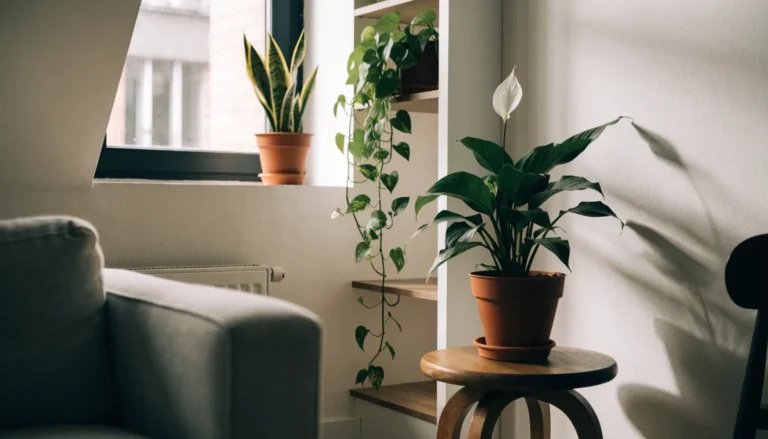
Bringing greenery indoors is one of the easiest ways to make your home feel calmer, brighter, and more inviting. The problem? Many people assume they need a green thumb to keep houseplants alive. In reality, some of the best unkillable indoor plants are surprisingly forgiving and can handle missed waterings, low-light corners, and the occasional bout of neglect. If you’re decorating a darker room, our guide to Low-Light Indoor Plants can help you choose the best varieties. Pet owners should also check out our collection of Pet-Friendly Indoor Plants before bringing home a new plant.
What makes these plants so resilient? Many have naturally adapted to survive harsh environments by storing water in their leaves, stems, or roots, while others evolved to thrive beneath forest canopies where sunlight is limited. These built-in survival traits make them far more tolerant of common beginner mistakes than delicate houseplants.
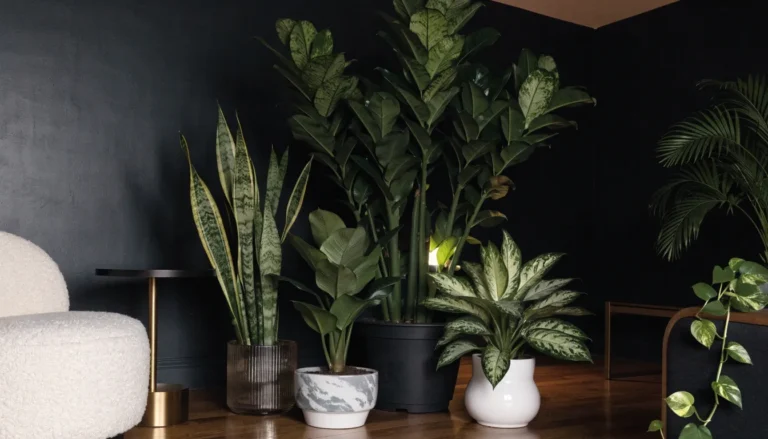
Choosing the right plant also depends on your home and lifestyle. If your rooms receive very little natural light, plants like the Snake Plant, ZZ Plant, and Chinese Evergreen are excellent choices. If you have sunny windows, succulents such as Aloe Vera, Jade Plant, and Echeveria will thrive. Busy schedules, frequent travel, pet-friendly households, and small apartments all call for different plants, and selecting one that matches your environment is the key to long-term success.
In this guide, you’ll discover 23 hard-to-kill indoor plants that stay healthy with minimal care. For each plant, you’ll learn why it’s so resilient, its scientific name, ideal light conditions, watering needs, growth habits, pet safety, and simple care tips to help it thrive for years. Whether you’re buying your very first houseplant or looking to expand your indoor jungle with low-maintenance favorites, you’ll find an option that fits your space and lifestyle.
🌿 Expert Tip
Most indoor plants don’t die because they’re ignored, they die because they’re overwatered. If you’re unsure whether it’s time to water, check the soil first. For many beginner-friendly houseplants, waiting an extra day or two is much safer than watering too soon.
Table of Contents
Quick Comparison: Which Unkillable Indoor Plant Is Right for You?
| Plant | Low Light | Drought Tolerant | Pet Safe | Beginner Friendly | Growth Speed |
|---|---|---|---|---|---|
| Spider Plant | ⭐⭐⭐ | ⭐⭐⭐ | ✅ | ⭐⭐⭐⭐⭐ | Fast |
| Snake Plant | ⭐⭐⭐⭐⭐ | ⭐⭐⭐⭐⭐ | ❌ | ⭐⭐⭐⭐⭐ | Slow–Moderate |
| Pothos | ⭐⭐⭐⭐ | ⭐⭐⭐⭐ | ❌ | ⭐⭐⭐⭐⭐ | Fast |
| ZZ Plant | ⭐⭐⭐⭐⭐ | ⭐⭐⭐⭐⭐ | ❌ | ⭐⭐⭐⭐⭐ | Slow |
| Peace Lily | ⭐⭐⭐⭐ | ⭐⭐ | ❌ | ⭐⭐⭐⭐ | Moderate |
| Chinese Evergreen | ⭐⭐⭐⭐⭐ | ⭐⭐⭐ | ❌ | ⭐⭐⭐⭐⭐ | Slow |
| Cast Iron Plant | ⭐⭐⭐⭐⭐ | ⭐⭐⭐⭐ | ✅ | ⭐⭐⭐⭐⭐ | Very Slow |
| Philodendron | ⭐⭐⭐⭐ | ⭐⭐⭐ | ❌ | ⭐⭐⭐⭐⭐ | Fast |
| Rubber Plant | ⭐⭐⭐ | ⭐⭐⭐ | ❌ | ⭐⭐⭐⭐ | Moderate |
| Aloe Vera | ⭐⭐ | ⭐⭐⭐⭐⭐ | ❌ | ⭐⭐⭐⭐⭐ | Slow |
| Dieffenbachia | ⭐⭐⭐ | ⭐⭐⭐ | ❌ | ⭐⭐⭐⭐ | Moderate |
| Tradescantia | ⭐⭐⭐ | ⭐⭐⭐ | ⚠️ | ⭐⭐⭐⭐ | Very Fast |
| Jade Plant | ⭐⭐ | ⭐⭐⭐⭐⭐ | ❌ | ⭐⭐⭐⭐⭐ | Slow |
| Dracaena | ⭐⭐⭐⭐⭐ | ⭐⭐⭐ | ❌ | ⭐⭐⭐⭐⭐ | Slow–Moderate |
| English Ivy | ⭐⭐⭐ | ⭐⭐⭐ | ❌ | ⭐⭐⭐⭐ | Fast |
| Calathea | ⭐⭐⭐ | ⭐⭐ | ✅ | ⭐⭐⭐ | Moderate |
| Haworthia | ⭐⭐⭐ | ⭐⭐⭐⭐⭐ | ✅ | ⭐⭐⭐⭐⭐ | Slow |
| Lucky Bamboo | ⭐⭐⭐⭐ | ⭐⭐ | ❌ | ⭐⭐⭐⭐⭐ | Slow |
| Boston Fern | ⭐⭐⭐ | ⭐ | ✅ | ⭐⭐⭐ | Moderate |
| Echeveria | ⭐ | ⭐⭐⭐⭐⭐ | ✅ | ⭐⭐⭐⭐⭐ | Slow |
| Oxalis | ⭐⭐⭐ | ⭐⭐ | ❌ | ⭐⭐⭐⭐ | Moderate |
| Peperomia | ⭐⭐⭐⭐ | ⭐⭐⭐ | ✅ | ⭐⭐⭐⭐⭐ | Slow |
| Air Plants | ⭐⭐⭐⭐ | ⭐⭐⭐ | ✅ | ⭐⭐⭐⭐ | Slow |
Legend
Beginner Friendly: More stars indicate easier care and greater forgiveness of common mistakes.
Low Light: ⭐ = Needs bright light • ⭐⭐⭐⭐⭐ = Thrives in low-light rooms
Drought Tolerant: ⭐ = Needs frequent watering • ⭐⭐⭐⭐⭐ = Can go weeks without water
Pet Safe: ✅ = Non-toxic • ❌ = Toxic to cats and/or dogs • ⚠️ = Use caution
Why Are Some Indoor Plants Almost Impossible to Kill?
Not all houseplants require constant attention. Many of the most unkillable indoor plants have naturally adapted to survive challenging environments, making them far more forgiving than delicate tropical varieties. Whether they come from deserts or shaded forest floors, these plants have built-in features that help them thrive with minimal care.
Many low-maintenance indoor plants store water in their leaves, stems, or underground roots, allowing them to go days, or even weeks, without watering. Others tolerate low-light conditions and continue growing even in rooms that don’t receive much natural sunlight. Their slow growth also means they need less frequent repotting, pruning, and feeding than faster-growing houseplants.
While no plant is completely impossible to kill, these easy-care houseplants can recover from common beginner mistakes, such as occasionally forgetting to water them or placing them in less-than-ideal lighting. By choosing resilient plants and providing the basics—well-draining soil, the right amount of light, and occasional watering, you can enjoy healthy indoor greenery without spending hours on maintenance.
How We Chose These Unkillable Indoor Plants
Not every low-maintenance houseplant earned a place on this list. We selected these indoor plants based on qualities that make them especially forgiving for beginners and busy plant owners.
To be included, each plant met several of the following criteria:
- Resilience: Able to recover from occasional missed watering or minor care mistakes.
- Adaptability: Performs well in common indoor environments, including homes with varying light levels.
- Beginner-Friendly Care: Requires minimal pruning, feeding, and maintenance.
- Water Efficiency: Many store moisture in their leaves, stems, or roots, making them more tolerant of drought.
- Availability: Widely available through garden centers, nurseries, and online plant retailers.
- Long-Term Growth: Attractive, durable plants that can thrive indoors for many years with basic care.
While no houseplant is completely impossible to kill, the varieties featured in this guide are among the most forgiving and reliable choices for creating a healthy, low-maintenance indoor garden.
1. Spider Plant (Chlorophytum comosum)
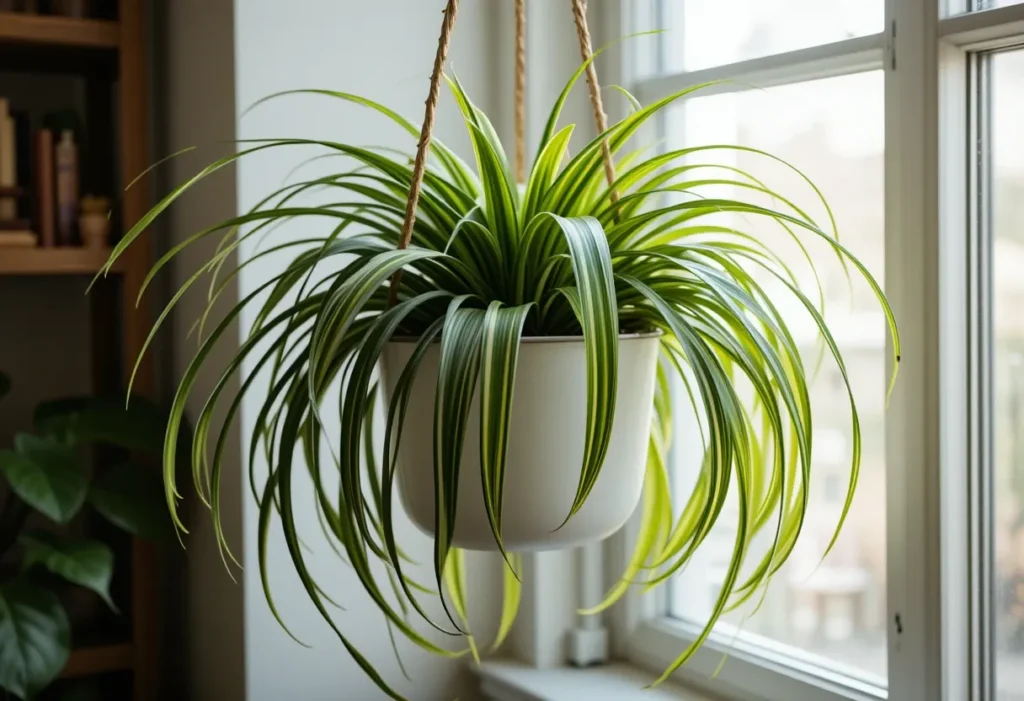
The Spider Plant is one of the easiest and most rewarding houseplants for beginners. Its graceful arching leaves, often striped in green and creamy white, instantly brighten shelves, desks, hanging baskets, or windowsills. Best of all, it’s incredibly forgiving, making it one of the most unkillable indoor plants you can grow.
Spider plants tolerate occasional missed waterings, adapt to a wide range of indoor light conditions, and bounce back quickly if they’re a little neglected. As they mature, they produce long stems with tiny “spiderettes” (baby plants) that can be propagated to grow new plants or shared with friends.
Interesting Fact: Spider plants produce dozens of baby plantlets called “spiderettes,” making them one of the easiest houseplants to propagate and share.
Growth Speed: Fast under bright indirect light.
Mature Size: 12–24 inches tall with trailing stems up to 3 feet long.
Best Room: Living rooms, kitchens, and bright home offices.
Average Lifespan: 20+ years with proper care.
2. Snake Plant (Dracaena trifasciata)
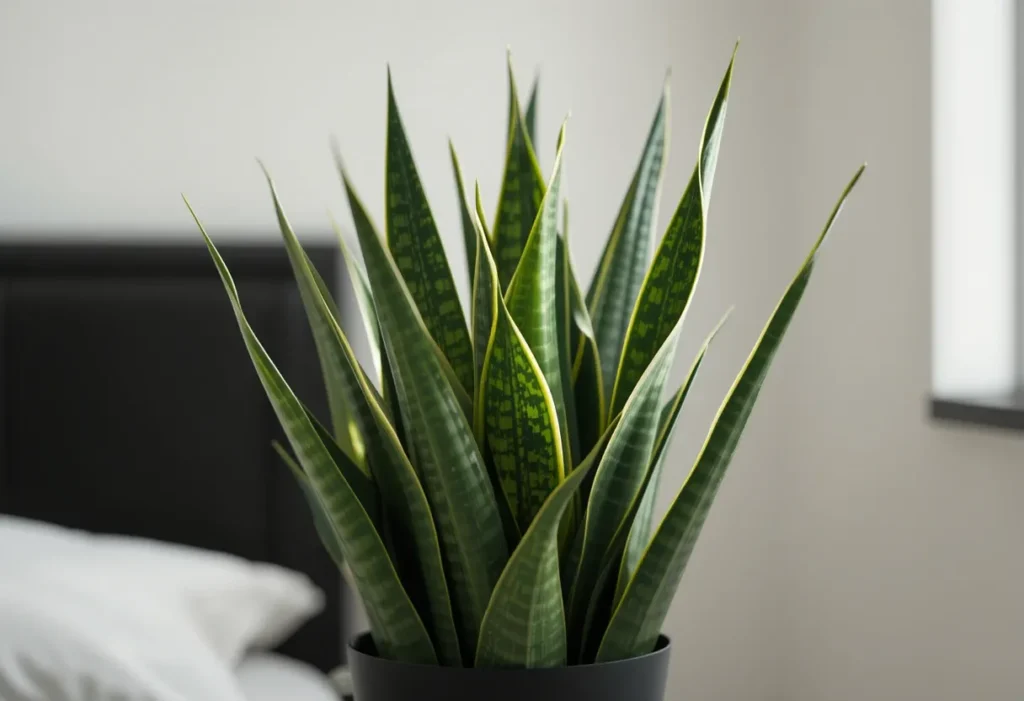
With its tall, upright leaves and striking green patterns, the Snake Plant is one of the toughest houseplants you can own. Frequently recommended for beginners, it’s famous for surviving missed waterings, low-light conditions, and busy lifestyles, making it a top choice among unkillable indoor plants.
Native to the dry regions of West Africa, snake plants naturally store water in their thick, succulent-like leaves. This allows them to withstand long periods without watering while maintaining their bold, architectural appearance. Whether placed in a bedroom, office, or living room, they add a modern touch with very little effort.
Interesting Fact: Snake plants use a specialized form of photosynthesis (CAM), allowing them to conserve water and tolerate long dry periods.
Common Mistake: Watering before the soil has completely dried out.
Growth Speed: Slow to moderate.
Mature Size: 2–5 feet tall depending on the variety.
Best Room: Bedrooms, offices, and low-light corners.
Average Lifespan: 15–25 years.
3. Pothos (Epipremnum aureum)
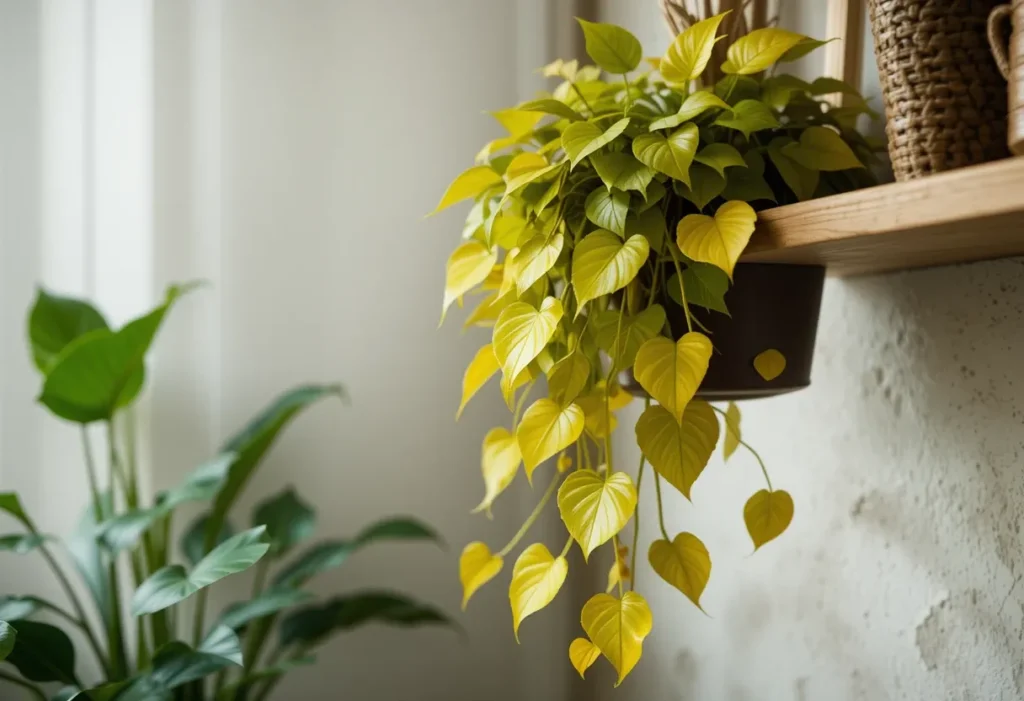
If you’re looking for a houseplant that’s both beautiful and nearly effortless to grow, Pothos is hard to beat. Known for its cascading vines and heart-shaped leaves splashed with green, yellow, or cream variegation, this fast-growing plant instantly adds life to shelves, bookcases, hanging baskets, and plant stands. It’s one of the most low-maintenance indoor plants and a favorite among beginners.
Pothos is remarkably adaptable. It continues to grow in a variety of indoor environments, tolerates occasional missed waterings, and can thrive in lower light than many other trailing houseplants. With minimal care, its vines can stretch several feet long, creating a lush indoor display.
Interesting Fact: In tropical climates, pothos vines can grow over 40 feet long.
Common Mistake: Leaving the soil constantly wet.
Growth Speed: Fast.
Mature Size: Indoor vines commonly reach 6–10 feet.
Best Room: Living rooms, shelves, hanging baskets, and offices.
Average Lifespan: 10+ years.
4. ZZ Plant (Zamioculcas zamiifolia)
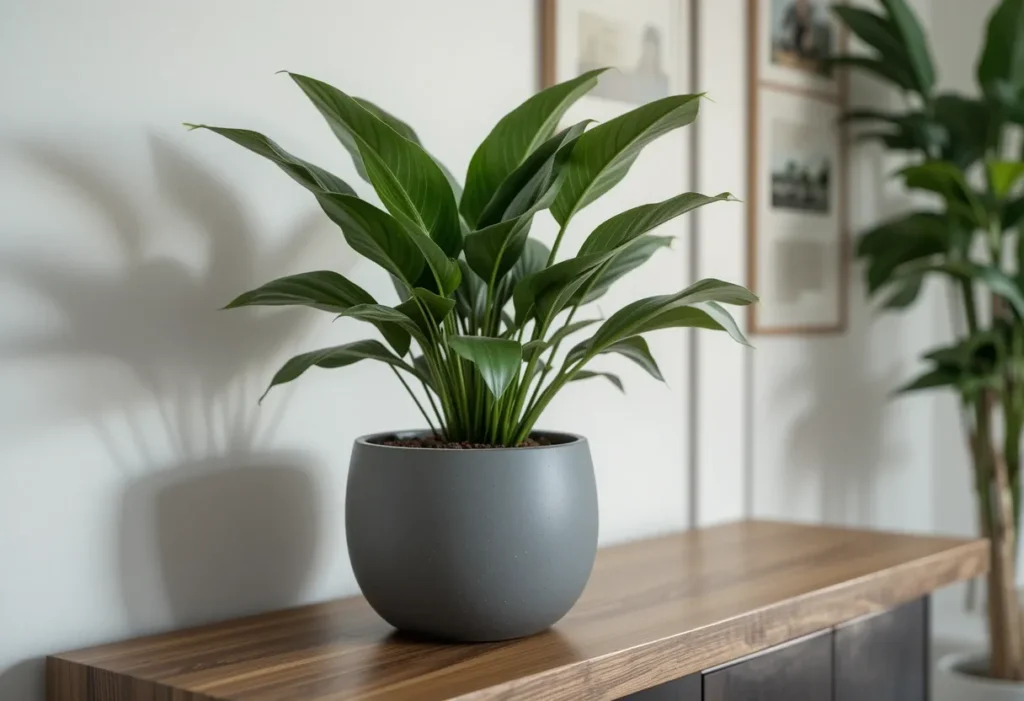
The ZZ Plant is one of the toughest and most reliable houseplants for beginners. Its glossy, deep green leaves and upright stems give it a sleek, modern look, while its incredible ability to tolerate neglect has earned it a reputation as one of the most unkillable indoor plants available.
Native to eastern Africa, the ZZ plant stores water in thick underground rhizomes, allowing it to survive for weeks without watering. It also handles low-light conditions exceptionally well, making it an excellent choice for offices, apartments, bedrooms, and other rooms with limited natural light.
Interesting Fact: The thick underground rhizomes act like natural water tanks.
Common Mistake: Watering on a schedule instead of checking the soil.
Growth Speed: Slow.
Mature Size: 2–4 feet tall.
Best Room: Offices, bedrooms, apartments.
Average Lifespan: 15–20 years.
5. Peace Lily (Spathiphyllum spp.)
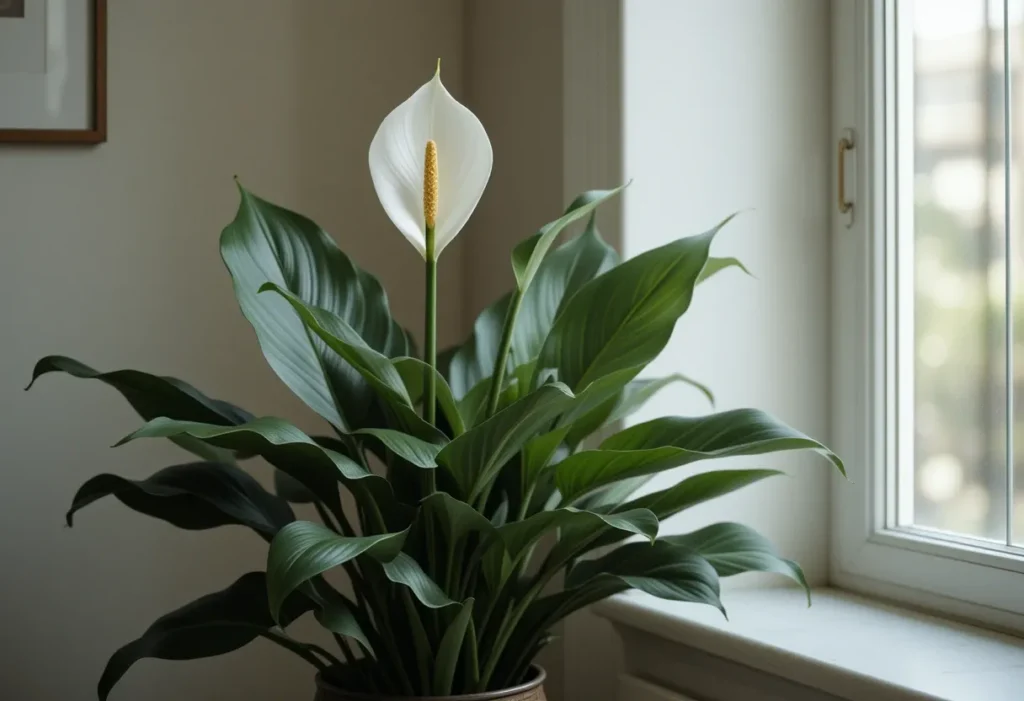
With its glossy, deep green leaves and elegant white blooms, the Peace Lily brings a fresh, calming feel to any indoor space. Although it looks delicate, it’s surprisingly forgiving and one of the best low-maintenance indoor plants for beginners. It even lets you know when it’s thirsty by gently drooping its leaves, then quickly perks back up after watering.
Peace lilies thrive in typical indoor conditions and tolerate lower light better than many flowering houseplants. Their ability to adapt, combined with their lush appearance, makes them a popular choice for bedrooms, living rooms, and offices.
Interesting Fact: Peace lilies visibly droop when thirsty, making them one of the easiest flowering plants to water correctly.
Growth Speed: Moderate.
Mature Size: 1–4 feet.
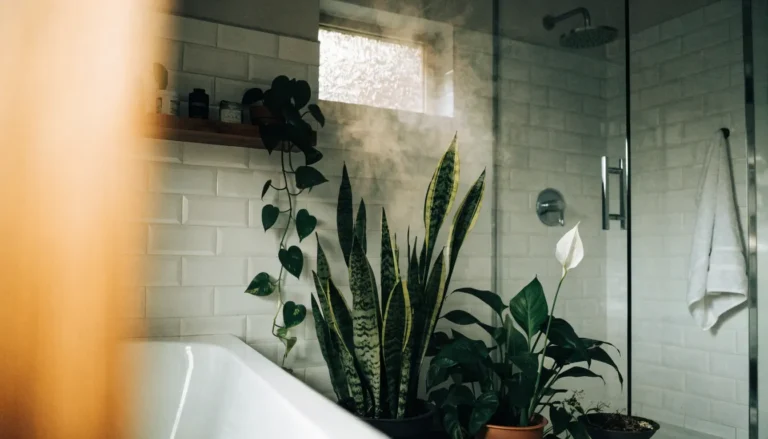
Best Room: Bedrooms, bathrooms, living rooms.
Average Lifespan: 5–10 years.
6. Chinese Evergreen (Aglaonema spp.)
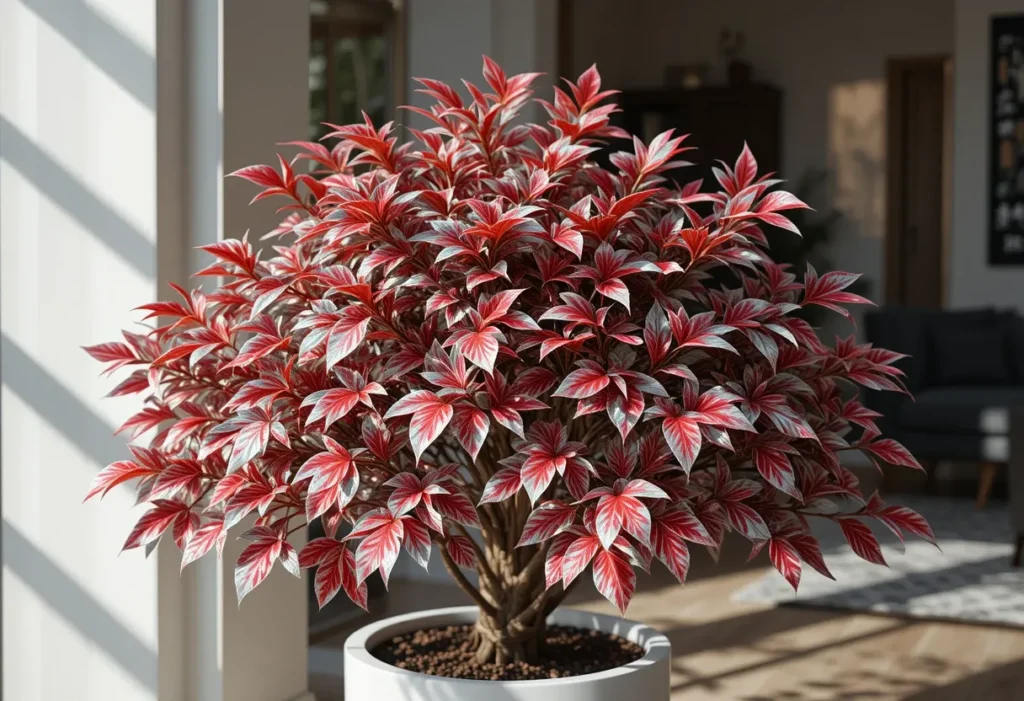
The Chinese Evergreen is a favorite among beginner gardeners thanks to its colorful foliage and easy-going nature. Available in shades of green, silver, pink, and red, this attractive houseplant adds year-round color while requiring very little attention. Its ability to tolerate low light and occasional neglect makes it one of the most unkillable indoor plants for homes and offices.
Unlike many tropical plants, Chinese Evergreens adapt well to typical indoor environments and continue to look healthy even if you occasionally forget to water them. Their slow, steady growth and striking leaves make them a stylish choice for brightening dark corners.
Interesting Fact: Modern hybrids come in pink, red, silver, and cream foliage.
Common Mistake: Exposing colorful varieties to deep shade, which reduces their vibrant leaf colors.
Growth Speed: Slow.
Mature Size: 1–3 feet.
Best Room: Offices and shaded living rooms.
Average Lifespan: 10 years or more.
7. Cast Iron Plant (Aspidistra elatior)
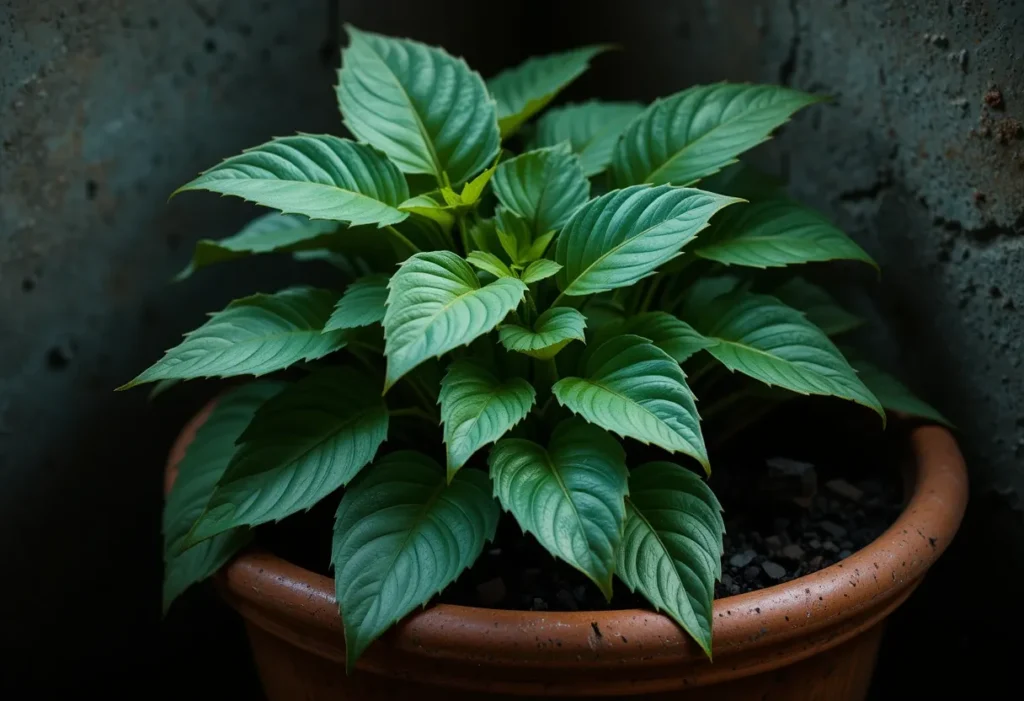
The Cast Iron Plant lives up to its name. Known for its remarkable toughness, this hardy houseplant can tolerate low light, inconsistent watering, and a wide range of indoor conditions that would challenge many other plants. If you’re searching for a truly hard-to-kill houseplant, this is one of the best choices.
Its broad, deep green leaves create a lush, elegant look without demanding much attention. Because it grows slowly and rarely complains about neglect, the Cast Iron Plant is perfect for offices, hallways, bedrooms, or any room with limited natural light.
Interesting Fact: It earned its name because it survives conditions that kill many other houseplants.
Growth Speed: Very slow.
Mature Size: 2–3 feet.
Best Room: Hallways, offices, dark corners.
Average Lifespan: Several decades.
8. Philodendron (Philodendron spp.)
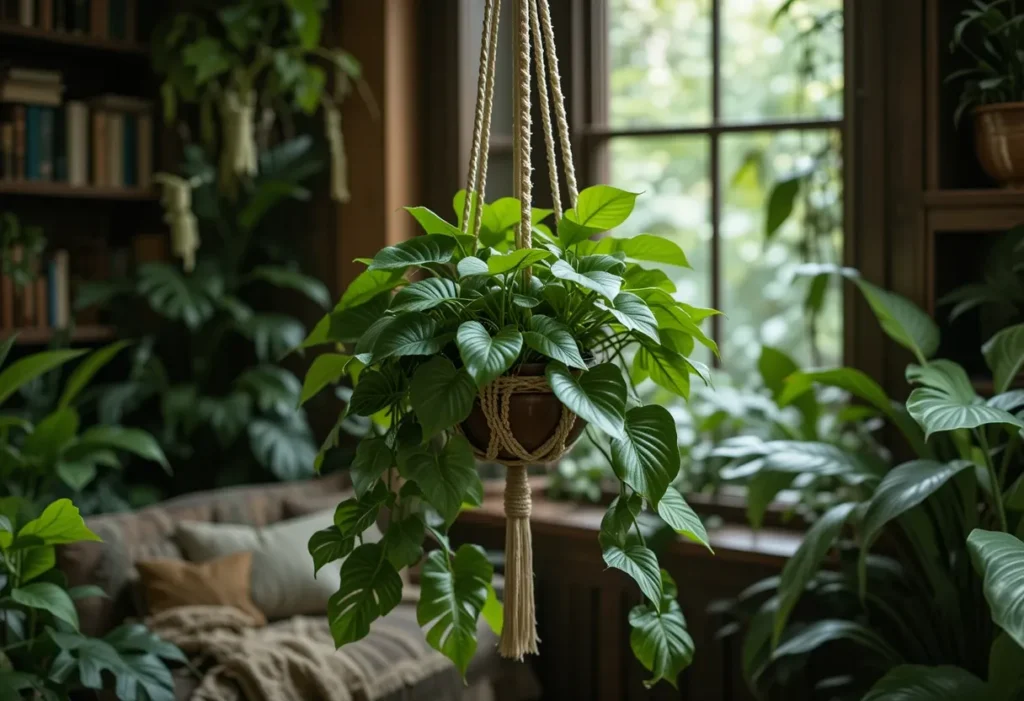
The Philodendron is one of the most popular easy-care houseplants, loved for its lush heart-shaped leaves and effortless growth. Whether you choose a trailing variety for a hanging basket or an upright type for a plant stand, this tropical beauty adds vibrant greenery to almost any indoor space with very little maintenance.
Philodendrons are naturally adaptable and forgiving, making them ideal for beginners and busy plant owners. They tolerate occasional missed waterings, grow well in average indoor humidity, and thrive in a range of lighting conditions, making them one of the most dependable low-maintenance indoor plants.
Interesting Fact: There are over 450 species of philodendrons worldwide.
Common Mistake: Too much direct afternoon sun.
Growth Speed: Fast.
Mature Size: Vines 10–20 feet indoors.
Best Room: Living rooms and hanging baskets.
Average Lifespan: 20+ years.
9. Rubber Plant (Ficus elastica)
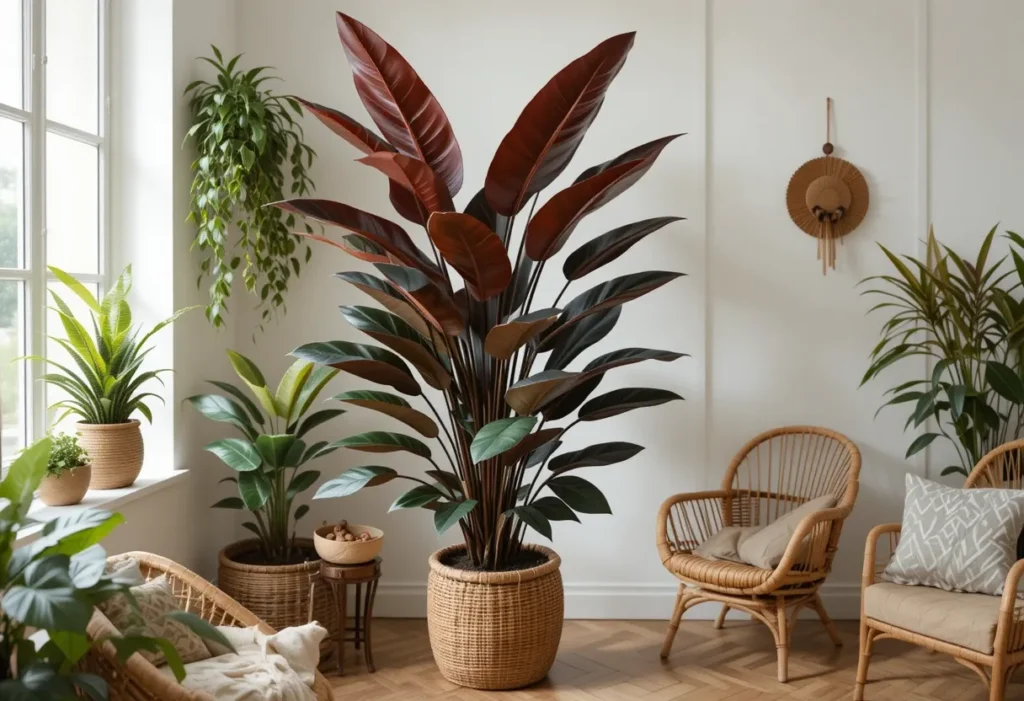
The Rubber Plant is a timeless favorite known for its large, glossy leaves and bold, upright growth. Despite its elegant appearance, it’s surprisingly easy to care for, making it one of the best low-maintenance indoor plants for beginners and busy households. Given the right spot, it can grow into a stunning statement plant with very little effort.
Rubber plants are adaptable and resilient, handling occasional missed waterings better than many leafy houseplants. Their thick, leathery leaves help reduce moisture loss, allowing the plant to stay healthy even if your watering routine isn’t always perfect.
Interesting Fact: In nature, rubber trees can exceed 100 feet tall.
Growth Speed: Moderate.
Mature Size: 6–10 feet indoors.
Best Room: Bright living rooms.
Average Lifespan: 15–25 years.
10. Aloe Vera (Aloe vera)
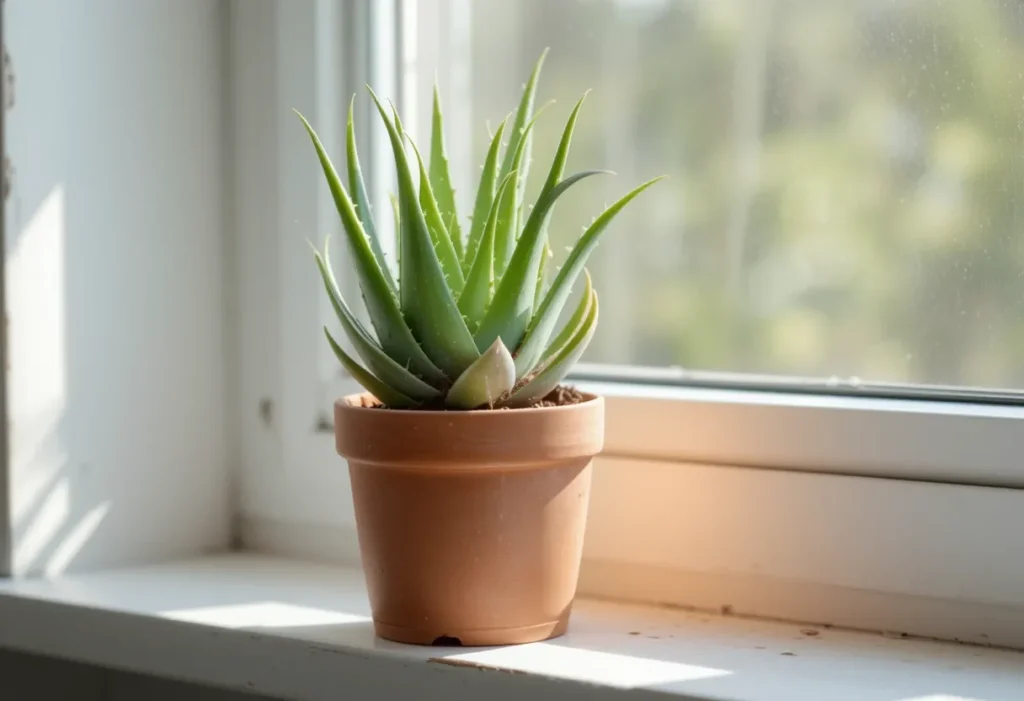
More than just an attractive succulent, Aloe Vera is one of the most practical and unkillable indoor plants you can grow. Its thick, fleshy leaves store water, allowing it to thrive with very little attention, while the soothing gel inside its leaves has long been valued for calming minor burns and skin irritation.
Because Aloe Vera is naturally adapted to dry climates, it’s an excellent choice for beginners or anyone who tends to forget watering. Place it on a sunny windowsill, and it will reward you with healthy growth while asking for very little in return.
Interesting Fact: Aloe gel has been used traditionally for soothing minor burns for centuries.
Common Mistake: Using regular potting soil instead of a fast-draining succulent mix.
Growth Speed: Slow.
Mature Size: 1–2 feet.
Best Room: Sunny kitchen windows or south-facing windows.
Average Lifespan: 10–20 years.
11. Dieffenbachia (Dieffenbachia spp.)
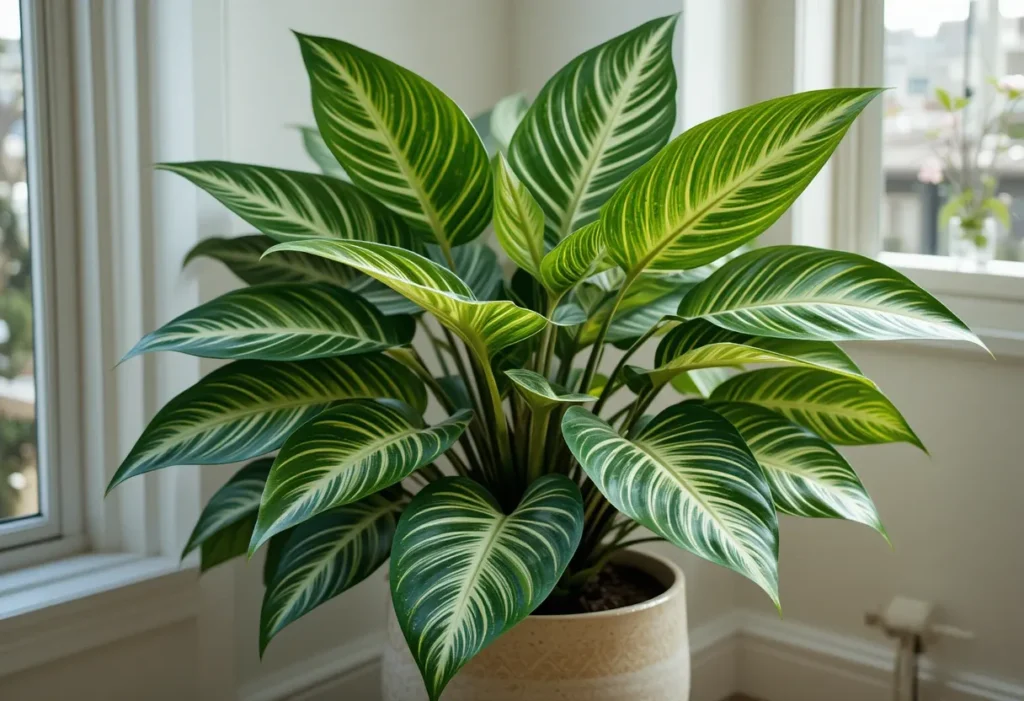
With its large, beautifully patterned leaves, Dieffenbachia, commonly known as Dumb Cane, is a striking houseplant that instantly brightens any room. While it has a lush, tropical appearance, it’s surprisingly easy to grow and adapts well to typical indoor conditions, making it a great choice for beginners looking for a low-maintenance indoor plant.
Dieffenbachia grows well in homes and offices where it receives filtered light and occasional watering. As long as you avoid overwatering and protect it from harsh direct sun, it will continue producing attractive foliage with very little effort.
Interesting Fact: Its nickname “Dumb Cane” comes from the temporary mouth irritation caused if the sap is chewed.
Growth Speed: Moderate.
Mature Size: 3–6 feet.
Best Room: Bright living rooms and offices.
Average Lifespan: 8–15 years.
12. Tradescantia (Tradescantia zebrina and related species)
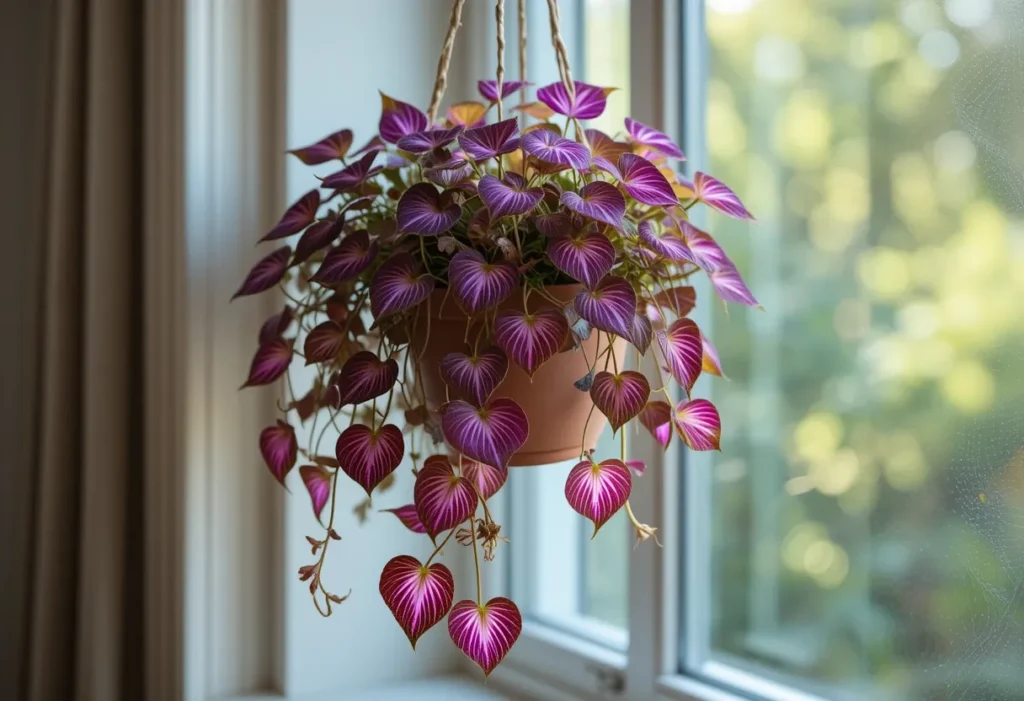
The Tradescantia, often called the Wandering Dude or Inch Plant, is a fast-growing trailing houseplant loved for its vibrant purple, green, and silver-striped foliage. Its colorful leaves and cascading stems make it a beautiful choice for hanging baskets, shelves, and plant stands. Better yet, it’s one of the easiest low-maintenance indoor plants to grow.
Tradescantia is naturally vigorous and forgiving. It grows quickly, recovers well from occasional neglect, and is easy to propagate from stem cuttings, allowing you to grow new plants with minimal effort. Even if you miss a watering now and then, it usually bounces back without lasting damage.
Interesting Fact: Stem cuttings often root in water within a week.
Growth Speed: Very fast.
Mature Size: Vines 2–4 feet long.
Best Room: Hanging baskets and shelves.
Average Lifespan: 5–10 years (easily renewed from cuttings)
13. Jade Plant (Crassula ovata)
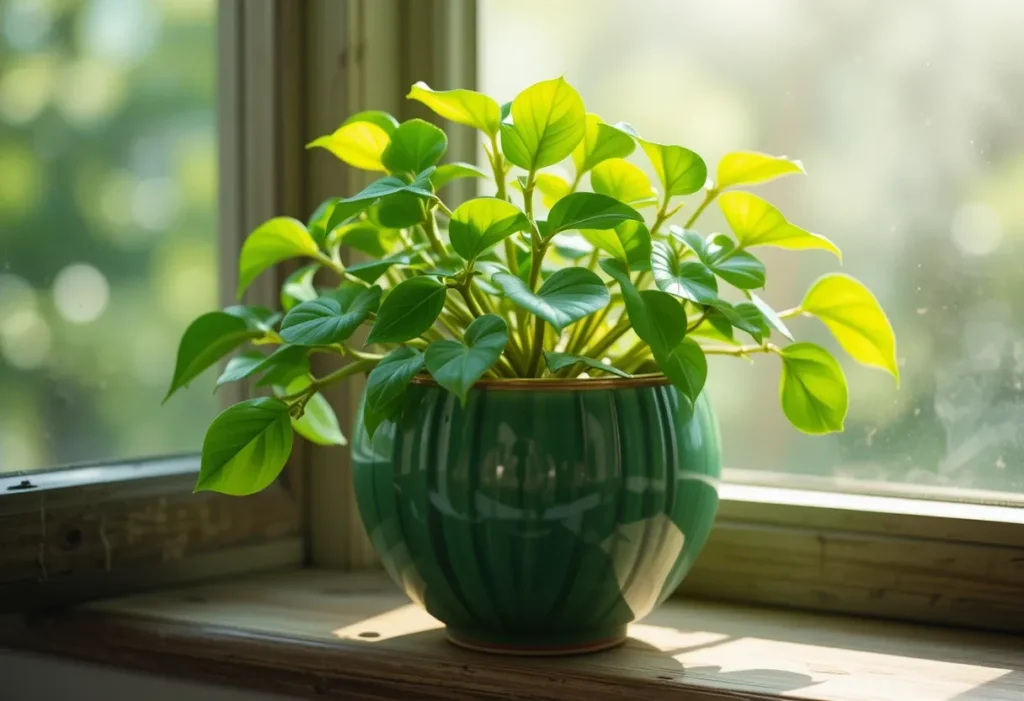
The Jade Plant is a long-lived succulent admired for its thick, glossy leaves and tree-like shape. Often associated with good luck and prosperity, it’s also one of the most resilient houseplants you can own. Thanks to its ability to store water in its fleshy leaves, this attractive plant asks for very little care, making it an excellent choice for beginners and busy plant owners alike.
Jade plants are naturally adapted to dry conditions, so they don’t mind if you occasionally forget to water them. With plenty of bright light and well-draining soil, they can thrive for decades, gradually developing sturdy stems and a miniature tree-like appearance that adds character to any indoor space.
Interesting Fact: Mature jade plants can develop thick trunks resembling miniature trees.
Common Mistake: Overwatering during winter dormancy.
Growth Speed: Slow.
Mature Size: 3–6 feet indoors.
Best Room: Sunny windows.
Average Lifespan: 50–100 years.
14. Dracaena (Dracaena spp.)
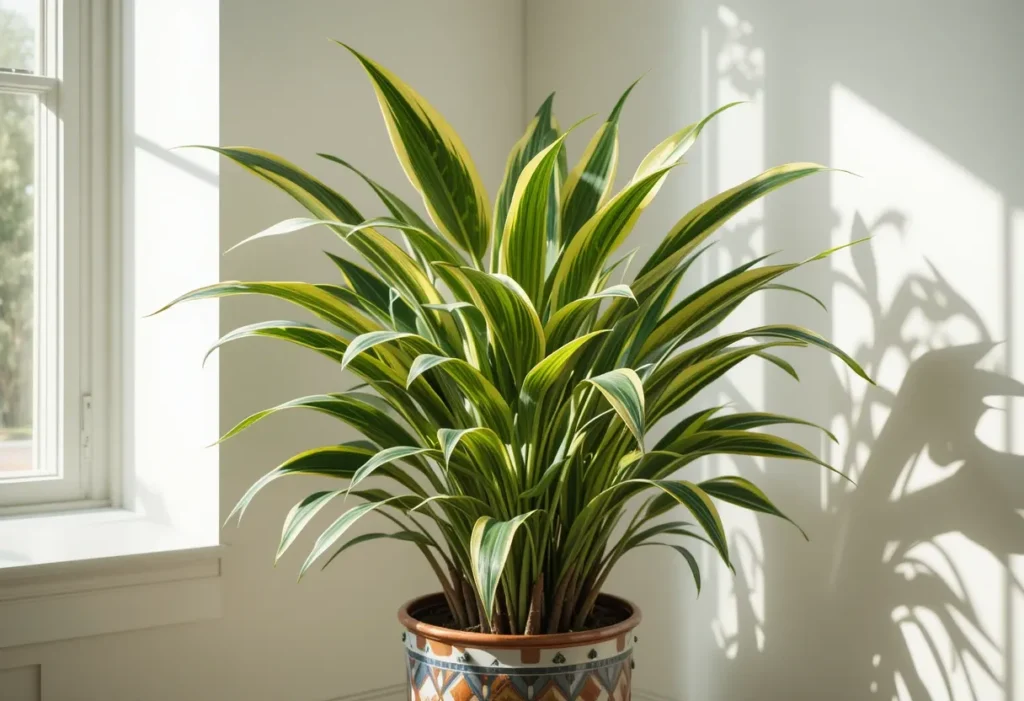
Looking for a houseplant that makes a statement without demanding constant care? Dracaena is an excellent choice. With its slender stems and graceful, sword-like leaves, often edged in shades of green, cream, or yellow, it brings height and elegance to any room. Even better, it’s one of the most beginner-friendly indoor plants, thriving happily with only occasional attention.
Dracaena adapts well to typical indoor environments and tolerates lower light better than many tropical plants. Its slow growth and ability to cope with irregular watering make it ideal for busy households, offices, and anyone who wants beautiful greenery without a demanding care routine.
Interesting Fact: Many varieties naturally filter airborne pollutants in controlled studies.
Growth Speed: Slow to moderate.
Mature Size: 3–8 feet indoors.
Best Room: Offices and living rooms.
Average Lifespan: 10–20 years.
15. English Ivy (Hedera helix)
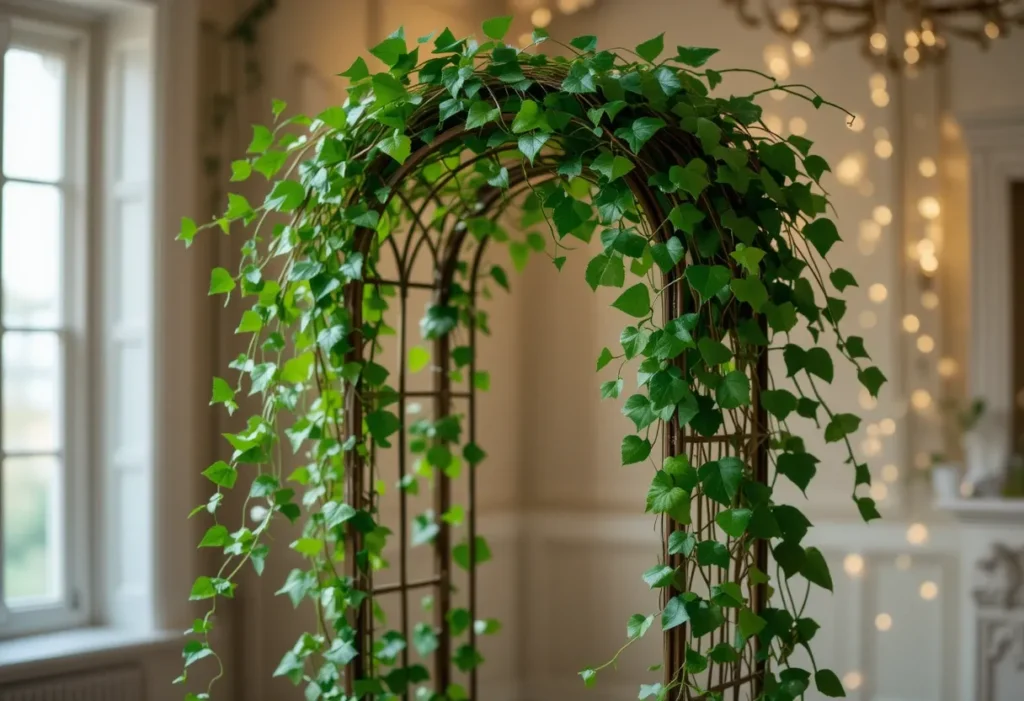
If you love cascading greenery, English Ivy is a classic choice that never goes out of style. Its elegant trailing vines and rich green leaves can soften shelves, brighten hanging baskets, or climb decorative trellises indoors. Despite its refined appearance, it’s a surprisingly easy-care houseplant that adapts well to a variety of indoor conditions.
Once established, English Ivy grows steadily with minimal attention. It tolerates occasional missed waterings, responds well to pruning, and can be trained to trail or climb, making it a versatile addition to both modern and traditional interiors.
Interesting Fact: English ivy can climb vertical walls using tiny aerial roots.
Common Mistake: Allowing the soil to dry out completely.
Growth Speed: Fast.
Mature Size: Vines 6–20 feet indoors.
Best Room: Hanging baskets and trellises.
Average Lifespan: Decades.
16. Calathea (Calathea spp.)
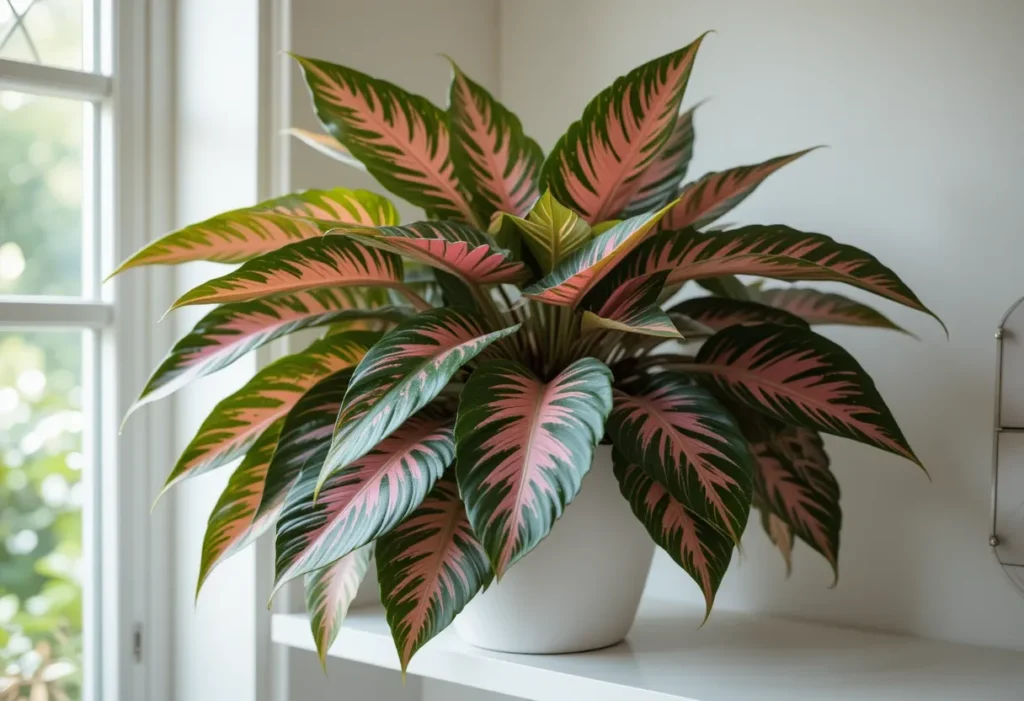
Known for its striking foliage, Calathea proves that a plant can be both eye-catching and relatively easy to care for. Its beautifully patterned leaves, featuring shades of green, silver, purple, and cream, make it a favorite for adding color and texture to indoor spaces. While it’s slightly more attentive than succulents, it’s still a great option for anyone looking to expand their collection with a low-maintenance indoor plant.
One of Calathea’s most fascinating features is its moving leaves, which gently lift in the evening and lower again during the day, a behavior that has earned it the nickname “prayer plant” (although true Prayer Plants belong to the Maranta genus). With consistent but simple care, Calathea rewards you with lush, vibrant foliage all year.
Interesting Fact: Its leaves gently move throughout the day in response to light.
Common Mistake: Low humidity causing brown leaf edges.
Growth Speed: Moderate.
Mature Size: 1–3 feet.
Best Room: Bathrooms or humid bedrooms.
Average Lifespan: 5–10 years.
17. Haworthia (Haworthia spp.)
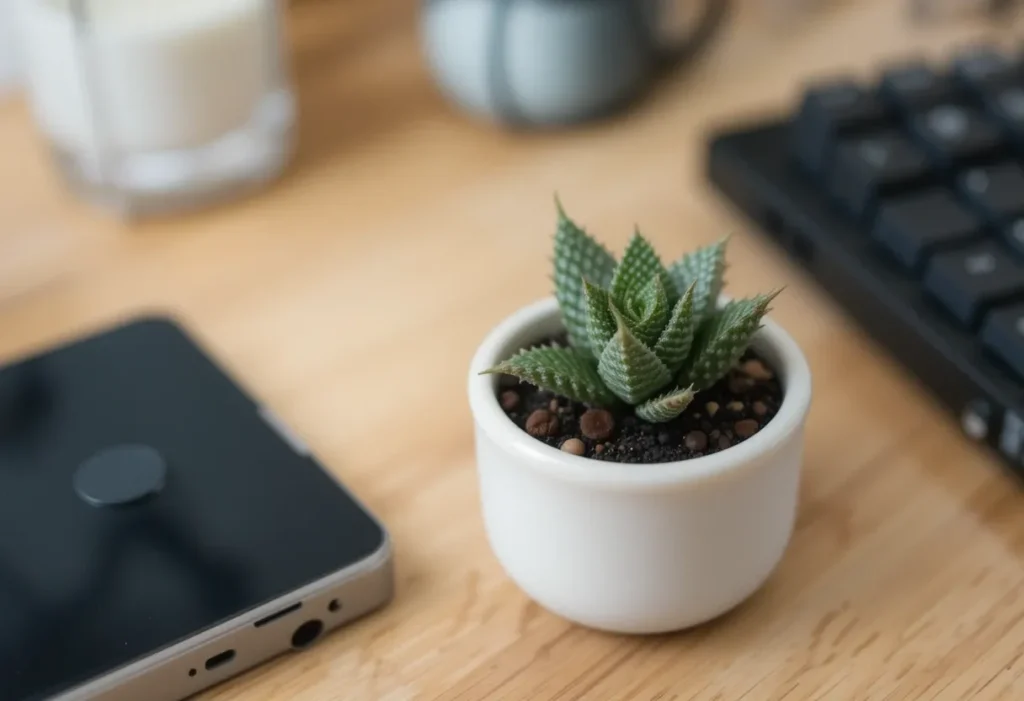
Small in size but incredibly tough, Haworthia is one of the best choices for anyone who wants a stylish houseplant without the hassle. Its compact rosettes of fleshy green leaves, often decorated with white stripes or raised patterns, fit perfectly on desks, windowsills, shelves, and small apartments. Thanks to its drought tolerance, it’s one of the most resilient indoor plants for beginners.
Unlike many succulents, Haworthia doesn’t need intense, all-day sunlight to thrive. It grows happily in bright indoor spaces with indirect light and can easily handle the occasional forgotten watering, making it ideal for busy lifestyles.
Interesting Fact: Haworthia tolerates lower indoor light better than many succulents.
Growth Speed: Slow.
Mature Size: 3–6 inches.
Best Room: Desks and office shelves.
Average Lifespan: 20–50 years.
18. Lucky Bamboo (Dracaena sanderiana)
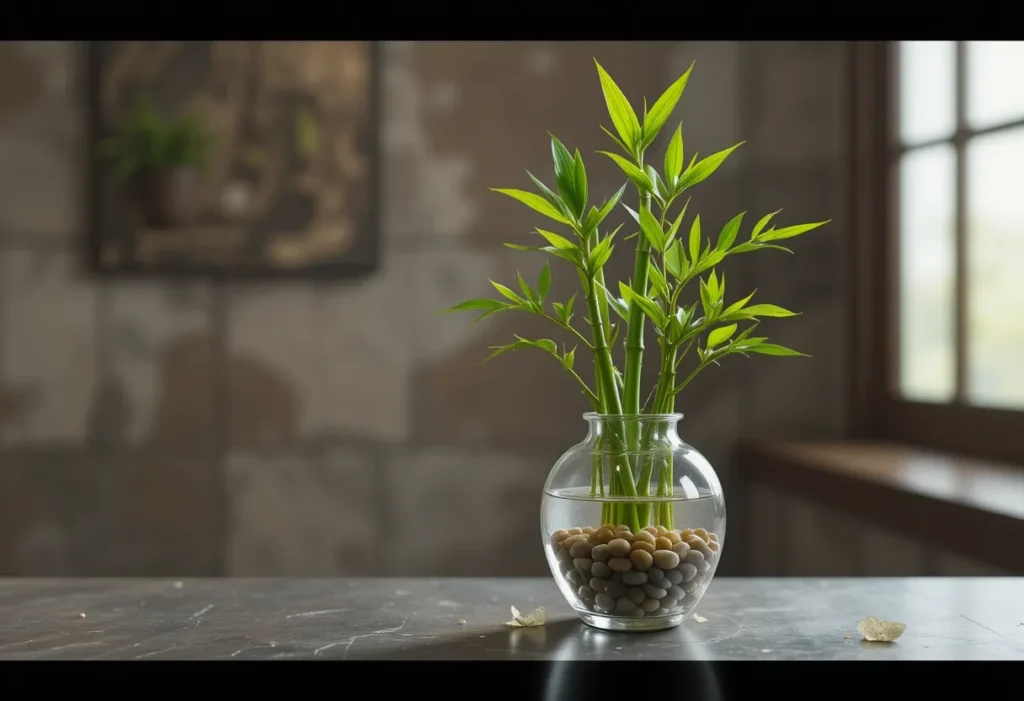
Don’t let the name fool you, Lucky Bamboo isn’t true bamboo at all. It’s actually a member of the Dracaena family, prized for its elegant green stalks and reputation as a symbol of luck, prosperity, and positive energy. More importantly, it’s one of the most beginner-friendly houseplants, thriving with very little care in homes and offices alike.
One of the reasons Lucky Bamboo is so popular is its versatility. It can grow in water with decorative pebbles or in well-draining potting soil, making it an easy choice for almost any indoor space. As long as it receives indirect light and clean water, it remains healthy and attractive with minimal effort.
Interesting Fact: Despite its name, Lucky Bamboo isn’t actually bamboo—it’s a species of Dracaena.
Common Mistake: Using chlorinated tap water without letting it sit first or using filtered water.
Growth Speed: Slow.
Mature Size: 1–5 feet.
Best Room: Offices and entryways.
Average Lifespan: 5–10 years.
19. Boston Fern (Nephrolepis exaltata)
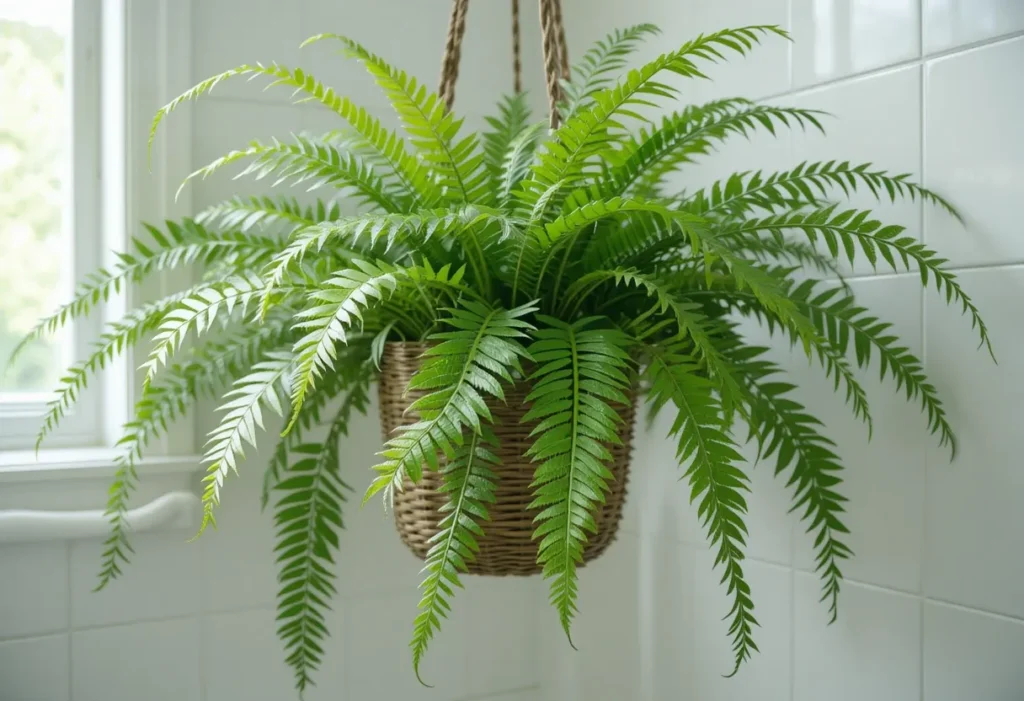
Soft, feathery fronds make the Boston Fern one of the most elegant houseplants for adding lush greenery indoors. While many ferns have a reputation for being fussy, the Boston Fern is one of the more adaptable varieties. With regular watering and a little extra humidity, it grows into a full, graceful plant that’s well worth the minimal effort.
Unlike drought-tolerant succulents, Boston Fern prefers consistently moist soil, but it doesn’t require complicated care. Place it in a bright bathroom, kitchen, or another humid room, and it will reward you with vibrant, arching foliage throughout the year.
Interesting Fact: Boston Ferns naturally thrive in humid forests, making bathrooms an ideal indoor location.
Growth Speed: Moderate.
Mature Size: 2–3 feet.
Best Room: Bathrooms and kitchens.
Average Lifespan: Many years with consistent care.
20. Echeveria (Echeveria spp.)
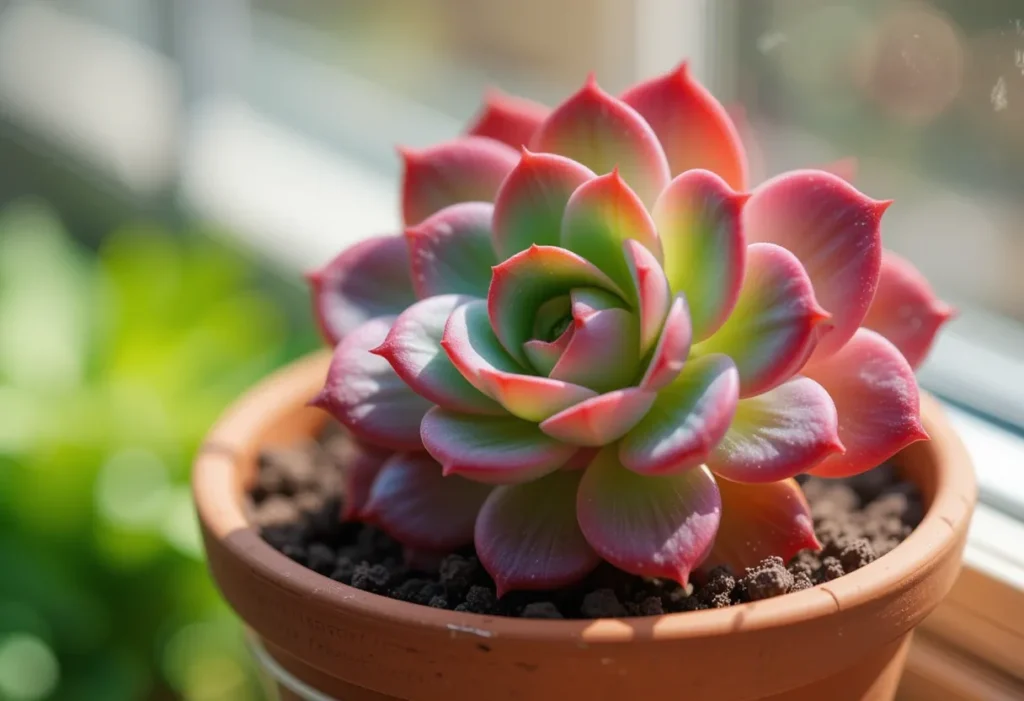
With its perfectly shaped rosettes and pastel shades of green, blue, pink, and purple, Echeveria is one of the most beautiful succulents you can grow indoors. Despite its delicate appearance, it’s an incredibly easy-care indoor plant that thrives with very little attention, making it a favorite for beginners and busy plant owners alike.
Like many succulents, Echeveria stores water in its thick, fleshy leaves, allowing it to withstand long periods without watering. As long as it receives plenty of sunlight and grows in well-draining soil, it remains healthy and vibrant with minimal maintenance.
Interesting Fact: Leaf cuttings can often grow into entirely new plants.
Common Mistake: Watering directly into the center of the rosette.
Growth Speed: Slow.
Mature Size: 2–12 inches.
Best Room: Sunny windowsills.
Average Lifespan: Several decades.
21. Oxalis (Oxalis triangularis)
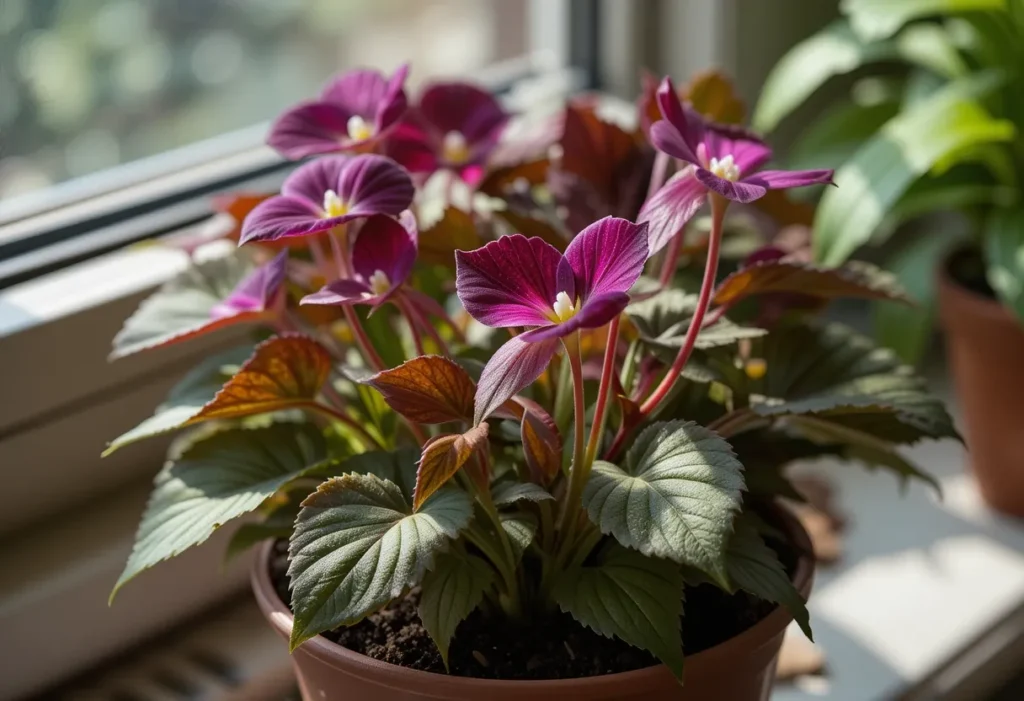
Few houseplants are as eye-catching as Oxalis, also known as the Purple Shamrock. Its deep purple, butterfly-shaped leaves open during the day and gently fold closed at night, creating a fascinating display that brings movement and color to any indoor space. Despite its unique appearance, it’s a surprisingly beginner-friendly indoor plant when given the right conditions.
Oxalis grows from small bulbs that naturally store energy, helping the plant recover even if it goes through a period of dormancy. This resilience makes it easier to care for than many flowering houseplants, and with minimal attention, it rewards you with vibrant foliage and delicate white or pale pink blooms.
Interesting Fact: Its leaves naturally fold closed at night in a movement known as nyctinasty.
Growth Speed: Moderate.
Mature Size: 8–12 inches.
Best Room: Bright kitchens and windowsills.
Average Lifespan: Many years through recurring growth cycles.
22. Peperomia (Peperomia spp.)
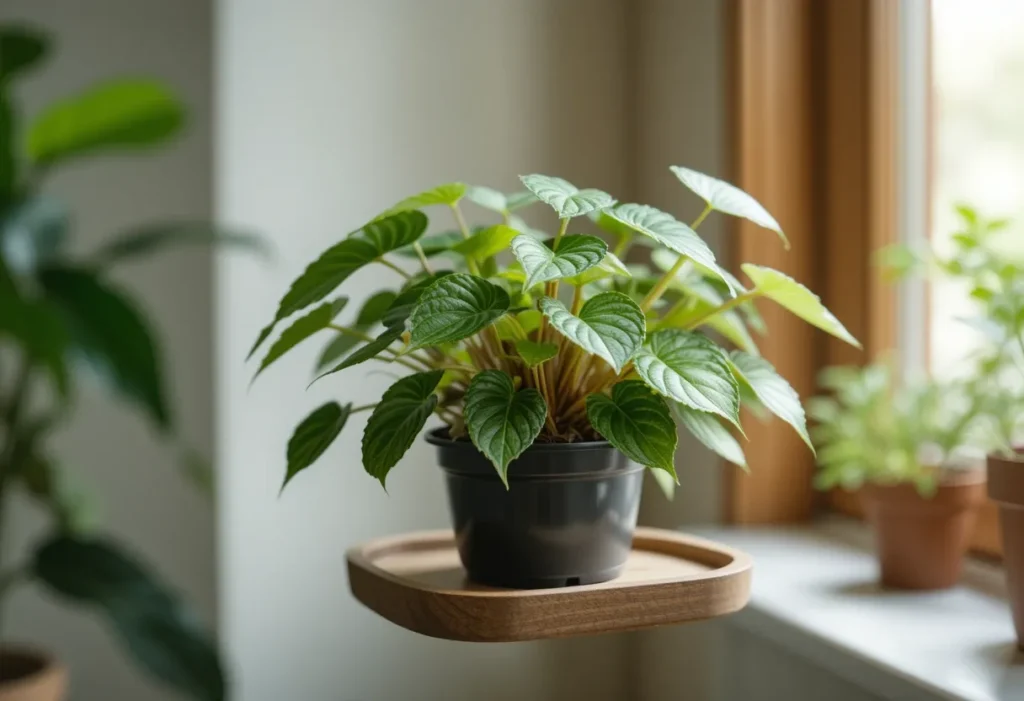
Compact, colorful, and incredibly easy to care for, Peperomia is a fantastic choice for anyone looking to add greenery to small spaces. Its thick, textured leaves come in a wide variety of shapes, colors, and patterns, making it a decorative addition to desks, bookshelves, windowsills, and office spaces. Better yet, it’s one of the most low-maintenance houseplants for beginners.
Unlike many tropical plants, Peperomia stores moisture in its fleshy leaves and stems, allowing it to handle occasional missed waterings with ease. Its slow growth and compact habit mean it rarely needs pruning or repotting, making it perfect for busy plant owners.
Interesting Fact: There are over 1,500 species of Peperomia with a remarkable variety of leaf shapes and textures.
Growth Speed: Slow.
Mature Size: 6–12 inches.
Best Room: Desks, bookshelves, and offices.
Average Lifespan: 5–10 years.
23. Air Plants (Tillandsia spp.)
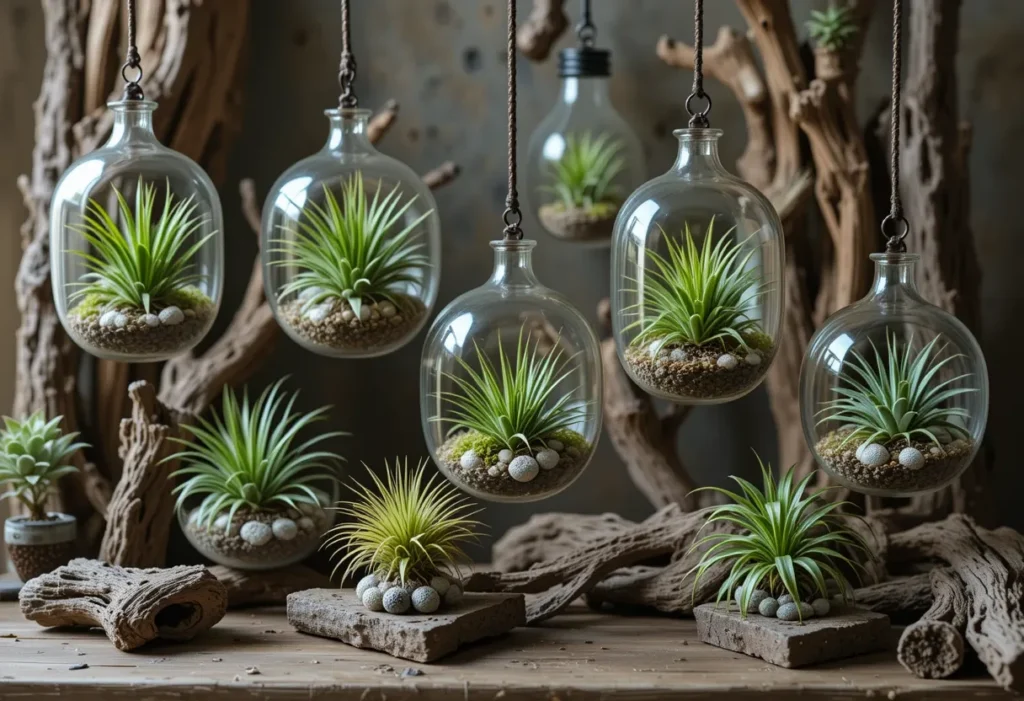
Saving one of the most unique houseplants for last, Air Plants are unlike almost anything else you can grow indoors. Instead of growing in soil, these fascinating plants absorb moisture and nutrients through their leaves, making them a stylish and easy-care indoor plant for shelves, terrariums, wall displays, and hanging holders.
Native to forests and deserts across the Americas, Air Plants naturally grow attached to trees and rocks rather than in the ground. Their unusual growing habit and minimal care requirements make them a favorite among beginners and anyone looking for a modern, space-saving houseplant.
Interesting Fact: Air plants absorb water and nutrients through specialized scales on their leaves rather than through roots.
Common Mistake: Returning the plant to its display before it has dried completely after soaking.
Growth Speed: Slow.
Mature Size: 2–12 inches depending on species.
Best Room: Bright living rooms, offices, and terrariums.
Average Lifespan: 2–5 years, though they produce pups before flowering, allowing the plant to continue through new offsets.
Best Indoor Plants for Every Need
Looking for a plant that fits your specific needs? Use the quick guide below to compare the best beginner-friendly, low-light, pet-safe, and drought-tolerant houseplants. Click any plant name to jump directly to its detailed care guide.
| Need | Best Indoor Plants |
|---|---|
| Best for Beginners | Spider Plant, Snake Plant, ZZ Plant, Pothos, Jade Plant |
| Best for Low Light | Snake Plant, ZZ Plant, Chinese Evergreen, Cast Iron Plant, Dracaena |
| Best for Sunny Windows | Aloe Vera, Jade Plant, Echeveria, Haworthia |
| Best for Hanging Baskets | Spider Plant, Pothos, Philodendron, Tradescantia, English Ivy |
| Best for Small Spaces | Haworthia, Peperomia, Air Plants, Lucky Bamboo, Echeveria |
| Best for Offices | ZZ Plant, Snake Plant, Dracaena, Lucky Bamboo, Cast Iron Plant |
| Best for Bedrooms | Snake Plant, Spider Plant, Peace Lily, Chinese Evergreen |
| Best for Busy Plant Owners | ZZ Plant, Snake Plant, Aloe Vera, Jade Plant, Haworthia |
| Best for Pet-Friendly Homes | Spider Plant, Cast Iron Plant, Calathea, Haworthia, Boston Fern, Peperomia, Echeveria, Air Plants |
| Best Air-Purifying Choices | Snake Plant, Spider Plant, Peace Lily, English Ivy, Dracaena, Rubber Plant |
| Fastest Growing | Pothos, Philodendron, Tradescantia, English Ivy, Spider Plant |
| Most Drought-Tolerant | Aloe Vera, Snake Plant, ZZ Plant, Jade Plant, Haworthia, Echeveria |
Common Mistakes That Kill Even Tough Houseplants
Even the most low-maintenance indoor plants need a little care to stay healthy. While the plants on this list are incredibly forgiving, avoiding these common mistakes will help them thrive for years.
Overwatering
The biggest reason houseplants die isn’t underwatering, it’s giving them too much water. Always check the soil before watering, and let it dry to the level recommended for each plant. Most resilient houseplants recover from dry soil much better than soggy roots.
Using Pots Without Drainage
A beautiful pot won’t save a plant if excess water has nowhere to go. Choose containers with drainage holes or use a nursery pot inside a decorative planter to prevent root rot.
Placing Plants in the Wrong Light
Not every plant enjoys full sun, and not every plant thrives in deep shade. Match your plant’s light requirements to its growing location for healthier foliage and stronger growth.
Ignoring Dusty Leaves
Dust can block sunlight and reduce a plant’s ability to photosynthesize. Gently wipe broad leaves with a soft, damp cloth every few weeks to keep them clean and healthy.
Exposing Plants to Extreme Temperatures
Keep indoor plants away from heating vents, air conditioners, and cold drafts. Sudden temperature changes can stress even the toughest houseplants and cause leaf damage.
Forgetting to Repot
Slow-growing plants don’t need frequent repotting, but eventually they outgrow their containers. If roots are circling the pot or water drains through too quickly, it may be time to move the plant into a slightly larger container with fresh potting mix.
Frequently Asked Questions:
Conclusion
Choosing the right unkillable indoor plants doesn’t mean sacrificing beauty for convenience. Whether you love the bold leaves of a Snake Plant, the trailing vines of Pothos, or the sculptural charm of a ZZ Plant, these low-maintenance indoor plants prove that anyone can enjoy a thriving indoor garden, even with a busy schedule or no gardening experience.
Start with one or two easy-care houseplants, learn their basic needs, and gradually expand your collection as your confidence grows. With the right plant in the right spot, you’ll enjoy greener, healthier living spaces with very little effort.
Ready for your next project? If you’re interested in growing plants without soil, explore our guide to Best Hydroponic Plants for another easy and rewarding way to bring greenery indoors