25 Pet-Friendly Indoor Plants That Are Safe for Cats and Dogs
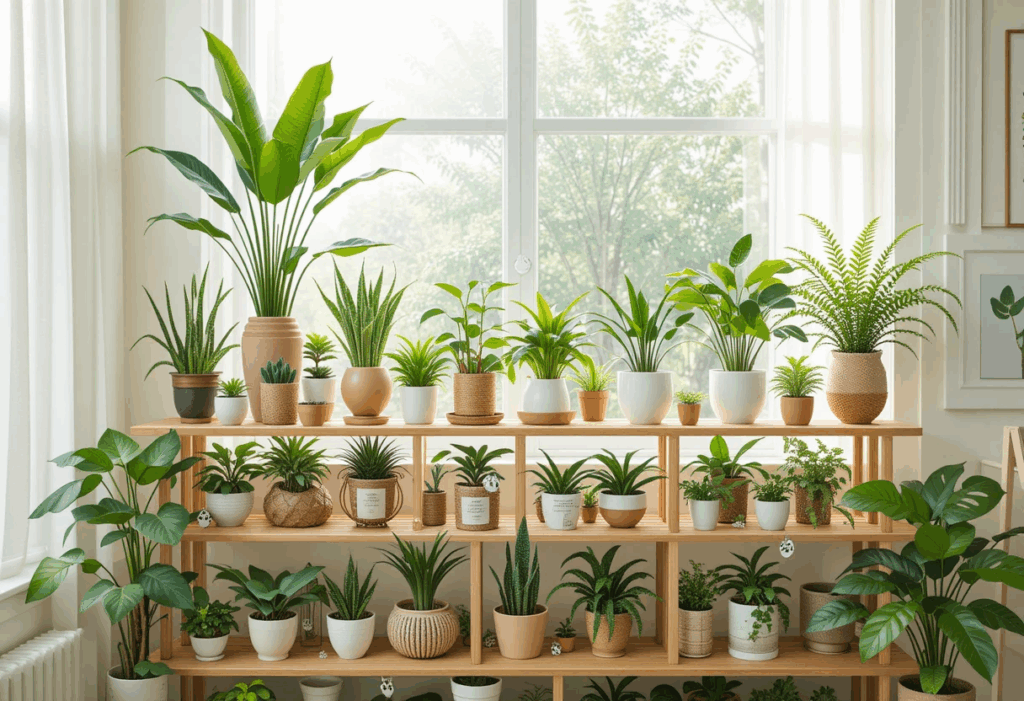
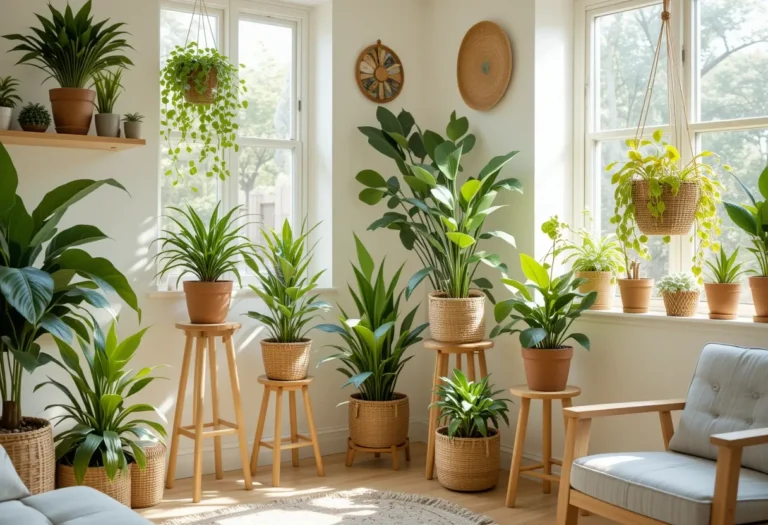
If you share your home with curious cats or playful dogs, choosing the right houseplants is just as important as choosing the right pet food or toys. Many popular indoor plants can be toxic to pets, but fortunately, there are plenty of beautiful, non-toxic options that let you enjoy a lush indoor garden without putting your furry companions at risk.
In this guide, you’ll discover 25 pet-friendly indoor plants that are safe for cats and dogs, easy to care for, and perfect for adding natural beauty to your home. Whether you’re looking for low-maintenance foliage, colorful leaves, or elegant tropical plants, you’ll find plenty of pet-safe houseplants to suit every room and experience level.
Looking for even more beginner-friendly greenery? Explore our guide to Unkillable Indoor Plants for easy-care varieties that thrive with minimal attention.
Table of Contents
How to Choose Pet-Friendly Indoor Plants
Choosing the right indoor plants is about more than just appearance, it’s also about creating a safe environment for your pets. Curious cats and playful dogs may chew on leaves, dig in the soil, or knock over pots, so selecting non-toxic plants is the first step toward a pet-friendly home. With a little planning, you can enjoy beautiful greenery without worrying about your furry companions.
Keep these tips in mind before bringing a new houseplant home:
- Choose non-toxic plants. Select indoor plants that are recognized as safe for cats and dogs. Checking trusted resources, such as the ASPCA’s plant database, can help you avoid toxic varieties.
- Match the plant to your home’s lighting. Some pet-friendly plants thrive in bright, indirect light, while others grow well in lower-light rooms. Choosing the right plant for your space makes care much easier.
- Pick plants that suit your lifestyle. If you’re a beginner or have a busy schedule, low-maintenance houseplants that require minimal watering and care are often the best choice.
- Keep plants healthy. Water correctly, use well-draining soil, and remove dead leaves regularly. Healthy plants are more resilient and stay attractive for longer.
- Discourage chewing. Although the plants in this guide are non-toxic, eating large amounts of any plant may still cause mild stomach upset. Place plants where possible and provide your pets with safe toys or grass to satisfy their curiosity.
By choosing the right pet-friendly indoor plants and giving them proper care, you can enjoy a lush, inviting home that’s safe for every member of the family, both two-legged and four-legged.
1. Areca Palm (Dypsis lutescens)
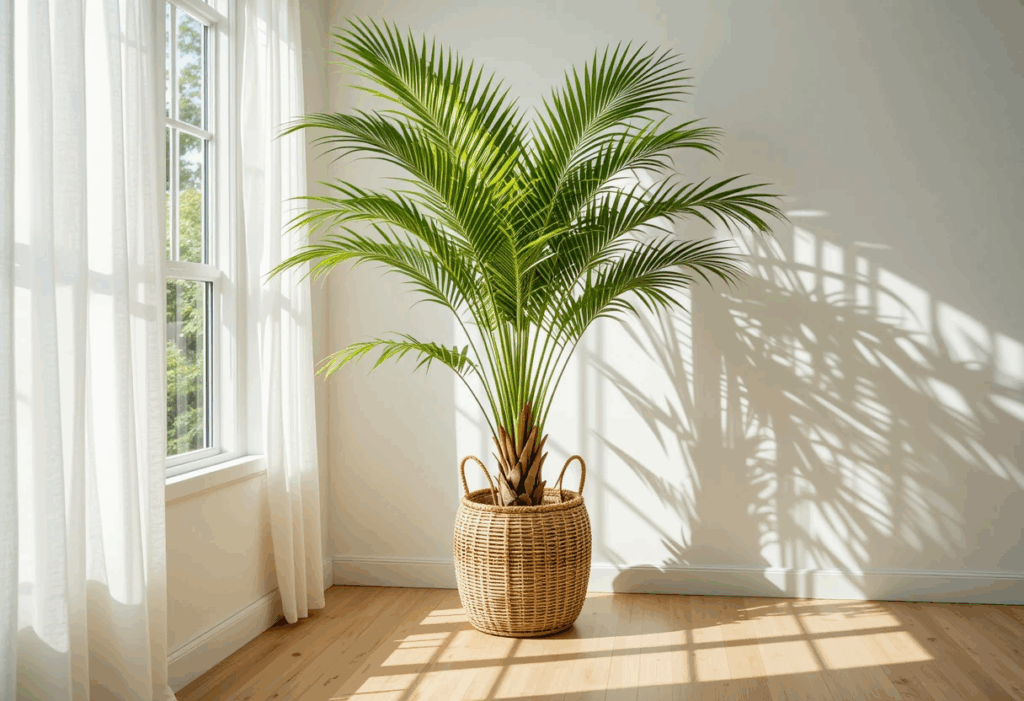
Graceful, tropical, and incredibly easy to grow, the Areca Palm is one of the best pet-friendly indoor plants for creating a lush indoor oasis. Its feathery, arching fronds bring softness and movement to any room while remaining completely safe for cats and dogs. Whether placed in a bright living room, bedroom, or home office, this elegant palm instantly adds height, texture, and a fresh tropical feel to your décor.
Beyond its beauty, the Areca Palm is valued for its air-purifying qualities and natural ability to increase indoor humidity, helping create a healthier and more comfortable living environment. It thrives in bright, indirect light and prefers evenly moist, well-draining soil. With minimal care, this pet-safe houseplant grows into a stunning statement piece that complements both modern and traditional interiors.
🌿 Quick Facts
- 🐾 Pet Safety: Safe for cats and dogs
- ☀️ Light: Bright, indirect light
- 💧 Water: Water when the top 1–2 inches (2.5–5 cm) of soil feel dry
- 📏 Mature Size: 6–8 ft (1.8–2.4 m) indoors
- 🏡 Best For: Living rooms, bedrooms, offices, and spacious corners
- ⭐ Care Level: Easy
Popular Varieties
- Golden Cane Palm – Bright green fronds with golden-yellow stems that create a warm, tropical appearance.
- Butterfly Palm – Dense, arching foliage that forms an elegant, full canopy, making it a popular choice for indoor spaces.
2. Spider Plant (Chlorophytum comosum)
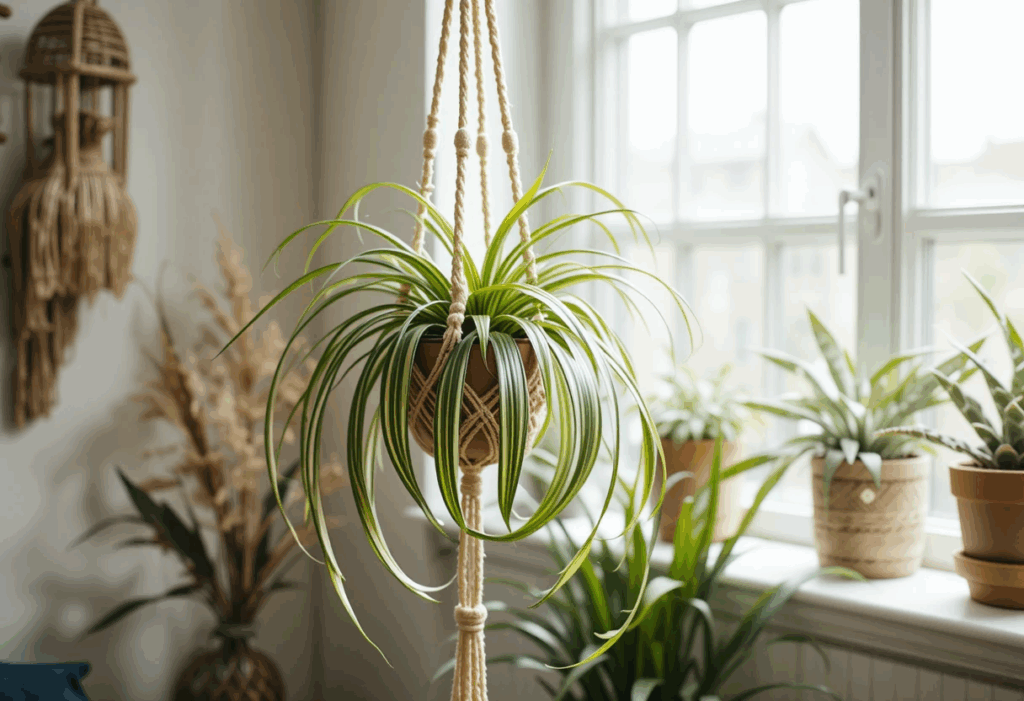
Few houseplants are as dependable as the Spider Plant. Loved for its cascading, ribbon-like foliage, it’s one of the best pet-friendly indoor plants for homes with curious cats and dogs. As one of the most popular non-toxic houseplants, it lets you enjoy beautiful greenery without worrying about your furry companions. Whether displayed in a hanging basket, perched on a shelf, or placed on a bright windowsill, the Spider Plant brings effortless charm to any room.
One of its most delightful features is the production of tiny offshoots, often called spiderettes or pups, which dangle gracefully from long stems. These baby plants are incredibly easy to propagate, making it simple to grow your collection or share new plants with family and friends. Adaptable and forgiving, the Spider Plant thrives in bright, indirect light but also performs well in lower-light spaces. With only occasional watering and minimal care, this indoor plant safe for pets remains lush, healthy, and attractive year-round.
🌿 Quick Facts
- ⭐ Care Level: Easy
- 🐾 Pet Safety: Safe for cats and dogs
- ☀️ Light: Bright, indirect light; adapts to low-light conditions
- 💧 Water: Water when the top inch (2.5 cm) of soil feels dry
- 🏡 Best For: Hanging baskets, shelves, windowsills, kitchens, and bedrooms
Popular Varieties
- Variegatum – Elegant arching leaves with creamy-white stripes that brighten indoor spaces.
- Bonnie – A compact variety with curly, twisted foliage, ideal for apartments, desktops, and smaller rooms.
3. Calathea (Goeppertia spp.)
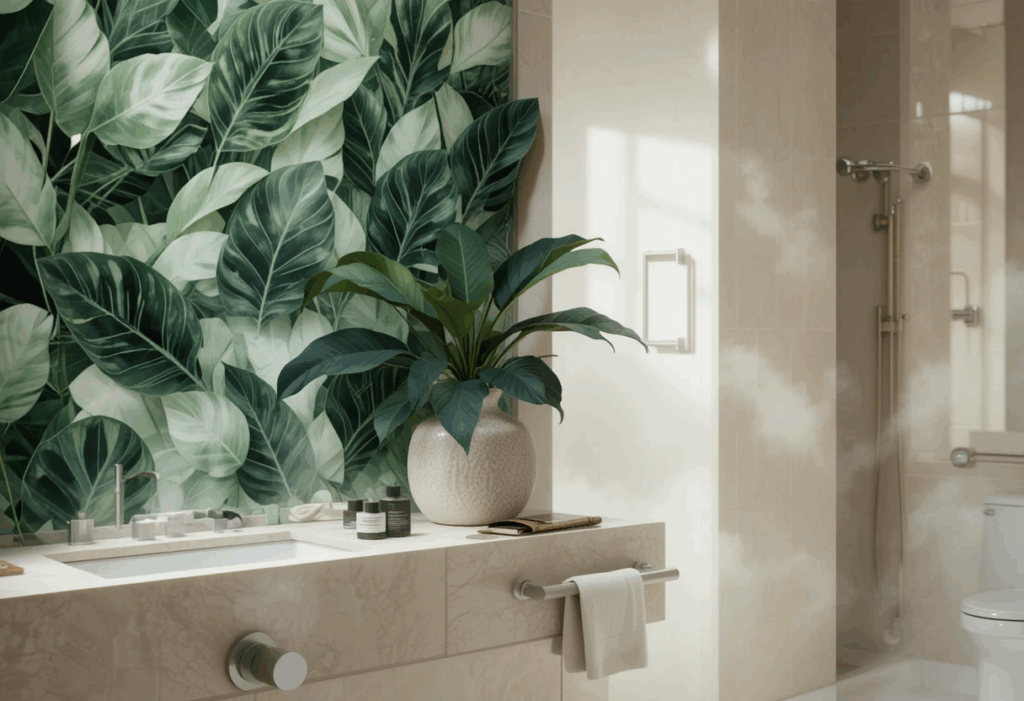
Renowned for their bold, hand-painted foliage, Calatheas are some of the most decorative pet-friendly indoor plants you can grow. Their leaves feature stunning combinations of green, silver, cream, and purple, instantly adding color and texture to any room. One of their most fascinating traits is nyctinasty, the leaves gently rise at night and reopen each morning, creating the impression that the plant is “praying.”
As one of the most popular indoor plants safe for pets, Calatheas are completely safe for cats and dogs, making them a beautiful and worry-free choice for pet-loving households. They flourish in medium to bright, indirect light, enjoy consistently moist soil, and thrive in higher humidity, making them ideal for bathrooms, bedrooms, or other warm indoor spaces. With proper care, their vibrant foliage transforms ordinary rooms into lush, tropical retreats.
🌿 Quick Facts
- ⭐ Care Level: Moderate
- 🐾 Pet Safety: Safe for cats and dogs
- ☀️ Light: Medium to bright, indirect light
- 💧 Water: Keep the soil evenly moist but never soggy
- 💦 Humidity: High humidity preferred
- 🏡 Best For: Bathrooms, bedrooms, living rooms, and tropical indoor displays
Popular Varieties
- Medallion – Large, rounded leaves with intricate dark green patterns and rich purple undersides that create a dramatic tropical display.
- Rattlesnake Plant – Long, wavy leaves marked with dark green spots and deep purple undersides, adding bold texture and striking contrast to indoor spaces.
4. Peperomia (Peperomia spp.)
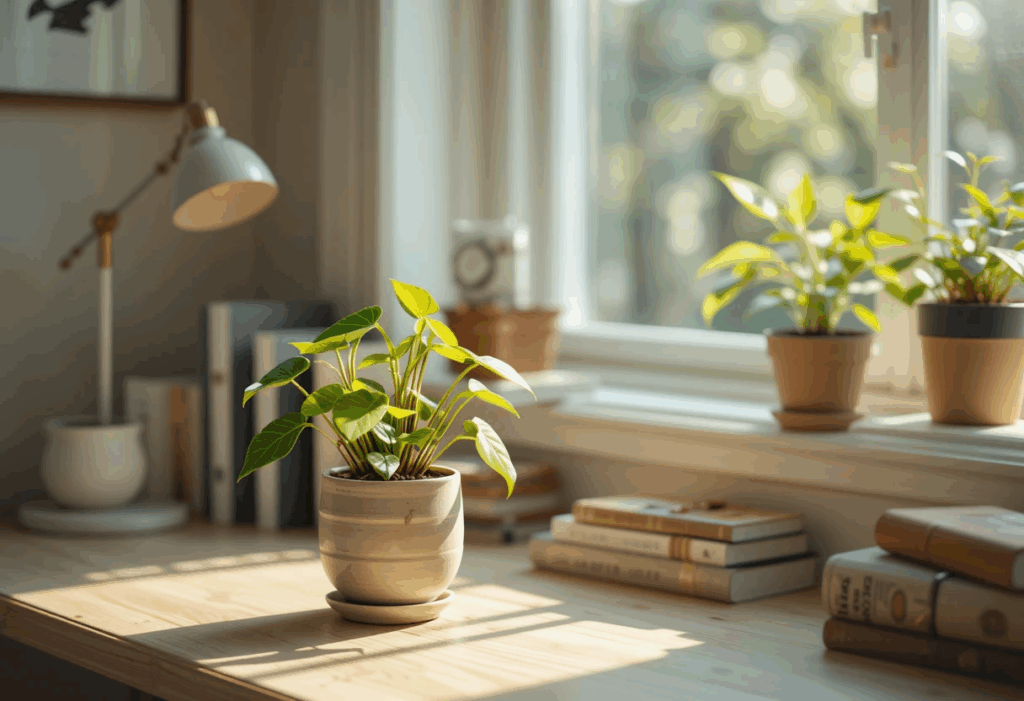
Peperomia is a charming pet-friendly indoor plant prized for its compact size, decorative foliage, and easy-care nature. With hundreds of varieties available, you’ll find everything from glossy green leaves to striking silver stripes and deep burgundy tones, making it easy to match any home décor. Because it’s non-toxic to cats and dogs, Peperomia is a wonderful choice for pet owners who want beautiful greenery without worrying about curious paws.
These low-maintenance houseplants thrive in bright, indirect light but also adapt well to medium-light conditions. Their thick, succulent-like leaves store moisture, so they don’t need frequent watering, making them perfect for busy households and beginners. Whether displayed on a desk, bookshelf, windowsill, or kitchen counter, Peperomia adds vibrant color and texture without taking up much space.
🌿 Quick Facts
- 🐾 Pet Safety: Non-toxic to cats and dogs
- ☀️ Light: Bright, indirect light; tolerates medium light
- 💧 Water: Water when the top 1–2 inches (2.5–5 cm) of soil are dry
- 🏡 Best For: Desks, shelves, windowsills, and small spaces
- ⭐ Care Level: Easy
Popular Varieties
- Watermelon Peperomia (Peperomia argyreia) – Round green leaves with silver stripes that resemble a watermelon rind, making it one of the most eye-catching varieties.
- Peperomia Rosso – Compact rosettes of dark green leaves with rich burgundy undersides, adding bold color and contrast to indoor displays.
5. Prayer Plant (Maranta leuconeura)
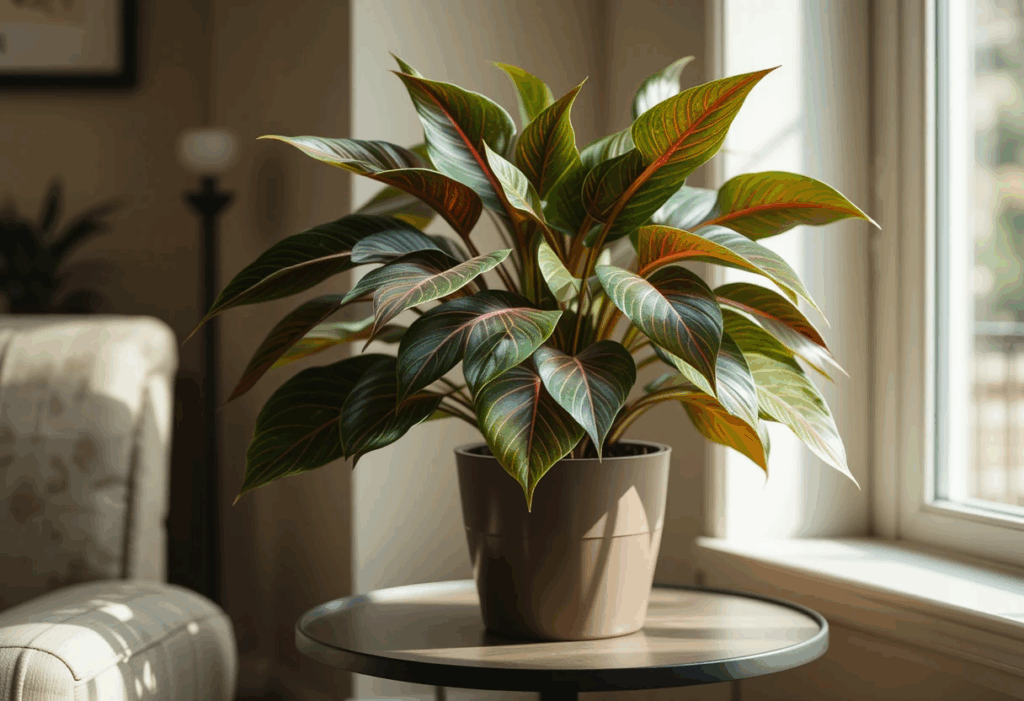
The Prayer Plant is a favorite among plant lovers for its beautifully patterned foliage and fascinating daily movement. Its colorful leaves gently fold upward in the evening and reopen each morning, a natural behavior known as nyctinasty, which gives the plant its common name. Best of all, it’s non-toxic to cats and dogs, making it a safe and stylish addition to homes with curious pets.
Prayer Plants thrive in bright to medium, indirect light and prefer consistently moist soil with higher humidity. Their vibrant green leaves, accented with bold red veins or lime-colored patterns, instantly brighten shelves, bedside tables, bathrooms, and cozy reading corners. Although they require a little more attention than some beginner houseplants, their stunning foliage and unique movement make the extra care well worth it.
🌿 Quick Facts
- 🐾 Pet Safety: Non-toxic to cats and dogs
- ☀️ Light: Medium to bright, indirect light
- 💧 Water: Keep the soil evenly moist but not soggy
- 💦 Humidity: High humidity preferred
- ⭐ Care Level: Moderate
Popular Varieties
- Red Prayer Plant (Maranta leuconeura ‘Erythroneura’) – Deep green leaves highlighted by vivid red veins, creating one of the most recognizable and colorful Prayer Plant varieties.
- Lemon Lime Prayer Plant – Bright green foliage with striking lime-colored veins that add a fresh, vibrant touch to indoor spaces.
6. Parlor Palm (Chamaedorea elegans)
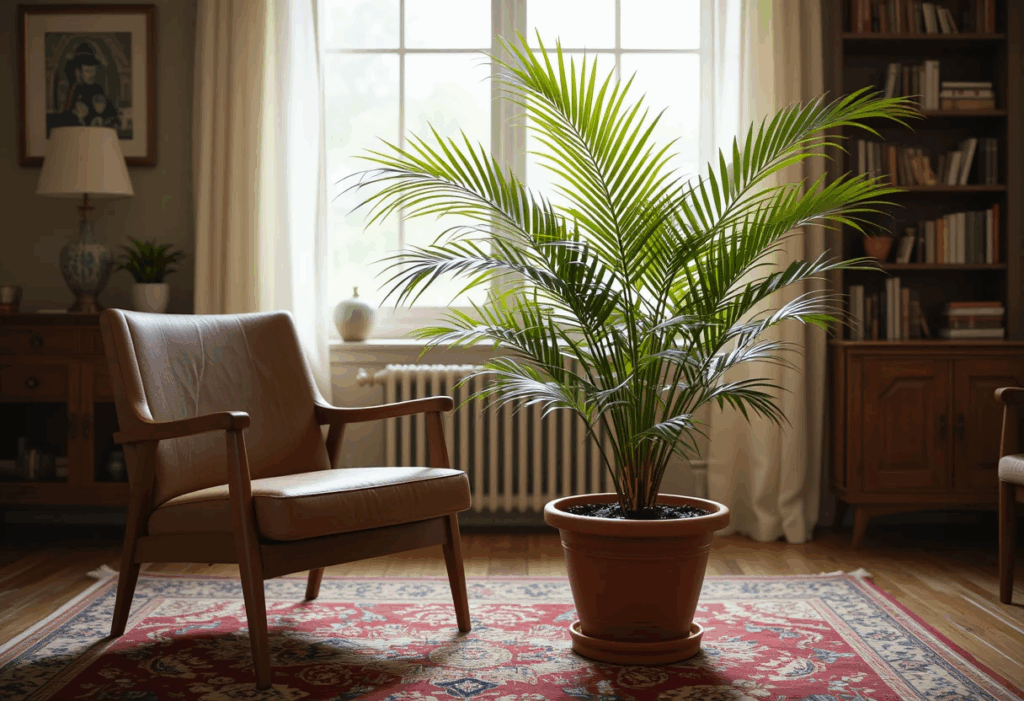
The Parlor Palm is one of the most popular pet-friendly indoor plants, loved for its graceful, feathery fronds and ability to thrive in low-light indoor spaces. Native to the rainforests of Central America, this elegant indoor palm tree has been a favorite houseplant since the Victorian era. Because it’s non-toxic to cats and dogs, it’s an excellent choice for pet owners who want to create a lush, tropical atmosphere without worrying about their furry companions.
This easy-care houseplant grows well in bright, indirect light but also tolerates lower light conditions, making it ideal for apartments, offices, bedrooms, and shaded living rooms. Its upright growth habit adds height and softness to interior spaces, while its lush green foliage helps create a calm, relaxing environment. With occasional watering and minimal maintenance, the Parlor Palm remains healthy and attractive for years, making it one of the best low-light indoor plants for beginners.
🌿 Quick Facts
- 🐾 Pet Safety: Non-toxic to cats and dogs
- ☀️ Light: Low to bright, indirect light
- 💧 Water: Water when the top 1–2 inches (2.5–5 cm) of soil feel dry
- 🏡 Best For: Living rooms, bedrooms, offices, and shaded corners
- ⭐ Care Level: Easy
Popular Varieties
- Standard Parlor Palm – The classic variety with soft, arching fronds that brings timeless elegance to any indoor space.
- Bamboo Parlor Palm – A taller, fuller form with slender, bamboo-like stems, perfect for adding a tropical focal point to larger rooms
7. Polka Dot Plant (Hypoestes phyllostachya)
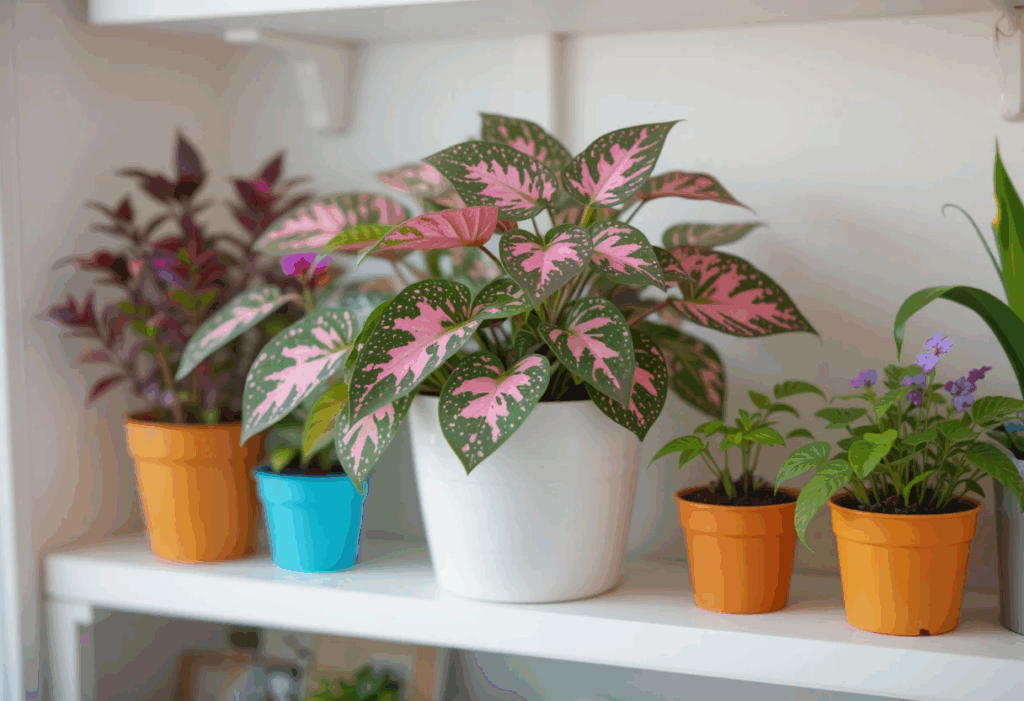
The Polka Dot Plant is a colorful pet-friendly indoor plant that instantly brightens shelves, desks, and windowsills with its vibrant spotted foliage. Its leaves come in beautiful shades of pink, white, red, and green, making it one of the best decorative houseplants for adding a pop of color indoors. Best of all, it’s non-toxic to cats and dogs, so you can enjoy its eye-catching beauty without worrying about curious pets.
This compact tropical houseplant thrives in bright, indirect light, which helps maintain its vivid leaf colors. It prefers consistently moist, well-draining soil and appreciates moderate to high humidity. Regular pinching of the growing tips encourages a fuller, bushier shape, making it an excellent choice for tabletops, terrariums, home offices, and small indoor spaces. With proper care, the Polka Dot Plant remains lush, colorful, and attractive throughout the growing season.
🌿 Quick Facts
- 🐾 Pet Safety: Non-toxic to cats and dogs
- ☀️ Light: Bright, indirect light
- 💧 Water: Keep the soil lightly moist but not soggy
- 🏡 Best For: Desks, terrariums, shelves, and windowsills
- ⭐ Care Level: Easy to Moderate
Popular Varieties
- Pink Splash – Bright green leaves covered with vibrant pink speckles, making it one of the most popular and colorful varieties.
- White Splash – Deep green foliage decorated with crisp white spots for a fresh, elegant look.
8. Bamboo Palm (Chamaedorea seifrizii)
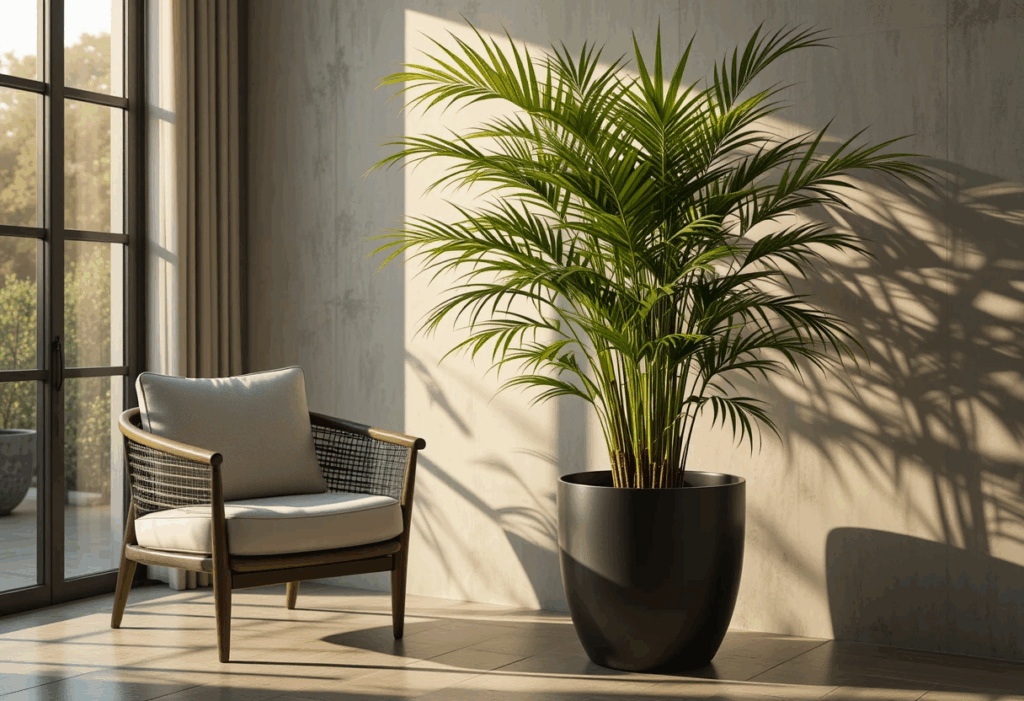
Originally native to the tropical forests of Central America, the Bamboo Palm brings a lush, rainforest feel to indoor spaces while remaining completely safe for homes with cats and dogs. Its slender, bamboo-like stems and graceful fronds create a soft, elegant display that fits beautifully in living rooms, offices, and shaded corners.
Unlike many tropical plants, Bamboo Palm adapts well to medium or indirect light and rewards consistent care with healthy, vibrant foliage. Its upright growth habit makes it an excellent choice for filling empty corners without overwhelming smaller spaces.
🌿 Quick Facts
- 🐾 Pet Safety: Non-toxic to cats and dogs
- ☀️ Light: Medium to bright, indirect light
- 💧 Water: Water when the top inch of soil begins to dry
- 🏡 Best For: Living rooms, offices, and shaded corners
- ⭐ Care Level: Easy
Popular Varieties
- Reed Bamboo Palm – Tall, graceful stems with dense green fronds.
- Compact Bamboo Palm – A smaller variety ideal for apartments and indoor containers.
9. Boston Fern (Nephrolepis exaltata)
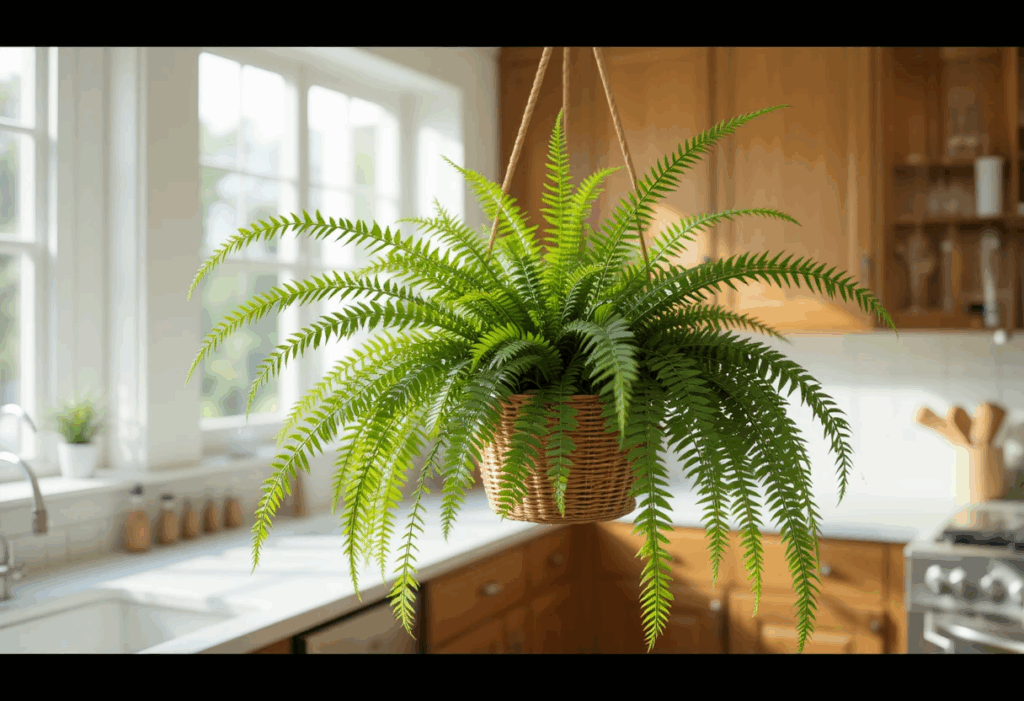
With its lush, cascading fronds and soft, feathery foliage, the Boston Fern instantly brings a fresh, woodland feel to indoor spaces. This timeless non-toxic houseplant is a favorite among pet owners because it adds vibrant greenery without posing a risk to curious cats or dogs. Whether displayed in a hanging basket or placed on a plant stand, its graceful foliage creates a relaxing, nature-inspired atmosphere.
Boston Fern thrives in bright, indirect light and appreciates consistently moist soil along with higher humidity. Bathrooms, kitchens, and other naturally humid rooms are ideal growing spots, though it also flourishes in living rooms with regular misting or a nearby humidifier. With the right care, this elegant fern rewards you with lush growth and year-round beauty.
🌿 Quick Facts
- 🐾 Pet Safety: Non-toxic to cats and dogs
- ☀️ Light: Bright, indirect light
- 💧 Water: Keep the soil evenly moist but not waterlogged
- 💦 Humidity: High humidity preferred
- ⭐ Care Level: Moderate
Popular Varieties
- Fluffy Ruffles – A compact variety with finely divided, ruffled fronds that’s perfect for hanging baskets and tabletops.
- Dallas Fern – A fuller, more heat-tolerant variety with dense foliage that adapts well to typical indoor conditions.
10. Baby Rubber Plant (Peperomia obtusifolia)
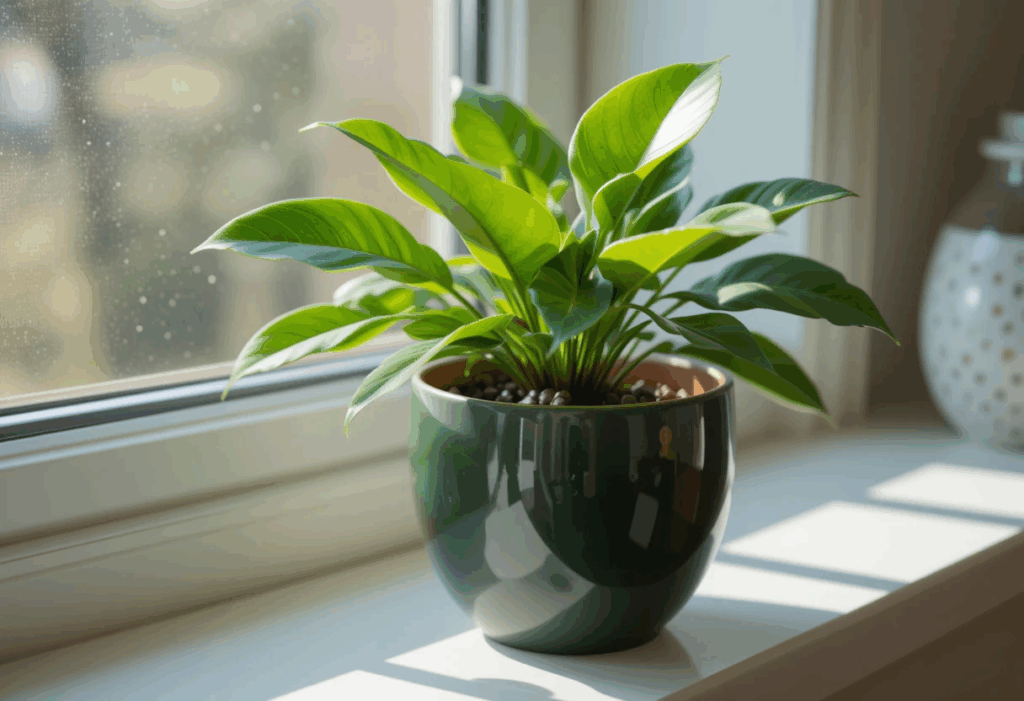
If you’re looking for a compact houseplant that’s both attractive and easy to maintain, the Baby Rubber Plant is an excellent choice. Its thick, glossy leaves store moisture, allowing it to tolerate occasional missed waterings, while its non-toxic foliage makes it a worry-free addition to homes with cats and dogs. This versatile plant blends effortlessly into modern, minimalist, and cozy interiors alike.
Baby Rubber Plants grow best in bright, indirect light but also adapt well to medium-light conditions, making them suitable for apartments, home offices, bedrooms, and kitchen counters. Their slow-growing, bushy habit keeps them neat and manageable, while the rich green leaves add year-round texture and freshness to any indoor space.
🌿 Quick Facts
- 🐾 Pet Safety: Non-toxic to cats and dogs (this Peperomia species — not to be confused with the true Rubber Plant, Ficus elastica, which is toxic)
- ☀️ Light: Bright to medium, indirect light
- 💧 Water: Water when the top 1–2 inches (2.5–5 cm) of soil feel dry
- 🏡 Best For: Desks, shelves, bedrooms, and small indoor spaces
- ⭐ Care Level: Easy
Popular Varieties
- Green Baby Rubber Plant – Classic glossy green leaves with a compact, bushy growth habit.
- Variegated Baby Rubber Plant – Cream, green, and yellow variegated foliage that adds brightness and visual interest to indoor displays.
11. African Violet (Saintpaulia ionantha)
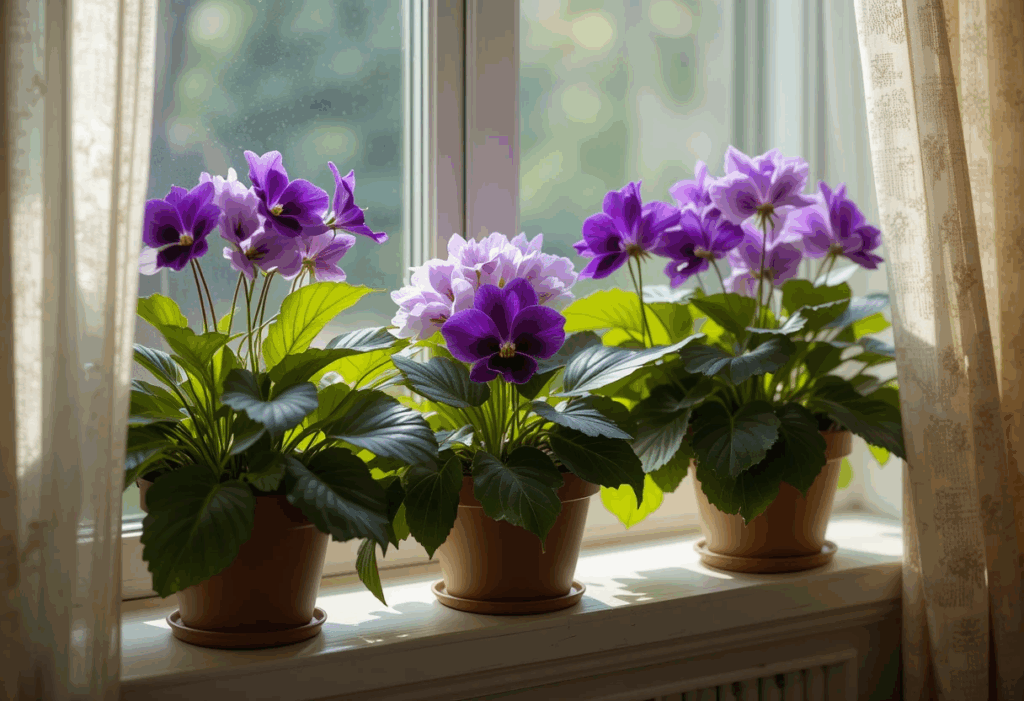
Few flowering houseplants brighten an indoor space as beautifully as the African Violet. Loved for its velvety leaves and long-lasting blooms in shades of purple, pink, blue, and white, this charming plant adds color throughout much of the year. Since it’s non-toxic to cats and dogs, it’s a wonderful choice for pet owners who want to enjoy vibrant flowers without compromising their pets’ safety.
African Violets thrive in bright, indirect light and prefer evenly moist soil, although they dislike wet leaves and soggy roots. Their compact size makes them perfect for windowsills, coffee tables, bookshelves, and home offices where they can become a cheerful focal point. With consistent care, these elegant bloomers reward you with frequent flowers and lush foliage year-round.
🌿 Quick Facts
- 🐾 Pet Safety: Non-toxic to cats and dogs
- ☀️ Light: Bright, indirect light
- 💧 Water: Keep the soil lightly moist; water from the base when possible
- 🏡 Best For: Windowsills, desks, coffee tables, and small indoor spaces
- ⭐ Care Level: Moderate
Popular Varieties
- Optimara Series – A popular collection known for its abundant blooms and wide range of flower colors.
- Miniature African Violet – A compact variety ideal for small spaces, terrariums, and decorative indoor displays.
12. Friendship Plant (Pilea involucrata)
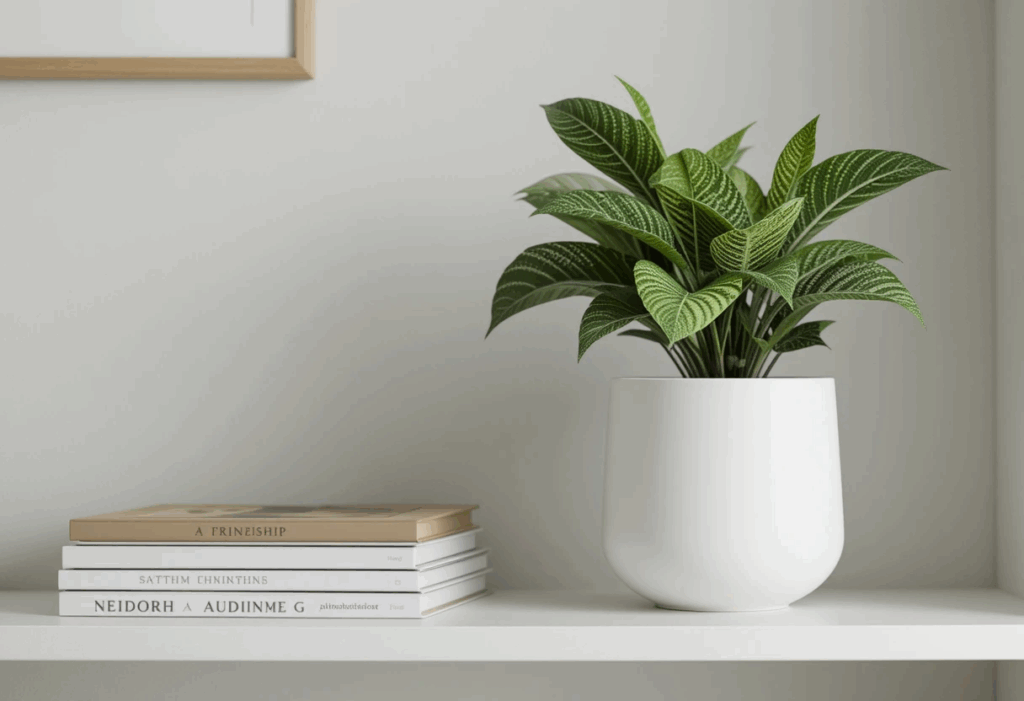
Known for its deeply textured, quilted foliage, the Friendship Plant is a charming houseplant that adds color and character to small indoor spaces. Its richly patterned leaves, often highlighted with shades of bronze and lime green, make it a standout choice for shelves, desks, terrariums, and decorative planters. Better yet, it’s non-toxic to cats and dogs, allowing you to enjoy its unique beauty in a pet-friendly home.
This compact tropical plant grows best in bright, indirect light and appreciates evenly moist soil and moderate to high humidity. Its bushy growth habit and easy propagation from stem cuttings make it a favorite among indoor gardening enthusiasts. Whether you’re expanding your plant collection or looking for a thoughtful gift to share with friends, the Friendship Plant offers both beauty and simplicity.
🌿 Quick Facts
- 🐾 Pet Safety: Non-toxic to cats and dogs
- ☀️ Light: Bright, indirect light
- 💧 Water: Keep the soil evenly moist but not waterlogged
- 🏡 Best For: Terrariums, desks, shelves, and small indoor spaces
- ⭐ Care Level: Easy to Moderate
Popular Varieties
- Moon Valley – Deeply quilted green leaves with bright lime-green veins that create a bold, textured appearance.
- Norfolk – A compact variety featuring velvety foliage with rich bronze and green tones, perfect for tabletops and indoor displays.
13. Prayer Plant (Ctenanthe burle-marxii)
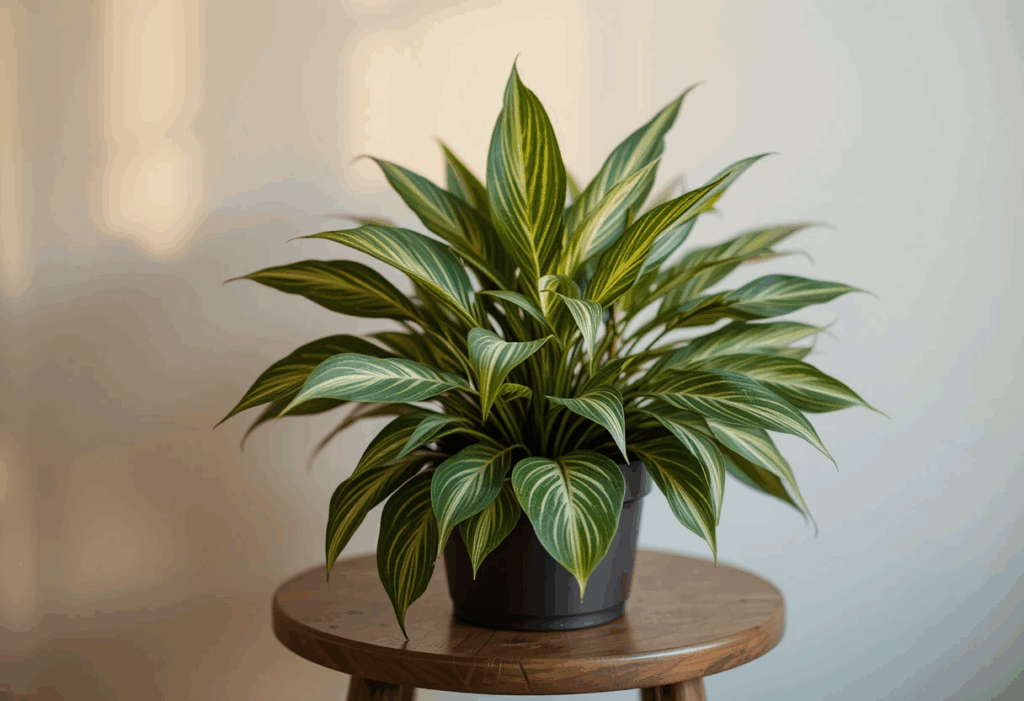
Famous for its beautifully patterned foliage and graceful leaf movements, the Prayer Plant brings a touch of the tropics to any indoor space. During the evening, its leaves gently lift and fold upward, creating a fascinating display that gives prayer plants their common name. As a pet-safe houseplant, it’s an excellent choice for homes with curious cats and dogs.
This tropical beauty thrives in bright, indirect light and enjoys consistently moist soil with moderate to high humidity. Its striking silver-green leaves with dark fishbone markings make it a standout addition to bedrooms, living rooms, bathrooms, or any cozy corner where you want to add texture and natural elegance.
🌿 Quick Facts
- 🐾 Pet Safety: Safe for cats and dogs
- ☀️ Light: Bright, indirect light
- 💧 Water: Keep the soil lightly moist but never soggy
- 💦 Humidity: Prefers moderate to high humidity
- ⭐ Care Level: Moderate
Popular Varieties
- Fishbone Prayer Plant (Ctenanthe burle-marxii) – Silver-green leaves with distinctive dark herringbone patterns and purple undersides.
- Grey Star (Ctenanthe setosa) – Larger, elongated silver-gray leaves with dark green veins, creating a bold tropical statement.
14. Moth Orchid (Phalaenopsis Orchid)
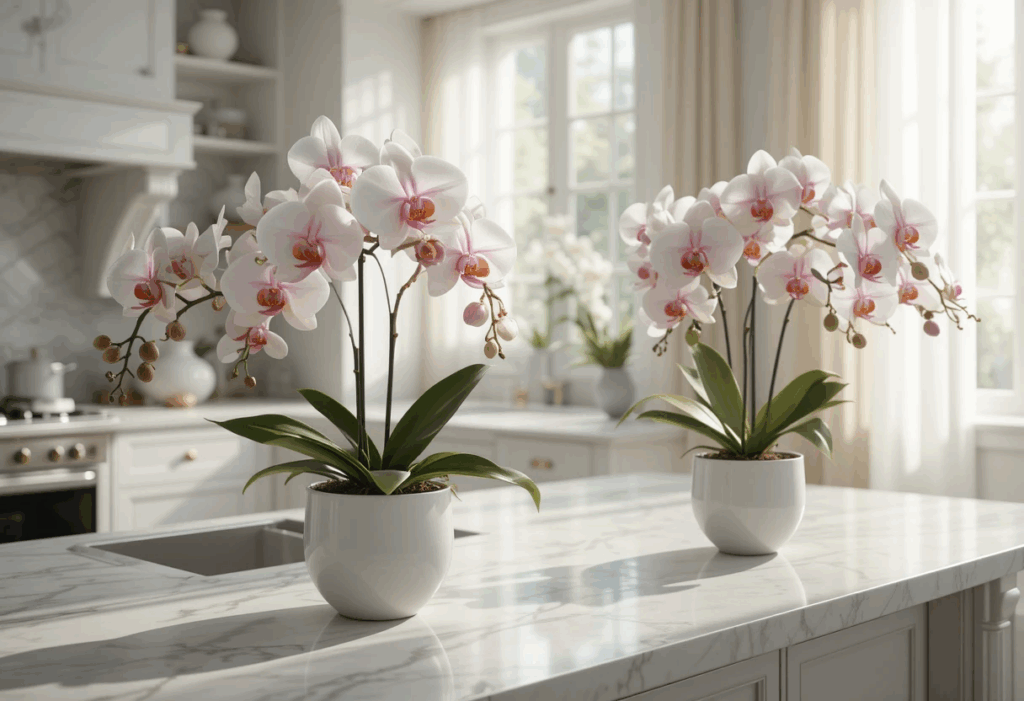
Elegant and long-lasting, the Moth Orchid is one of the most rewarding pet-friendly indoor plants for anyone who loves colorful blooms. Unlike many flowering houseplants, this beautiful orchid is among the safe indoor plants for cats and dogs, allowing you to enjoy exotic flowers without worrying about curious pets. Its graceful arching stems and delicate blossoms bring sophistication to living rooms, bedrooms, and home offices.
Although Moth Orchids have a reputation for being difficult, they’re surprisingly easy to grow with the right conditions. They flourish in bright, indirect light, prefer well-draining orchid bark, and bloom for several months at a time. With minimal care, this pet-safe houseplant will reward you with elegant flowers year after year.
🌿 Quick Facts
- 🐾 Pet Safety: Safe for cats and dogs
- ☀️ Light: Bright, indirect light
- 💧 Water: Water every 7–10 days or when the potting mix is nearly dry
- 🏡 Best For: Coffee tables, desks, bedrooms, and bright windowsills
- ⭐ Care Level: Moderate
Popular Varieties
- White Phalaenopsis – Elegant white blooms that complement modern and minimalist interiors.
- Pink Phalaenopsis – Soft pink flowers with long-lasting blooms, perfect for adding color to indoor spaces.
15.Lipstick Plant (Aeschynanthus radicans)
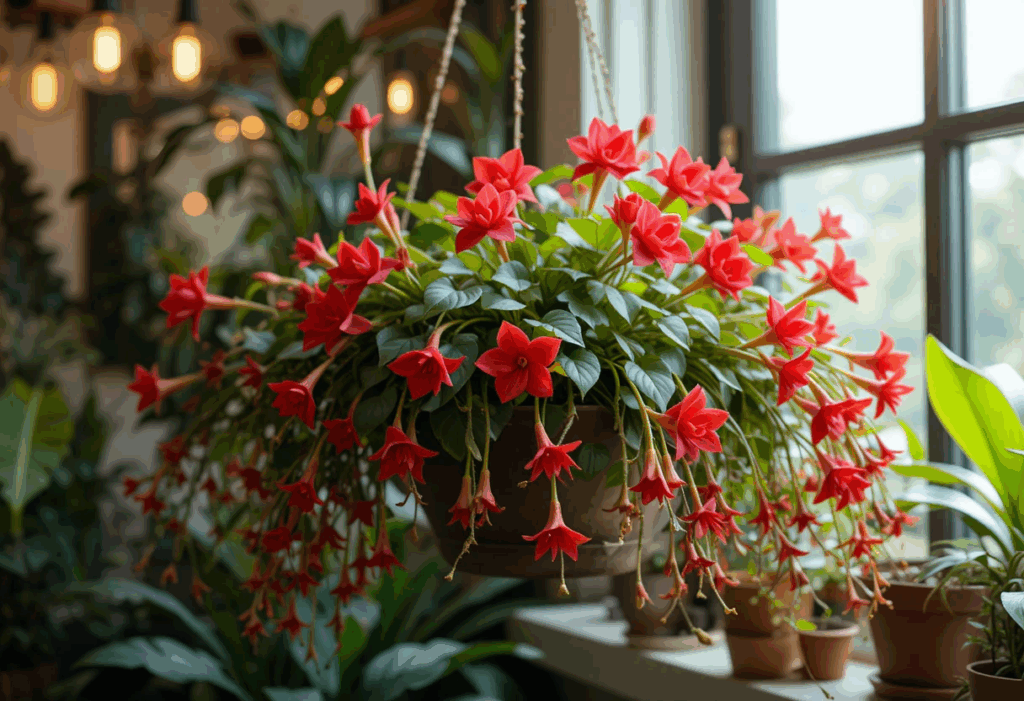
Bright, trailing blooms make the Lipstick Plant a standout among pet-friendly indoor plants. Named for its vibrant tubular flowers that emerge from dark buds like a tube of lipstick, this tropical beauty adds a splash of color while remaining safe for cats and dogs. Its cascading vines look especially striking in hanging baskets, wall planters, or on high shelves where the flowers can spill gracefully over the edges.
This non-toxic houseplant thrives in bright, indirect light and enjoys slightly moist, well-draining soil with moderate to high humidity. With proper care, it produces eye-catching red, orange, or coral blooms several times a year, making it an excellent choice for anyone who wants a flowering indoor plant that’s both decorative and pet-friendly.
🌿 Quick Facts
- 🐾 Pet Safety: Safe for cats and dogs
- ☀️ Light: Bright, indirect light
- 💧 Water: Water when the top inch (2.5 cm) of soil feels dry
- 🏡 Best For: Hanging baskets, shelves, and bright indoor spaces
- ⭐ Care Level: Moderate
Popular Varieties
- Black Pagoda – Distinctive green leaves with purple undersides and attractive mottled patterns, paired with bright orange-red flowers.
- Mona Lisa – A compact variety that produces abundant deep red blooms and is known for flowering more reliably indoors.
16. Swedish Ivy (Plectranthus verticillatus)
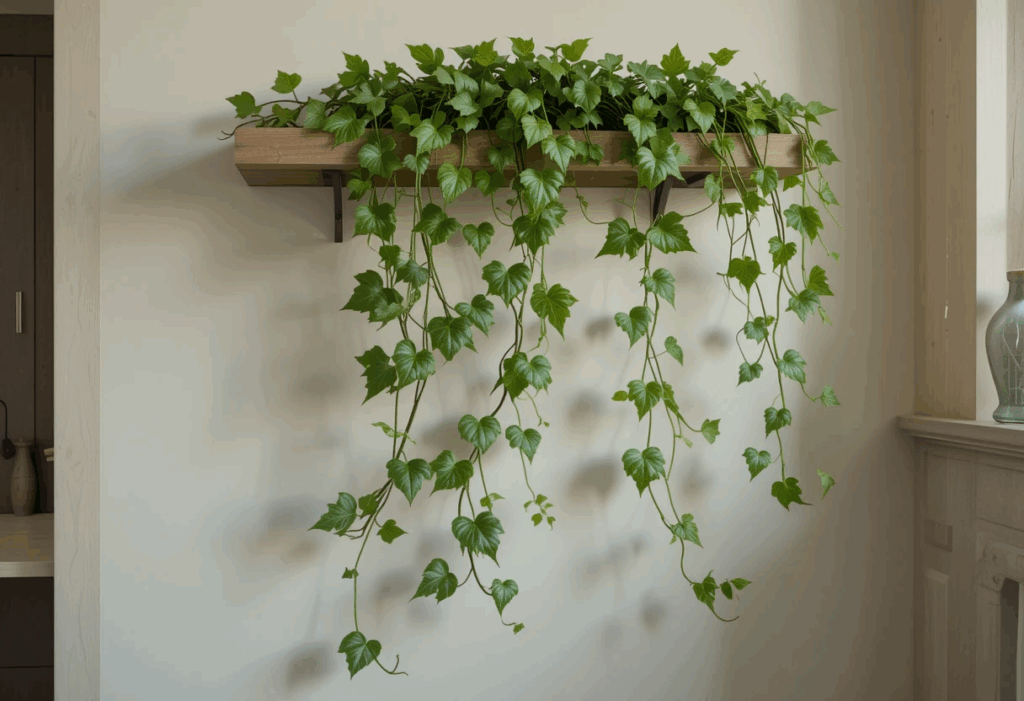
If you love trailing greenery with minimal maintenance, Swedish Ivy is a wonderful addition to a pet-friendly home. Its cascading stems, glossy scalloped leaves, and fast-growing habit make it one of the most attractive indoor plants safe for pets. Whether displayed in a hanging basket, on a bookshelf, or in a decorative planter, it adds lush texture and vibrant greenery without posing a risk to curious cats or dogs.
Swedish Ivy grows best in bright, indirect light but adapts well to medium-light conditions. It prefers evenly moist, well-draining soil and responds well to occasional pruning, producing a fuller, bushier appearance. During the growing season, mature plants may also produce delicate lavender-white flowers, adding even more charm to this easy-care favorite.
🌿 Quick Facts
- 🐾 Pet Safety: Safe for cats and dogs
- ☀️ Light: Bright to medium, indirect light
- 💧 Water: Water when the top inch (2.5 cm) of soil feels dry
- 🏡 Best For: Hanging baskets, shelves, and indoor planters
- ⭐ Care Level: Easy
Popular Varieties
- Green Swedish Ivy – Features glossy green leaves with a trailing growth habit that’s perfect for hanging displays.
- Variegated Swedish Ivy – Cream-edged foliage adds extra brightness and visual interest to indoor spaces.
17. Ponytail Palm (Beaucarnea recurvata)
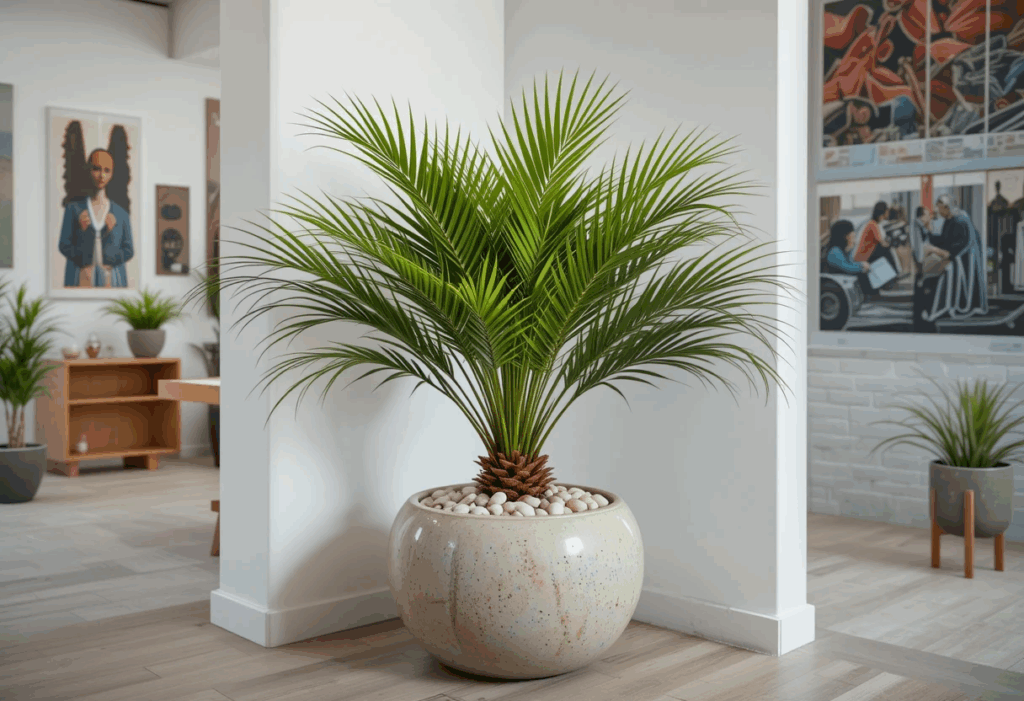
Don’t let the name fool you, the Ponytail Palm isn’t a true palm but a hardy succulent prized for its swollen trunk and long, cascading leaves. Its unique appearance makes it a striking focal point while also being one of the best non-toxic houseplants for pet owners. Since it’s completely safe for cats and dogs, you can enjoy its sculptural beauty without worrying about curious paws or playful pets.
This drought-tolerant plant thrives in bright, indirect light and stores water in its bulbous base, making it an excellent choice for busy households or beginner plant parents. Whether placed in a sunny living room, home office, or entryway, the Ponytail Palm adds texture, height, and year-round greenery with very little maintenance.
🌿 Quick Facts
- 🐾 Pet Safety: Safe for cats and dogs
- ☀️ Light: Bright, indirect light to a few hours of gentle morning sun
- 💧 Water: Water only when the soil is completely dry
- 🏡 Best For: Living rooms, offices, and bright indoor corners
- ⭐ Care Level: Easy
Popular Varieties
- Standard Ponytail Palm – Features a thick, water-storing trunk with long, arching green leaves that resemble a ponytail.
- Multi-Head Ponytail Palm – Produces multiple crowns of cascading foliage, creating a fuller and more dramatic display.
18. Aluminum Plant (Pilea cadierei)
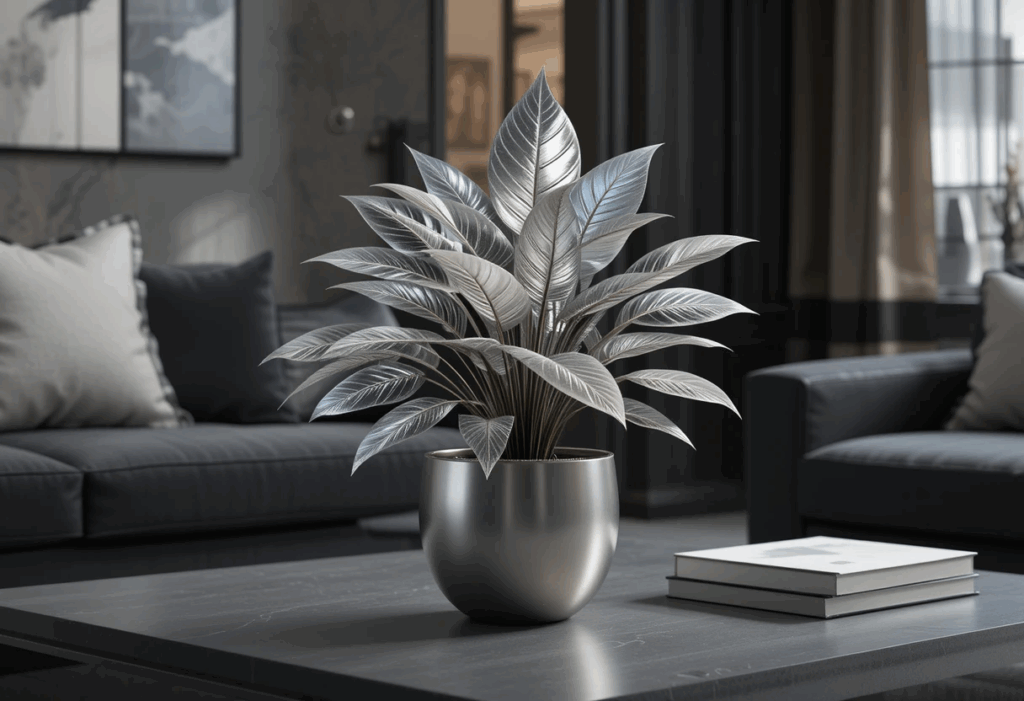
With its shimmering silver markings and lush green foliage, the Aluminum Plant is a beautiful choice for anyone looking to add texture and brightness to a pet-friendly indoor garden. This compact tropical plant is one of the indoor plants safe for pets, making it a worry-free option for households with curious cats and dogs. Its eye-catching leaves create a striking contrast that looks especially attractive on shelves, desks, or coffee tables.
The Aluminum Plant grows best in bright, indirect light and prefers evenly moist, well-draining soil. Regular pinching encourages bushier growth, helping it maintain a neat, full appearance throughout the year. Easy to care for and highly decorative, it’s an excellent pet-safe houseplant for both beginners and experienced indoor gardeners.
🌿 Quick Facts
- 🐾 Pet Safety: Safe for cats and dogs
- ☀️ Light: Bright, indirect light
- 💧 Water: Water when the top inch (2.5 cm) of soil feels dry
- 🏡 Best For: Desks, shelves, terrariums, and small indoor spaces
- ⭐ Care Level: Easy
Popular Varieties
- Standard Aluminum Plant – Deep green leaves highlighted with distinctive silver patches for a bold, metallic look.
- Mini Aluminum Plant – A compact variety with smaller foliage, ideal for desktops, terrariums, and limited spaces.
19. Banana Plant (Musa spp.)
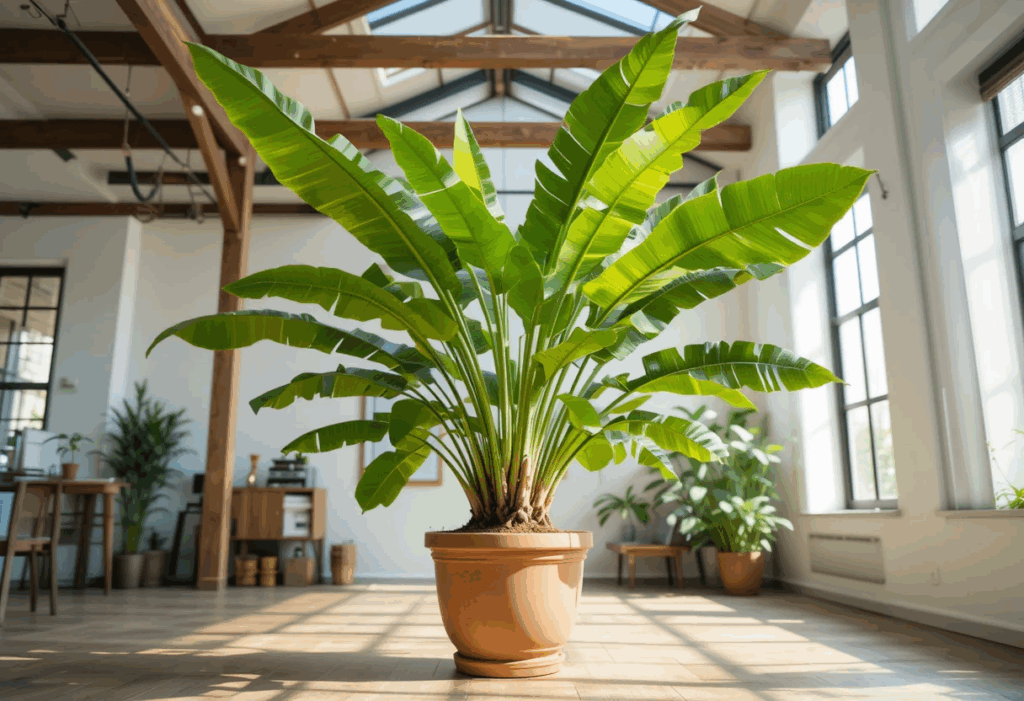
Bring a bold tropical vibe indoors with the Banana Plant, a fast-growing foliage plant admired for its large, paddle-shaped leaves. Despite its dramatic appearance, it’s one of the safe indoor plants for cats and dogs, making it a fantastic choice for pet owners who want lush greenery without compromising their pets’ safety. Its oversized leaves instantly create a resort-like atmosphere in bright living rooms, sunrooms, or spacious home offices.
Banana Plants thrive in bright, indirect light or a few hours of gentle morning sun and appreciate consistently moist, well-draining soil. While they may not produce edible bananas indoors, their impressive foliage alone makes them a stunning statement piece. With warmth, humidity, and regular watering, this pet-friendly indoor plant will reward you with vigorous, tropical growth.
🌿 Quick Facts
- 🐾 Pet Safety: Safe for cats and dogs
- ☀️ Light: Bright, indirect light to gentle morning sun
- 💧 Water: Keep the soil evenly moist but never waterlogged
- 🏡 Best For: Living rooms, sunrooms, and spacious indoor areas
- ⭐ Care Level: Moderate
Popular Varieties
- Dwarf Cavendish – A compact variety with broad green leaves, perfect for growing indoors.
- Red Abyssinian Banana (Ensete ventricosum ‘Maurelii’) – Features striking reddish-bronze foliage that adds dramatic color and a tropical feel.
20. Haworthia (Haworthia spp.)
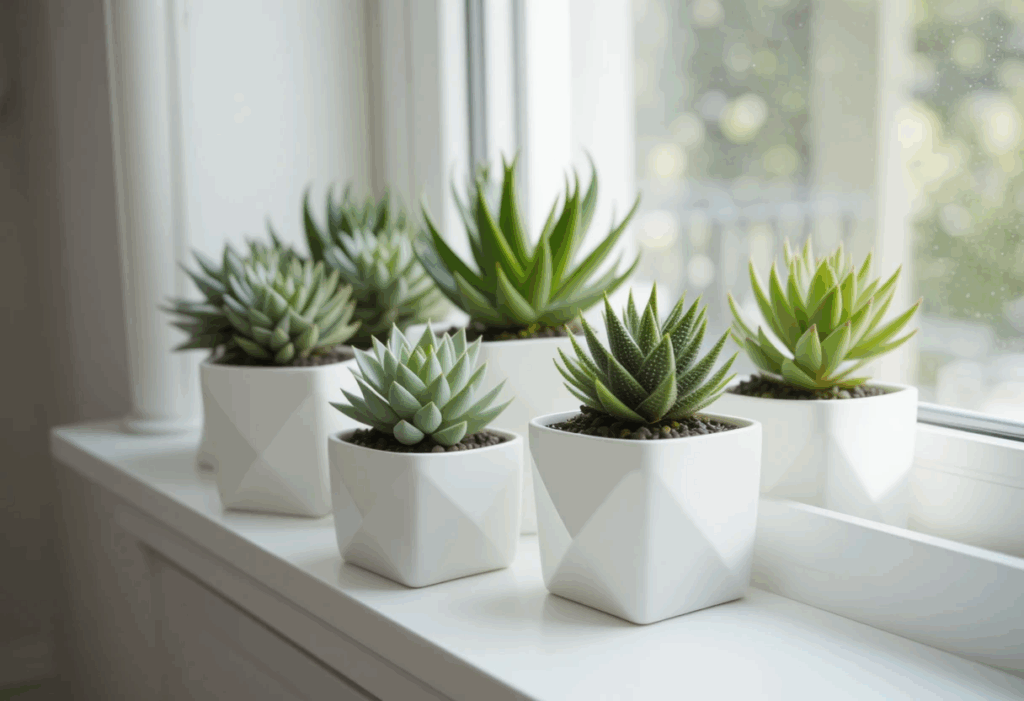
Compact, stylish, and incredibly easy to care for, Haworthia is one of the best pet-friendly indoor plants for beginners and busy plant owners. Its thick, fleshy leaves grow in attractive rosettes, often featuring white stripes or translucent tips that add texture and visual interest. Best of all, this charming succulent is among the non-toxic houseplants that are safe to keep around curious cats and dogs.
Haworthia thrives in bright, indirect light and requires very little water, making it ideal for apartments, home offices, windowsills, and desktops. Thanks to its slow growth and compact size, it’s a perfect choice for small spaces where you want low-maintenance greenery that still makes an impact.
🌿 Quick Facts
- 🐾 Pet Safety: Safe for cats and dogs
- ☀️ Light: Bright, indirect light
- 💧 Water: Water only when the soil is completely dry
- 🏡 Best For: Desks, windowsills, shelves, and small indoor spaces
- ⭐ Care Level: Easy
Popular Varieties
- Zebra Haworthia (Haworthiopsis attenuata) – Features dark green leaves with distinctive white horizontal bands for a bold architectural look.
- Cooper’s Haworthia (Haworthia cooperi) – Known for its plump, translucent leaf tips that create a unique, jewel-like appearance.
21. Hoya (Hoya spp.)
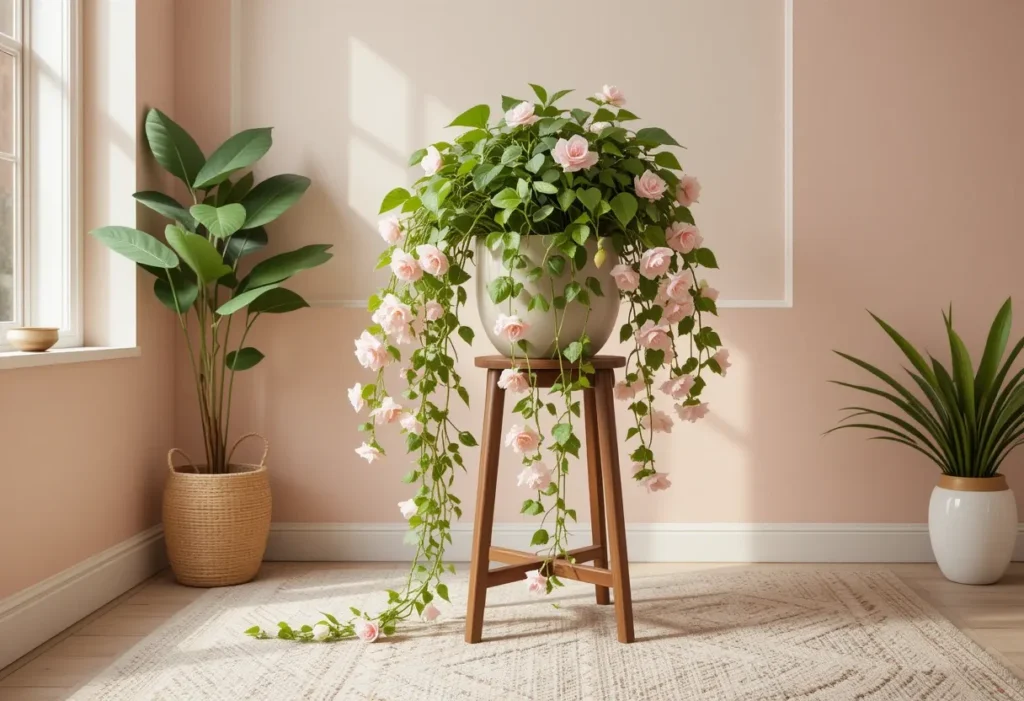
Loved for its thick, waxy leaves and clusters of star-shaped flowers, Hoya is one of the most rewarding pet-friendly indoor plants you can grow. Also known as the Wax Plant, this tropical vine is completely safe for cats and dogs, making it a beautiful choice for pet owners who want both attractive foliage and long-lasting blooms. Its trailing stems look stunning in hanging baskets, floating shelves, or climbing a small trellis.
Hoyas thrive in bright, indirect light and prefer to dry out slightly between waterings. Their succulent-like leaves store moisture, making them more drought-tolerant than many other flowering houseplants. With proper care, this pet-safe houseplant produces fragrant flower clusters that can bloom repeatedly year after year.
🌿 Quick Facts
- 🐾 Pet Safety: Safe for cats and dogs
- ☀️ Light: Bright, indirect light
- 💧 Water: Water when the top half of the soil feels dry
- 🏡 Best For: Hanging baskets, shelves, and sunny indoor spaces
- ⭐ Care Level: Easy
Popular Varieties
- Hoya carnosa – The classic Wax Plant with glossy green leaves and fragrant pink, star-shaped flowers.
- Hoya pubicalyx – Features elongated leaves with silver speckles and produces clusters of deep pink to burgundy blooms.
22.Fittonia (Nerve Plant)
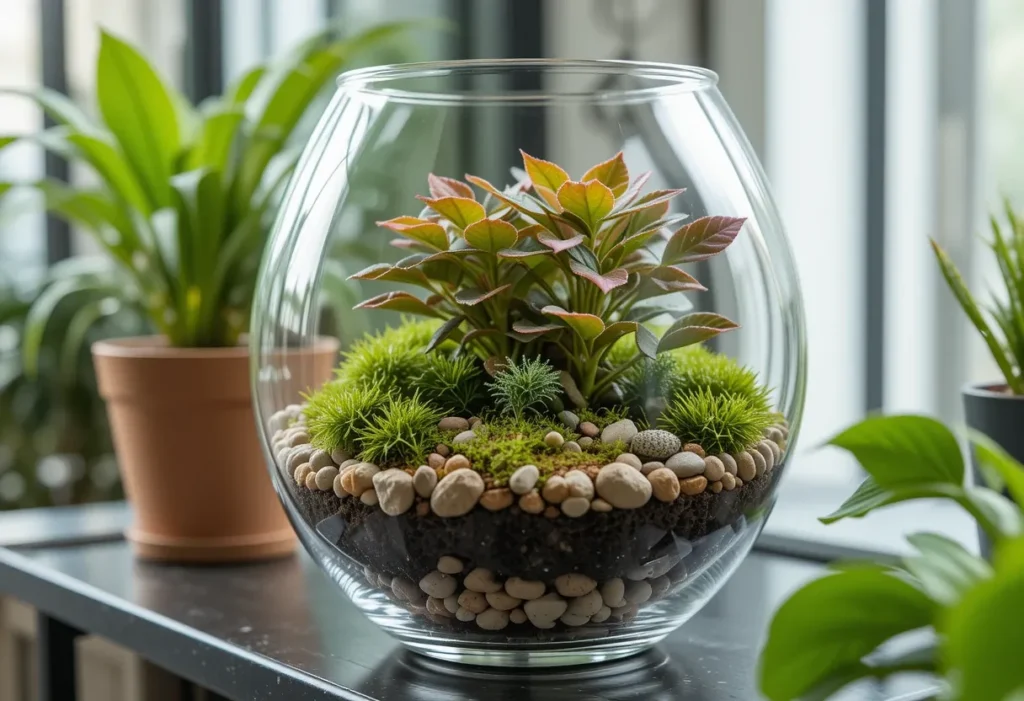
With its vibrant network of colorful veins, Fittonia, commonly known as the Nerve Plant, is one of the most eye-catching pet-friendly indoor plants for small spaces. Its lush green leaves are beautifully accented with white, pink, or red veins, making it a favorite for terrariums, desktops, and decorative shelves. Best of all, this tropical beauty is among the indoor plants safe for pets, so you can enjoy its striking foliage without worrying about curious cats or dogs.
Fittonia thrives in bright, indirect light and loves consistently moist soil and high humidity. While it can be a little more demanding than some houseplants, the reward is a colorful, compact plant that instantly brightens bedrooms, bathrooms, and cozy indoor corners.
🌿 Quick Facts
- 🐾 Pet Safety: Safe for cats and dogs
- ☀️ Light: Bright, indirect light
- 💧 Water: Keep the soil evenly moist but not soggy
- 💦 Humidity: Prefers high humidity
- 🏡 Best For: Terrariums, desktops, bathrooms, and shelves
- ⭐ Care Level: Moderate
Popular Varieties
- Pink Nerve Plant – Bright green leaves with vivid pink veins that add a splash of color to indoor spaces.
- White Anne – Dark green foliage highlighted by crisp white veins for an elegant, modern look.
23. Cast Iron Plant (Aspidistra elatior)
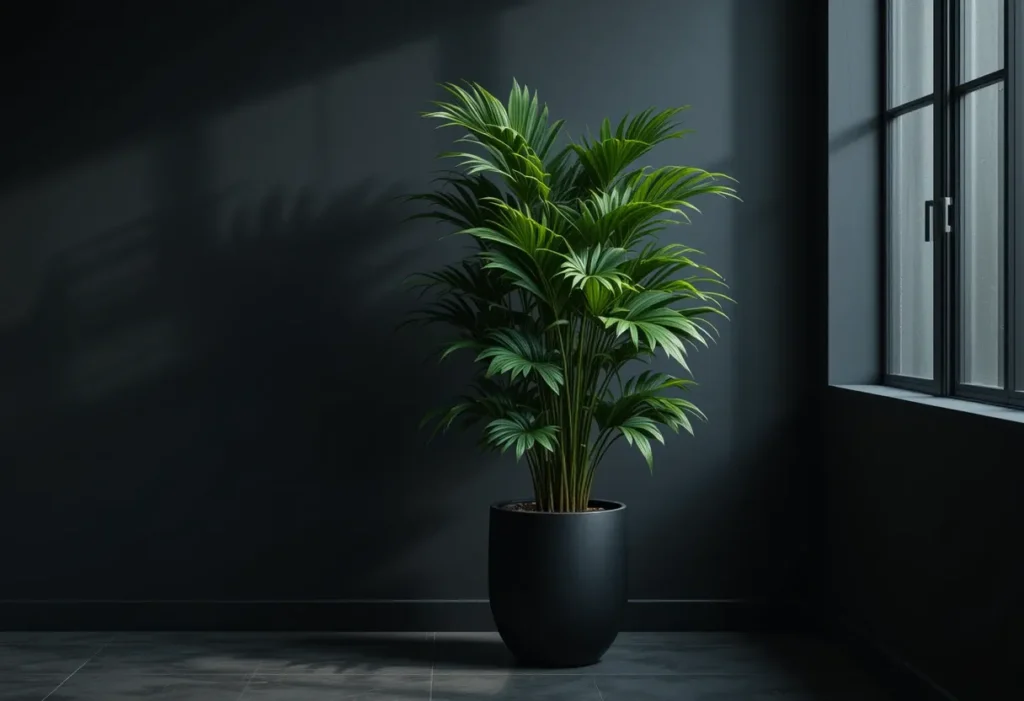
True to its name, the Cast Iron Plant is one of the toughest pet-friendly indoor plants you can grow. This resilient foliage plant thrives on neglect, tolerating low light, inconsistent watering, and changing indoor temperatures with ease. As one of the best non-toxic houseplants, it’s completely safe for cats and dogs, making it an excellent choice for busy households and pet owners alike.
Its broad, glossy green leaves bring timeless elegance to shaded corners, hallways, bedrooms, and home offices where many other plants struggle to survive. With its slow-growing nature and minimal care requirements, the Cast Iron Plant is a reliable addition to any indoor plant collection.
🌿 Quick Facts
- 🐾 Pet Safety: Safe for cats and dogs
- ☀️ Light: Low to bright, indirect light
- 💧 Water: Water when the top half of the soil feels dry
- 🏡 Best For: Hallways, bedrooms, offices, and low-light rooms
- ⭐ Care Level: Easy
Popular Varieties
- Milky Way – Dark green leaves sprinkled with tiny cream-colored speckles for a unique, starry appearance.
- Variegata – Features elegant green foliage with creamy white stripes that brighten indoor spaces.
24. Basil (Ocimum basilicum)
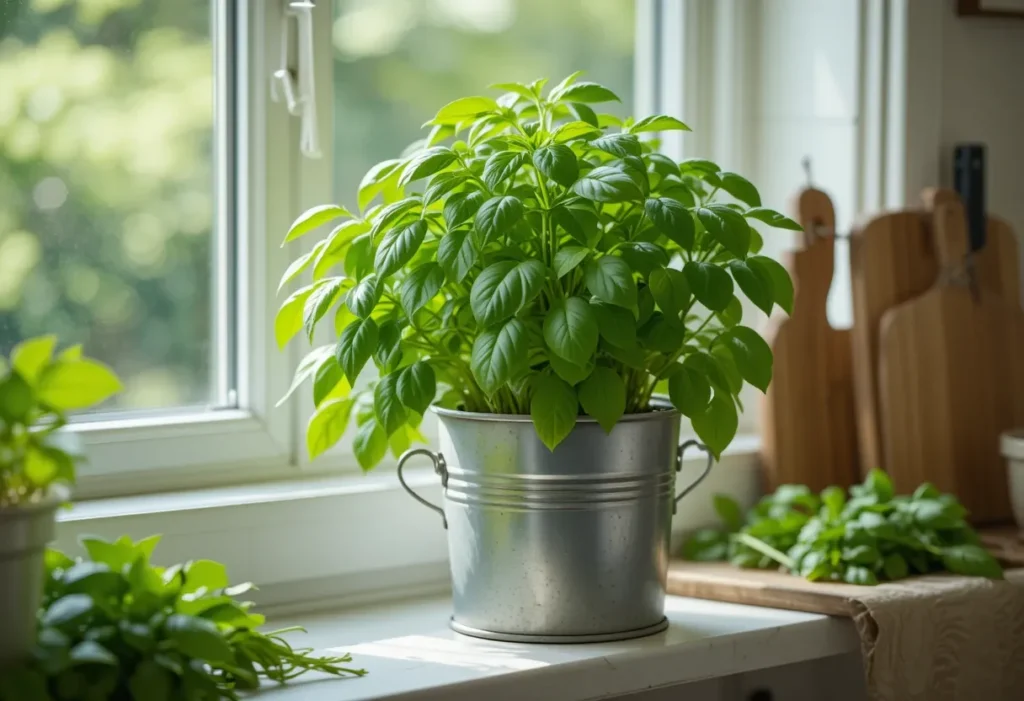
Fresh, fragrant, and incredibly versatile, Basil is more than just a culinary herb, it’s also one of the best pet-friendly indoor plants for sunny kitchens and windowsills. This aromatic herb is safe for cats and dogs, allowing you to grow fresh leaves for cooking while keeping your furry companions protected. Its vibrant green foliage and pleasant scent make it both a practical and decorative addition to your indoor garden.
Basil thrives in bright light, requiring at least 6–8 hours of sunlight each day. Keep the soil consistently moist and pinch off flower buds regularly to encourage bushier growth and a continuous harvest of flavorful leaves. Whether you’re making homemade pesto or simply adding fresh herbs to your meals, Basil is a rewarding plant that’s easy to grow indoors.
🌿 Quick Facts
- 🐾 Pet Safety: Safe for cats and dogs
- ☀️ Light: 6–8 hours of bright sunlight or a sunny windowsill
- 💧 Water: Keep the soil evenly moist but well-drained
- 🏡 Best For: Kitchen windowsills, herb gardens, and sunny indoor spaces
- ⭐ Care Level: Easy
Popular Varieties
- Genovese Basil – Classic Italian variety with large, aromatic leaves, ideal for pesto and Mediterranean dishes.
- Sweet Basil – A popular all-purpose variety with fragrant foliage that’s perfect for everyday cooking.
25. Lemon Balm (Melissa officinalis)
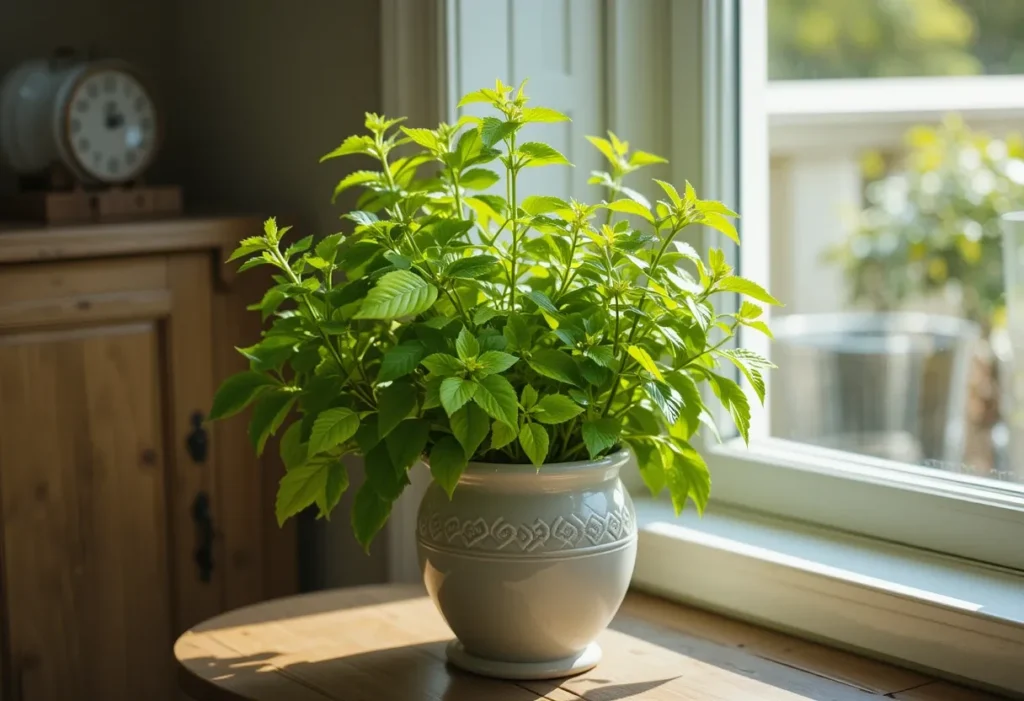
With its refreshing citrus fragrance and bright green leaves, Lemon Balm is a delightful addition to any indoor herb garden. This aromatic herb is one of the most useful pet-friendly indoor plants, as it’s considered safe for cats and dogs while offering fresh leaves for teas, cooking, and herbal remedies. Its pleasant lemon scent also helps create a fresh, inviting atmosphere in kitchens and sunny living spaces.
Lemon Balm grows best in bright, indirect light or several hours of gentle morning sun. Keep the soil evenly moist and harvest the leaves regularly to encourage fuller, bushier growth. Easy to grow and highly versatile, this non-toxic houseplant is perfect for gardeners who want both beauty and practicality indoors.
🌿 Quick Facts
- 🐾 Pet Safety: Safe for cats and dogs
- ☀️ Light: Bright, indirect light to 4–6 hours of gentle sunlight
- 💧 Water: Keep the soil consistently moist but well-drained
- 🏡 Best For: Kitchen windowsills, indoor herb gardens, and sunny rooms
- ⭐ Care Level: Easy
Popular Varieties
- Common Lemon Balm – Classic variety with fragrant lemon-scented leaves, perfect for teas and culinary use.
- Variegated Lemon Balm – Features green leaves edged with creamy yellow, adding ornamental appeal to indoor herb collections.
Tips for Growing Pet-Friendly Indoor Plants
1. Choose Plants from Trusted Pet-Safe Lists
Before bringing home a new plant, always verify that it’s safe for cats and dogs using reliable sources such as the ASPCA. Even plants with similar common names can have different safety levels, so checking the scientific name helps avoid confusion.
2. Give Your Plants the Right Amount of Light
Most pet-friendly indoor plants thrive in bright, indirect light. Place them near east- or north-facing windows, or a few feet away from sunny windows where they’ll receive filtered sunlight without scorching the leaves.
3. Avoid Overwatering
Too much water is one of the most common reasons indoor plants fail. Check the soil before watering, and only water when the top layer feels dry unless the plant prefers consistently moist soil.
4. Use Pet-Safe Pots and Potting Mix
Choose sturdy pots with drainage holes to prevent waterlogging and avoid decorative moss, chemical fertilizers, or pesticides that curious pets could chew or ingest.
5. Keep Leaves Clean
Dust can reduce a plant’s ability to absorb light. Wipe leaves gently with a damp microfiber cloth every few weeks to keep them healthy and looking their best.
6. Increase Humidity for Tropical Plants
Many tropical non-toxic houseplants, such as Calatheas, Prayer Plants, and Ferns, appreciate higher humidity. Group plants together, use a pebble tray, or run a humidifier to encourage healthy growth.
7. Rotate Plants Every Few Weeks
Turn your plants a quarter turn every couple of weeks so each side receives equal light. This encourages balanced growth and prevents stems from leaning toward the window.
8. Prune Regularly for Healthier Growth
Remove yellow, damaged, or dead leaves to keep plants healthy and encourage fresh new growth. Light pruning also helps trailing plants stay fuller and more attractive.
9. Discourage Pets from Chewing Plants
Even though these are indoor plants safe for pets, eating large amounts of any plant may still upset your pet’s stomach. Offer pet grass or cat grass, provide plenty of toys, and place delicate plants slightly out of reach if your pet likes to nibble.
10. Fertilize During the Growing Season
Feed your houseplants with a balanced indoor plant fertilizer every 4–6 weeks during spring and summer. Reduce or stop fertilizing in fall and winter when growth naturally slows.
Frequently Asked Questions
Conclusion
Creating a beautiful indoor garden is possible while keeping your furry companions safe. By choosing the right pet-friendly indoor plants and providing proper care, you can enjoy fresh greenery without worrying about your cats or dogs.
From selecting the best location and providing the right amount of light to proper watering, regular maintenance, and safe plant placement, small care steps can make a big difference. Whether you prefer easy-care plants, large statement greenery, or small tabletop varieties, there are plenty of safe options to suit your home and lifestyle.
Remember to monitor both your plants and pets regularly, as every home environment is different. With thoughtful planning and consistent care, your indoor plants can grow beautifully while creating a healthier, more welcoming space for the entire family.
Bring nature indoors, choose wisely, and enjoy a thriving pet-friendly indoor garden that both you and your pets can love.