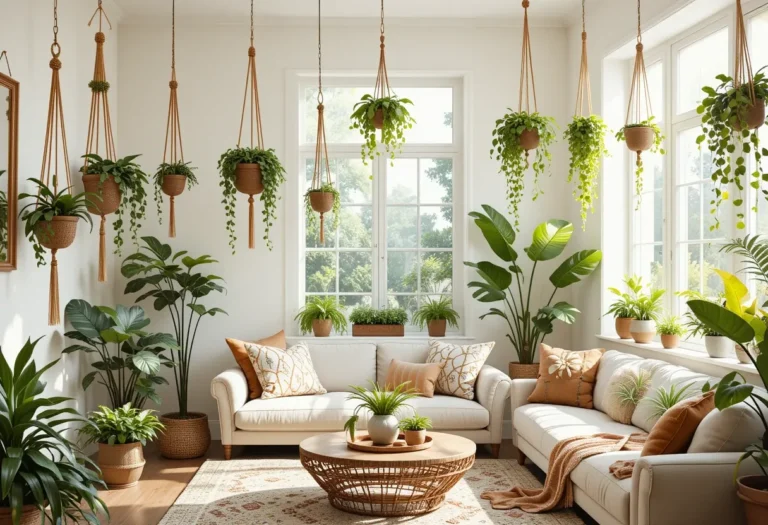
How to Grow Amaryllis Indoors: Planting, Care & Reblooming
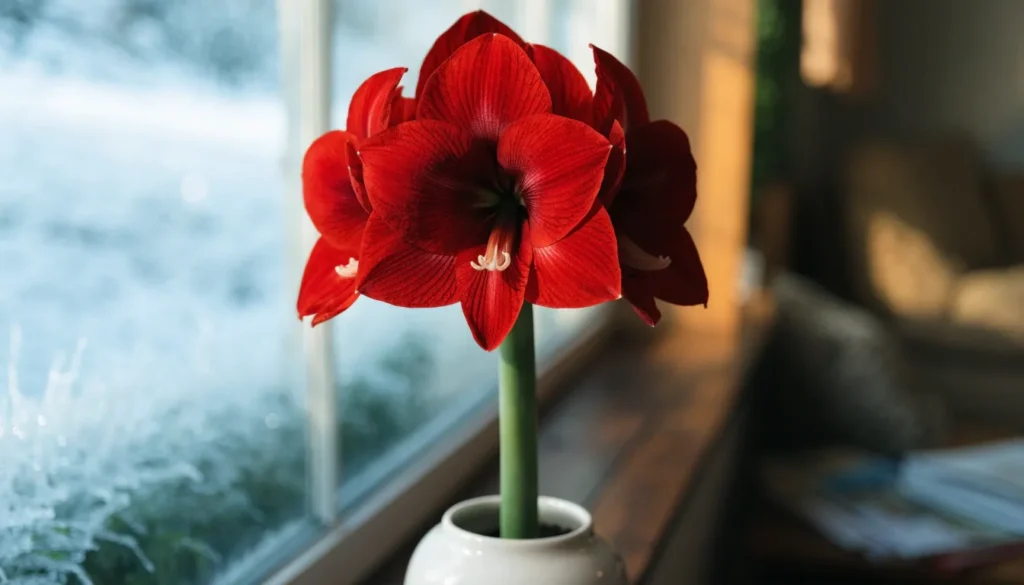
Amaryllis is one of the few houseplants that goes from a bare bulb to a tall stalk of trumpet-shaped flowers in about two months, right when your windowsills look their bleakest. The plant sold as amaryllis is technically Hippeastrum, a tender tropical bulb, and with the right care the same bulb will bloom again every winter for years.
This guide shows you how to grow amaryllis indoors from bulb to bloom: choosing a healthy bulb, planting it at the right depth, caring for it while it grows, and getting it to rebloom next year. If you enjoy winter color, you’ll also like our roundup of the best indoor flowering plants.
Table of Contents
Quick Amaryllis Care Summary
Use this table as a checklist for growing amaryllis indoors.
| Factor | What it needs |
|---|---|
| Light | Bright light while growing; avoid hot, direct midday sun once flowers open |
| Temperature | 68–75°F (20–24°C) to grow; 60–65°F (15–18°C) to prolong blooms |
| Water | Sparingly at first; lightly moist once the flower stalk is growing |
| Soil | Well-draining potting mix in a pot with drainage holes |
| Bloom time | About 6–10 weeks after planting |
| Rest period | 8–12 weeks of cool, dry dormancy before the next bloom cycle |
| Pets | Toxic to cats and dogs |
How to Choose Healthy Amaryllis Bulbs
Good results when growing amaryllis indoors start with the bulb. Bulb size is the best predictor of flower count. Larger bulbs store more energy, so they send up more flower stalks with bigger blooms.
- Pick a bulb that feels firm and heavy for its size.
- Skip any with soft spots, mold, or a sour smell.
- A little green growth at the tip is normal and fine.
- Miniature varieties produce smaller bulbs by nature, so compare size within the same type.
If you aren’t ready to plant, store the bulb somewhere dry, cool, and dark, around 45–55°F (7–13°C).
When to Plant Amaryllis Bulbs for Holiday Blooms
If you want to grow amaryllis indoors for holiday blooms, count backward from the date you want flowers. Most bulbs bloom 6–10 weeks after planting, depending on the variety, bulb size, and how warm your room is. You can plant any time from October through spring.
| Plant on | Expect blooms |
|---|---|
| October 15 | Late November to Christmas Eve |
| November 1 | Mid-December to early January |
| November 15 | Late December to late January |
| December 1 | Mid-January to early February |
| December 15 | Late January to late February |
For a longer display, plant a new bulb every 2–3 weeks. Amaryllis is a tender bulb, so don’t confuse it with the hardy bulbs in our guides on how to plant spring bulbs and what to plant in November. Those go in the ground, while amaryllis stays in a pot indoors.
How to Grow Amaryllis Indoors: Planting Step by Step
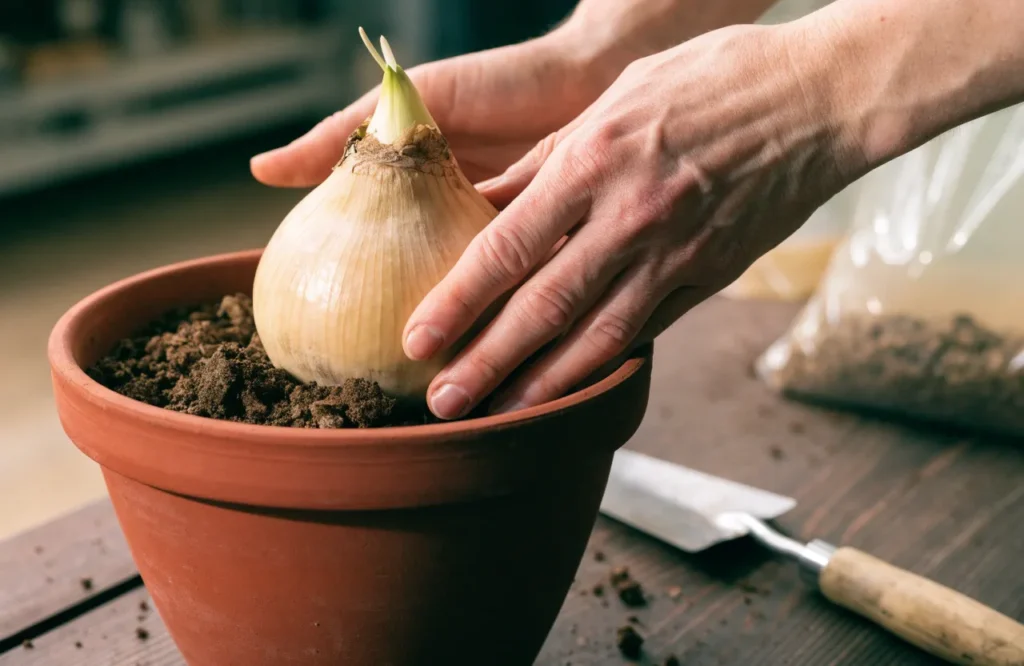
Learning how to plant an amaryllis bulb correctly is the most important part of the process. Follow these six steps.
- Soak the roots. Set the base of the bulb in lukewarm water for 2–4 hours. Keep the upper bulb dry.
- Trim damaged roots. Cut off any that are dead or mushy.
- Choose a snug pot. Pick one only 1–2 inches (2.5–5 cm) wider than the bulb, with drainage holes. Amaryllis flower best when slightly crowded, and a heavy terracotta or ceramic pot keeps the top-heavy stalk from tipping.
- Plant shallow. Fill with well-draining potting mix and set the bulb so the top third to half stays above the soil. Burying the neck invites rot.
- Water once, lightly. Moisten the soil, then wait until the top inch is dry before watering again.
- Move it somewhere warm and bright. Slightly warmer than normal room temperature speeds up growth.
Wax-Coated and No-Water Amaryllis Bulbs
Wax-coated amaryllis bulbs are sold ready to display. They hold enough stored moisture to bloom without soil or water, so you simply set the bulb on a saucer in a bright spot. Treat them as a one-time display: they’re convenient as gifts, but they won’t rebloom as reliably as a bulb grown in soil.
How to Grow Amaryllis in Water
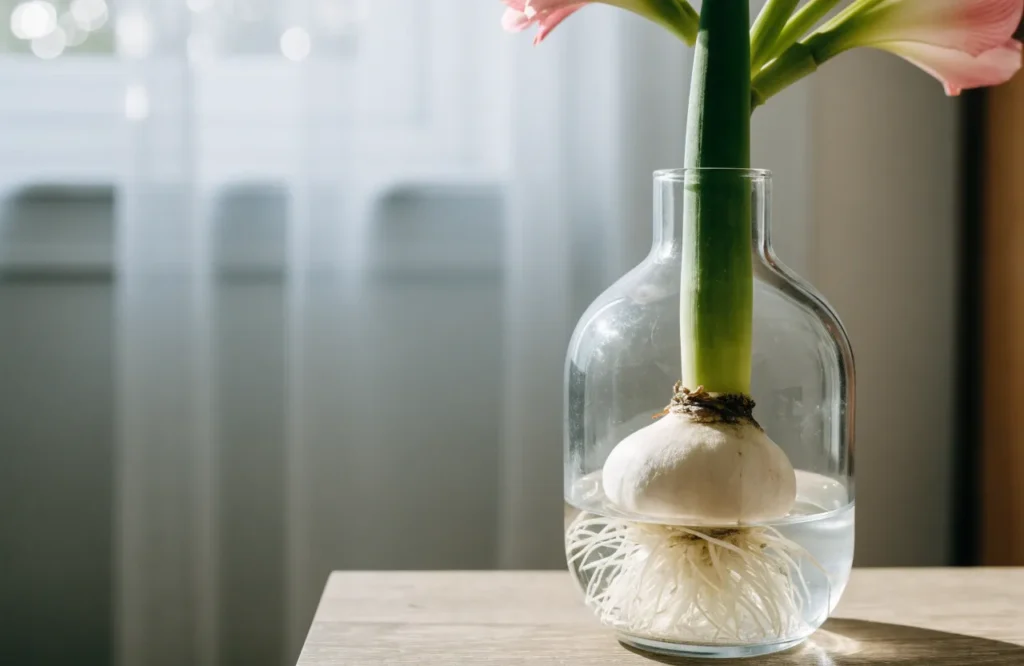
Prefer a no-soil display? Use a clear vase filled with pebbles or glass stones, set the bulb on top, and add water until it reaches the roots only. The base of the bulb must stay above the waterline, or it will rot. Water-grown bulbs usually bloom once and are drained afterward, so move them into potting mix after flowering if you want to keep them. Curious about other plants that grow in water? See our best hydroponic plants to grow indoors.
Amaryllis Bulb Care While It Grows
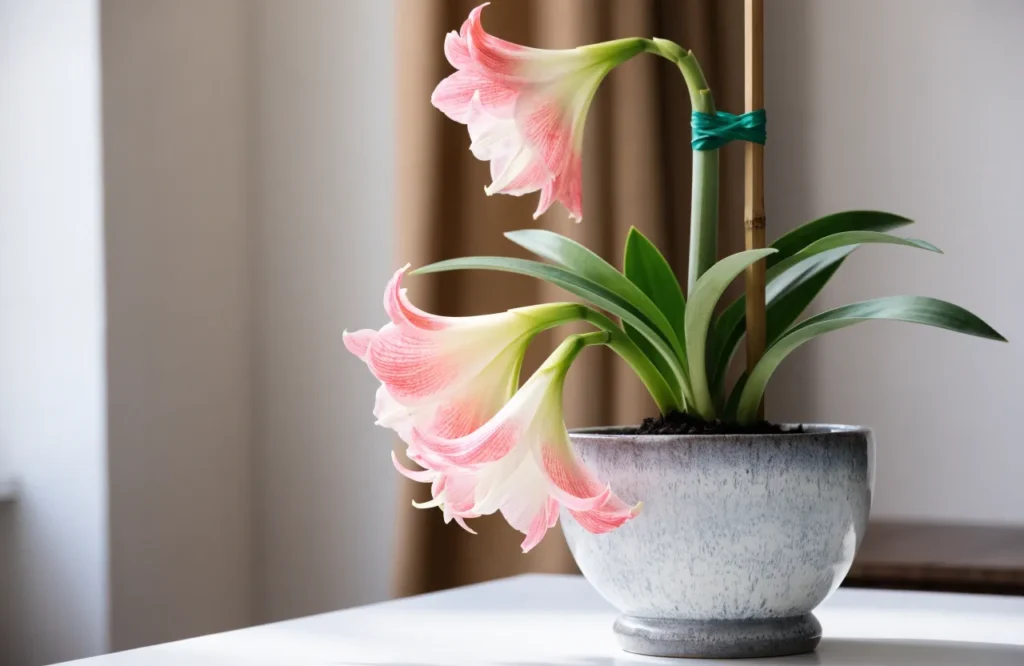
Light. Bright light keeps the flower stalk sturdy instead of leggy. Turn the pot a quarter turn every few days so it grows straight. If your home is dim, amaryllis isn’t the best fit; try one of these low light indoor plants instead.
Water. Overwatering is the number one bulb killer. Keep watering minimal until you see green growth, then water more often as the stalk rises. Never leave the pot sitting in a wet saucer.
Temperature. Keep it away from drafty windows, radiators, and heating vents. Our winter houseplant care guide explains how to handle cold glass and dry indoor air.
Feeding. Once leaves appear, feed every 2–4 weeks with a balanced houseplant fertilizer, following the label.
Support. Tall stalks with heavy flowers often flop. Push a stake in beside the stalk early, taking care not to pierce the bulb.
How to Make Amaryllis Blooms Last Longer
Once the flowers open, move the pot out of direct sun and away from heaters. A cooler room, around 60–65°F (15–18°C), can extend the display by a week or more. Each flower stalk blooms for roughly two weeks, and a large bulb sends up several stalks that open at different times.
What to Do After Amaryllis Blooms
- Cut each flower stalk off near the top of the bulb once it fades.
- Keep the leaves. They photosynthesize and recharge the bulb for next year.
- Put the pot in your brightest window, and keep watering and feeding.
- When nights stay above about 50°F (10°C), you can move the pot outdoors for summer. Introduce it to sun gradually.
How to Make Amaryllis Rebloom
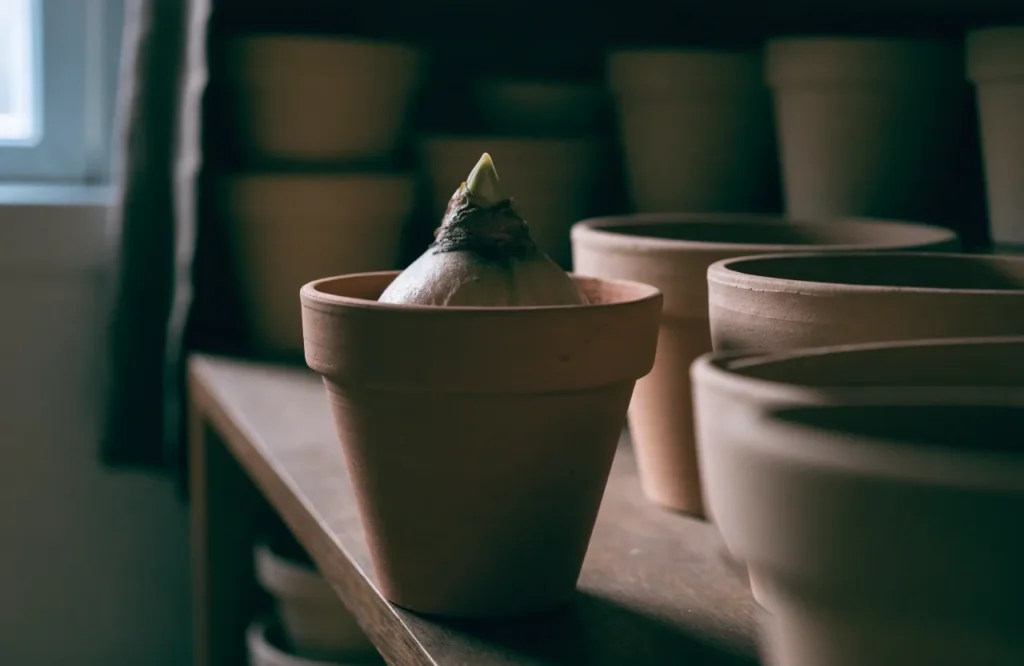
Getting the same bulb to flower again is the part of growing amaryllis indoors that surprises most people. Amaryllis need a dormant rest period before they will flower again.
- In late summer, or about 3–4 months before you want blooms, stop watering and feeding. Bring the pot indoors before the first frost. Our list of plants to bring indoors before frost shows what else to move at the same time.
- Let the leaves yellow and die back, then trim them off.
- Store the pot in a cool, dark spot, around 50–55°F (10–13°C), for 8–12 weeks. Check occasionally for mold or shriveling.
- When new growth appears, or the rest period ends, refresh the top few inches of soil, water once, and return the pot to a warm, bright spot.
Bulbs usually bloom again in 6–10 weeks. A mature bulb may also grow small offset bulbs beside it, which you can separate and pot up when you repot.
Common Amaryllis Problems and Fixes
Leaves but no flowers. The usual causes are too short a rest period, too little light, or a pot that is too large. Give the bulb its full dormancy, bright light, and a snug pot.
Leaning or falling flower stalk. Stake it and rotate the pot regularly. Low light also causes stretching.
Soft, mushy bulb. This is rot from overwatering or a buried neck. If only part is affected, cut away the soft tissue and repot in dry mix. A bulb that is mushy all the way through can’t be saved.
Red streaks on leaves or bulb. This may be red blotch, a fungal disease. Remove affected tissue, improve airflow, and use a fungicide if it spreads.
Flower stalk grows but buds won’t open. Low light or cold drafts are the usual cause. Move it somewhere warmer and brighter.
Yellow leaves. During late-summer dormancy this is normal. During active growth, check for overwatering.
For more plant problem guides, browse our gardening troubleshooting section.
Is Amaryllis Toxic to Cats and Dogs?
Yes. Amaryllis is toxic to cats and dogs, and the bulb is the most dangerous part. If a pet chews any part of the plant, call your vet or a pet poison hotline right away, and keep pots out of reach. If you share your home with curious pets, our list of pet-friendly indoor plants has safer choices.
Can You Grow Amaryllis Outdoors?
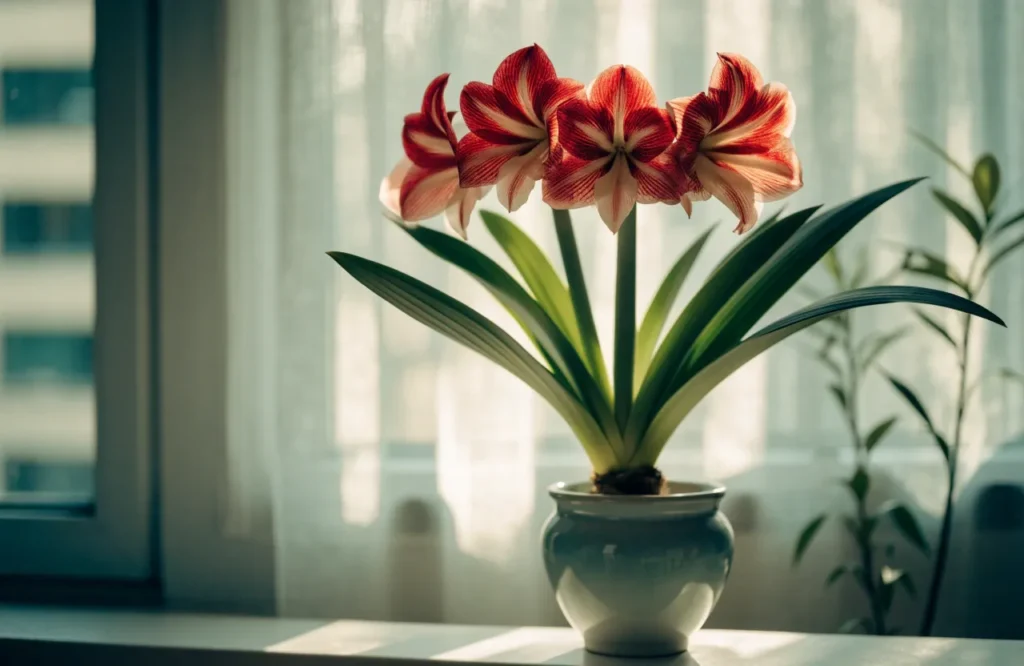
In warm climates (roughly USDA zones 8–10, depending on the variety), amaryllis can be planted in the garden. Gardeners in the UK, Canada, and cooler parts of the US and Australia usually grow them in pots and move them outside only in summer. In hot, humid places like Singapore, the main risk is rot, so use a fast-draining mix, avoid wet saucers, and shelter pots from heavy rain.
Frequently Asked Questions
Final Thoughts
Now you know how to grow amaryllis indoors. Plant a snug bulb in a well-draining pot, go easy on water, keep the leaves after flowering, and give it a proper rest. Do that and your amaryllis will repay you every winter. For more seasonal plant care, explore our indoor plants collection.