Vegetables That Survive Frost: 28 Crops Sorted by Cold Tolerance
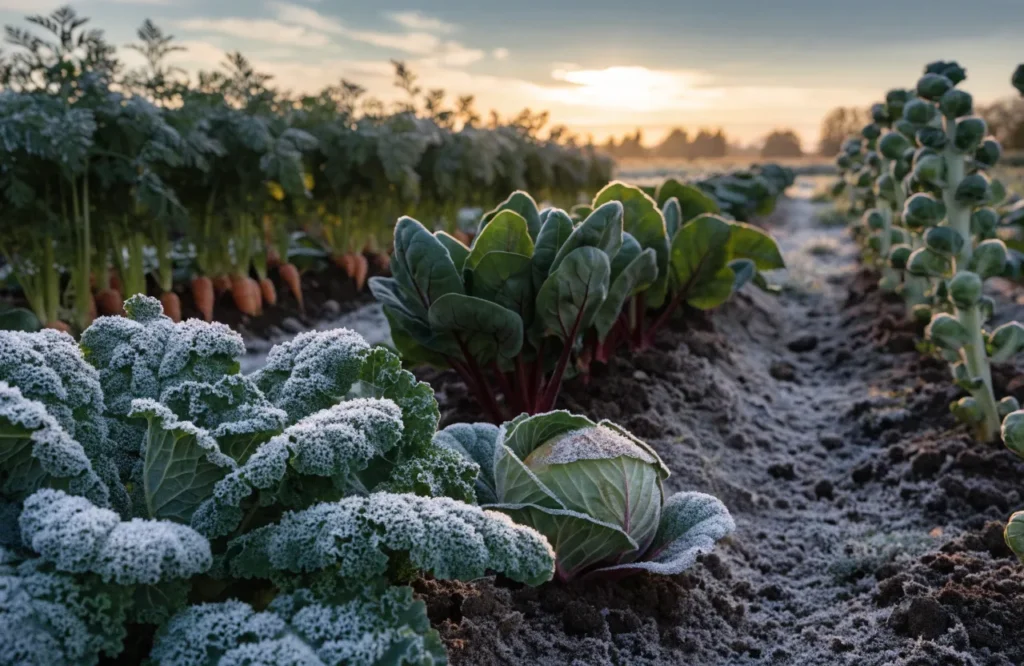
Vegetables that survive frost can stay in the garden when a cold warning hits, while other crops need to be picked or covered that same night. Which is which comes down to cold tolerance. Vegetables fall into three groups: frost-tender, frost-tolerant, and cold-hardy.
This guide sorts 28 crops into those groups, tells you when to harvest each one, and covers practical ways to protect your garden before temperatures drop. For the full October task list around the first frost, see our October garden checklist.
One caution first: surviving a light frost does not mean a crop can handle a prolonged hard freeze. Variety, growing conditions, and how long the cold lasts all change how much protection your plants need.
Table of Contents
Vegetables That Survive Frost: The Three Groups at a Glance
| Group | What to do | Examples |
|---|---|---|
| Frost-tender | Harvest before frost, or protect temporarily if conditions allow | Tomatoes, peppers, cucumbers, basil |
| Frost-tolerant | Leave outside in a light frost; cover when colder weather threatens | Lettuce, spinach, cabbage, peas |
| Cold-hardy | Often tolerate repeated freezes; mulch root crops | Kale, collards, carrots, parsnips |
These groups are general guidance, not guarantees. Crops within a group differ in how much cold they can take.
Quick Reference: Approximate Damage Temperatures
Use these figures as rough planning numbers, not hard limits. Established, acclimated plants usually do better than young or unhardened ones, and a few hours at a given temperature is very different from a whole night. For figures specific to your varieties, check your local university extension service.
| Group | Crops | Approximate temperature where damage begins |
|---|---|---|
| Frost-tender | Tomatoes, peppers, eggplant, cucumbers, squash, beans, okra, basil, corn, melons | About 32°F (0°C), sometimes higher for basil and okra |
| Frost-tolerant | Lettuce, peas, beets, radishes, Swiss chard, cauliflower | Roughly 24–30°F (-4 to -1°C) |
| Frost-tolerant (hardier end) | Spinach, cabbage | Roughly 15–20°F (-9 to -7°C) when established |
| Cold-hardy | Broccoli, Brussels sprouts, mustard greens, turnips, rutabagas, leeks, carrots | Roughly 15–25°F (-9 to -4°C) |
| Cold-hardy (hardiest) | Kale, collards, parsnips | Roughly 0–15°F (-18 to -9°C) when established and acclimated |
What to Do Tonight: Harvest-or-Protect Guide
| Forecast or garden condition | Recommended action |
|---|---|
| Light frost expected overnight | Harvest ripe tender crops and cover vulnerable plants |
| Several frosty nights expected | Harvest mature tender vegetables and protect frost-tolerant crops |
| Prolonged hard freeze expected | Harvest all usable tender crops; prioritize protection for frost-tolerant crops, and mulch hardy roots |
| Root crops are healthy and soil is workable | Leave them in the ground and mulch to extend the harvest |
| Plants are already frost-damaged | Wait until they thaw, inspect them, and harvest anything usable promptly |
Light Frost vs. Hard Freeze
A light frost occurs when temperatures approach or dip slightly below 32°F (0°C) for a short time, often just before dawn. A hard freeze usually means 28°F (-2°C) or lower, though definitions vary by source and region.
Actual damage depends on how long the cold lasts, the crop’s tolerance, and whether the plant has had time to acclimate. Soil often stays unfrozen through a brief cold snap, so a hard freeze does not automatically mean frozen roots.
Know Your First-Frost Date
Frost timing varies enormously by region, elevation, and even the spot in your yard. The temperatures in this guide apply wherever you garden, but the calendar does not.
- Look up your average first-frost date through your local extension service or a national weather service.
- Check your USDA hardiness zone (or your country’s equivalent) to understand how cold your winters get.
- Watch for cold pockets. Cold air settles in low spots and along open ground, so the bottom of a slope can freeze while a spot near a south-facing wall stays frost-free.
What Frost Actually Does to Plants
Cold alone is rarely the problem. The damage starts when water inside the plant freezes. Ice usually forms first in the spaces between cells, pulling water out of the cells and dehydrating them. In a harder freeze, ice can form inside the cells and rupture their membranes. That is why frozen leaves can look fine, then turn dark, limp, and water-soaked as they thaw.
Cold-tolerant plants have built-in defenses. As days shorten and temperatures fall, they go through cold acclimation: they accumulate sugars that help cells hold water, make their membranes more flexible, and encourage ice to form outside the living cells, where it does far less harm. Warm-season crops never developed these defenses, which is why one frost can end their season overnight.
Duration, growth stage, and acclimation matter as much as the lowest temperature. Two hours of light frost before dawn is a very different event from a night spent below 28°F.
Cold-Hardy Vegetables That Survive Frost (10 Crops)
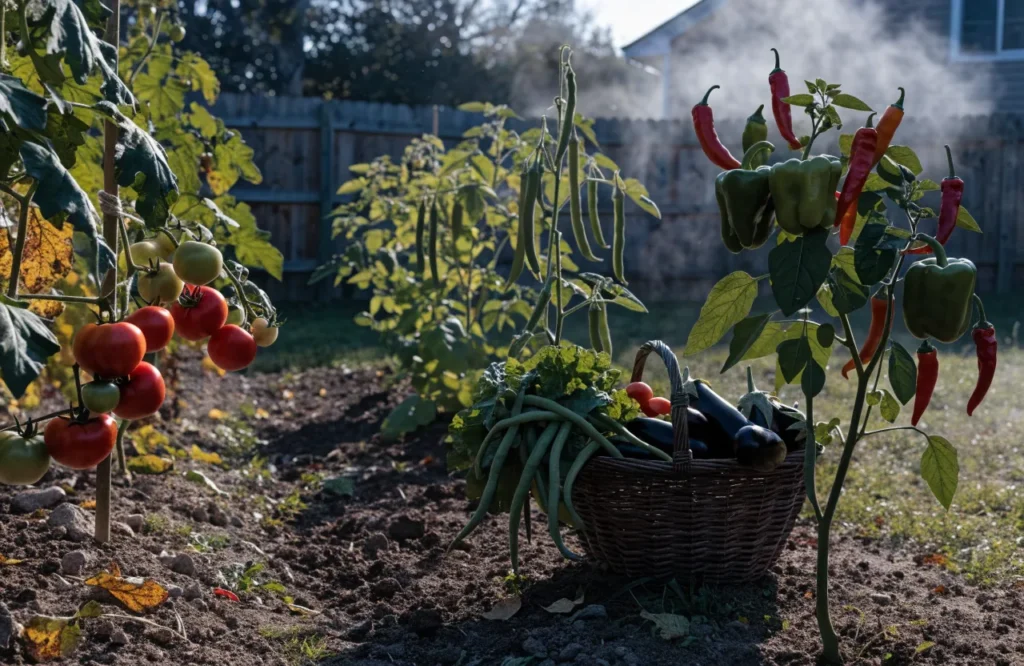
Even a light frost can ruin these. Harvest everything worth eating the evening before freezing temperatures arrive.
1. Tomatoes. A light frost kills the plant, and fruit left hanging turns soft. Pick every tomato showing even a blush of color and ripen it indoors. Wrap full-size green tomatoes in newspaper to ripen gradually, and use truly immature ones for relish or fried green tomatoes. Not sure which to pick? See when to harvest tomatoes, and if green fruit stalls indoors, read why tomatoes aren’t ripening.
2. Peppers (sweet and hot). Peppers are edible at almost any stage, so pick them all; mature size matters more than full color. Fruit left on the plant through a frost typically turns soft and mushy. Harvest every usable pod, including hot varieties like jalapeños and habaneros.
3. Eggplant. A close relative of tomatoes and a heat lover. The skin looks tough, but frosty temperatures quickly make the fruit unusable. Pick everything of usable size.
4. Cucumbers. Mostly water, so freezing damages them from the inside. The vines usually die anyway. Harvest eating-size cucumbers for fresh use or refrigerator pickles and compost overlarge ones.
5. Summer squash and zucchini. A frosty night leaves the plant brown and collapsed. Pick every squash large enough to use; small ones are more tender anyway.
6. Green beans. No frost tolerance. Pick remaining pods and refrigerate, can, or freeze them. Beans grown for drying are different: those pods can stay until they dry.
7. Okra. A tropical crop that produces until frost. Harvest every pod of usable size. If the forecast is only a glancing frost, you can leave immature pods and see whether the plant survives, but a killing frost means picking everything.
8. Basil. The most frost-sensitive herb in the garden. A light freeze can turn leaves black and slimy. Harvest whole stems and sort leaves later, or bring potted plants indoors (see plants to bring indoors before frost). Rosemary, sage, and thyme handle light frost well; for indoor and windowsill setups, see kitchen herb garden ideas.
9. Sweet corn. Harvest mature ears before a damaging frost. Sweetness fades after picking as sugars convert to starch, so refrigerate or cook corn promptly.
10. Melons. Pick ripe or nearly ripe melons before frost. Very immature fruit generally will not ripen off the vine, so don’t count on salvaging small ones.
If frost is followed by warm weather, covering tender plants can buy a few extra days. A hard freeze usually isn’t worth fighting. When in doubt, harvest.
Frost-Tolerant Crops: Handle a Light Frost (8 Crops)
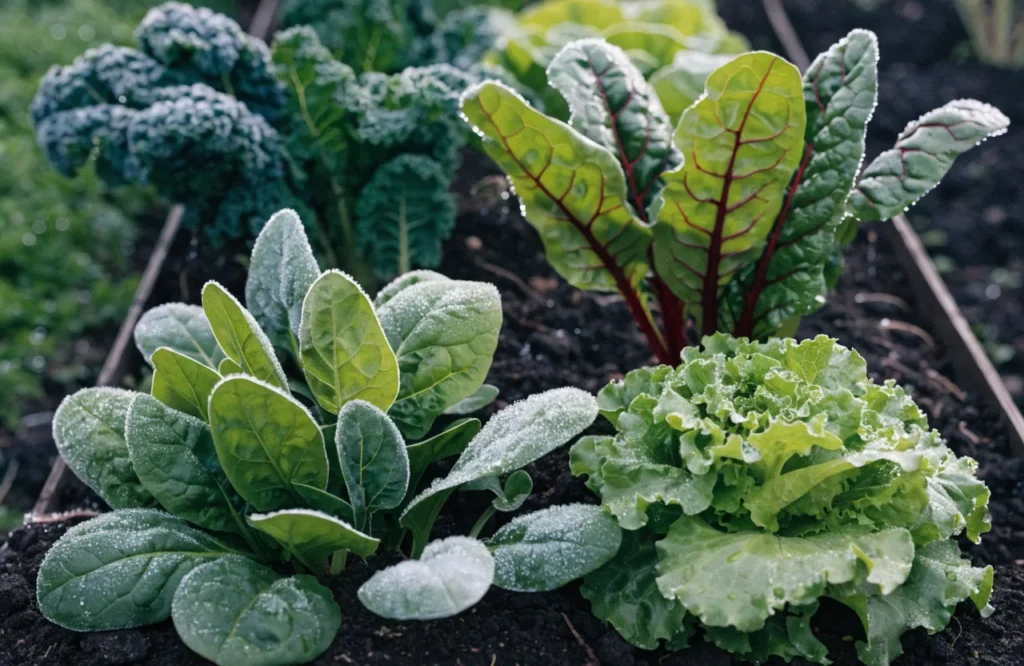
These can stay in the garden through a light freeze. On the coldest nights, a row cover or frost cloth keeps them in better shape and extends the harvest.
11. Lettuce. Handles light frost, but tender leaves bruise easily. Cover it on frosty nights and harvest outer leaves first. Trim away damaged edges; the plant keeps growing.
12. Spinach. Surprisingly cold-tolerant and productive in low temperatures. Established fall spinach can survive well below freezing, especially under row cover.
13. Cabbage. Mature heads tolerate light frost, and some varieties may handle brief dips to around 20°F under favorable conditions. If a head is firm and ready, there is little benefit in risking it; bring it in or cover it.
14. Cauliflower. Moderately frost-tolerant, but the curds are delicate. Cover mature heads on frosty nights and harvest before excess moisture causes rot.
15. Peas. Established plants handle light frost well. Flowers and very young pods are the vulnerable parts, so cover actively producing plants when frost threatens. Tolerance also varies with growth stage; seedlings are hardier than flowering plants.
16. Beets. Leave them in the ground through a light frost, since the soil insulates the roots. Both roots and tops are edible, and fall beets are often sweeter than summer ones. Harvest by size, not by the first cold night.
17. Radishes. Thrive in cool weather and handle light frost. Winter types such as daikon are the hardiest. Brush soil aside to check root size before pulling.
18. Swiss chard. Handles cold well but appreciates protection from heavy snow and hard freezes. Harvest no more than a third of the plant at once so it keeps growing from the center.
This middle group benefits most from simple row cover. A single layer of frost cloth can provide several degrees of protection, often the difference between a ruined leaf and another few weeks of harvest. Many of these crops also tolerate partial shade, so see vegetables that grow in shade if part of your garden gets limited sun.
Cold-Hardy Crops: Often Better After Frost (10 Crops)
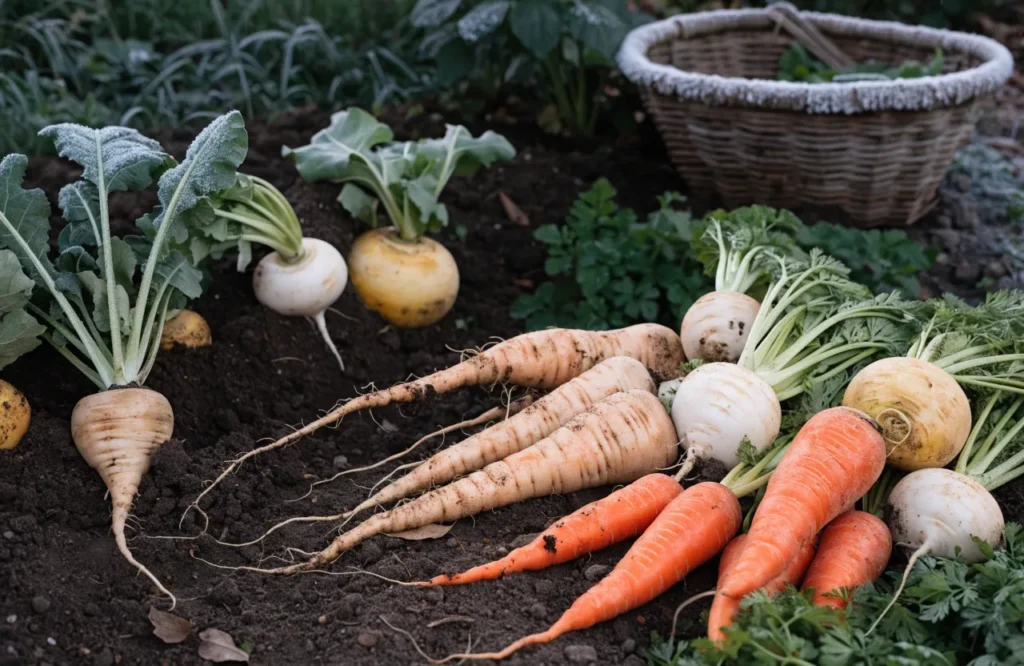
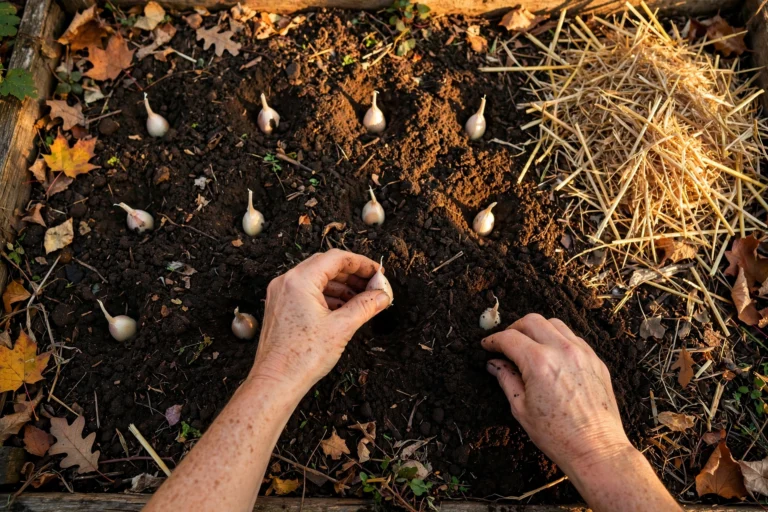
These tolerate frost and often taste better for it. Leave them in the ground and let the cold do its work, covering only if a severe freeze arrives before they have acclimated. Planning ahead? Garlic goes in the ground this month; see how to plant garlic in October.
19. Kale. The classic cold-hardy green. Established kale withstands repeated freezes and turns sweeter and milder as temperatures fall. Many gardeners harvest it well into winter.
20. Collards. Among the most cold-resistant of the brassicas. Established, acclimated plants may tolerate temperatures near 5°F under favorable conditions, though damage varies by variety, duration, and exposure.
21. Brussels sprouts. Grow well in cool weather, and chilling can improve flavor. Tolerance depends on variety and conditions. Harvest firm sprouts from the bottom of the stalk upward once they are about an inch across.
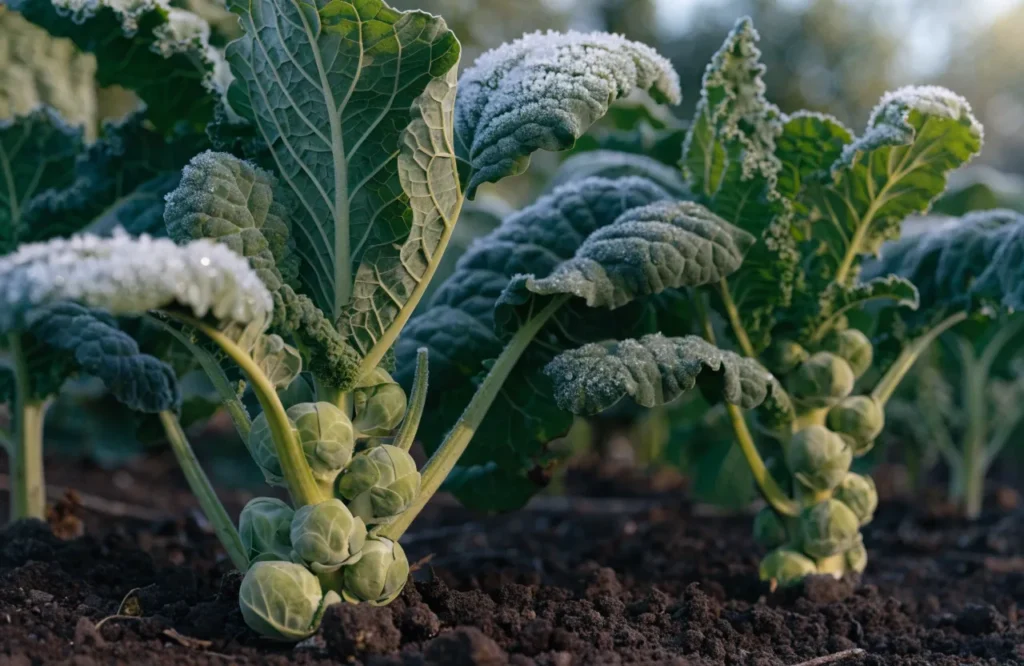
22. Broccoli. Handles light frosts and a few moderate ones; established plants may tolerate brief dips to around 25°F. Cool weather also reduces pest pressure, so fall broccoli is often cleaner than summer broccoli.
23. Carrots. Leave them in the ground while the soil is workable. Cold turns an ordinary carrot remarkably sweet, and a layer of mulch lets you store them in the bed.
24. Parsnips. Develop a nutty sweetness in the cold. Established, acclimated plants may tolerate temperatures near 0°F, but that is an approximate figure, not a guarantee. Many gardeners wait until after several frosts to harvest.
25. Turnips. Frost mellows their sharp bite and brings out sweetness. Both roots and greens are edible.
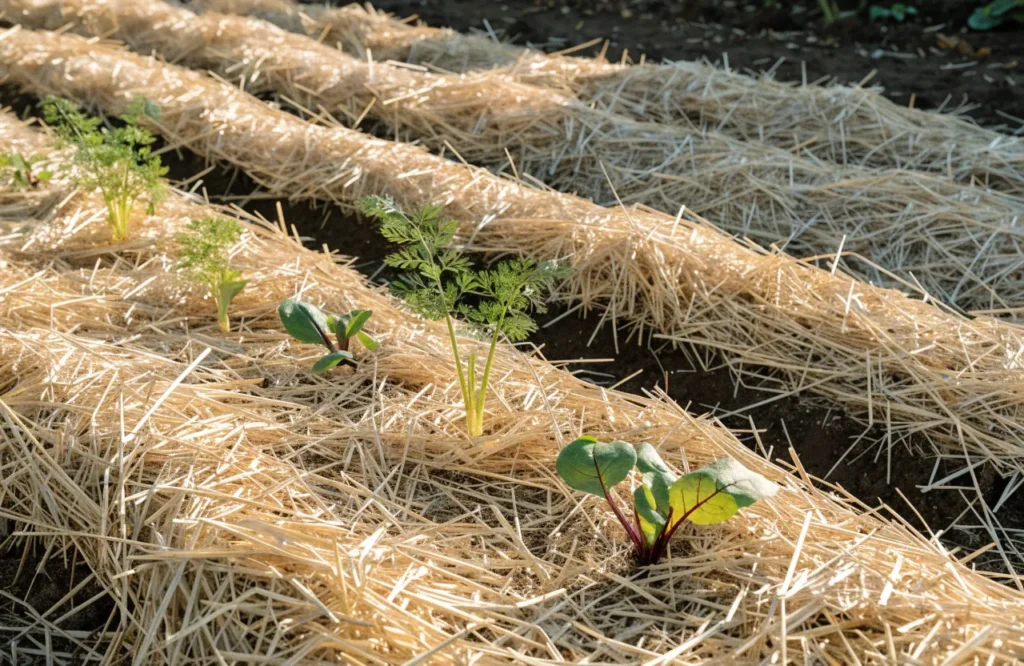
26. Rutabagas. Light frost sweetens them. A thick layer of straw mulch extends the harvest and protects against heavier freezes.
27. Leeks. They reach their best flavor after cold weather, turning milder and sweeter. With light mulching, they can stay in the ground under snow as a natural storage method.
28. Mustard greens. Many tolerate cool weather and light frost, but resistance to repeated freezes depends on the variety. Cover them in severe cold if you want to keep harvesting.
Why Cold Makes Some Vegetables Sweeter
As part of cold acclimation, some plants convert stored starches into soluble sugars, which act like antifreeze inside the cells. A side effect is flavor: kale can turn sweeter, carrots candy-like, and parsnips nutty. The response depends on species, cultivar, growing conditions, and how severe the cold gets, so cool weather is not a guarantee of better flavor, but for these crops it often helps.
How to Protect Vegetables From Frost
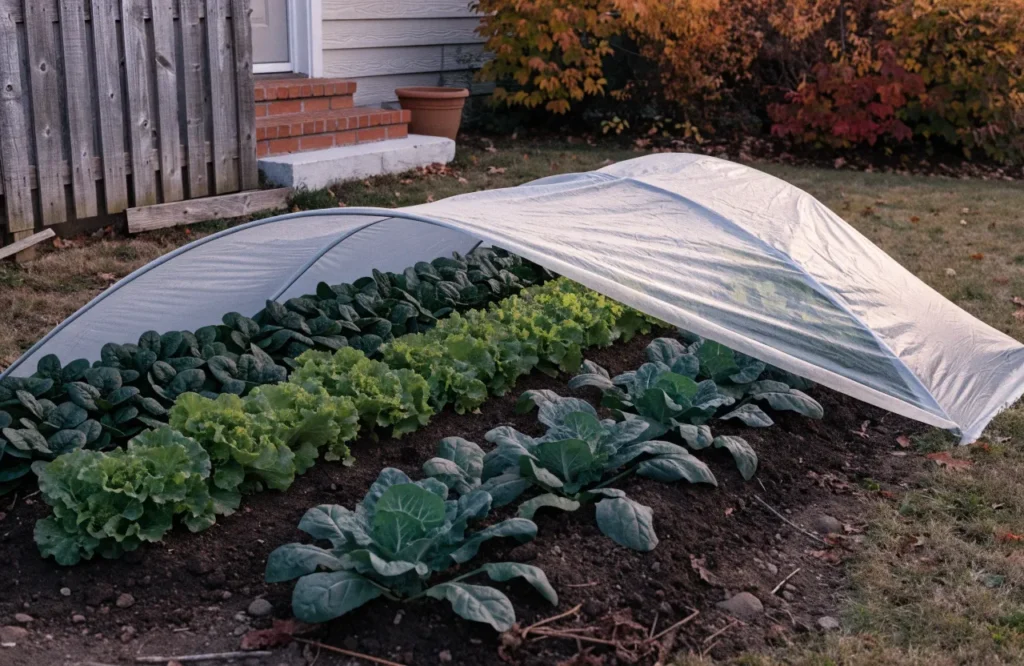
Covers do not turn tender crops into hardy ones. They buy hours or a few degrees, not a season. Used on frost-tolerant crops, though, they can extend the harvest by weeks.
Cover with frost cloth, row cover, or a bedsheet. The cover should reach the ground and be anchored so it traps heat rising from the soil. Protection varies with the material, thickness, wind, and how long the cold lasts. Don’t let plastic rest directly on foliage, since contact can increase cold injury; use hoops or a frame. Remove covers in the morning so plants don’t overheat.
Mulch root crops. A thick layer of straw or shredded leaves insulates the soil around carrots, beets, parsnips, and turnips, keeping roots harvestable longer.
Water the soil before frost. Moist soil holds more heat than dry soil. Water deeply the afternoon before, but avoid wetting foliage late in the day.
Move containers indoors. Potted plants have exposed roots and freeze faster than in-ground plants. An unheated garage or shed is usually enough for one cold night. For what else to move, see plants to bring indoors before frost and fall container gardening.
Consider season extension. Cold frames, low tunnels, and hoop houses give much more protection than a single sheet of cloth and can keep hardy crops productive deep into winter.
Know when to stop. A light frost is worth fighting. A prolonged hard freeze combined with short days and slow growth usually is not. At that point, harvest what remains and call the season. To avoid common end-of-season errors, read 7 fall gardening mistakes to avoid.
What to Do the Morning After a Frost
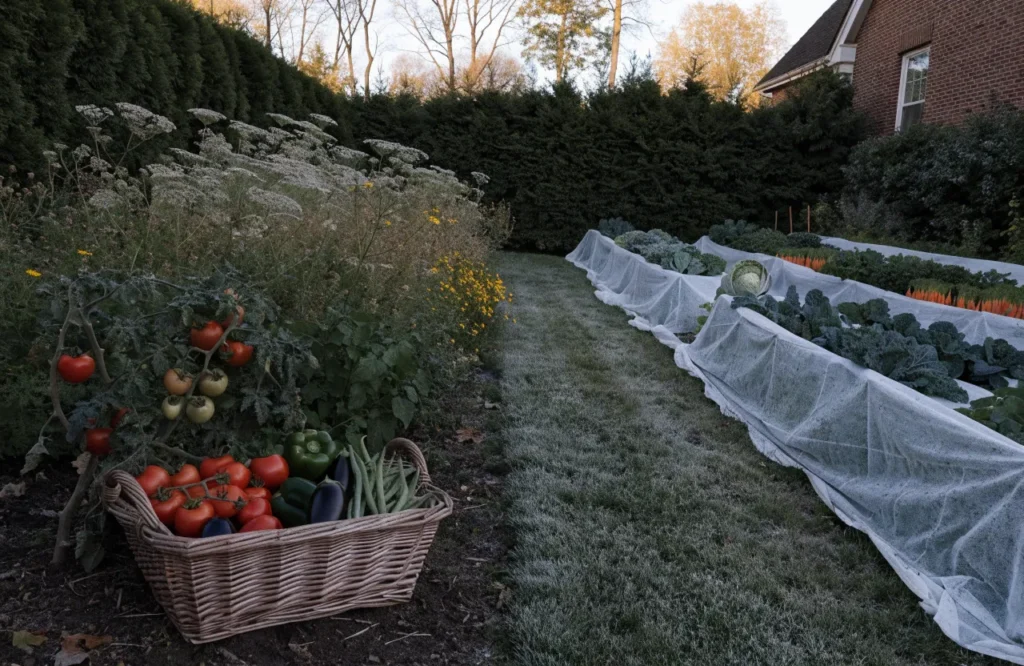
Don’t judge damage while plants are still frozen. Wait until they thaw, then check: leaves that stay dark, limp, or water-soaked are finished. Cold-hardy plants often recover well, while tender crops usually show visible damage.
- Pick up fallen fruit the first morning. Frozen tomatoes turn mushy within a day or two, and forgotten fruit can seed volunteers next spring.
- Compost spent tender plants.
- Leave cold-hardy crops in place.
- Re-cover anything you want to keep going.
If the forecast shows warmer weather ahead, the season isn’t necessarily over. It just needs triage.
Frequently Asked Questions
Final Thoughts
Once you know which vegetables can stay in the ground, a frost warning becomes a harvest plan instead of a panic. Pick the tender crops, cover the in-between ones, and leave the cold-hardy vegetables to do what they do best. For crops like kale, carrots, and parsnips, the coldest nights of the year often produce the best flavor of the season.
For the full seasonal plan, work through the October garden checklist and how to prepare your garden for fall before the first hard freeze. If you’re planning next season, what to plant in September shows how good timing is the first line of frost defense.