How to Plant Garlic in October: Timing, Depth & Spacing for Big Bulbs
Garlic is one of the easiest, highest-return crops you can grow, and October is the sweet spot for planting it in most of the country. If you’ve ever wondered how to plant garlic in October so it survives winter and sizes up into full bulbs by summer, the whole job comes down to four things: planting at the right time for your zone, setting each clove at the right depth with the pointed end up, giving every clove enough room, and tucking the bed in under a thick blanket of straw mulch.
Get those four right, and an hour of work now turns into homegrown garlic next July. In this guide, you’ll learn exactly how to plant garlic in October, which type to choose for your climate, and the mistakes that quietly shrink your harvest before it even starts.
Table of Contents
When to Plant Garlic in October: Your Zone-by-Zone Window
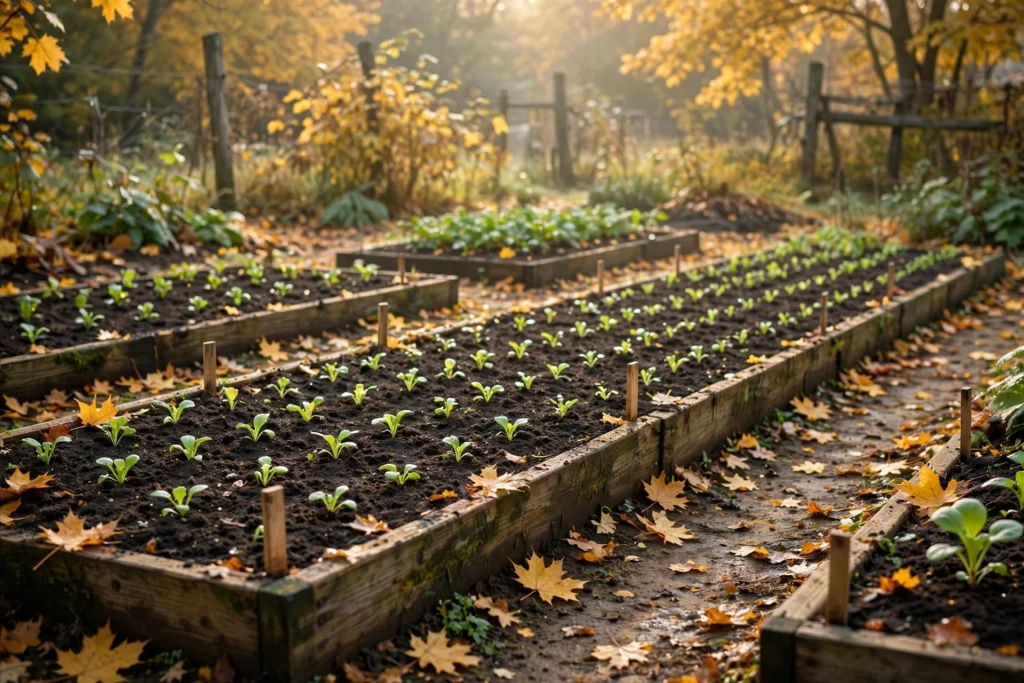
Garlic needs 4 to 6 weeks of root growth before the ground freezes solid. That’s the whole reason October is prime garlic-planting month across Zones 3 through 7, cloves establish roots in cool soil without pushing up weak, tender top growth that winter will kill. Plant too early and you get floppy green leaves that freeze back; plant too late and cloves sit in cold soil with no roots at all.
The best planting cue is soil temperature: aim for consistently 50–60°F. That’s cool enough to slow leafy growth but warm enough for roots to run. Use this table as your starting point, then adjust for your own first hard frost date:
| USDA Zone | October planting window | Notes |
|---|---|---|
| Zones 3–4 | Late Sept – early Oct | Plant immediately if you haven’t; mulch heavily |
| Zone 5 | Oct 1 – Oct 20 | Peak window — right now; plant after the first light frost |
| Zone 6 | Oct 10 – Oct 31 | Ideal month-long window |
| Zone 7 | Oct 15 – early Nov | Start now; you still have time |
| Zones 8–9 | Nov – Dec | October is prep month; chill cloves in the fridge 6–8 weeks first |
Learning how to plant garlic in October really starts with this table. Everything downstream, how deep you plant, how much mulch you pile on, assumes your cloves went into the ground on time for your zone.
Hardneck vs. Softneck Garlic: Which Should You Plant?
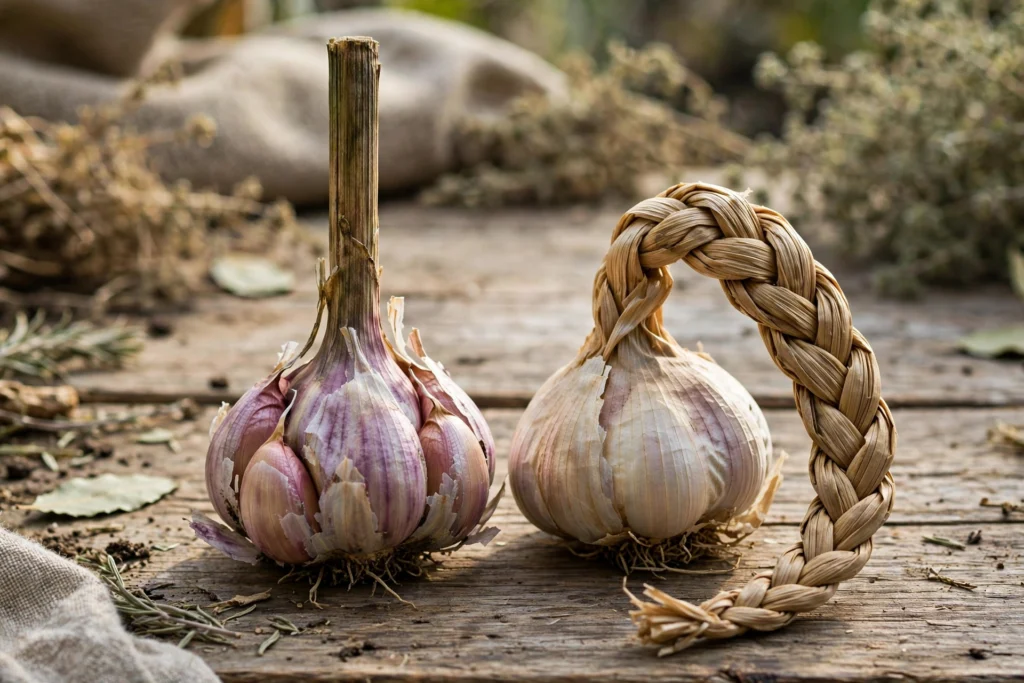
Choosing the variety is the single most important decision in how to plant garlic in October, because the two types want different winters. Pick wrong and you’ll get small bulbs no matter how perfect your technique is.
| Hardneck garlic | Softneck garlic | |
|---|---|---|
| Cold requirement | Needs a real winter (vernalization); best in Zones 3–7 | Milder; thrives in Zones 5–10 |
| Cloves per bulb | 4–8 large cloves | 10–20 smaller cloves |
| Scapes | Yes — cut them for bigger bulbs | No scapes |
| Storage life | 4–6 months | 9–12 months; braids beautifully |
| Flavor | Complex, stronger, spicier | Milder, classic grocery-store taste |
| Try these | Music, German Red, Chesnok Red | California Early, Inchelium Red, Silver Rose |
The rule of thumb: cold winters go hardneck, mild winters go softneck, and if you’re on the borderline, plant both and compare at harvest. Hardnecks also give you garlic scapes in early summer, the curly flower stalks that are a delicacy on their own.
What You’ll Need: Buy Seed Garlic, Not Grocery Store Garlic
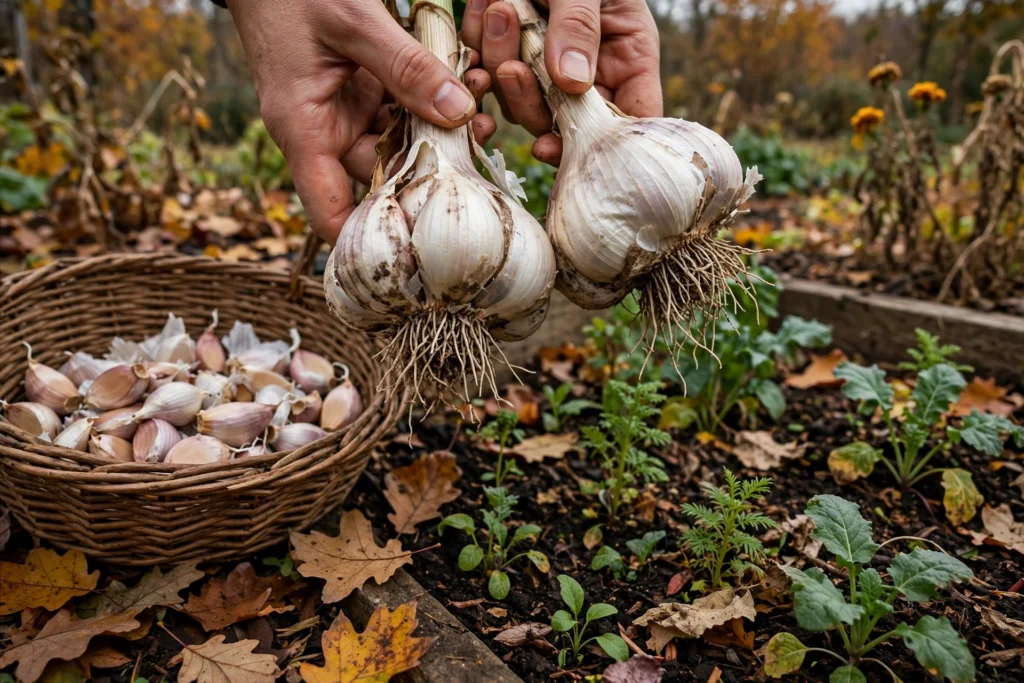
Before you learn the steps of how to plant garlic in October, gather the right materials. This is where most beginners go wrong.
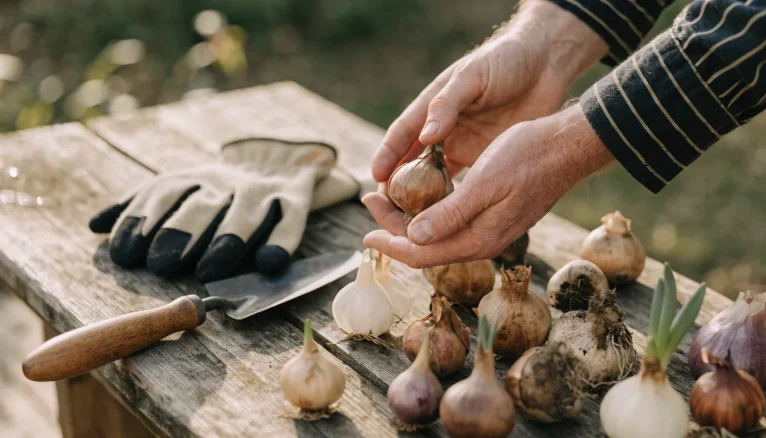
- Seed garlic from a nursery or garlic grower. Grocery store garlic is often treated with a sprout inhibitor, may carry disease, and is usually a softneck variety poorly suited to cold climates. Seed garlic costs more but is certified disease-free and matched to your region.
- The biggest cloves you can find. Big cloves grow into big bulbs, it’s the most reliable rule in garlic growing. Crack your bulbs and plant the large outer cloves; save the small inner ones for tonight’s dinner.
- A sunny, well-draining spot. Garlic needs 6–8 hours of full sun and hates wet feet. A raised bed is ideal, every experienced grower recommends one for drainage.
- Good soil. Aim for slightly acidic soil around pH 6.5, worked with finished compost and a handful of bone meal per planting hole. Skip fresh manure (it burns and can harbor disease). If you want a deeper dive on building great soil, see our guide to the best soil for tomatoes, garlic wants the same rich, loose structure.
- A rotation plan. Never plant garlic where onions, garlic, leeks, or shallots grew in the last 3 years. These alliums share diseases like white rot, which can persist in soil for years.
How to Plant Garlic in October: 7 Steps
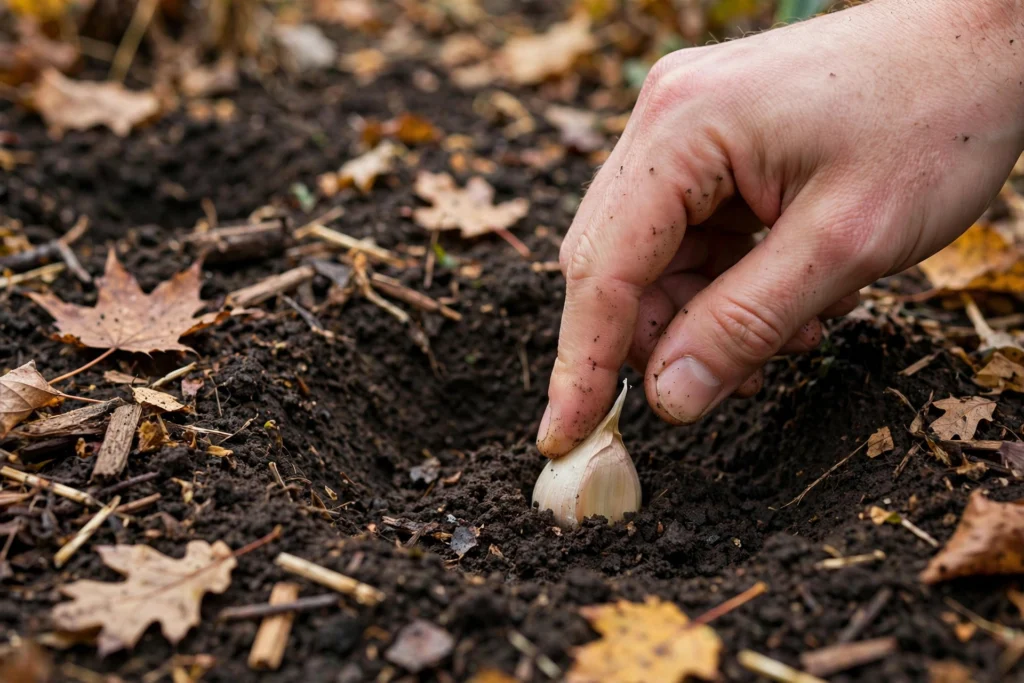
Here’s how to plant garlic in October, start to finish. The whole job takes under an hour for a typical bed.
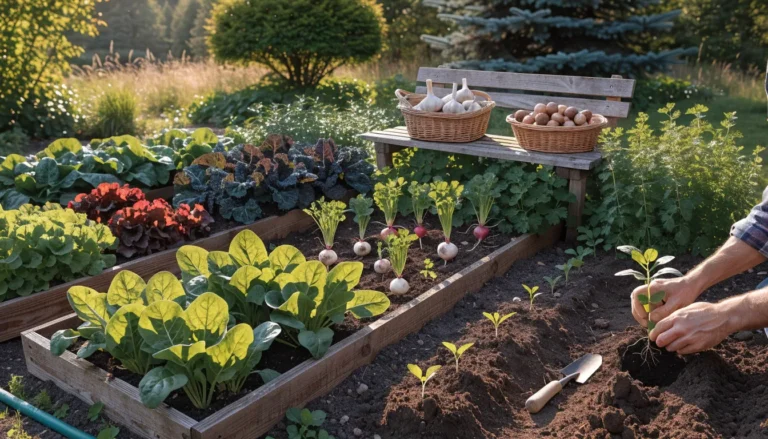
1. Crack the bulbs just before planting. Separate the garlic cloves the same day you plant — cloves dried out after cracking lose vigor. Keep the papery skin intact on every clove, discard any that are soft or damaged, and don’t nick the basal (root) plate at the bottom.
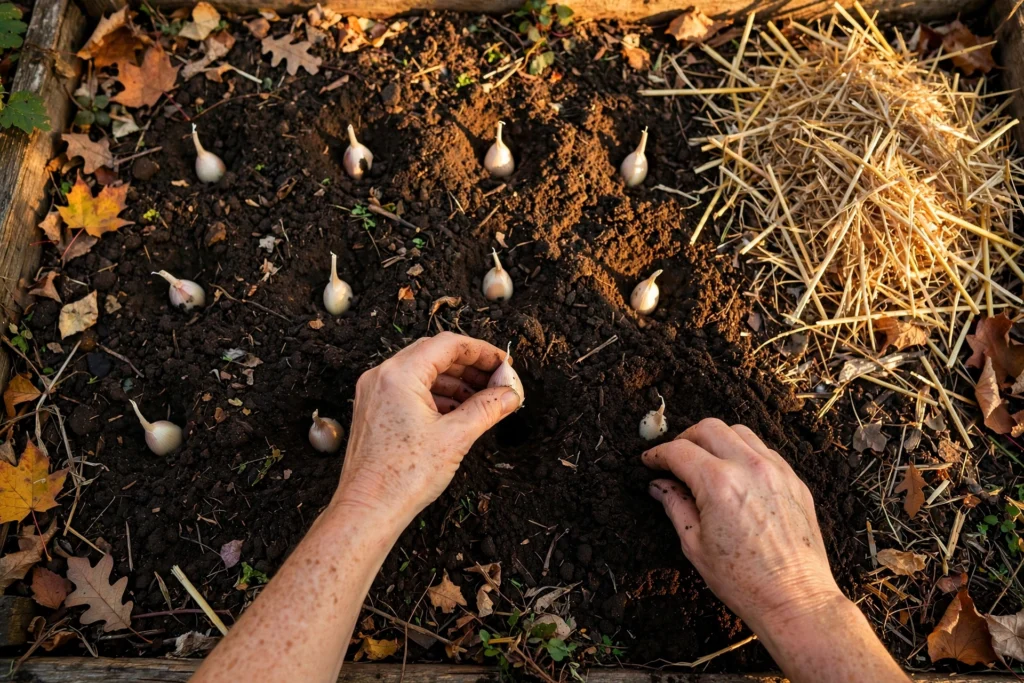
2. Dig to the right planting depth. Garlic planting depth is 2 to 3 inches deep, measured from the top of the clove to the soil surface. Too shallow and freeze–thaw cycles will heave your cloves right out of the ground; too deep and emergence is delayed.
3. Set each clove pointed end up, 4–6 inches apart. Rows should sit 10–12 inches apart. Upside-down cloves will still grow, but they waste energy righting themselves and produce smaller bulbs, take the extra seconds to orient each one.
4. Cover and firm. Backfill with soil and press gently to remove air pockets.
5. Water once, deeply. One good soak after planting settles the soil around the cloves. After that, leave it alone, fall rain almost always handles the rest, and soggy soil invites rot.
6. Mulch with straw. Spread 4–6 inches of straw mulch (shredded leaves work too) over the bed. Here’s a nuance most guides skip: in cold zones, mulch immediately after planting to insulate; in mild zones, wait a couple of weeks until the soil cools so you don’t trap summer heat around the cloves.
7. Label everything. Write the variety and planting date on a tag. By July, you will not remember which row was which.
That’s how to plant garlic in October in under an hour, and honestly, steps 2, 3, and 6 are where harvests are won or lost.
Should You Soak Garlic Cloves Before Planting?
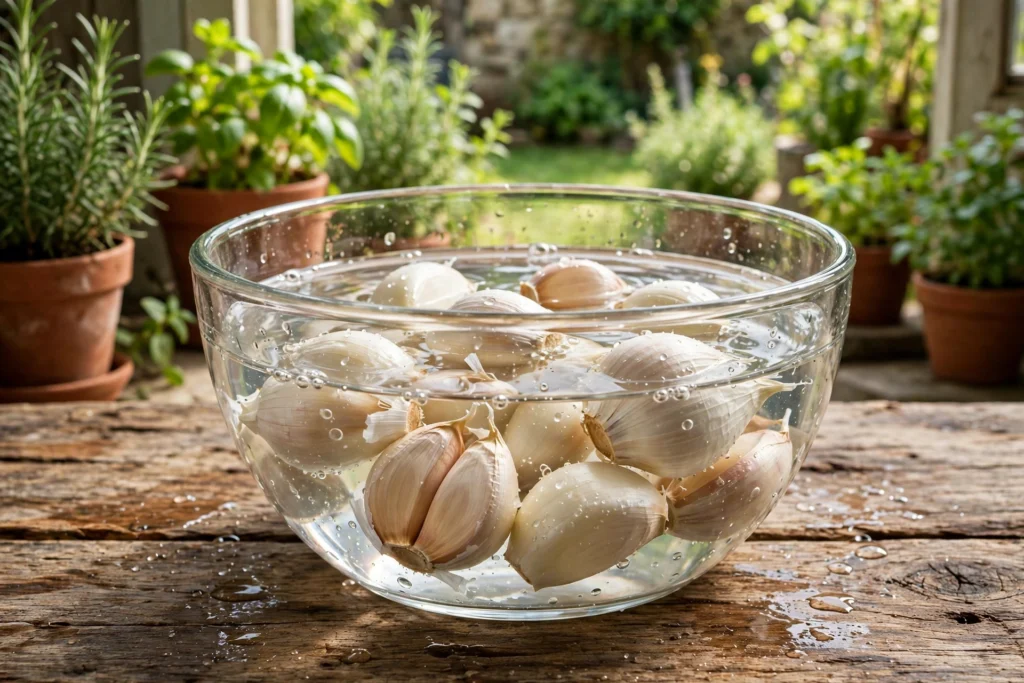
Here’s the honest version of a debate most top guides skip entirely: some growers soak cloves for 12–24 hours in water with a tablespoon of baking soda per gallon (or liquid seaweed) to discourage root-rot fungi. Others plant dry and never look back.
If you bought clean, certified seed garlic, soaking is optional, good drainage, crop rotation, and correct planting depth matter far more. If you’re replanting your own saved stock after a rough year, the soak is cheap insurance. Never soak longer than 24 hours, and plant immediately afterward while cloves are still damp.
Do You Need to Fertilize Garlic in Fall?
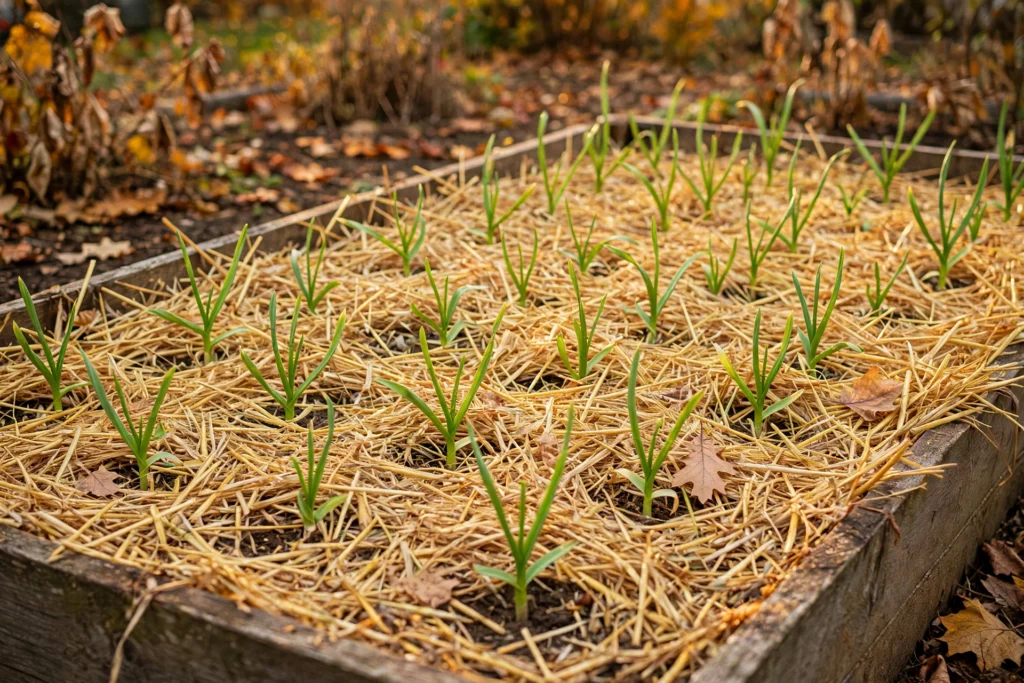
Mostly, no. The compost and bone meal you worked into the bed at planting time are plenty for fall, right now your cloves are growing roots, not leaves, and they don’t need a nitrogen push.
The real feeding happens in spring: side-dress with blood meal or fish emulsion when shoots are about 6 inches tall, repeat a month later, then stop all nitrogen once the days lengthen in early summer. Late nitrogen produces soft, leafy bulbs that don’t cure or store well. The one exception is very sandy soil, where a light top-dress of compost under the mulch in fall helps hold nutrients through winter rains.
Can You Grow Garlic in Containers?
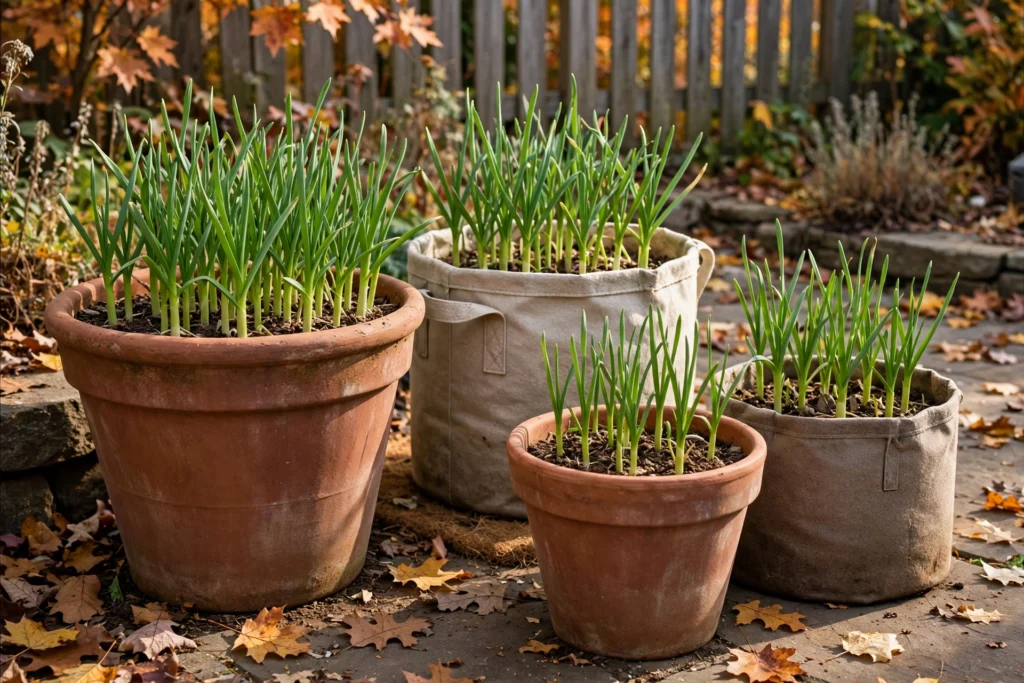
Yes, with one warning that changes things. Container growing changes how to plant garlic in October slightly: pots freeze much harder than the ground, so potted garlic needs extra winter protection.
Use a pot at least 10–12 inches deep and wide, fill it with potting mix blended with compost, and plant cloves 2–3 inches deep and 4 inches apart. Water once, mulch heavily, then either move the pot against a sheltered wall and wrap it in burlap, or sink the entire pot into a garden bed for the winter. Container bulbs run smaller than in-ground ones, but they absolutely work, a good option if your garden soil stays soggy.
Planted Too Late? Your Rescue Options
Missed the October window? Don’t write off the year. You have three options:
- Plant anyway, but deeper. Set cloves 3–4 inches deep under 6+ inches of straw mulch. You’ll harvest smaller bulbs, but you’ll still harvest.
- Fridge-vernalize, then spring-plant. Garlic needs 6–8 weeks below 40°F to form divided bulbs (that’s vernalization). Seal cloves in a bag in your refrigerator for 40+ days, then plant as early as the soil can be worked. Expect smaller bulbs or unsegmented “rounds” — still delicious roasted whole.
- Buy varieties bred for spring planting. Some softnecks are selected for it; check with your seed supplier.
After Planting: What Happens From Fall to Harvest
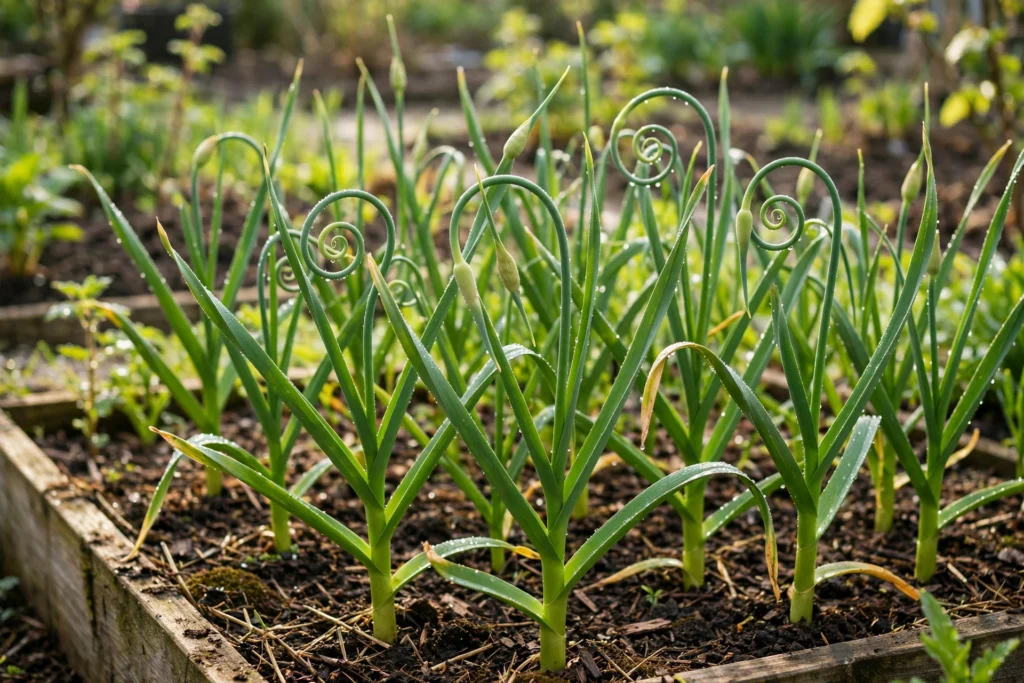
After you’ve mastered how to plant garlic in October, the waiting game begins, but a little winter and spring attention pays off:
- Fall: Roots establish underground. You may see a green tip emerge, don’t panic; the straw mulch handles it.
- Spring: Shoots emerge. Feed nitrogen as described above, and keep the bed weed-free, garlic’s shallow roots cannot compete with weeds, and one weedy spring can halve your bulb size.
- Early summer: Hardneck growers, snap off the curling garlic scapes when they make one full curl. Removing them redirects energy into the bulb (and scapes are fantastic in stir-fries).
- 3 weeks before harvest: Stop watering entirely so the outer wrappers dry down.
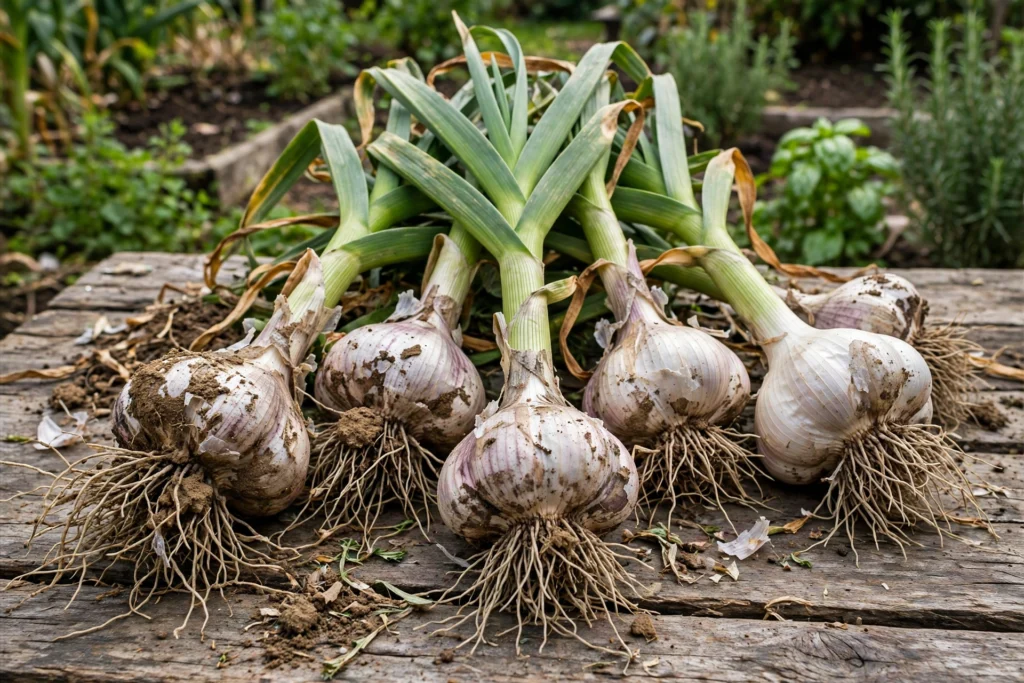
- Harvest: Dig (don’t pull) when the lower 2–3 leaves have yellowed and roughly half the leaves are brown, typically July. Waiting until all leaves die gives you split, un-storable bulbs.
- Cure: Dry bulbs 2–4 weeks in a shaded, airy spot before trimming tops and roots. Save your biggest bulbs as next year’s seed garlic and the cycle continues.
For the full cool-season cleanup routine around your garlic bed, see our fall garden preparation guide.
Bonus: Plant Shallots and Elephant Garlic the Same Way
If you’re already out there with a trowel, add a row of shallots: plant them 1 inch deep and 6 inches apart in the same October window. Elephant garlic, actually a giant leek relative, not true garlic, goes 4–6 inches deep and 8 inches apart, and produces huge, mild cloves. If you’re learning how to plant garlic in October anyway, a row of shallots doubles your payoff for ten extra minutes of work. More cool-season ideas: fall vegetables to grow in September.
7 Mistakes That Shrink Your Garlic Harvest
- Planting grocery-store garlic — sprout inhibitors, wrong varieties for your climate, possible disease.
- Peeling cloves before planting — that papery skin is protection; keep it intact.
- Planting upside down or sideways — pointed end up, every time.
- Planting too shallow — under 2 inches and frost heaving will push cloves out of the soil. If yours heave, press them back down in spring and add more mulch.
- Skipping mulch — unmulched beds suffer freeze–thaw heaving all winter.
- Fresh manure, or planting after onions — invites white rot and burning.
- Letting weeds win — garlic’s shallow roots lose every competition. Mulch thickly and weed early.
Most of these overlap with the classic slip-ups in our fall gardening mistakes guide — worth a read before you close up the garden for the season.
Frequently Asked Questions
Can you plant garlic in October?
Yes — October is the ideal planting month in Zoes 3–7. Cloves need 4–6 weeks of root growth before the ground freezes, and October delivers exactly that in most regions.
How late can you plant garlic?
Up until the ground freezes. Later plantings should go deeper (3–4 inches) under heavier mulch (6+ inches). Past that point, fridge-vernalize and plant in spring.
How deep do you plant garlic cloves?
2 to 3 inches deep, pointed end up, measured from the top of the clove to the soil surface.
How far apart should garlic be planted?
4–6 inches apart in rows 10–12 inches apart. Crowded garlic makes small bulbs.
Should I soak garlic before planting?
It’s optional with clean seed garlic. A 12–24 hour baking-soda or seaweed soak is cheap insurance if you’re replanting your own stock.
Do you peel garlic before planting?
No — plant cloves with their papery skin intact. Peeling invites rot and damage.
Can you plant grocery store garlic?
Technically yes, but it’s a gamble: sprout inhibitors, disease risk, and varieties unsuited to your climate. Seed garlic is worth the small cost.
Can you plant garlic in the spring?
Yes, if cloves get 40+ days of cold (below 40°F) first — either naturally or in your fridge. Expect smaller bulbs than fall planting.
Should garlic go in the fridge before planting?
Only as the rescue method above, or routinely in Zones 8–9 where winters are too mild for natural vernalization.
What is the biggest mistake when planting garlic?
Planting too late without compensating (deeper + heavier mulch), or planting grocery-store garlic instead of seed garlic.
How long does garlic take to grow?
About 8–9 months: planted in October, harvested the following July.
The Bottom Line
That’s everything you need to know about how to plant garlic in October, zone timing, the hardneck vs. softneck choice, the right depth and spacing, and the mulch that carries it all through winter. October garlic is one of the highest-return plantings in the entire garden: an hour of work now, homegrown bulbs next summer.
Pair it with your fall garden cleanup (prepare your garden for fall), steer clear of the common seasonal slip-ups (fall gardening mistakes), and if you’re planning the whole cool season, browse what to plant in September for companions to your garlic bed