How Often Should You Water Tomato Plants? A Better Approach Than a Fixed Schedule
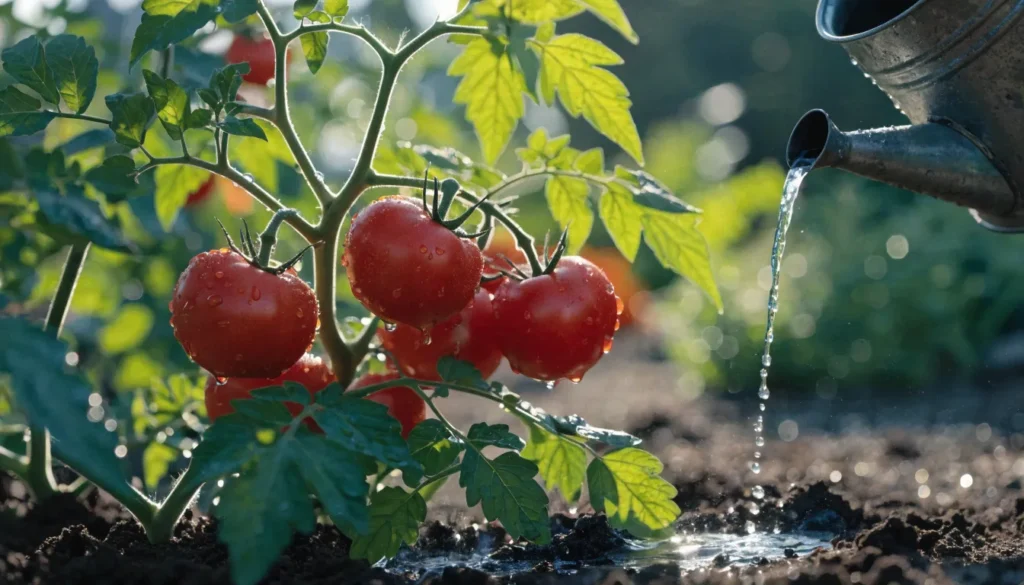
How often should you water tomato plants? As a general rule, most tomato plants need 1 to 2 inches of water per week, though the exact amount depends on where they’re growing, their stage of growth, and the weather. Getting this right matters, both underwatering and overwatering can reduce yields, cause cracked fruit, and increase disease problems. This guide breaks down exactly how often to water tomato plants in every situation, from garden beds to containers.
Table of Contents
The Quick Answer
So, how often should you water tomato plants? The short answer is 1 to 2 inches of water per week, delivered as a few deep soakings rather than frequent light sprinkles. If you’re also asking how much water do tomato plants need overall, that weekly total is your best benchmark, regardless of how you split it across the week. In practice, that means:
- In-ground plants: water deeply 2–3 times a week
- Raised beds: water 3–4 times a week (they dry out faster than the ground)
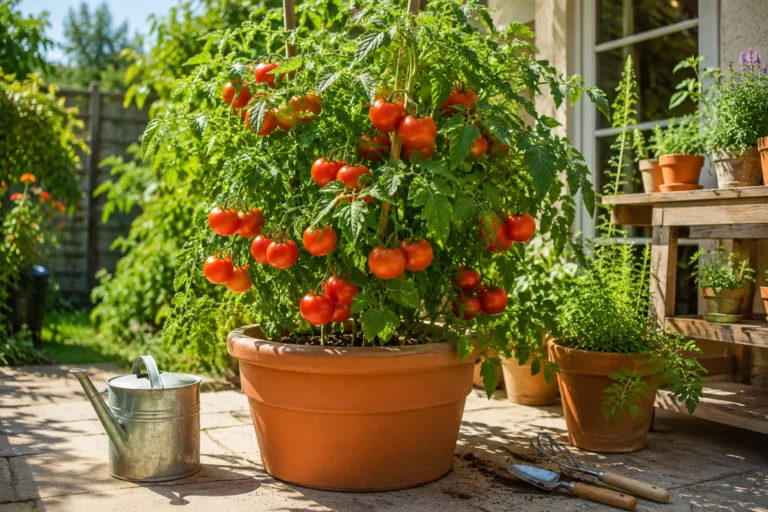
- Containers and pots: water once a day, and up to twice a day in hot weather
- New transplants and seedlings: water daily for the first week to ten days while roots establish
The right frequency always depends on your soil, pot size, and climate, but the numbers above are a solid starting point for most gardens.
Applying a 2–3 inch layer of mulch can reduce evaporation and significantly decrease how often tomato plants need watering during summer.
💡 Did you know? Tomato plants generally need 1–2 inches of water per week, but container-grown plants may require daily watering during hot summer weather because potting soil dries much faster than garden soil.
Quick Comparison Table
| Growing Method / Stage | Watering Frequency | Notes |
|---|---|---|
| In-ground beds | 2–3 times/week | ~1 gallon every few days for mature plants |
| Raised beds | 3–4 times/week | Dries out faster than ground soil |
| Containers/pots | Once daily (up to 2x in heat) | Larger pots hold moisture longer |
| Seedlings/new transplants | Daily for 7–10 days | Roots still shallow and establishing |
| Flowering/fruiting stage | Consistent 2–3x/week | Irregular watering causes cracking, blossom end rot |
| Hot/windy weather | Increase frequency | Check soil daily |
| After heavy rain | Skip or reduce | Prevents waterlogging and split fruit |
| Sandy soil | More frequent | Drains quickly, holds little moisture |
| Loamy soil | Standard schedule | Ideal balance of drainage and retention |
| Clay soil | Less frequent | Retains water; needs good drainage |
Why “Deep and Infrequent” Beats “Little and Often”
Understanding how to water tomato plants correctly starts with understanding root behavior. Tomatoes have long taproots that dig down 2 feet or more when given the chance. Shallow, frequent watering trains roots to stay near the surface, where they’re exposed to heat and drought stress. Deep watering encourages roots to grow downward into cooler, more stable soil, which makes the whole plant more resilient during a heat wave or a missed watering day.
A simple test: push a finger 2 inches into the soil near the base of the plant. If it’s dry at that depth, it’s time to water. If it’s still damp, wait.
Watering by Growing Method
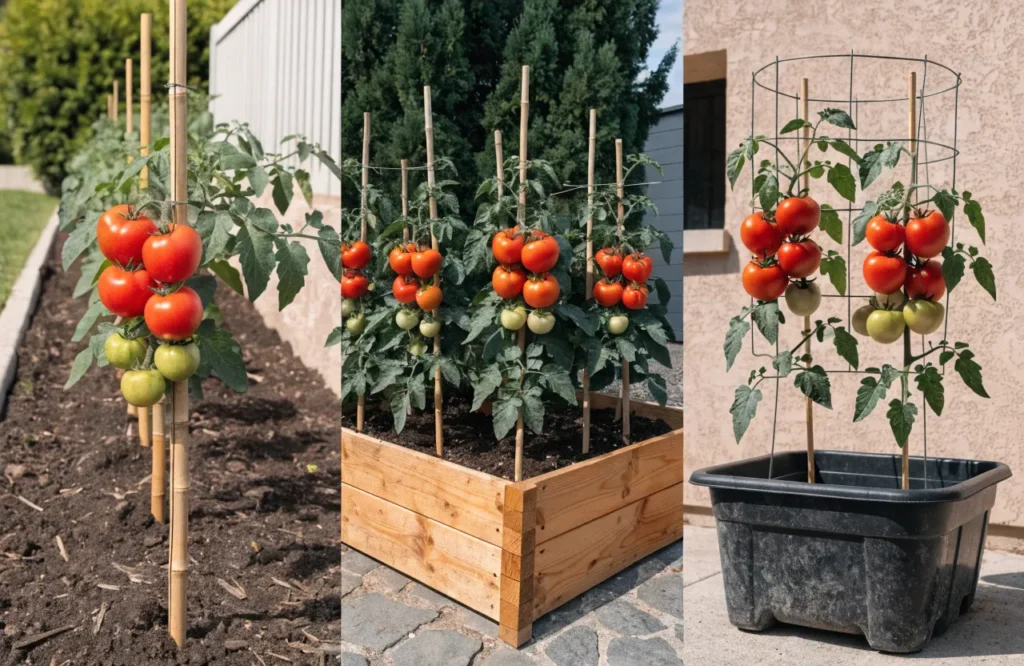
How often should you water tomato plants really comes down to where they’re growing, in-ground rows, raised beds, and containers all dry out at different rates and need different levels of attention.
In-Ground Garden Beds
Established, in-ground tomato plants are the most drought-tolerant option because their roots can spread widely and reach deep moisture reserves. A mature plant typically needs about a gallon of water every few days, applied slowly so it soaks in rather than running off. Watering deeply two to three times a week is usually enough, even in summer.
Raised Beds
Raised beds drain faster and heat up more than ground-level soil, so they need more frequent attention, generally three to four times a week. Smaller or shallower raised beds can dry out within a day during hot stretches, so it’s worth checking them more often than you’d check an in-ground row.
Containers and Pots
Container-grown tomatoes are the trickiest to get right, simply because there’s a limited volume of soil to hold moisture. Expect to water once daily under normal conditions, and twice daily, morning and late afternoon, once temperatures climb into the 90s or during dry, windy stretches. Choosing a larger pot (15+ gallons for a full-size tomato plant) buys you a bigger moisture reserve and more forgiveness if you miss a day. For a full setup walkthrough, see our guide on how to grow tomatoes in pots.
How to Water Tomato Plants by Soil Type
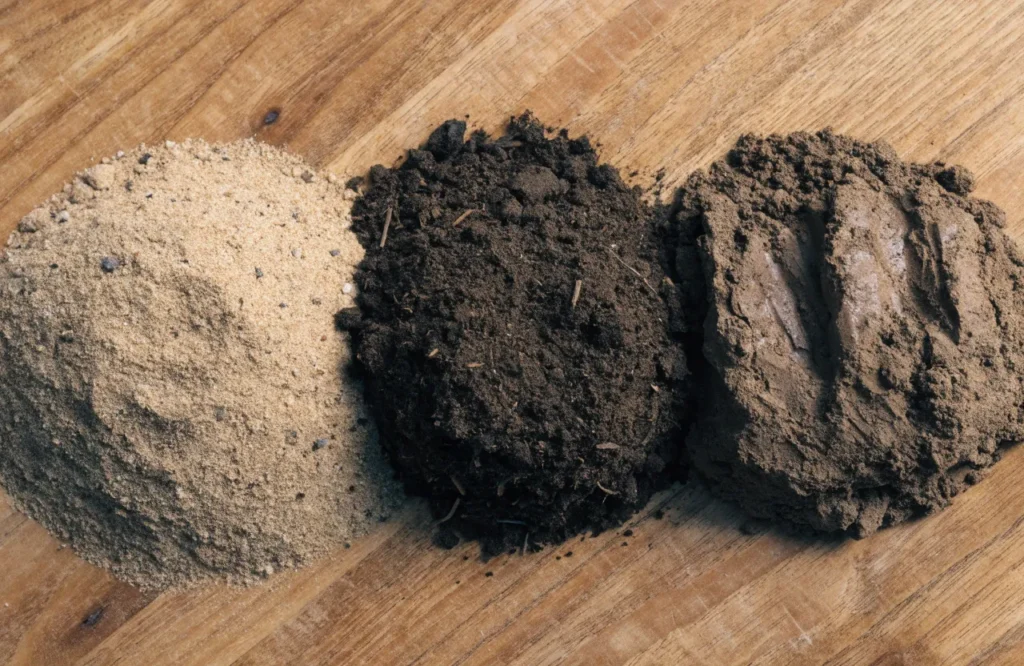
Soil composition has a huge effect on how often to water, often more than the weather does. Knowing your soil type is one of the fastest ways to get a reliable schedule. If you’re setting up a new bed or container, it’s worth reading our guide on the best soil for tomatoes before you plant, since the right mix from the start makes watering far more predictable.
- Sandy soil: Drains quickly and doesn’t hold onto moisture, so it dries out fast. Tomatoes in sandy soil typically need more frequent watering, and adding compost or organic matter helps improve water retention over time.
- Loamy soil: A balanced mix of sand, silt, and clay that holds moisture well while still draining properly. This is the ideal soil type for tomatoes, and it generally aligns well with the standard 2–3 times-a-week schedule.
- Clay soil: Retains water much longer than sandy or loamy soil, so it needs less frequent watering. The bigger risk with clay is poor drainage, water it less often, and make sure beds or containers drain well to avoid root rot.
If you’re not sure what type of soil you have, a simple squeeze test helps: grab a moist handful and squeeze it. Sandy soil falls apart immediately, loamy soil holds its shape but crumbles with light pressure, and clay soil stays clumped together tightly.
Watering by Growth Stage
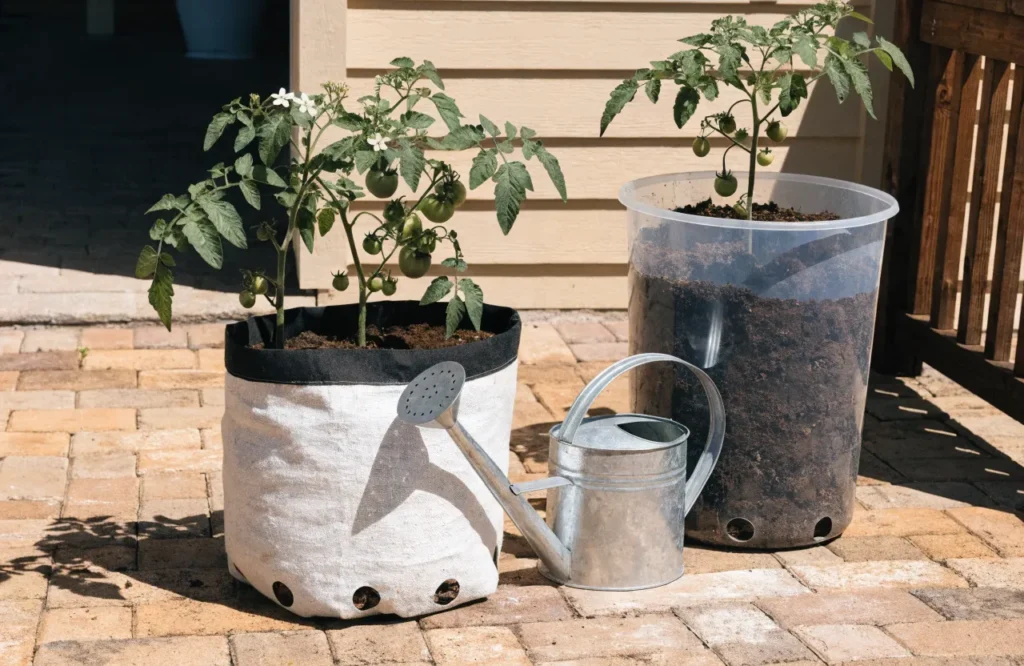
Watering needs also shift as a plant matures, since root development and moisture requirements change at each stage.
Seedlings and new transplants have small, shallow root systems and need daily water for the first 7–10 days after planting, just enough to keep the top few inches of soil consistently moist while roots establish.
Vegetative growth (pre-flowering) plants can shift to the standard 2–3 times a week deep-watering schedule as roots expand.
Flowering and fruiting is the stage where consistency matters most. Irregular watering here, a dry spell followed by a heavy soak, is the leading cause of blossom end rot and cracked or split fruit. Keep the schedule steady rather than reactive, and pair it with the right nutrients, check out our guide to the best fertilizer for tomato plants to support this stage.
Adjusting for Weather
Weather is one of the biggest reasons to water tomato plants more or less often than your usual schedule.
- Heat waves: increase frequency, and consider adding a midday check if leaves look wilted by early afternoon (note: some wilting in peak afternoon heat is normal plant behavior, not necessarily a sign of thirst, check again in early evening before adding more water).
- Windy days: wind pulls moisture out of soil and leaves faster than most people expect, so treat windy days like hot days.
- Rain: skip or reduce watering after a good soaking rain. Overwatering on top of natural rainfall is a common cause of root rot and split tomatoes.
- Cool, cloudy weather: plants use less water, so scale back to avoid waterlogging.
⚠️ Warning: Don’t water just because leaves droop in the afternoon. Tomatoes naturally wilt during the hottest part of the day. Always check the soil before watering to avoid overwatering.
Best Practices to Water Tomato Plants the Right Way
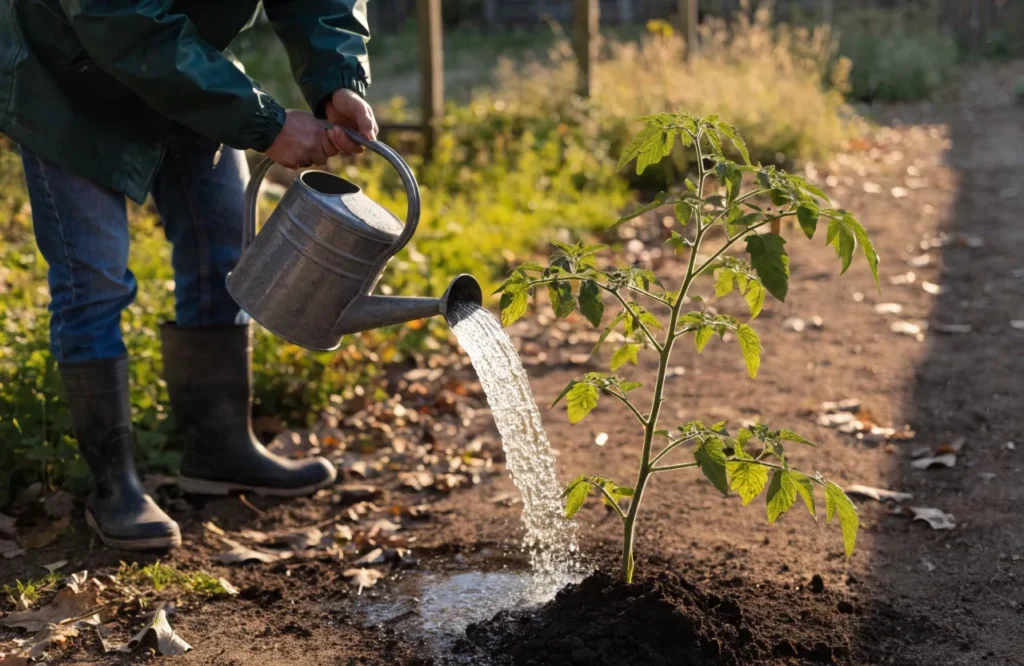
Beyond knowing how often should you water tomato plants, these best practices matter regardless of your setup, and they often make a bigger difference in plant health than the exact schedule you follow.
- Water at the base, not the leaves. Wet foliage is an open invitation to fungal diseases like blight. Use a soaker hose, drip line, or simply aim the watering can at the soil.
- Water in the early morning. The best time to water tomato plants is early morning, this lets plants take up moisture before the heat of the day and gives any splashed leaves time to dry, reducing disease risk.
- Mulch heavily. A 2–3 inch layer of straw, shredded leaves, or other organic mulch slows evaporation, keeps soil temperature more stable, and can meaningfully cut down how often you need to water.
- Water slowly and deeply. A slow trickle for 30 minutes to a couple of hours (depending on your setup) lets water penetrate deeply instead of running off the surface.
How Much Water Does a Tomato Plant Need?
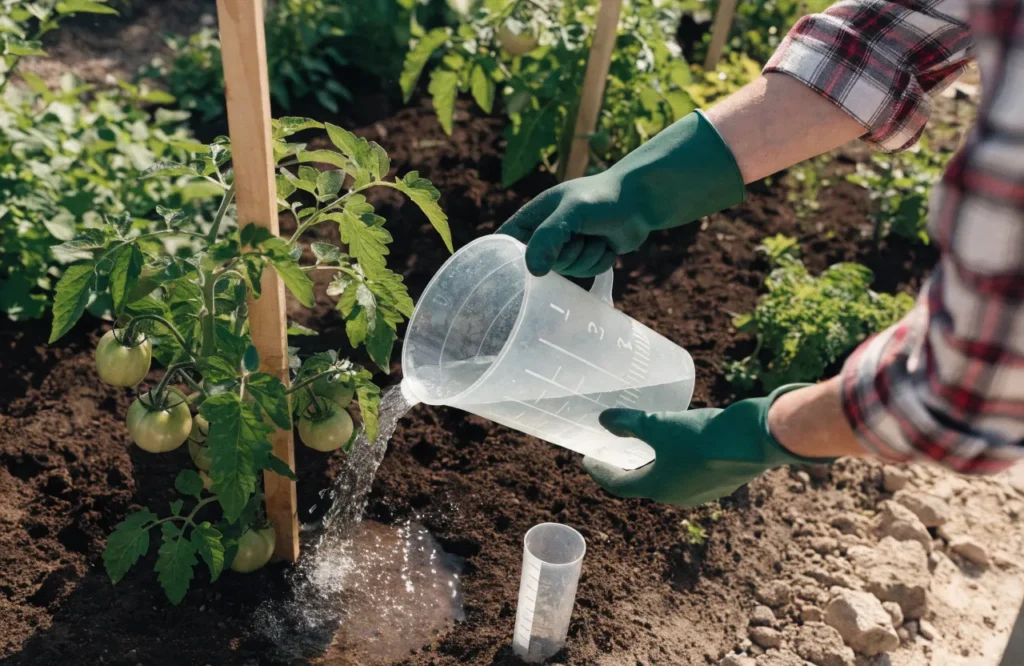
“1 to 2 inches a week” is the standard answer, but translating that into an actual amount you can measure at the hose is where most people get stuck. Here’s how it breaks down in real-world terms.
In gallons per plant: A mature in-ground tomato plant typically needs about 1 to 1.5 gallons of water every 2–3 days, or roughly 3–4 gallons total per week during normal summer weather. During a heat wave, that can climb to 5–6 gallons a week. Container plants need less total volume but more frequent refills, since pots hold far less reserve moisture, a 5-gallon container might only need a quart or two per watering, but that could mean watering daily.
Converting inches to gallons: One inch of water over a 10-square-foot bed works out to roughly 6 gallons. If you’re using a soaker hose or drip system rather than a watering can, you can calculate your bed’s square footage and multiply it out to know roughly how long to run your system to hit that 1–2 inch weekly target.
Don’t forget rainfall. A “one-inch weekly water requirement” includes rain, it’s not on top of it. If your area gets a solid inch of rain in a week, you likely don’t need to water at all that week. Keeping a $5 rain gauge in the garden makes this easy: check it before deciding whether to turn on the hose. Skipping this step is one of the most common reasons gardens end up overwatered.
A simple rule of thumb: if you don’t want to measure anything, the finger test still works, 2 inches down, dry means water, damp means wait. But if you like precision (or you’re troubleshooting a plant that isn’t doing well), knowing your actual gallons-per-week number makes it much easier to diagnose whether watering is really the problem.
Signs Your Watering Schedule Needs Adjusting
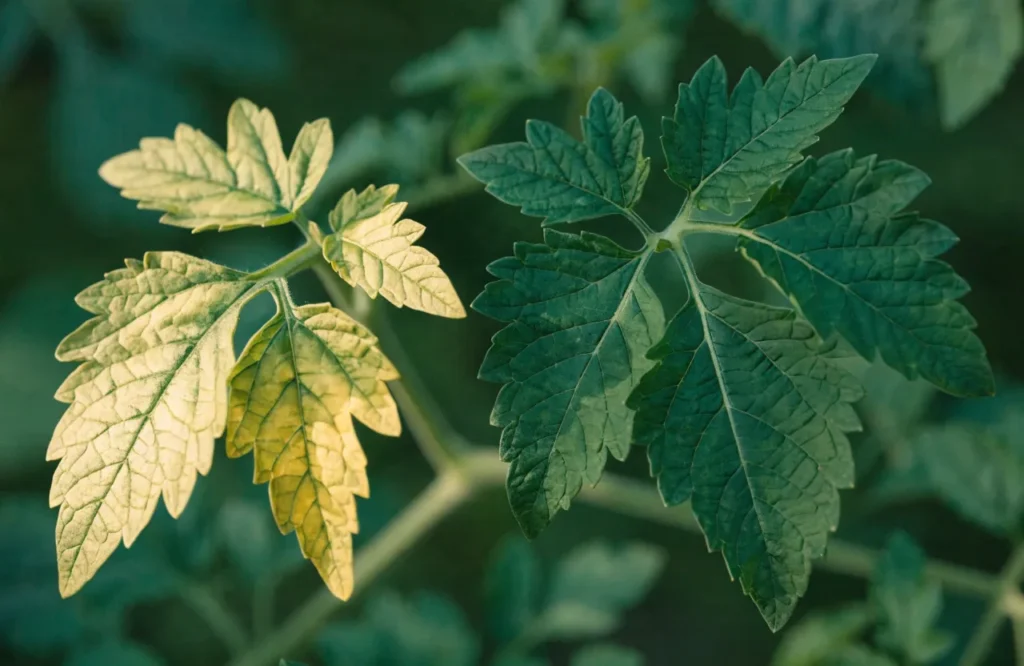
Your plant will usually tell you if you’re watering tomato plants too much or too little, long before things get serious.
- Wilting in the morning (not just afternoon) usually signals underwatering.
- Yellowing lower leaves plus soggy soil points to overwatering or poor drainage. If yellowing persists even after you adjust watering, it may point to a nutrient or disease issue, see our guide on why tomato plant leaves turn yellow for a full breakdown of causes.
- Cracked or split fruit is a classic sign of inconsistent watering, typically a dry stretch followed by a sudden heavy soak.
- Blossom end rot (a dark, sunken patch on the fruit’s bottom) is often linked to uneven watering disrupting calcium uptake, even when calcium is present in the soil.
Common Watering Mistakes to Avoid
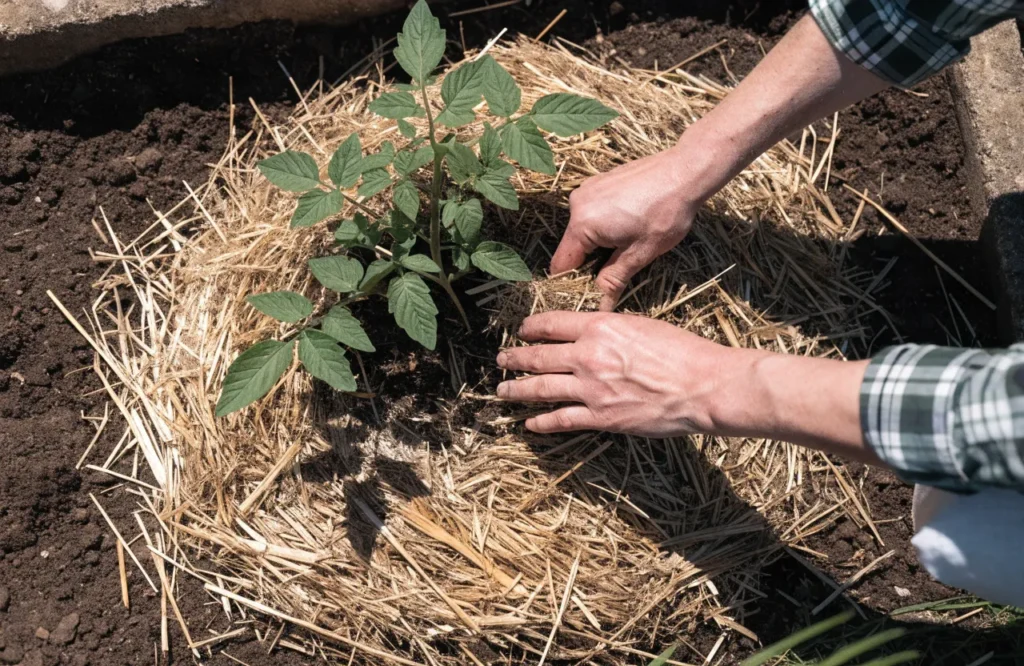
Getting the technique right is often more about avoiding these common errors than following a perfect schedule.
- Watering a little bit every day. This is the single most common mistake. Light daily sprinkles only moisten the top inch of soil, so roots stay shallow and the plant becomes more vulnerable to heat and drought stress. Deep, less-frequent watering is almost always better.
- Watering on a fixed schedule regardless of conditions. Soil, weather, and plant size change constantly. A calendar-based routine (“every Tuesday and Friday”) ignores what the plant actually needs that week. Check the soil, don’t just check the date.
- Overhead watering with a sprinkler. Wetting the foliage raises the risk of fungal diseases like early blight and septoria leaf spot, especially if leaves stay damp overnight. Always aim water at the soil.
- Watering at night. Evening watering leaves foliage and soil surface wet for hours, creating ideal conditions for fungal problems. Morning watering is far safer.
- Letting containers dry out completely between waterings. Container soil can go from moist to bone-dry surprisingly fast. A single missed hot day can stress the plant enough to trigger blossom end rot or dropped flowers.
- Overcorrecting after a dry spell. Dumping a huge volume of water on a plant that’s been under-watered for days is a leading cause of split and cracked fruit. Ease back into a consistent schedule instead of flooding the soil.
- Ignoring drainage. Pots without drainage holes, or garden beds with heavy clay soil, trap water around the roots and lead to root rot, yellowing leaves, and a generally unhealthy plant, no matter how “correct” the watering frequency is.
- Watering based on wilting alone. Tomato leaves naturally droop a bit in the hottest part of the afternoon as a heat-defense mechanism, even when soil moisture is fine. Watering every time you see afternoon wilting can easily lead to overwatering. Check again in the early evening, if the plant has perked back up, it didn’t need water.
- Using the same routine for pots and garden beds. Container soil and garden soil behave completely differently. Treating a 5-gallon grow bag like an in-ground row (or vice versa) is one of the fastest ways to over- or under-water.
- Forgetting mulch. Skipping mulch means the soil surface dries out faster, forcing more frequent watering than necessary and making the whole system harder to manage.
Best Watering Tools for Tomato Plants
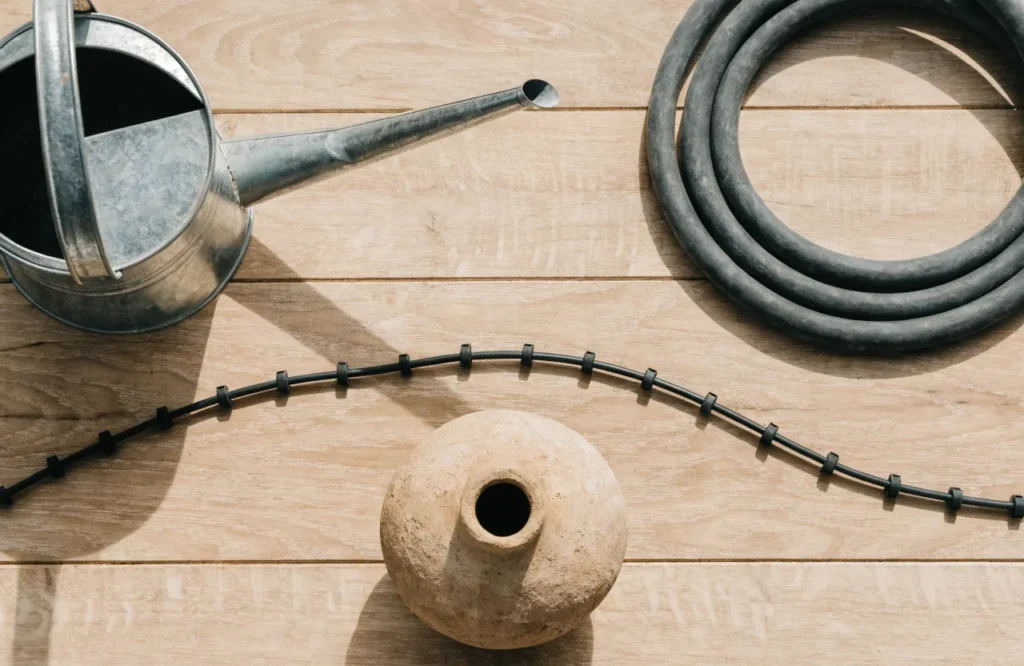
The right tool doesn’t just save time, it directly affects how healthy your plants stay, since how water is delivered matters almost as much as how much you give.
Watering can. Best for a handful of plants or containers. Cheap, simple, and gives you full control to water at the base and avoid the leaves. The downside is consistency, it’s easy to underestimate how much you’re actually giving each plant, and it doesn’t scale well past 5–6 plants.
Garden hose with a breaker nozzle. A step up from a watering can for in-ground beds or larger container collections. A “shower” or “breaker” nozzle attachment softens the water flow so it soaks in rather than displacing soil or splashing onto leaves. Still requires you to stand there for the duration, which makes it easy to under-water without realizing it.
Soaker hose. A porous hose laid along the base of a row of plants that weeps water slowly along its entire length. Excellent for in-ground rows and raised beds, water goes straight to the root zone, evaporation is minimal, and you can run it on a simple timer. The main downside is uneven pressure over long runs, so very long soaker hose lines can water unevenly from one end to the other.
Drip irrigation. The gold standard for anyone growing more than a few plants. Individual emitters deliver a measured amount of water to each plant’s root zone, which means far more consistency than a soaker hose and dramatically less water waste than any hand-watering method. It takes more setup time and a small upfront cost, but pairs perfectly with a timer for fully hands-off watering, genuinely one of the best upgrades for reducing blossom end rot and cracked fruit caused by inconsistent watering.
Ollas (unglazed clay pots). A low-tech but effective option, especially for containers or small beds. An olla is buried in the soil near the plant and filled with water, which then seeps out slowly through the porous clay walls as the surrounding soil dries. Great for vacation coverage or for gardeners who want to minimize daily watering tasks.
Self-watering containers. For pot-grown tomatoes specifically, a container with a built-in water reservoir smooths out the daily swings that make container watering tricky, and is one of the easiest ways to avoid the classic “forgot to water for one hot day” stress event.
Bottom line: for a few plants in the ground, a watering can or hose is fine. For raised beds or multiple containers, a soaker hose or drip system pays for itself quickly in water savings and healthier plants, and it’s the single easiest way to make “watering consistency” (the thing that matters most for tomatoes) effortless instead of something you have to remember every day.
Expert Tips for Watering Tomato Plants
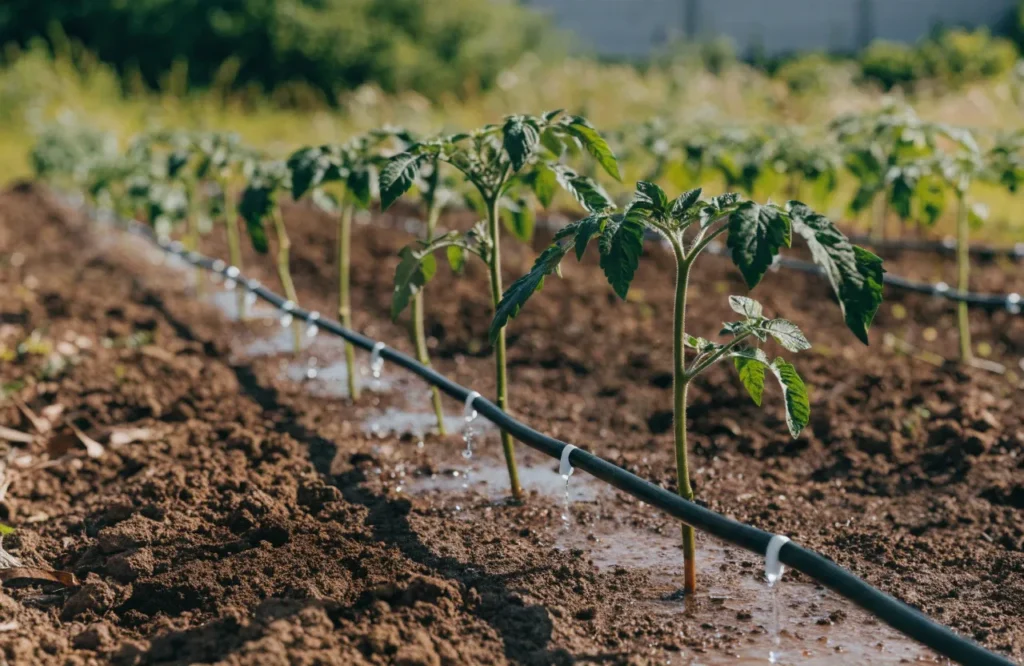
These tips make it easier to stay consistent and build a routine that fits your specific garden.
- Do the finger test. Push a finger 2 inches into the soil next to the plant. Dry at that depth means water; still damp means wait. This single habit prevents most watering mistakes.
- Try the “chopstick” or moisture meter trick. For containers especially, a wooden skewer pushed into the soil and pulled out will show damp soil clinging to it if moisture is adequate. A cheap moisture meter works even better for beginners.
- Set up drip irrigation or soaker hoses. These deliver water slowly and directly to the root zone, cutting down on evaporation, disease risk, and daily labor. They’re one of the best upgrades for anyone growing more than a plant or two.
- Group containers by size and sun exposure. Small pots in full sun dry out much faster than large pots in partial shade. Watering them all on the same schedule almost guarantees some are wrong.
- Water early, check in the evening. Morning watering plus an evening soil check lets you catch problems before they become serious, without the risks of nighttime watering.
- Use self-watering containers or a saucer reservoir for pots. These smooth out the daily swings in container moisture and make it much harder to accidentally let a plant dry out.
- Feed calcium-rich, consistent water rather than sporadic large doses. Consistency, not total volume, does more to prevent blossom end rot than any single watering session.
- Adjust for pot color and material. Dark-colored or metal containers heat up in the sun and dry out faster than light-colored plastic or glazed ceramic pots. Factor this in when deciding how often to check them.
- Mulch generously and refresh it. A 2–3 inch layer of straw or shredded leaves cuts evaporation dramatically and keeps soil temperature more stable, refresh it as it breaks down over the season.
- Watch the plant, not just the calendar. Curling leaves, dull leaf color, or slowed fruit development are all early signals worth investigating before they become a full-blown watering crisis.
- Taper watering slightly as fruit ripens. Many experienced growers reduce watering slightly in the final week or two before harvest, which can concentrate flavor in the fruit, just don’t let plants wilt in the process.
Frequently Asked Questions
Quick Reminder
Here’s a fast recap of the essentials:
- Water deeply instead of lightly.
- Check soil moisture before watering.
- Keep watering consistent during flowering and fruiting.
- Water early in the morning.
- Mulch to reduce evaporation.
Final Thoughts
So, how often should you water tomato plants? There’s no single number that works for every garden, a tomato in a 5-gallon pot in Phoenix and one in a raised bed in Seattle are living very different lives, and both can thrive as long as you’re responding to what the plant and soil are actually telling you rather than following a fixed calendar.
If there’s one habit worth building above all others, it’s checking the soil before you water rather than watering out of routine. Combine that with deep, consistent watering, morning timing, and a solid layer of mulch, and you’ve covered the fundamentals that matter most, everything else is fine-tuning.
Tomatoes are forgiving plants. Even if you get the schedule slightly wrong here and there, staying consistent and responsive over the course of the season will produce a healthier plant and a better harvest than chasing a perfect routine ever could.
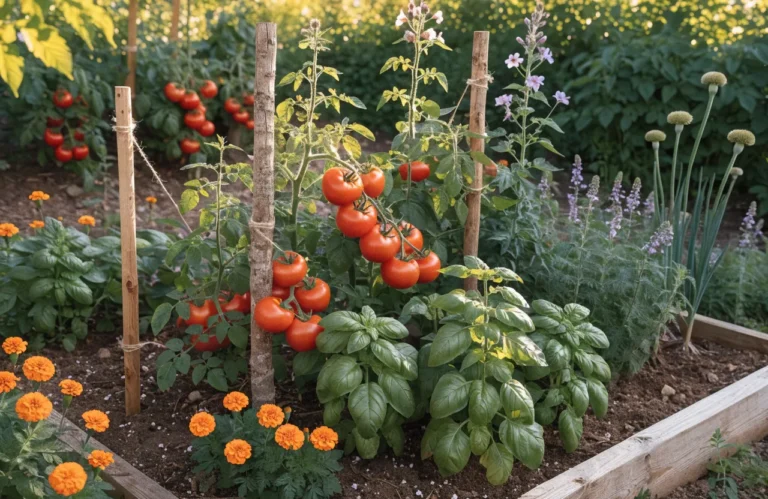
Once your watering routine is dialed in, pairing your tomatoes with the best tomato companion plants is one of the easiest next steps to boost yields and keep pests away naturally.