15 Best Fall Vegetables to Grow in September (Plus a Planting Calendar)
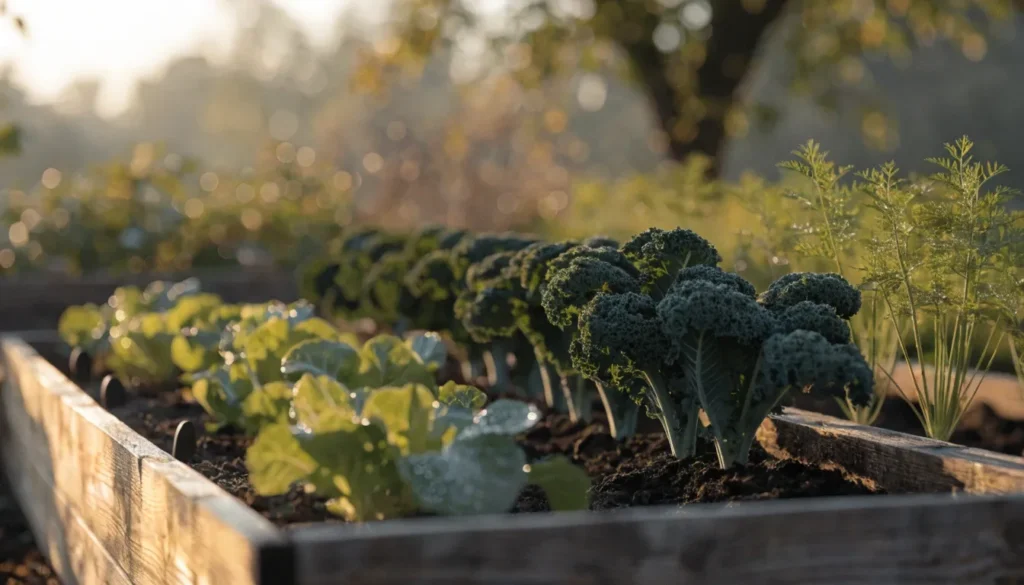
September is prime time for cool-season vegetables. The summer beds are fading, but lettuce, kale, carrots, and a dozen other crops actually prefer the shorter days and dropping temperatures ahead. Several even taste better for it, a touch of frost converts stored starches into sugar, which is why fall carrots and kale are noticeably sweeter than their summer-grown counterparts. Vegetables aren’t the only thing worth tucking into empty beds this month, either; a few September flowers for a fall garden pair well with a vegetable patch and keep pollinators around while your greens size up.
This guide covers the 15 best fall vegetables to grow in September, a real week-by-week planting calendar, and the details most lists skip, soil temperature ranges for germination, spacing, and how many weeks before frost each crop actually needs. If you’re mapping out the rest of your beds too, our broader rundown of what to plant in September covers flowers and other crops alongside these, or go straight to our list of flowers to plant in September if that’s the piece you’re filling in.
Quick answer: The best fall vegetables to plant in September include lettuce, arugula, spinach, kale, Swiss chard, collards, mustard greens, broccoli, cabbage, cauliflower, carrots, beets, radishes, turnips, and peas. Your exact planting date depends on how many weeks remain before your area’s average first frost, count backward from that date rather than the calendar month.
Table of Contents
Is September Too Late to Plant Vegetables?
No. For most of the U.S., September is squarely within the planting window for fast, cool-season crops, radishes, lettuce, arugula, spinach, and turnips can all still go in the ground, and it’s the standard month to set out broccoli, cabbage, and cauliflower transplants that were started earlier in summer. What changes through the month is which crops still have enough time: early September favors longer-season vegetables, while only the fastest crops (radishes, baby greens) are safe bets by the last week.
Important: September Planting Depends on Your First Frost Date
Every timing recommendation in this guide is a general rule of thumb, not a fixed calendar date, because September planting windows vary enormously by region. A gardener in Minnesota, one in New York, one in Texas, and one in coastal California are not working with the same calendar, even though all four might search for “what to plant in September.”
The most reliable way to plan is to count backward from your area’s average first fall frost date, rather than relying on the calendar month alone. Gardeners in colder regions may need to have long-season crops in the ground by early September or rely on transplants, while gardeners in warmer regions can often keep sowing many of these vegetables into October or later. A local extension office or a frost-date lookup tool will give you a more accurate date than memory or a national average.
How to Calculate Your Fall Planting Dates
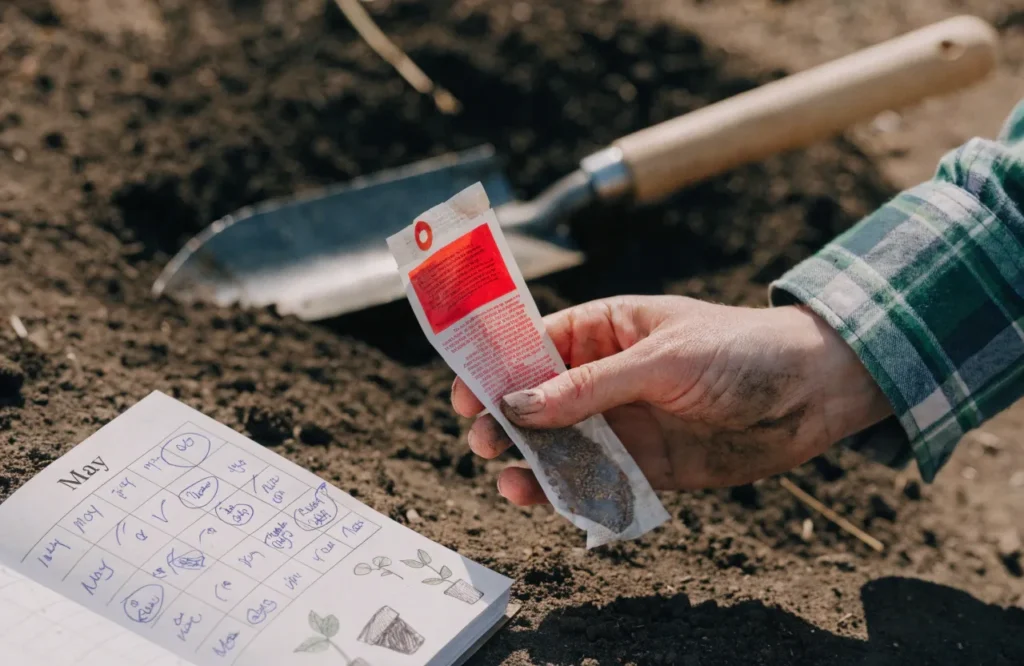
- Find your average first frost date. This is the anchor for every date below.
- Check the crop’s days-to-maturity, listed for each crop below and in the reference table.
- Add a planning buffer of roughly 10–14 days. Shorter day length and cooler temperatures can slow growth later in autumn, especially for crops still sizing up in October. The exact slowdown varies by crop and climate, so treat this as a cushion rather than an exact formula.
- Count backward from your frost date to get your target sowing or transplanting window.
The lower sun angle in fall can also throw beds that were full sun in July into partial shade by October. If that’s happening to part of your plot, it’s worth checking which vegetables tolerate shade before writing that bed off for the season, several of the greens on this list handle it better than root crops do.
How to Get Seeds to Germinate in Warm September Soil
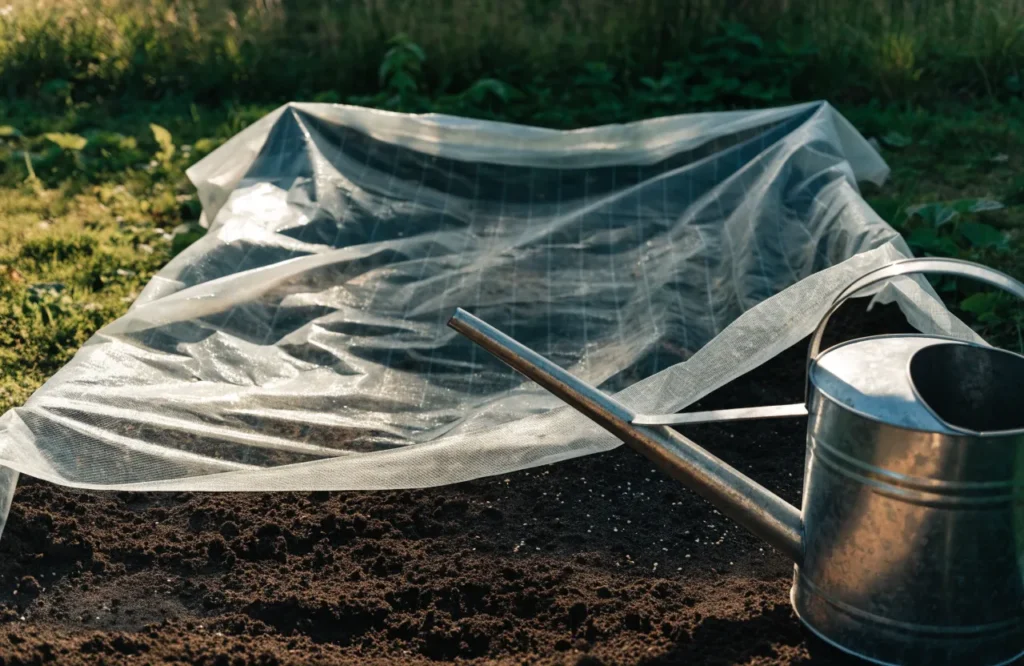
This is the step most fall-garden guides underexplain, and it’s a common reason fall plantings fail. Late-summer soil is often 80–90°F (27–32°C) at the surface, which is too warm for reliable germination of crops like spinach and lettuce.
- Shade and pre-water the bed for three to five days before sowing to bring soil temperature down.
- Sow slightly deeper than in spring so seeds sit in cooler, more consistently moist soil.
- Cover the bed with shade cloth or another light, breathable material to reduce surface heating and conserve moisture, and remove it as soon as seedlings emerge, check daily, since seedlings can come up underneath a cover you’re not watching closely.
- For spinach specifically, germination is often poor in warm soil. Keep the seedbed consistently moist and shaded, and consider pre-soaking or pre-chilling the seed to help it along, results vary by variety and temperature, so treat this as one tool rather than a guarantee.
- Water lightly once or twice a day rather than deeply once, fall seedbeds dry out fast in residual summer heat.
15 Best Fall Vegetables to Plant in September
1. Lettuce
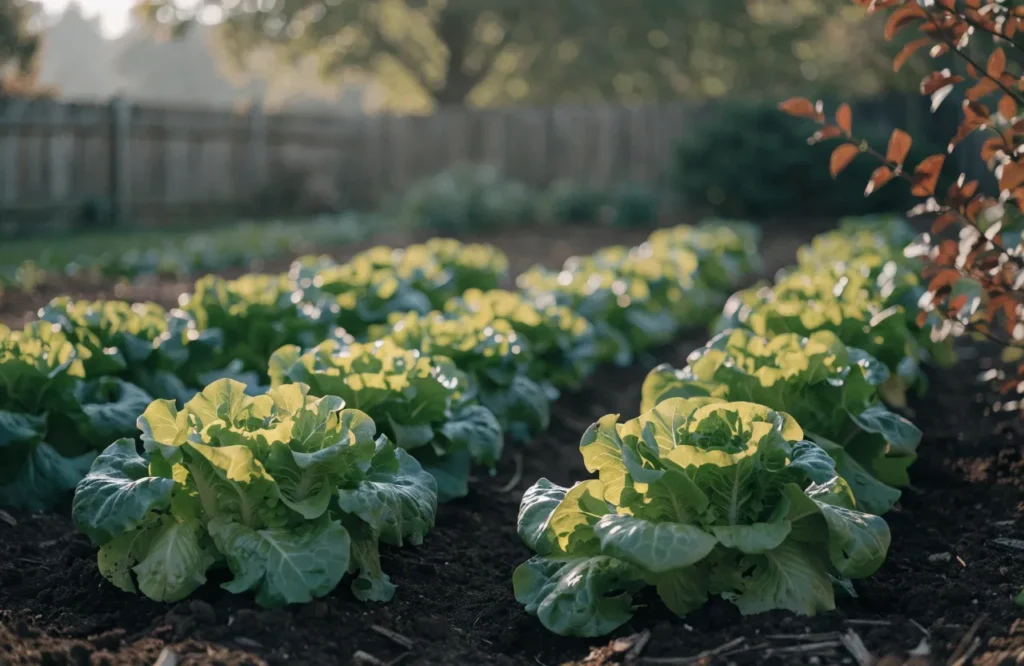
Sow 6–8 weeks before your average first frost, ¼ inch deep, thinning to 6–10 inches apart; if you’re reading this later in the month, baby lettuce can often still be sown with less lead time than a full head. Germinates best in soil below roughly 75°F, which is one reason light shade for the first week helps in early September. Succession-sow every 10–14 days for a rolling harvest instead of one flush that all matures at once.
2. Arugula
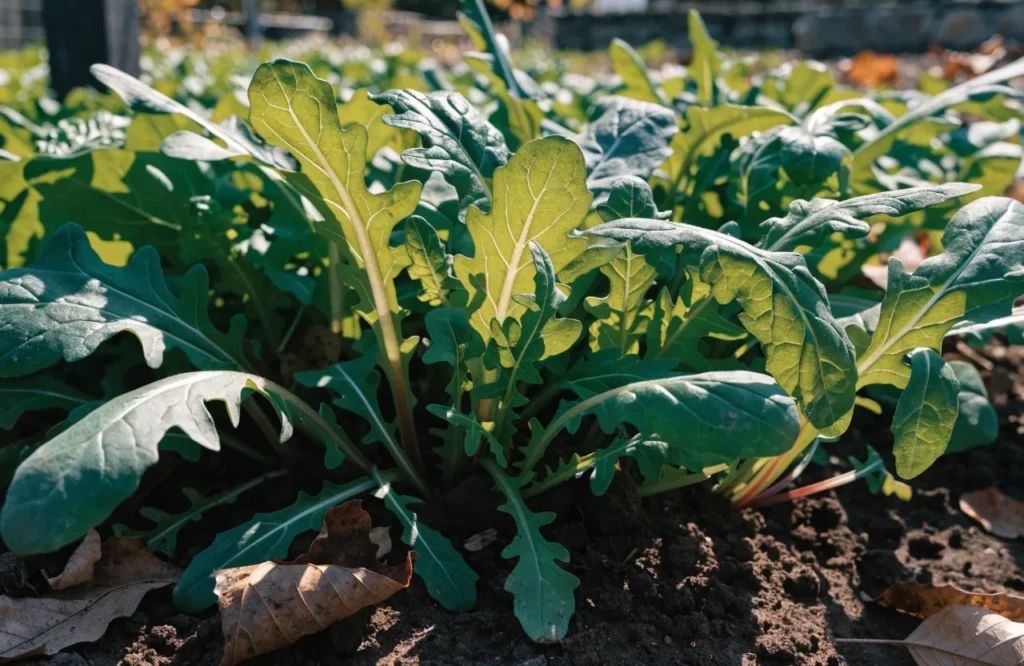
Best for beginners or a late start: arugula is one of the quickest and most forgiving fall crops, which makes it a good choice if you’re planting later than you’d planned. Sow 4–6 weeks before frost, ¼ inch deep, 4–6 inches apart (or broadcast for cut-and-come-again baby greens). As little as 21 days for baby leaf, closer to 40 for full size, and among the most cold-hardy crops here, often handling a light frost without any cover.
3. Spinach
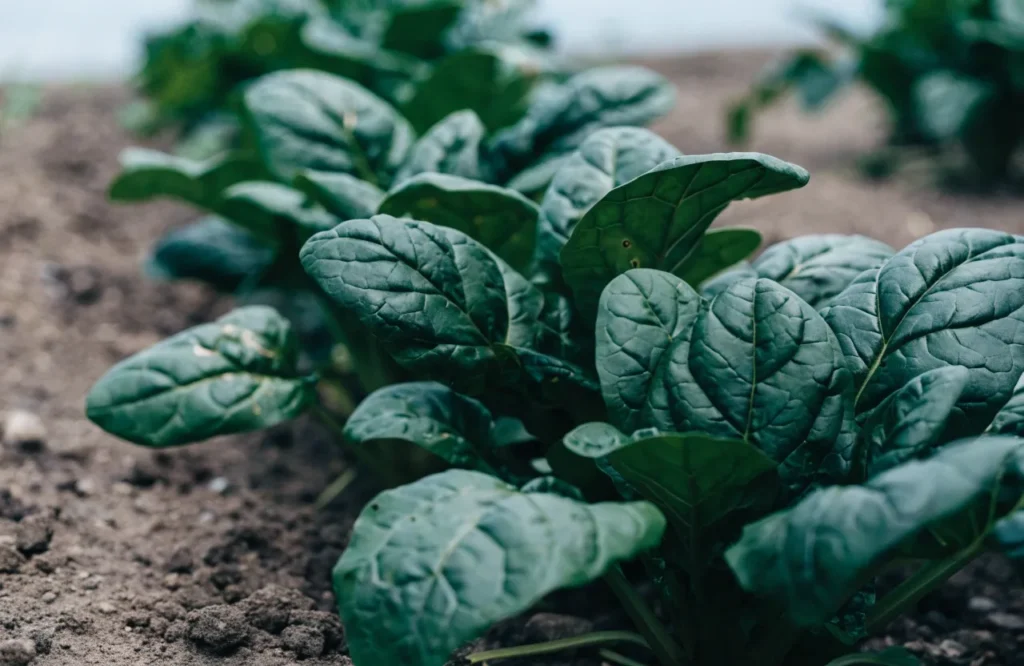
Sow 6–8 weeks before frost, or start indoors and transplant once daytime highs settle into the low-to-mid 70s°F. Space plants 3–4 inches apart. In many mid-Atlantic and northern gardens, spinach will overwinter under a light cover and resume growth in late winter, effectively giving you a second harvest from one fall planting.
4. Kale
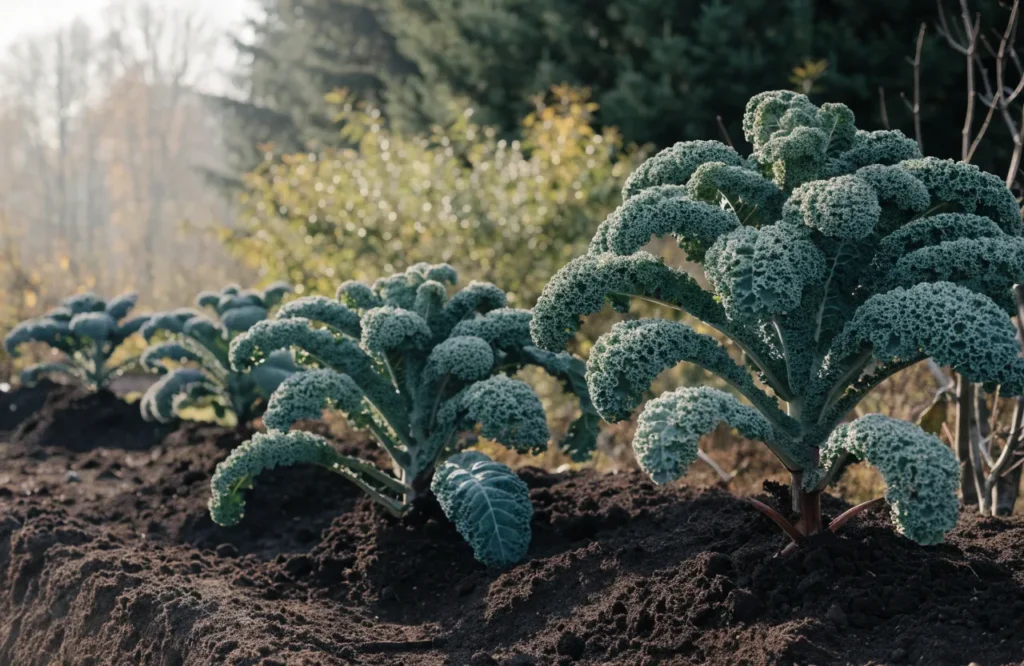
Sow or transplant 6–8 weeks before frost, spacing 12–18 inches apart. Established plants tolerate cold well into the 20s°F, especially under cover, and flavor genuinely improves after the first hard frost. Kale can continue producing well into winter in many mild climates, especially with row-cover protection, how far into winter depends heavily on your zone and cultivar.
5. Swiss Chard
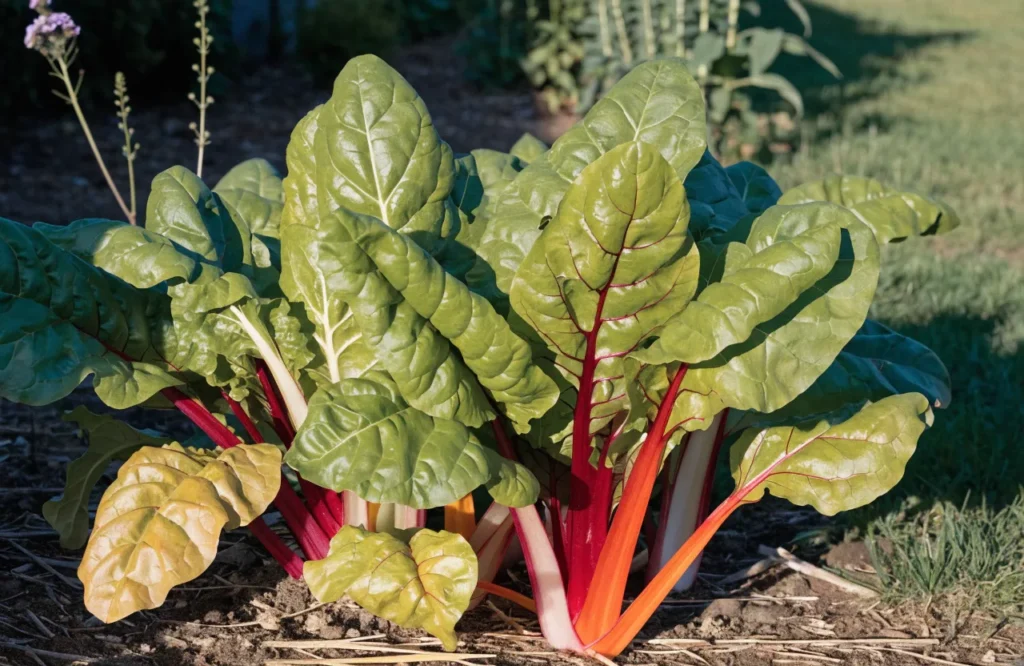
Sow 8–10 weeks before frost, ½ inch deep, thinning to 6–12 inches apart. Chard tolerates warmer soil at planting time better than spinach does, making it a safer September bet, and it typically keeps producing outer leaves through several light frosts.
6. Collards
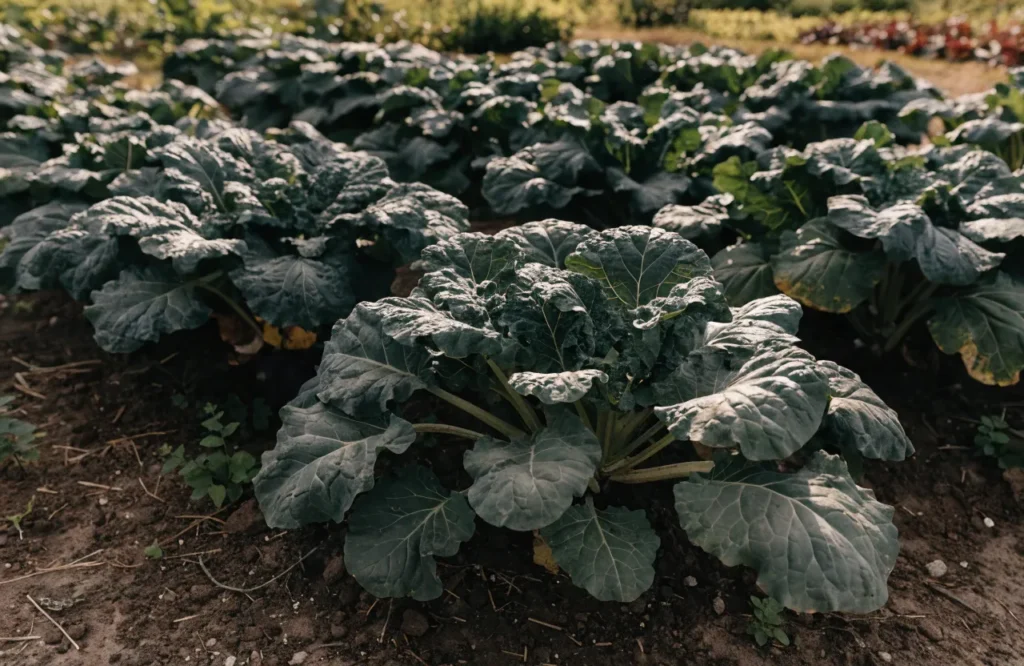
Sow 4–8 weeks before frost, spacing plants 12–18 inches apart. Collards are notably cold-hardy and, like kale, sweeten with cold exposure, a reliable choice for a fall greens rotation.
7. Mustard Greens
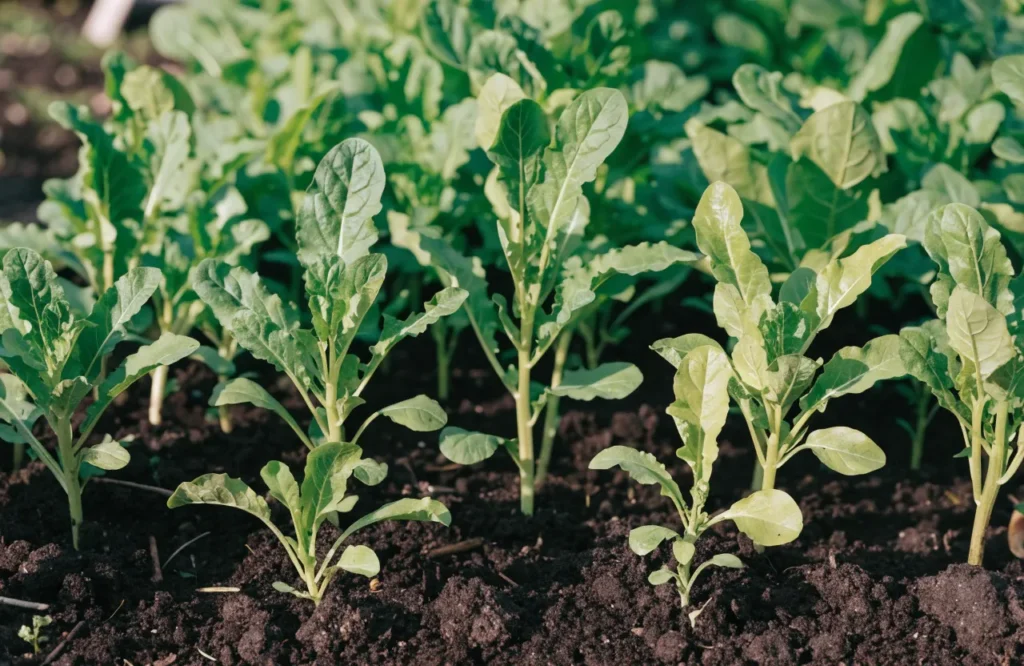
Sow 4–8 weeks before frost, spacing 4–8 inches apart depending on whether you’re harvesting baby leaves or letting plants mature. Fast enough as a baby green to fit into a tighter late-September window if you’re short on time.
8. Broccoli
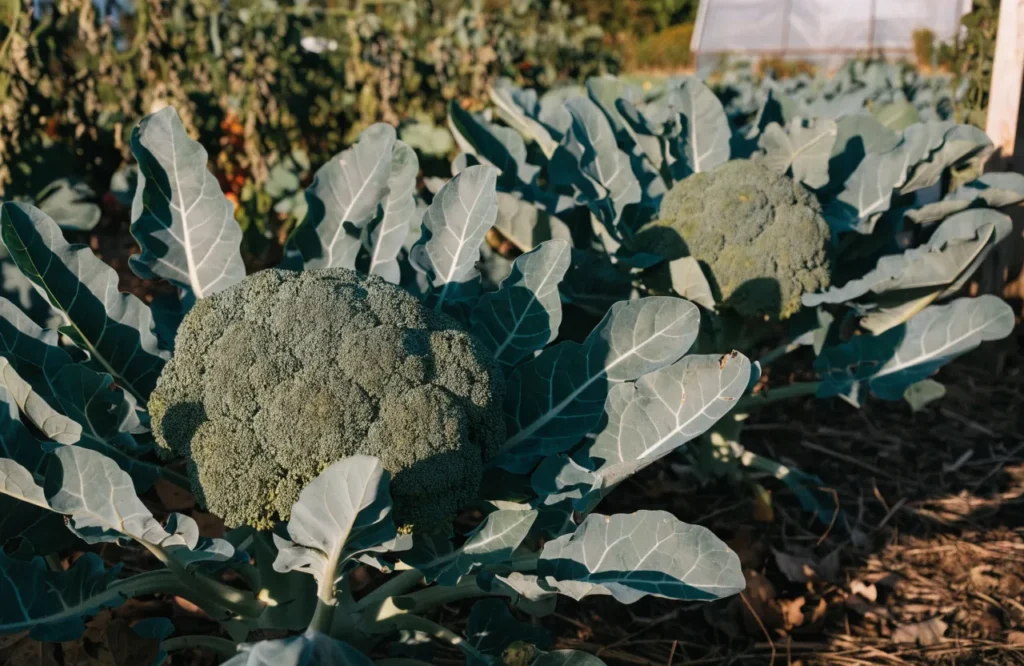
For a September fall garden, plan on using transplants that were started from seed earlier in summer rather than starting seed now, broccoli generally needs to be seeded roughly 8–10 weeks before it’s ready to transplant, which puts most fall broccoli starts in June or July. Set transplants out 6–8 weeks before frost, 18–24 inches apart. If you’re starting late, buying healthy nursery transplants is usually more reliable than starting seed in September. After the main head is harvested, many varieties reliably produce a second wave of side shoots.
9. Cabbage
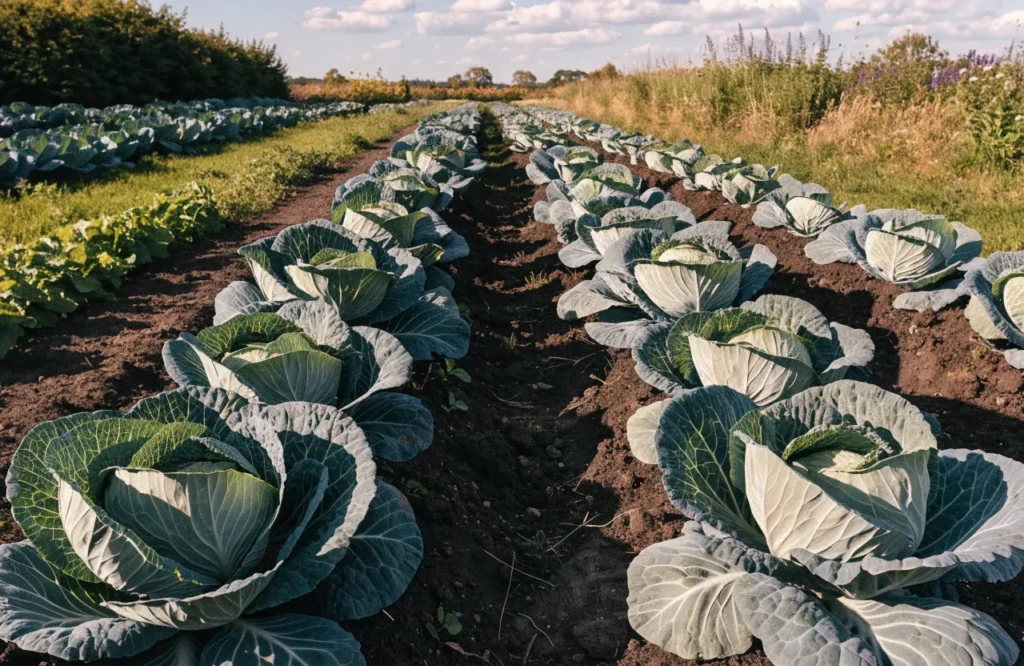
Follows broccoli’s timeline, transplants (not September-started seed) set out 6–8 weeks before frost, spaced 12–24 inches apart depending on variety. Napa or Chinese cabbage matures somewhat faster than European heading types, making it a better fit for a tighter fall window. Cabbage worms remain active into fall, so a floating row cover from day one prevents more damage than spraying after the fact.
10. Cauliflower
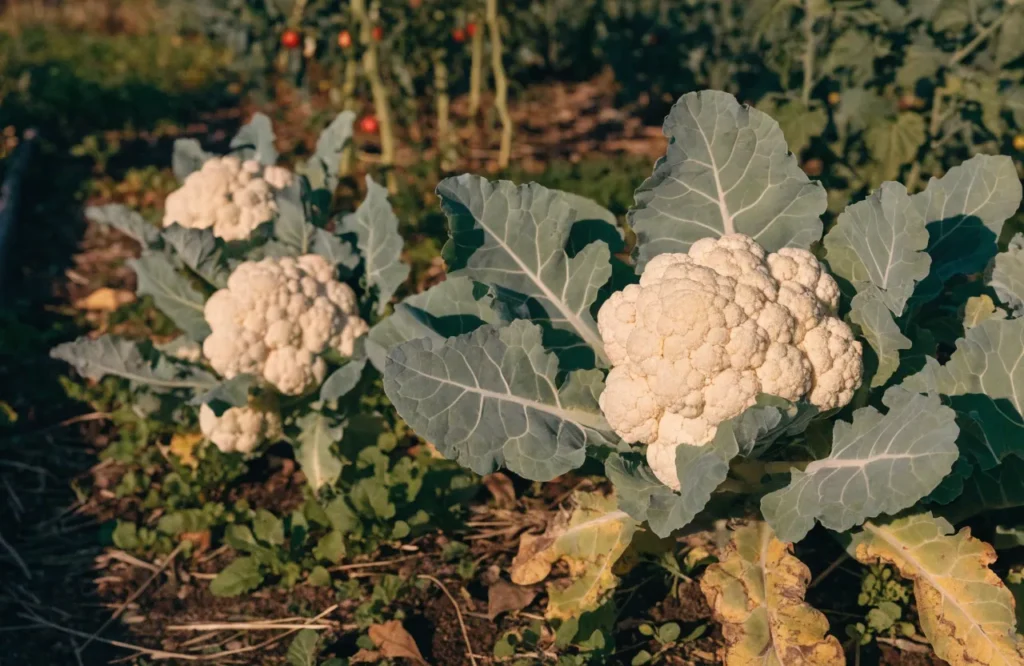
Same transplant-based approach as broccoli and cabbage: set out established seedlings 6–8 weeks before frost, 18–24 inches apart. Cauliflower is more sensitive to temperature swings while heads are forming, so keep row cover on hand for an early cold snap.
11. Carrots
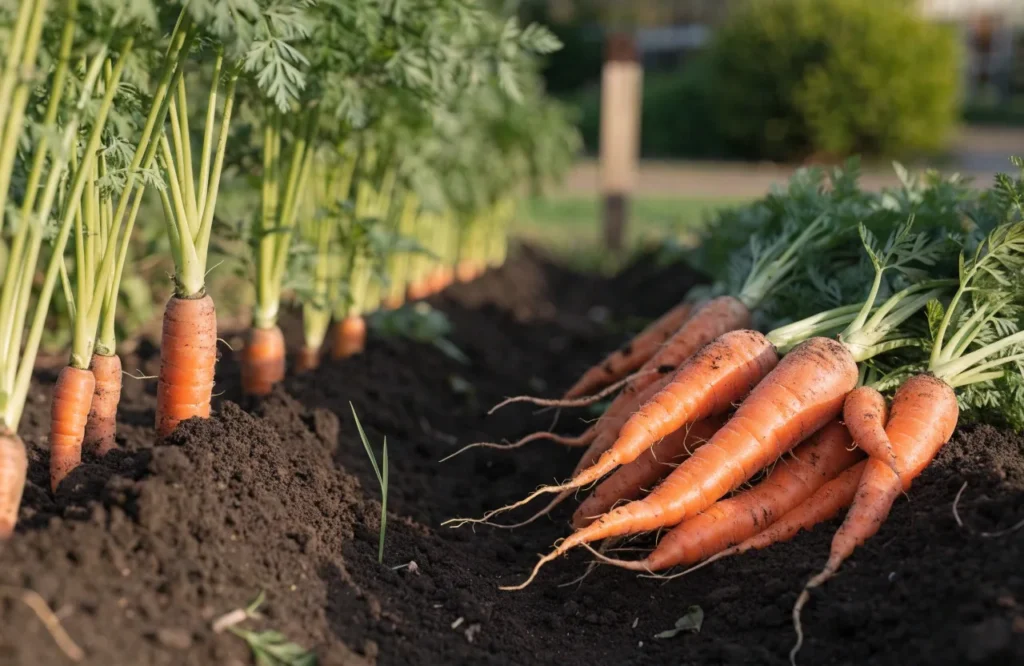
Sow 8–10 weeks before frost, ¼ inch deep, thinning to 2–3 inches apart. Germination (roughly 10–21 days) is the real challenge in warm soil, shading the bed and keeping it consistently moist matters more than any single trick. Choose a storage variety if you want to leave roots in the ground into early winter; they’ll continue to sweeten with cold exposure.
12. Beets
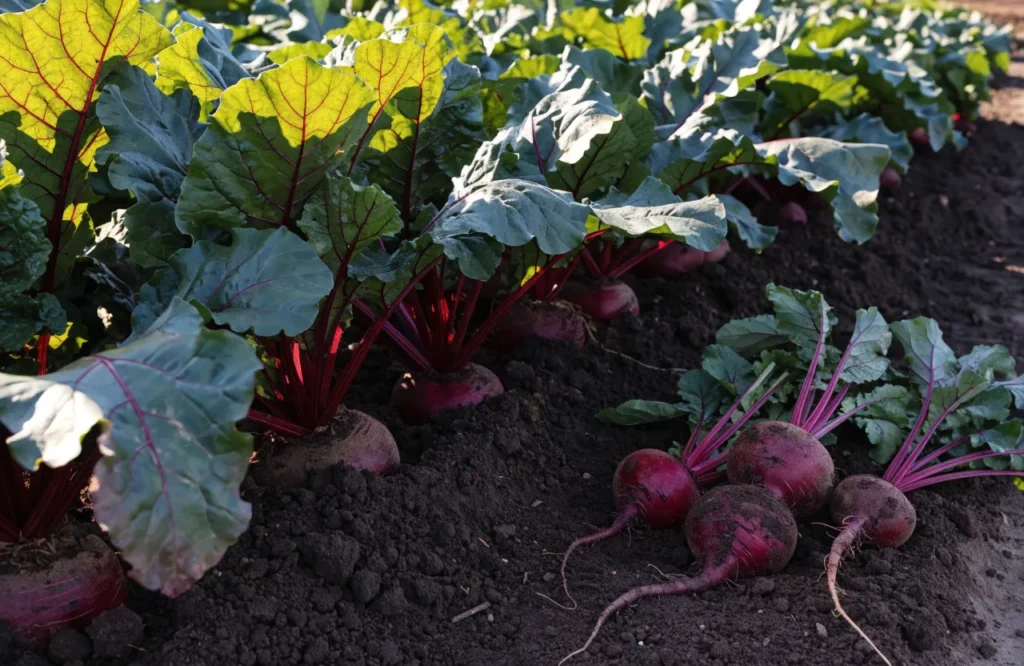
Sow 6–8 weeks before frost, ½–1 inch deep, thinning to 3–4 inches apart. Like carrots, beets need consistent moisture through a slower fall germination period. In milder climates, beets can overwinter for a late-winter harvest of both roots and greens.
13. Radishes
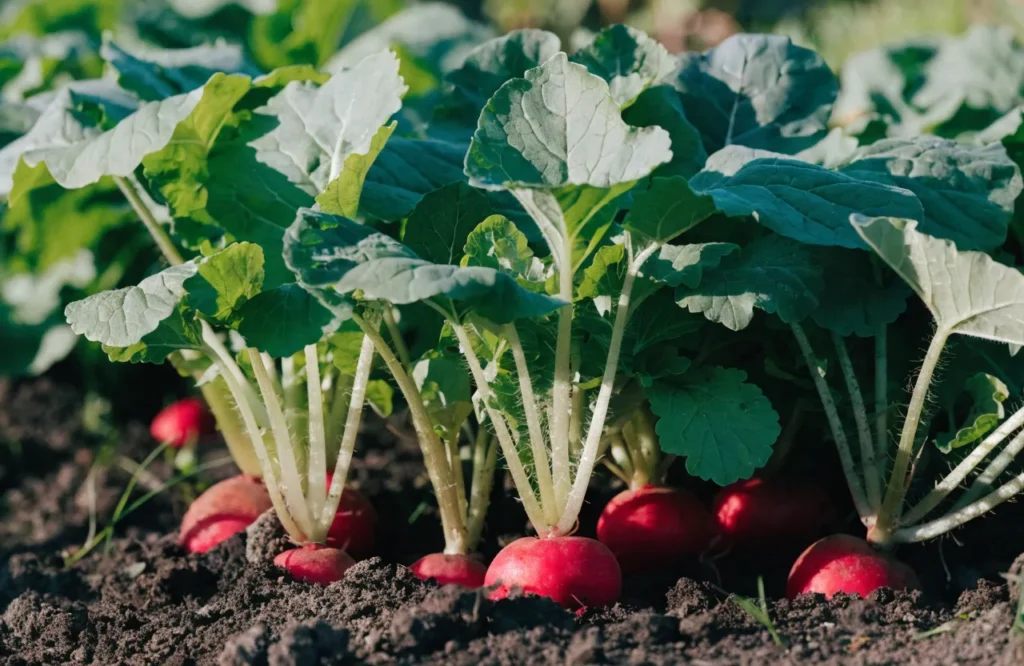
Standard salad radishes are the fastest crop on this list, sow 3–6 weeks before frost, ½ inch deep, thinned to 1–2 inches apart, for a harvest in under a month. If you want something that stores longer, daikon and other Asian radishes take closer to 50–70 days and need more room (4–6 inches), but keep considerably better through winter than salad radishes do.
14. Turnips
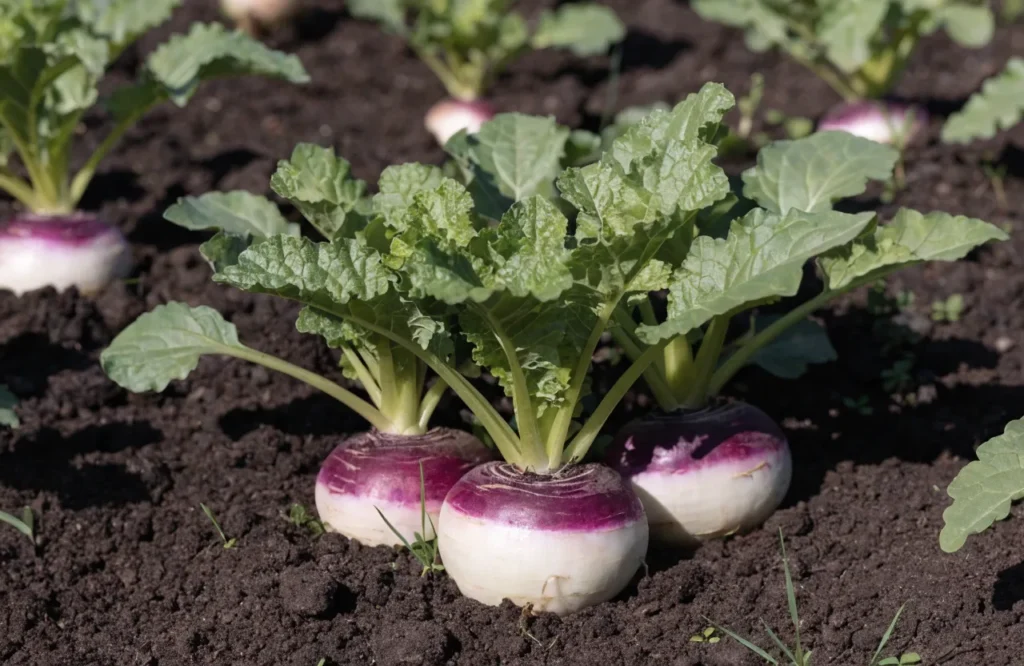
Sow 6–8 weeks before frost, ½ inch deep, thinning to 4–6 inches, and harvest young for greens if you’re short on time. Rutabaga is a close relative but needs closer to 90 days, which usually puts its planting window in late June or early July, by September it’s generally too late to start rutabaga for this season.
15. Peas
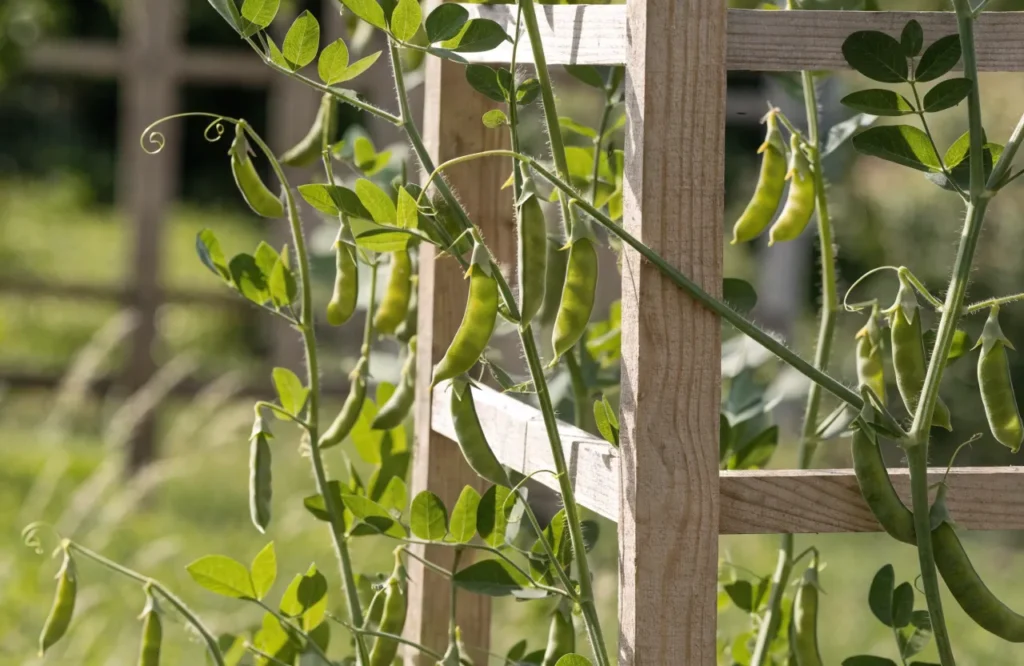
Sow 8–10 weeks before frost, 1 inch deep, 2–3 inches apart, with a trellis in place at planting. Fall peas benefit from warm soil at germination, unlike most of this list, and finish flowering after the worst heat has passed. Choose a short-season variety bred for a compressed fall window rather than a full-season spring type; this applies whether you’re growing snap, snow, or shelling peas.
What About Garlic?
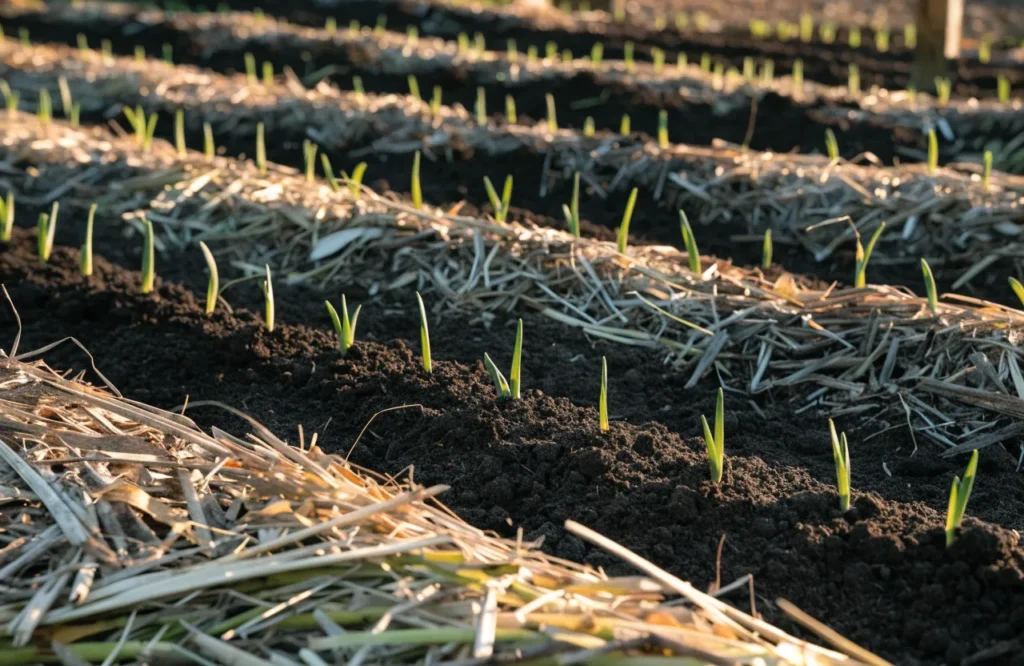
Garlic doesn’t quite fit the “plant it in September, harvest it this fall” pattern of the rest of this list, but no fall garden plan is complete without it. Garlic is a fall-planted crop in most climates, though its ideal window is usually later than the early-September sowing period for the fast-growing vegetables above. Plant cloves after temperatures cool in autumn, pointed end up, about 2 inches deep and 6 inches apart, following your local extension office’s recommended timing for your hardiness zone. Once in, garlic sits through winter and isn’t ready to harvest until the following summer, mulch heavily in cold climates to prevent frost heave.
September Fall Vegetable Planting Calendar by Frost Date
Use these weeks as a general guide only. This calendar assumes roughly 6–8 weeks remain before your average first frost, if your frost date is earlier or later than that, shift the whole schedule accordingly rather than following the calendar dates literally.
Week 1: September 1–7 best for crops that need more time before frost:
- Broccoli, cabbage, and cauliflower transplants
- Kale
- Swiss chard
- Carrots
- Beets
- Peas
- Daikon radish
Week 2: September 8–14 quick-growing greens and roots:
- Lettuce
- Spinach
- Arugula
- Mustard greens
- Collards
- Turnips
- Radishes
Week 3: September 15–21 succession plantings:
- More lettuce
- More spinach
- Arugula
- Radishes
- Baby greens
- Short-season turnips
Week 4: September 22–30 best for gardens with a later first frost:
- Radishes
- Arugula
- Baby spinach
- Lettuce
- Mustard greens
Adjust this calendar based on your local frost date. Gardeners in warmer zones can keep planting well past this window, while colder regions may need to have most crops in the ground earlier in the month.
Quick Fall Vegetable Planting Table
| Vegetable | When to Plant | Days to Maturity | Spacing |
|---|---|---|---|
| Lettuce | 6–8 weeks before frost | 30–60 | 6–10 in |
| Arugula | 4–6 weeks before frost | 21–40 | 4–6 in |
| Spinach | 6–8 weeks before frost | 35–50 | 3–4 in |
| Kale | 6–8 weeks before frost | 50–70 | 12–18 in |
| Swiss chard | 8–10 weeks before frost | 50–60 | 6–12 in |
| Collards | 4–8 weeks before frost | 40–60 | 12–18 in |
| Mustard greens | 4–8 weeks before frost | 30–50 | 4–8 in |
| Broccoli* | 6–8 weeks before frost | 55–90 | 18–24 in |
| Cabbage* | 6–8 weeks before frost | 60–100 | 12–24 in |
| Cauliflower* | 6–8 weeks before frost | 55–100 | 18–24 in |
| Carrots | 8–10 weeks before frost | 60–80 | 2–3 in |
| Beets | 6–8 weeks before frost | 50–70 | 3–4 in |
| Radishes | 3–6 weeks before frost | 20–40 | 1–2 in |
| Daikon | 8–10 weeks before frost | 50–70 | 4–6 in |
| Turnips | 6–8 weeks before frost | 40–60 | 4–6 in |
| Peas | 8–10 weeks before frost | 50–70 | 2–3 in |
*Best planted as established transplants in September rather than started from seed.
Common Fall Planting Problems
- Seeds not germinating: almost always soil temperature. Shade the bed, water more frequently, or start indoors and transplant instead.
- Seedlings bolting soon after emerging: usually leftover summer heat stress. Delay sowing by a week or add shade cloth for the first several days after emergence.
- Slower growth than a spring planting: largely normal, shrinking day length slows growth regardless of temperature, which is exactly why the planning buffer matters.
- Cabbage worm or flea beetle damage: cover brassicas with floating row cover at planting, before damage starts, rather than treating after the fact.
- Crop not finishing before hard frost: for root crops and hardy greens, this is often fine, carrots, kale, spinach, and beets can be mulched and left in the ground or under cover for a later harvest.
How to Extend Your Harvest Past Frost
A first frost doesn’t have to end the season for most of this list. Floating row covers add several degrees of protection on their own; a simple hoop-and-plastic tunnel or cold frame can add several more weeks on top of that. Hardy greens (kale, spinach, collards, chard) and root crops (carrots, beets, turnips) are the best candidates for winter-long harvesting under cover, tender crops like lettuce and peas will eventually succumb even with protection.
Frequently Asked Questions
Final Thoughts
A fall vegetable garden isn’t built from one planting day, it’s staggered across September based on each crop’s actual timeline back from your frost date, not a fixed calendar. Start with fast, forgiving crops like radishes, lettuce, and arugula, get transplants of broccoli, cabbage, and cauliflower into the ground rather than starting them from seed this late, and save garlic for its own later planting window. Count backward from your own first frost date, not this article’s example dates, and adjust as your local weather actually plays out.