Flowers to Plant in September: 30+ Choices by USDA Zone
September sits at a strange crossroads in the garden. Air temperatures are finally dropping, but the soil is still holding on to summer’s warmth, which is exactly why this month, not spring, is when many of next year’s best blooms actually get started. Bulbs need weeks underground before the ground freezes. Perennials need time to root before winter dormancy. And a number of cool-season annuals actually germinate and establish better in falling temperatures than in summer heat.
Exactly what you should plant this month, though, depends heavily on where you garden. Below is a full list of flowers to plant in September, broken out by USDA hardiness zone, along with planting guidance, a checklist, and answers to the most common questions gardeners search for this time of year.
Looking for what’s already in bloom rather than what to plant? Our roundups of fall-blooming flowers and September flowers for a fall garden cover that side of the season, this guide is focused specifically on flowers to plant in September, not flowers already blooming.
Table of Contents
Quick Answer: What Flowers Can You Plant in September?
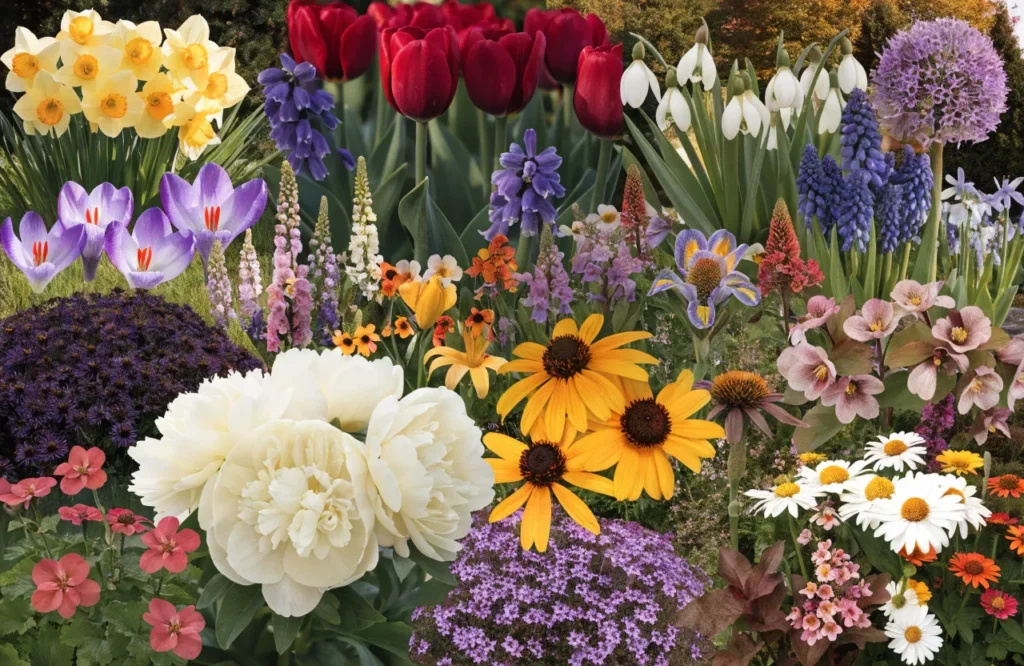
Best flowers to plant in September: Daffodils, crocus, tulips, hyacinths, peonies, asters, hardy geraniums, black-eyed Susans, hellebores, and pansies are among the most reliable choices, but the ideal picks for you depend on your USDA hardiness zone and your average first frost date.
- For spring bloom next year: bulbs (daffodils, crocus, tulips, hyacinths) and most perennials
- For color this fall: pansies, snapdragons, garden mums, and, in frost-free climates only, zinnias
- For the widest zone range: daffodils, crocus, asters, and pansies all perform well from roughly zones 3 through 9
Best Flowers to Plant in September
Spring-Flowering Bulbs
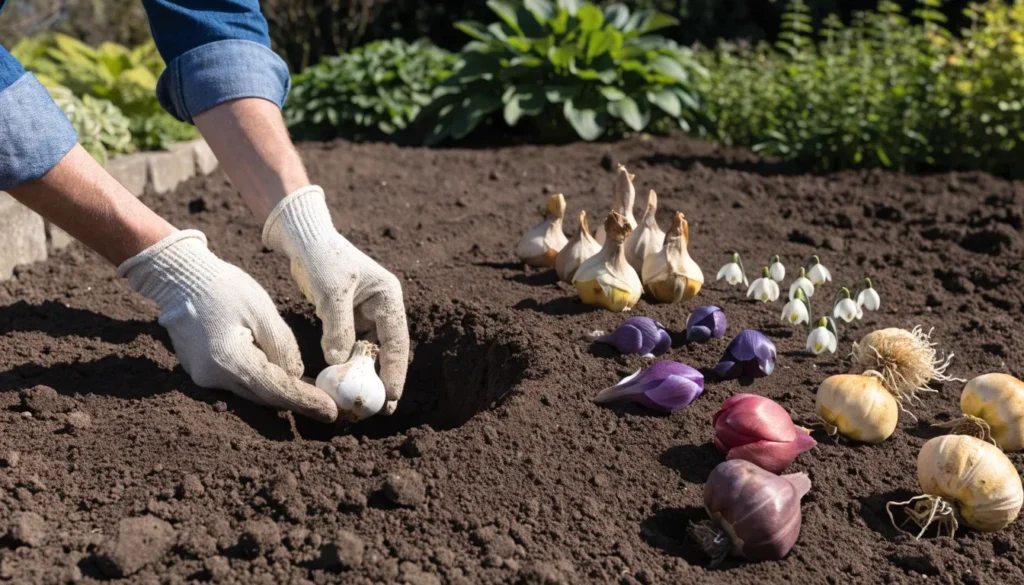
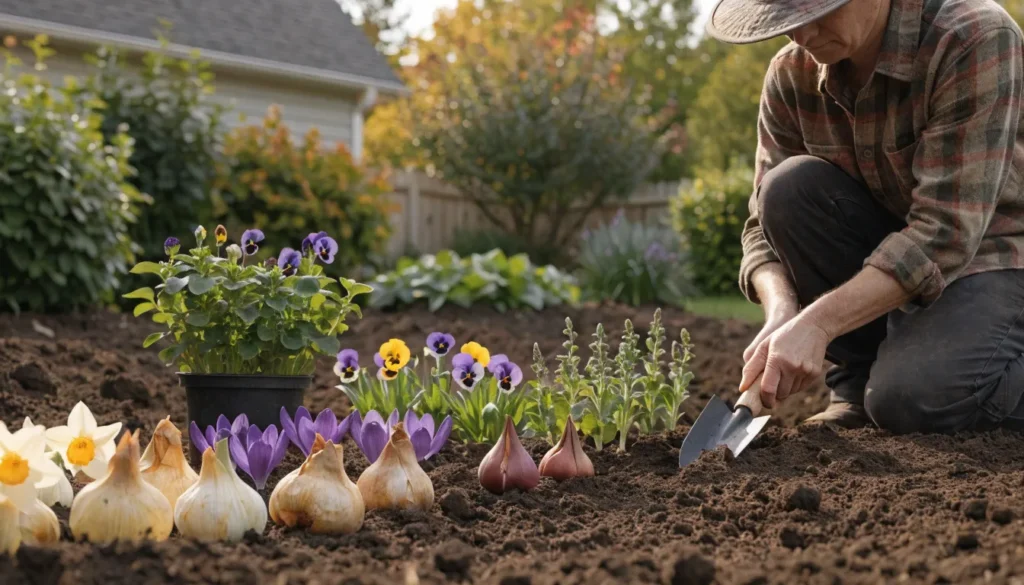
Bulbs are the most time-sensitive item on this list, plant too late and they won’t develop enough root mass before the ground hardens.
- Daffodils tolerant of a wide range of soil and light conditions, and resistant to deer and rodents since the bulb is toxic if eaten. A good starting point for zones 3–8.
- Crocus small enough for lawn edges or container fronts. Some early-blooming varieties rank among the better fall flowers for pollinators, providing an important early-season food source for bees, though this varies by region and climate.
- Tulips need a well-draining site; soggy soil over winter is the most common reason tulip bulbs fail to return.
- Hyacinths best purchased early in the month while stock is fresh, even if you plant slightly later in fall.
- Snowdrops one of the earliest bulbs to flower, often pushing through late-winter snow cover.
- Alliums ornamental onions that add height and structure to a spring border; generally pest-resistant.
- Grape hyacinth (Muscari) reliably naturalizes and spreads over a few seasons, useful for informal drifts.
- Scilla (Siberian squill) low-growing and fast to establish, good for underplanting beneath trees or shrubs.
Perennials
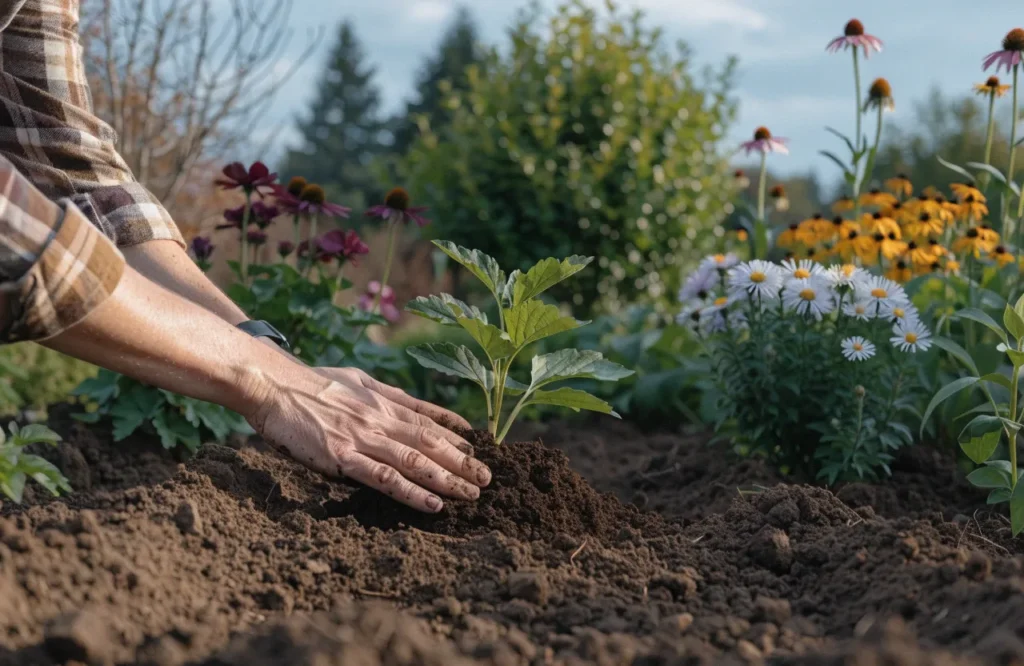
Perennials planted in September get a full season of root establishment before they’re asked to perform, which often means stronger blooms the following year than a spring-planted equivalent.
- Peonies commonly planted as bare-root divisions in fall, though container-grown plants can also be planted now. Set the “eyes” (growth buds) close to the surface — generally about 1–2 inches deep in most climates, since planting too deep is a common reason peonies fail to flower.
- Asters thrive in full sun and are one of the more reliable late-season bloomers, establishing deep, drought-tolerant roots before winter.
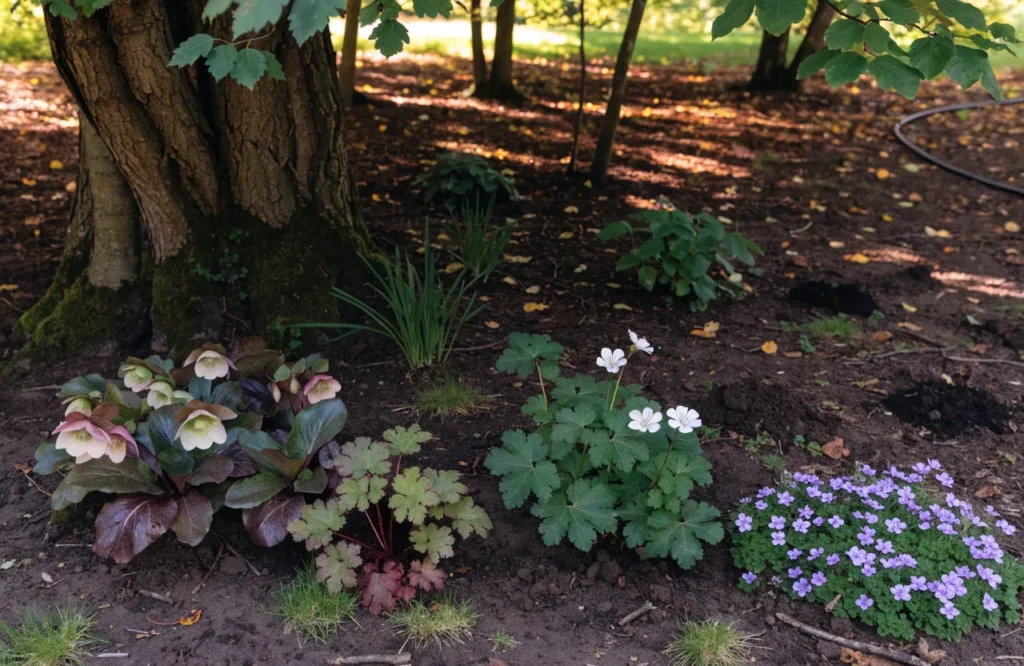
- Hardy geraniums (cranesbills) tolerant of part shade to full sun, with a long bloom season and low maintenance once established.
- Black-eyed Susans full-sun perennials that establish quickly and return reliably year after year.
- Hellebores among the best choices for partial to full shade; many varieties flower from late winter into early spring, depending on species and climate.
- Creeping phlox benefits from about eight weeks of root development before spring; plant the crown level with the soil, spaced roughly a foot apart.
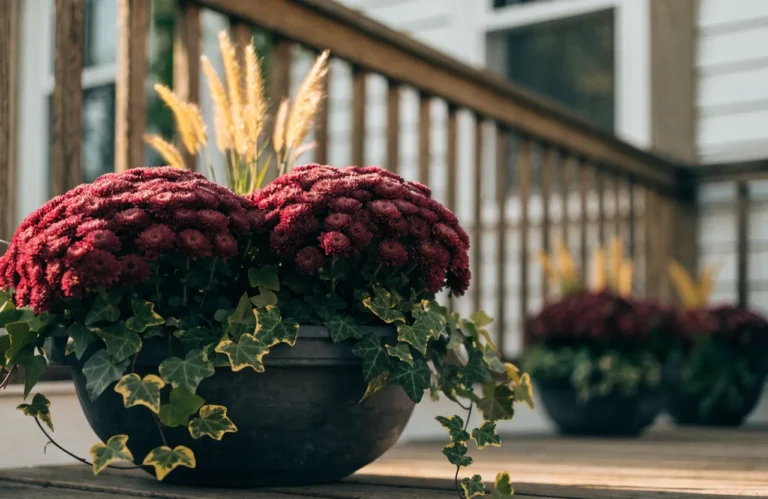
- Garden mums (chrysanthemums) can be planted in September for fall color, but in colder zones they may not establish enough root mass to survive winter reliably. Earlier September planting improves the odds.
- Coneflower (Echinacea) drought-tolerant once established and one of the better pollinator-friendly choices on this list; a strong fall-planting candidate in most temperate zones.
- Shasta daisy classic white perennial that establishes well in cooler fall soil.
- Coral bells (Heuchera) grown as much for colorful foliage as for its delicate flower spikes; tolerates shade well.
- Daylily extremely adaptable and forgiving of fall planting across most zones.
- Bearded iris fall is actually the preferred planting window for rhizomes in many regions, allowing roots to establish before bloom next spring.
- Sedum (stonecrop) a low-water, structural perennial that can be divided and replanted now.
- Lupine best fall-sown in regions with cold winters, as the seed benefits from a natural cold period before spring germination.
Annuals & Biennials
These won’t survive indefinitely, but many will bloom straight through fall and, in milder climates, into spring.
- Pansies genuinely prefer cool weather over heat, making them one of the few flowers that improves as temperatures drop. Partial shade helps keep blooms from fading.
- Snapdragons cold-tolerant; use nursery seedlings rather than seed if your first frost typically arrives early, since seed-grown plants are slower to establish.
- Wallflowers can be direct-sown now for color that carries into late spring.
- Larkspur direct-sow now; the seed benefits from a period of cool, moist soil before germinating.
- Poppies (California and Iceland types) fall sowing in most zones gives earlier, stronger blooms the following year.
- Sweet William a biennial that’s typically planted in fall for bloom the following year.
- Calendula cold-hardy enough to bloom into early winter in many zones.
- Sweet alyssum low-growing and fast to establish; performs well in cooler fall conditions in mild-winter climates.
- Zinnias in warm, frost-free climates, zinnias can still be sown in September for continued fall color, capable of blooming within about a month under favorable conditions. In colder zones, September is generally too late for a full bloom cycle before frost.
Flowers to Plant in September for Fall Color
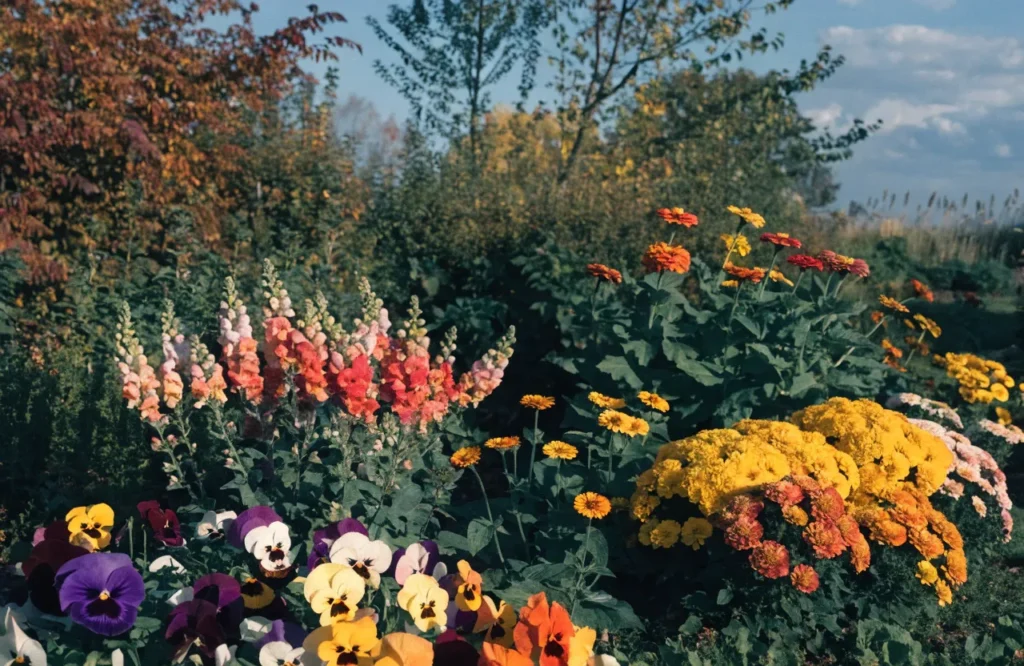
If you want blooms this season rather than waiting until next year, focus on:
- Pansies
- Snapdragons
- Garden mums
- Calendula
- Zinnias (frost-free climates only)
Flowers to Plant in September for Spring Bloom
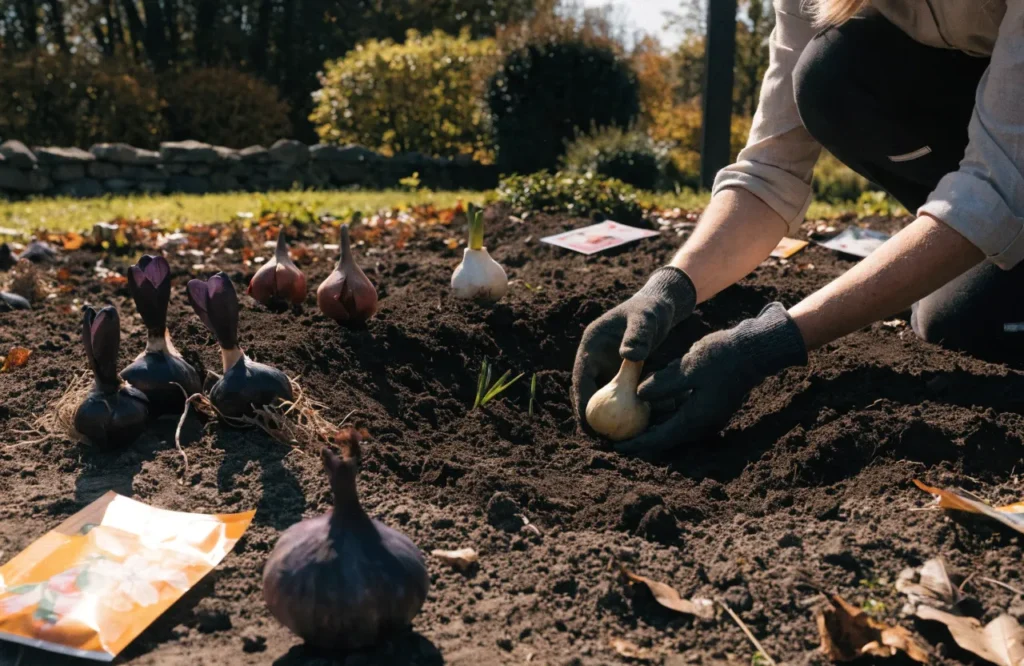
If you’re planting for next year, prioritize:
- All spring bulbs (daffodils, crocus, tulips, hyacinths, snowdrops, alliums, muscari, scilla)
- Peonies, bearded iris, hardy geraniums
- Wallflowers, larkspur, poppies, sweet William
Flowers to Plant in September by USDA Zone
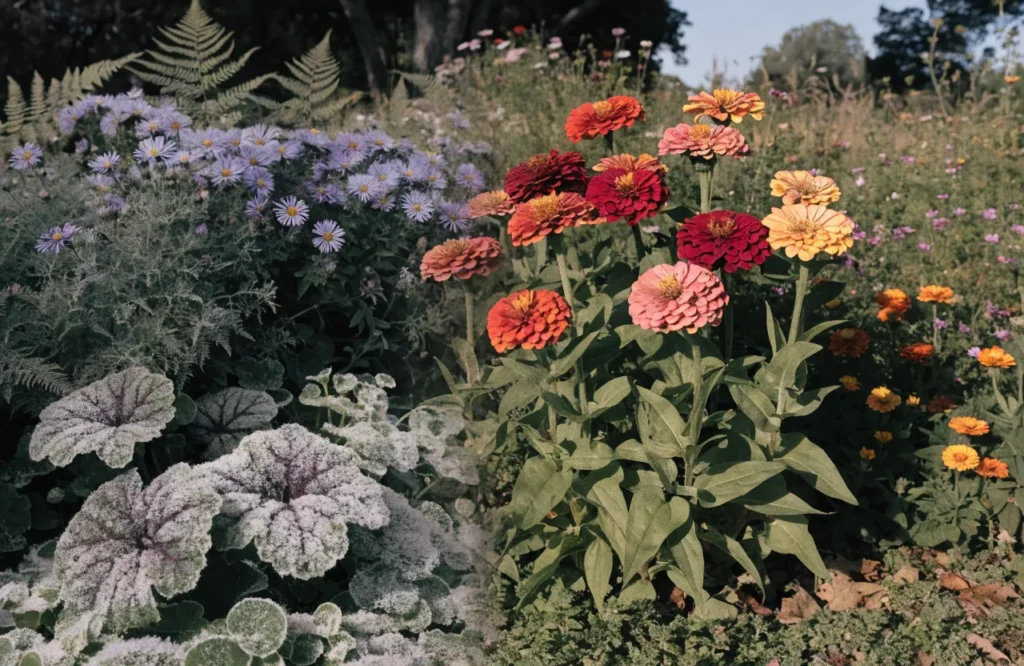
Planting windows and reliable choices shift meaningfully by zone. As a general rule, colder zones should plant earlier in the month to maximize establishment time before the ground freezes; warmer zones have more flexibility into October.
Zones 3–4 (Plant early in the month)
- Daffodils
- Crocus
- Peonies
- Asters
- Hellebores
- Hardy geraniums
- Pansies
- Lupine
The growing season is short in these zones, so earlier planting is important, aim for the first half of September wherever possible.
Zones 5–6
- Daffodils
- Crocus
- Tulips
- Hyacinths
- Peonies
- Asters
- Black-eyed Susans
- Coneflower
- Pansies
- Snapdragons
- Bearded iris
Zones 7–8
- Spring bulbs (most types)
- Pansies
- Snapdragons
- Garden mums
- Asters
- Hellebores
- Sweet alyssum
- Calendula
Camellias and other borderline-hardy shrubs also become viable here (see “Other Plants” below).
Zones 9–10
- Bulbs that tolerate mild winters (crocus, some daffodil varieties, check chilling requirements)
- Pansies
- Snapdragons
- Calendula
- Sweet alyssum
- Zinnias
- Larkspur and poppies (fall sowing is standard practice in these zones)
Note: gardeners in zones 9–10 with very mild winters may need pre-chilled bulbs for tulips and hyacinths, since these species typically require a cold dormancy period.
How to Plant Flowers in September: A Quick Guide
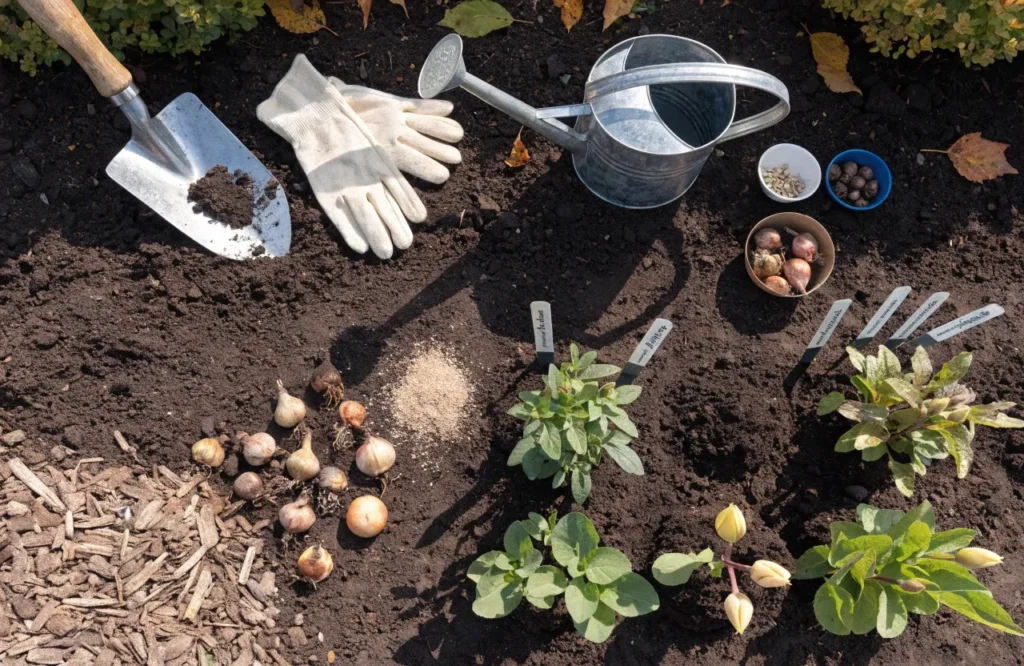
A little technique goes a long way when planting flowers in September, since most of what goes in the ground now needs to survive a season change before it does anything visible.
- Know your first frost date, not just your zone, it determines your real planting deadline more precisely than the zone number alone.
- Prepare well-draining soil. Standing water over winter is the most common cause of bulb and perennial failure.
- Plant bulbs at the right depth, as a general rule, roughly two to three times the bulb’s height, though this varies by species.
- Water new plantings in well, then taper off, newly planted perennials and bulbs need consistent moisture to establish but not saturation.
- Mulch after the soil cools, not before, mulching too early can trap summer warmth and delay the dormancy signal some plants need.
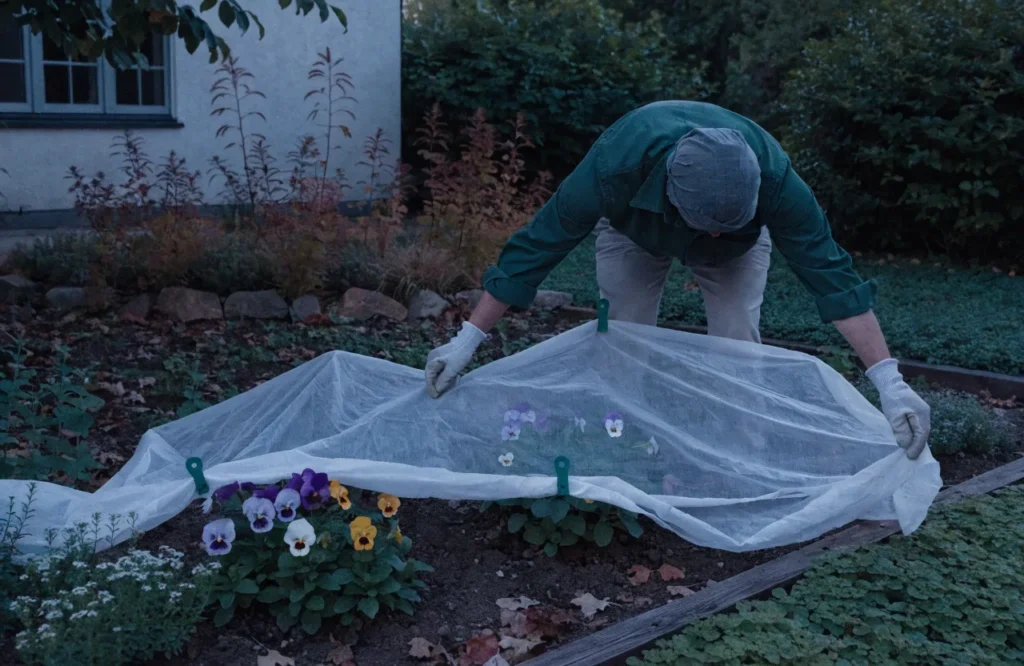
- Protect tender plants before the first hard frost if you’re pushing the season with warm-climate annuals like zinnias.
September Flower Planting Checklist
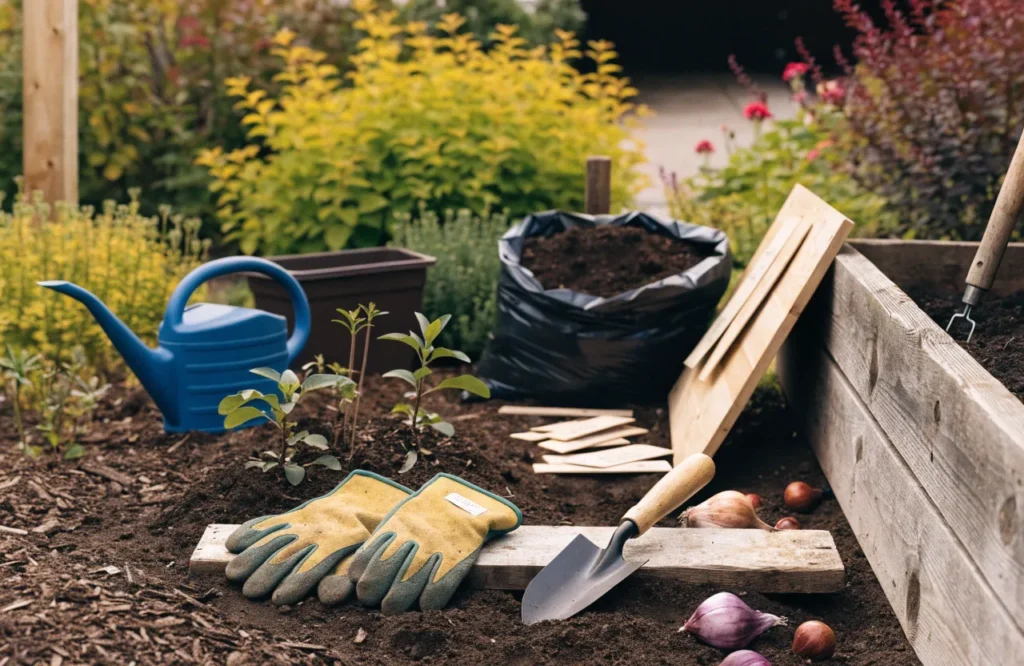
Use this checklist as a fast reference any time you’re planting flowers in September, whether you’re working through the full list above or just a handful of picks.
- Check your USDA hardiness zone
- Find your average first frost date
- Prepare well-draining soil
- Plant spring bulbs at the recommended depth
- Water newly planted perennials and bulbs
- Mulch after the soil cools
- Protect tender or borderline-hardy plants before the first hard frost
- Label newly planted bulbs so you don’t disturb them later
Flowers You May Want to Wait On
Not everything belongs on a list of flowers to plant in September. In most zones, this month is generally too late for:
- Warm-season annuals started from seed (most won’t have time to bloom before frost)
- Tender tropical flowers like cannas or dahlias as new plantings (existing ones are typically lifted, not planted, this time of year in cold zones)
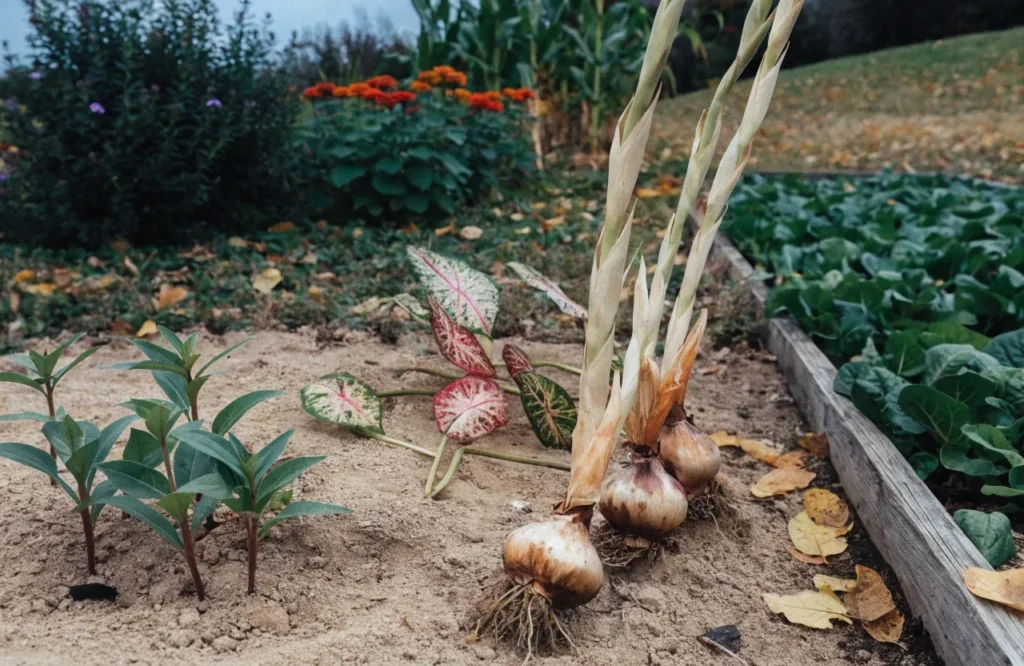
- Summer-flowering bulbs such as gladiolus, which need a long frost-free window
- Zinnias and other heat-lovers, outside of warm, frost-free climates
If you’re unsure whether something is too late, check its “days to bloom” against your average first frost date.
Other Plants to Plant in September
Flowers aren’t the only thing worth planting this month, a handful of shrubs, vegetables, and herbs are also well suited to September planting, though they’re a supporting cast rather than the main event here. Non-flower options, from root vegetables to shrubs, are covered in more depth in our broader what to plant in September roundup.
- Bay laurel and camellias: shrubs that benefit from fall planting to establish roots before winter (camellias are best suited to zones 7–9)
- Blueberries: can go in now in milder zones (7–9); colder zones (5–6) should aim for earlier in the month
- Corn salad, spinach, arugula, radishes, and beets: among the easiest fall vegetables to grow in September, thanks to fast maturity and frost tolerance for a last sowing
- Fava beans and shallots: sown now or in October for harvest the following spring
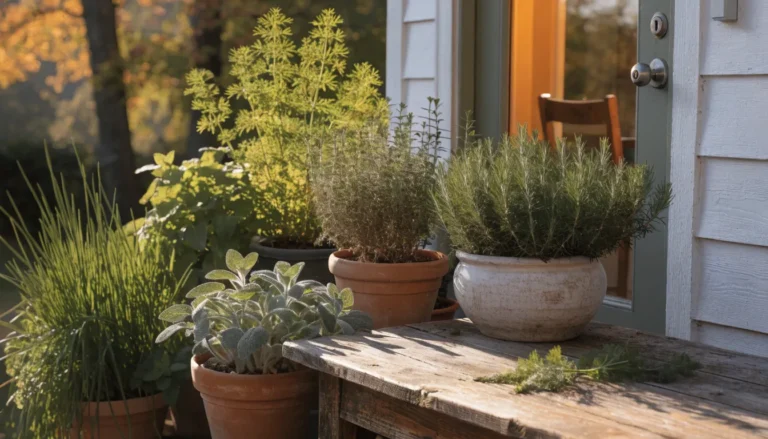
- Sage and chamomile: two of the more forgiving fall herbs to grow, as long as they go in at least two weeks before your first hard frost
USDA Zone Quick Reference Table
| Flower | USDA Zones | Type | September Timing | Bloom |
|---|---|---|---|---|
| Daffodil | 3–8 | Bulb | Early–late Sept. | Spring |
| Crocus | 3–8 | Bulb | Early–mid fall | Late winter/spring |
| Tulip | 3–7 | Bulb | Fall | Spring |
| Hyacinth | 4–8 | Bulb | Fall | Spring |
| Peony | 3–8 (some to 9) | Perennial | Early fall | Late spring |
| Aster | 3–8 | Perennial | Early–mid Sept. | Late summer/fall |
| Hardy geranium | 5–8 | Perennial | Early–mid fall | Summer–fall |
| Black-eyed Susan | 3–9 | Perennial | Early–mid fall | Summer–fall |
| Hellebore | 4–9 | Perennial | Fall | Late winter–spring |
| Bearded iris | 3–9 | Perennial | Late summer–fall | Spring |
| Garden mum | 5–9 (4 with care) | Perennial | Early Sept. | Fall |
| Pansy | Most zones | Annual/biennial | Sept.–fall | Fall–spring |
| Snapdragon | Most zones | Annual | Sept.–fall | Fall–spring |
| Zinnia | 6–11 (frost-free areas) | Annual | Early Sept. only | Fall |
| Larkspur | 3–9 | Annual (fall-sown) | Fall | Following spring |
Hardiness ranges are general guidelines. Always confirm against the specific cultivar you’re buying, since tolerance can vary within a species.
Frequently Asked Questions
Whatever your zone or climate, the right flowers to plant in September come down to matching the plant to your timeline: bulbs and perennials for next year, cool-season annuals for color right now. Have a specific hardiness zone or region in mind? Note it and this list can be narrowed further to exact planting windows and regionally suited varieties.