11 Fall Gardening Mistakes to Avoid Before Winter
Fall can feel like the finish line of the gardening year, one last mow, some mulch, maybe a quick rake, and you’re done. But many of the problems that show up in spring, bare patches, bulbs that never emerge, perennials that come back weak, or a lawn that struggles to recover, usually trace back to one of a handful of fall gardening mistakes that seemed harmless at the time.
Below are 11 of the most common fall gardening mistakes, why they matter, and what to do instead.
Table of Contents
When should you start fall garden cleanup?
Fall gardening timing depends heavily on your climate and local first-frost date. Gardeners in northern regions may already be preparing for freezing weather in September, while those in warmer regions may keep planting and watering well into October or November. Use your area’s actual first-frost date and current conditions as your guide rather than the calendar alone, this is also why timing matters so much for what you plant in September.
A note before you start: fall gardening advice isn’t one-size-fits-all. A plant that should be left standing in one garden may need to be cut back in another because of disease, pests, or local climate. Always weigh the general guidance below against the specific needs of your own plants.
11 Fall Gardening Mistakes to Avoid
1. Pruning perennials before they’re actually dormant
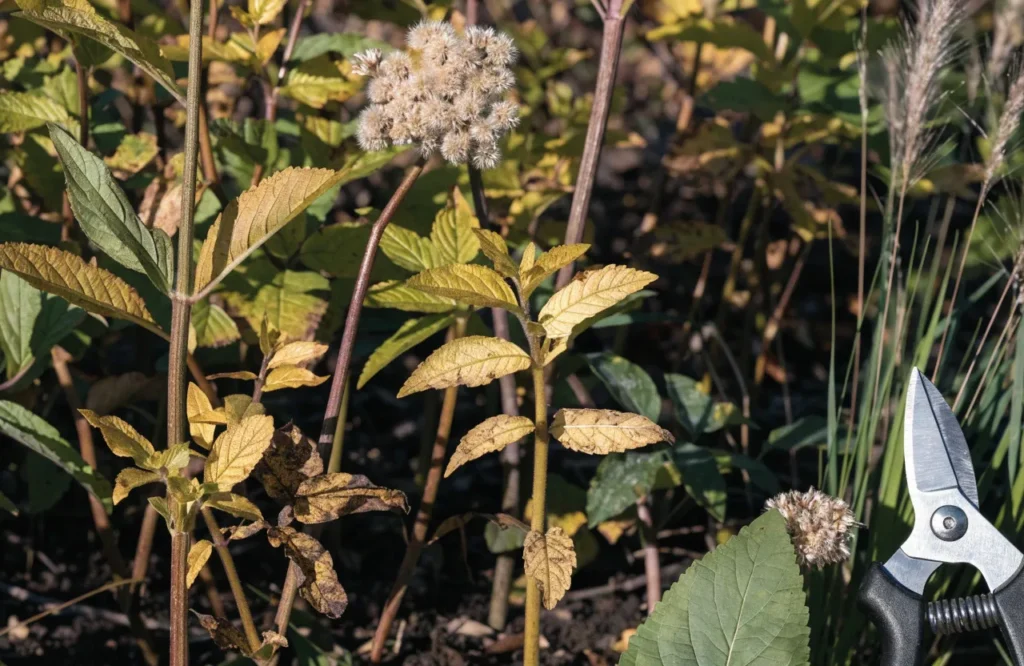
It’s tempting to cut plants back as soon as they start looking tired, but pruning too early can interrupt a plant’s natural dieback process while it’s still drawing energy from its foliage. Rather than relying on a “tug test,” wait until frost or natural dieback has caused the foliage to yellow or brown, and check whether your specific plant has different pruning needs, since not all perennials behave the same way.
2. Stopping watering too soon
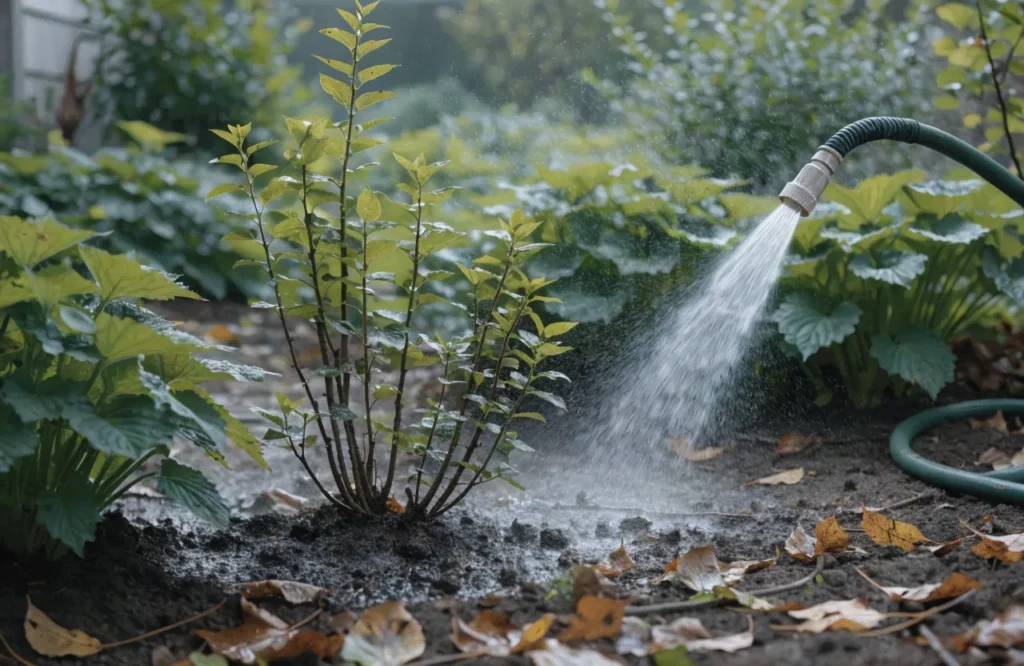
Cooler weather reduces water loss, but that doesn’t mean you should stop watering altogether. Rather than following a fixed weekly schedule, check soil moisture regularly and water deeply when it’s dry. Keep an eye on newly planted trees, shrubs, perennials, and bulbs in particular, and continue watering as needed until the ground freezes.
3. Transplanting or dividing too close to frost
Fall is a good window for dividing crowded perennials or relocating plants, but timing matters. Avoid leaving new divisions or transplants until the ground is about to freeze, give them enough time to establish roots before consistently freezing weather sets in. How long that takes varies by plant and climate, so treat “several weeks” as a guideline, not a fixed rule.
4. Leaving diseased plant debris in place
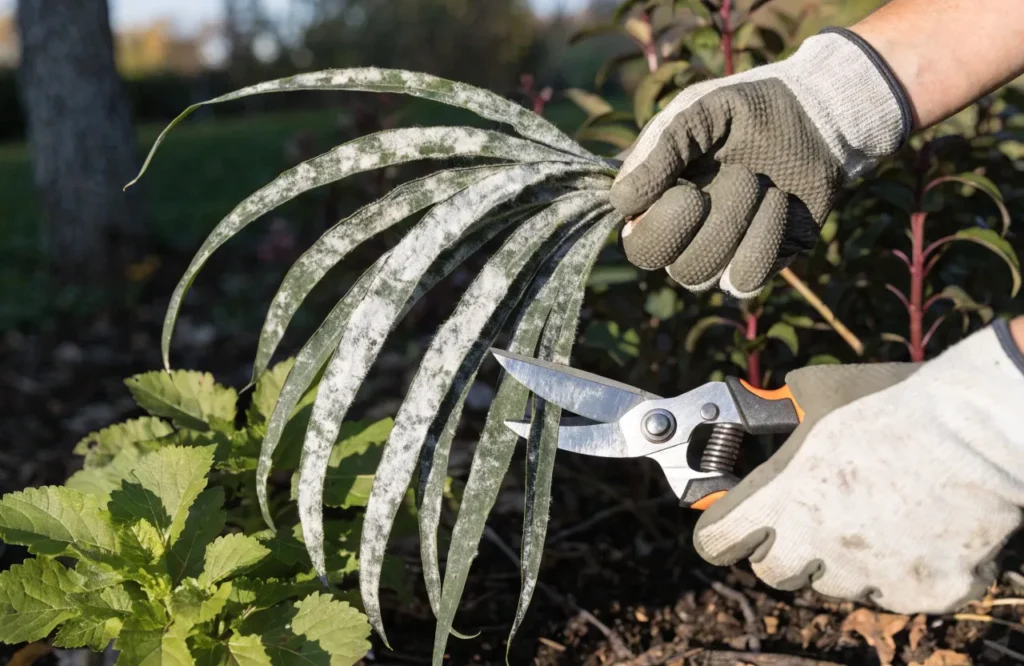
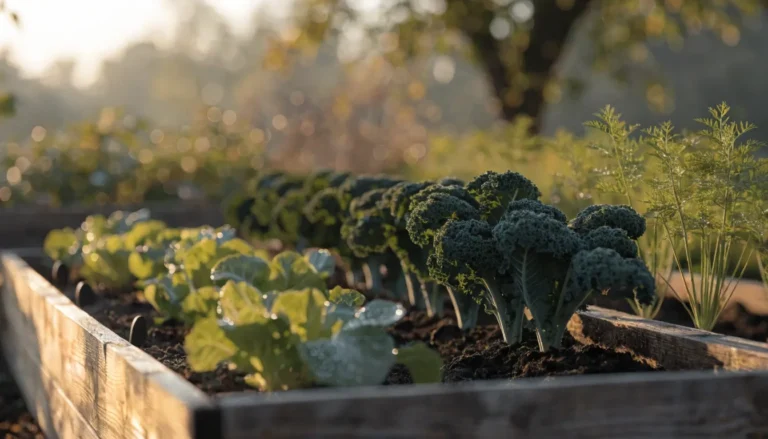
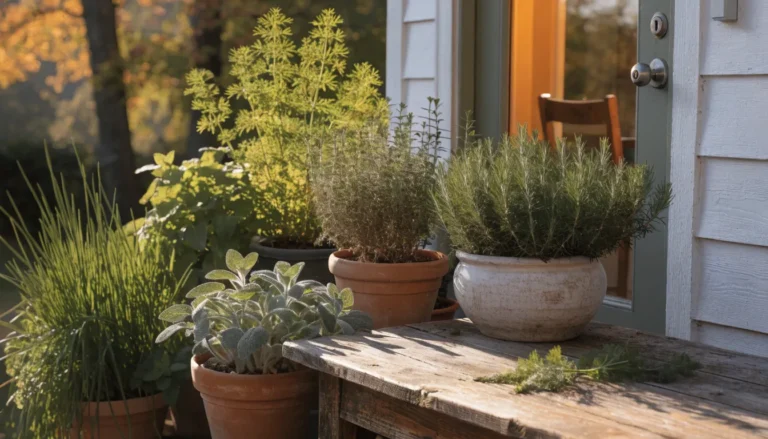
Fall’s mix of humidity and cooling temperatures is prime season for fungal problems to spread, a common issue if you’re wrapping up a vegetable bed after growing fall vegetables or herbs. Any plant material showing disease or pest damage should be removed and disposed of promptly, not composted, since leaving it in the bed lets pathogens and pests overwinter and re-infect the same area in spring.
5. Removing every leaf from garden beds
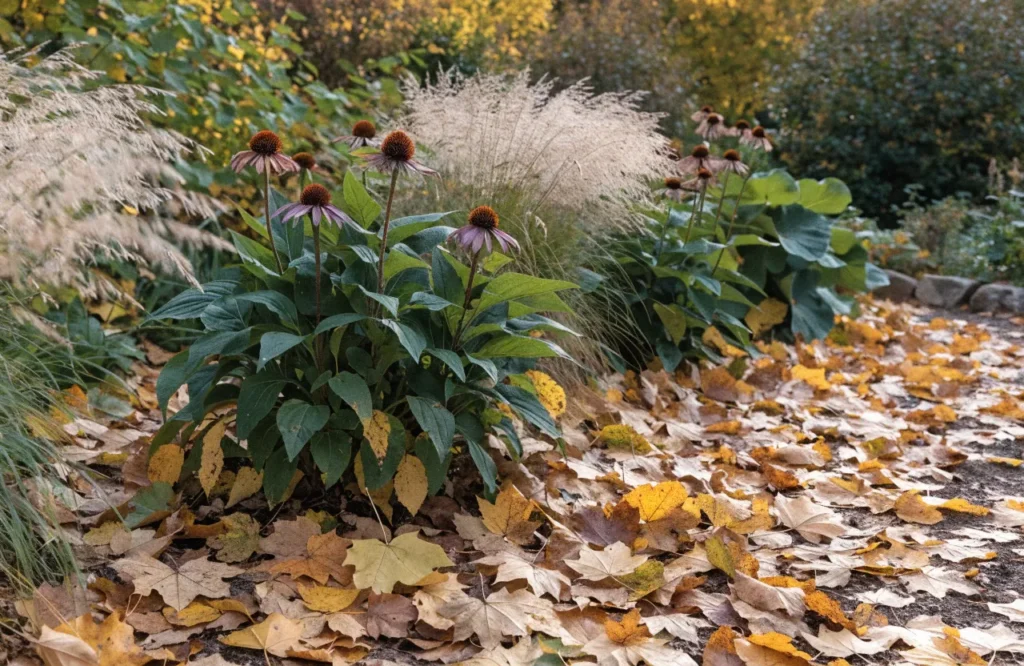
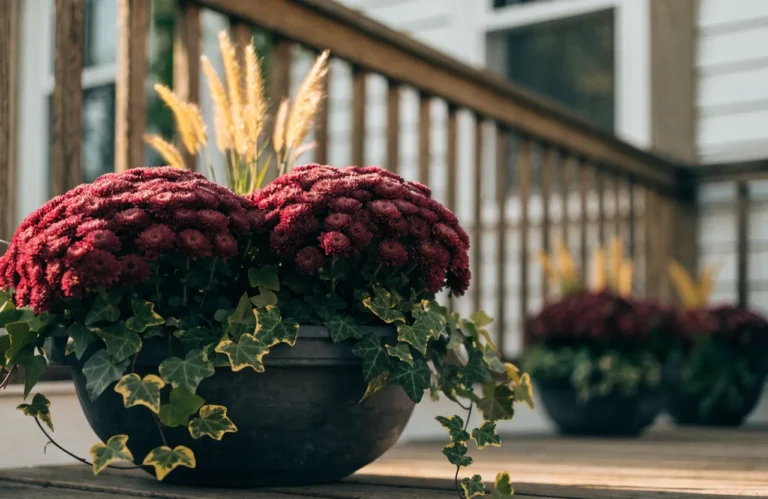
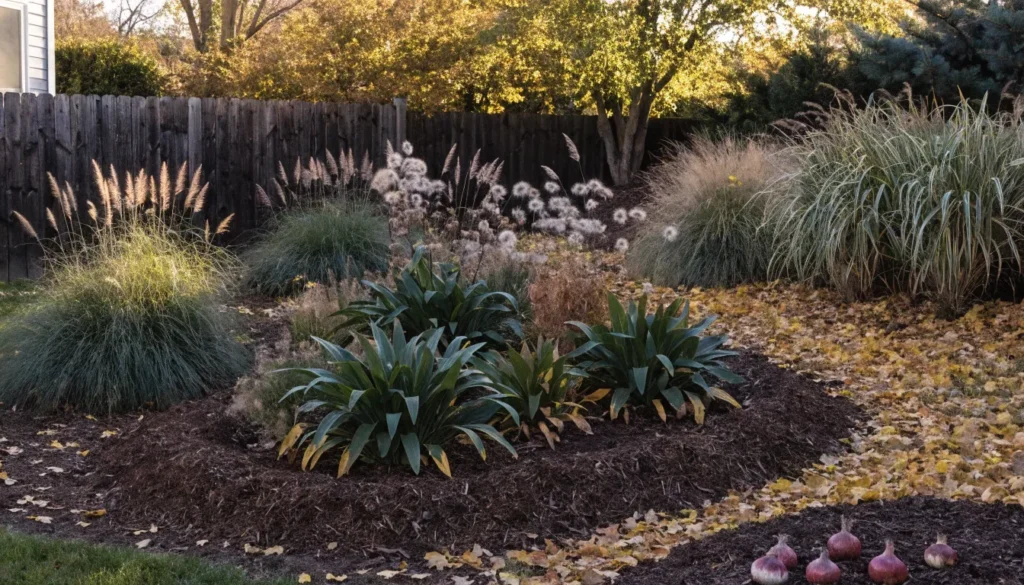
Stripping beds completely bare of fallen leaves removes a natural insulating layer and takes away shelter for overwintering insects and beneficial wildlife, including the pollinators that rely on your fall flowers for pollinators. Leaves left in place help retain soil moisture and protect roots through winter. If you want a tidier look, rake excess leaves off the lawn and redistribute them more neatly into borders and wildlife corners rather than removing them entirely.
The next few fall gardening mistakes are less about the plants themselves and more about what surrounds them; mulch, bulbs, and tools.
6. Cutting every perennial to the ground
Separate from leaf cleanup, this is about the plants themselves. Native varieties among your fall-blooming flowers provide seed heads that feed birds through winter and add structure to an otherwise bare landscape. Reserve full cutbacks for soft, rot-prone plants like peonies and daylilies, and for anything showing disease, which should come out regardless of the “leave it standing” guidance above.
7. Piling mulch against stems and trunks
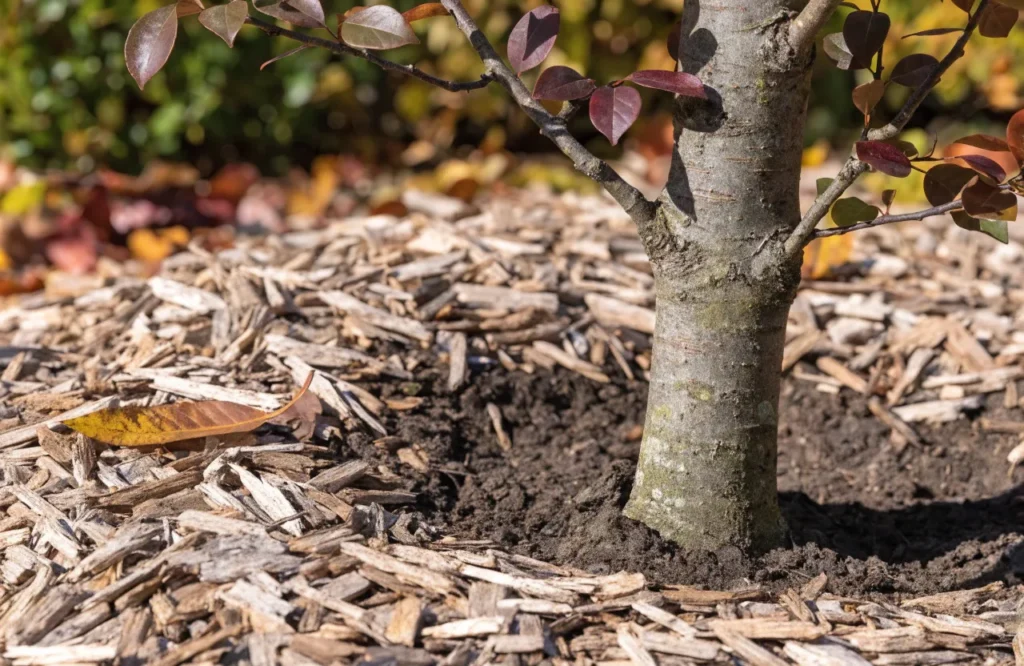
Mulch helps moderate soil temperature, retain moisture, and buffer freeze-thaw cycles, but piling it directly against trunks, stems, or crowns (a “mulch volcano”) traps moisture and invites rot and pests. Apply mulch after the soil has cooled but before the ground freezes, in a 2–3 inch layer, and keep it a few inches clear of the base of every plant.
Expert Tip: Not sure if your soil has cooled enough? Push a garden fork or trowel a few inches into the bed, if it meets resistance and feels noticeably cold to the touch, it’s time to mulch. Waiting for a thermometer reading isn’t necessary; your hands are a reliable enough gauge.
8. Planting bulbs at the wrong time or depth
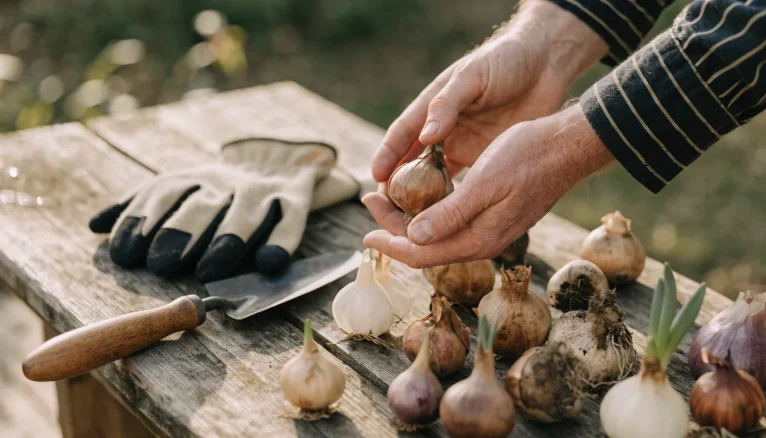
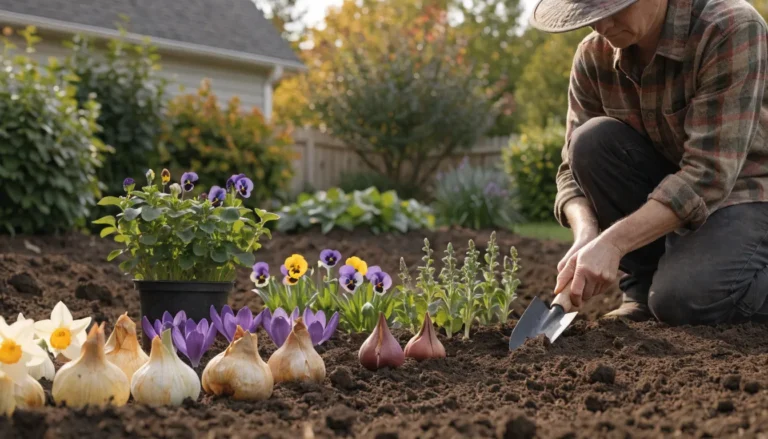
Spring bulbs need the right combination of planting depth, drainage, and cold exposure to bloom properly, and they pair well with the September flowers and flowers to plant in September already going into your beds this time of year. Planting too shallow exposes bulbs to temperature swings; poorly drained soil encourages rot; and planting too late doesn’t leave enough time for root establishment before the ground freezes. Check the recommended depth and timing for each specific variety rather than applying one rule to every bulb, and aim to get them in the ground several weeks ahead of your area’s first frost.
Expert Tip: As a general rule of thumb, plant bulbs about three times as deep as the bulb is tall, a 2-inch bulb goes roughly 6 inches deep. If your soil is heavy clay, plant slightly shallower and mix in some grit or compost at the bottom of the hole to improve drainage and reduce the risk of rot.
9. Losing track of what’s planted where
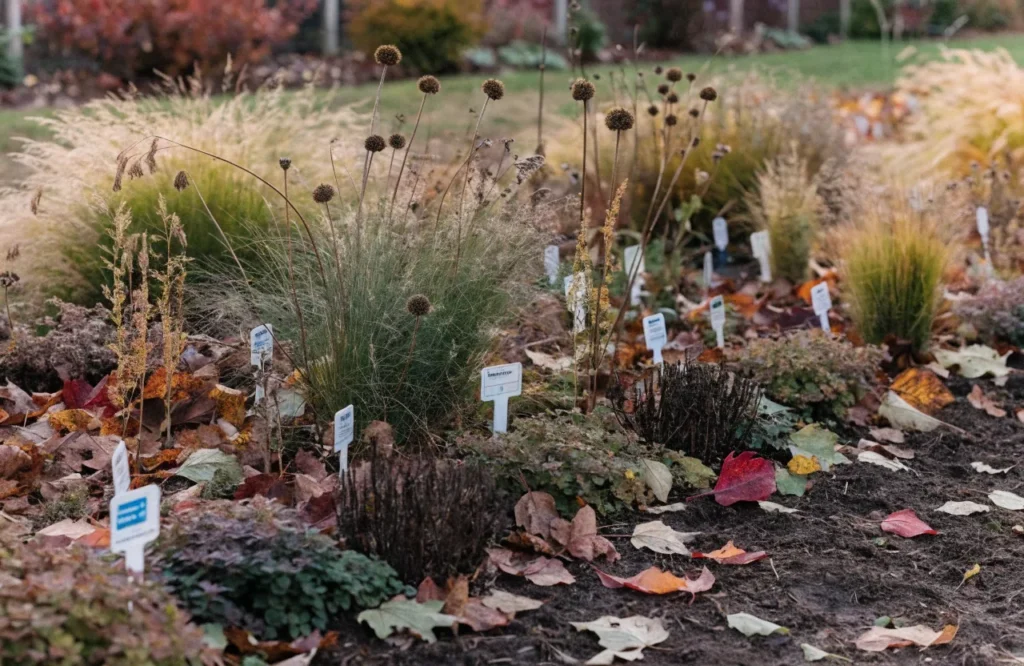
Once plants die back, it’s easy to forget exactly where perennials and bulbs are, leading to accidental digging or overcrowding next spring. Take a few minutes in fall to map your beds and add physical labels while everything is still visible, accounting for each plant’s mature size rather than its current footprint.
10. Neglecting tools and irrigation equipment
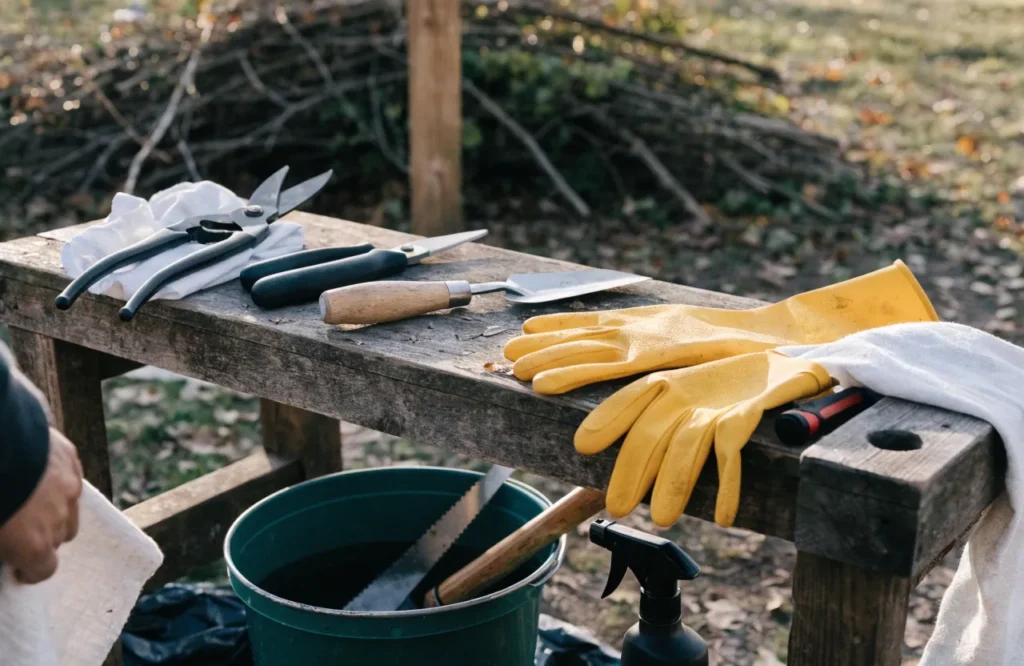
Pruners, trellises, tomato cages, and other hardware can carry plant disease from one season to the next if stored dirty. Clean and disinfect tools before putting them away, a simple diluted bleach solution works well. Don’t forget irrigation systems, either: sprinklers and backflow devices left un-winterized can freeze and crack, leading to costly repairs in spring.
11. Leaving garden beds completely bare
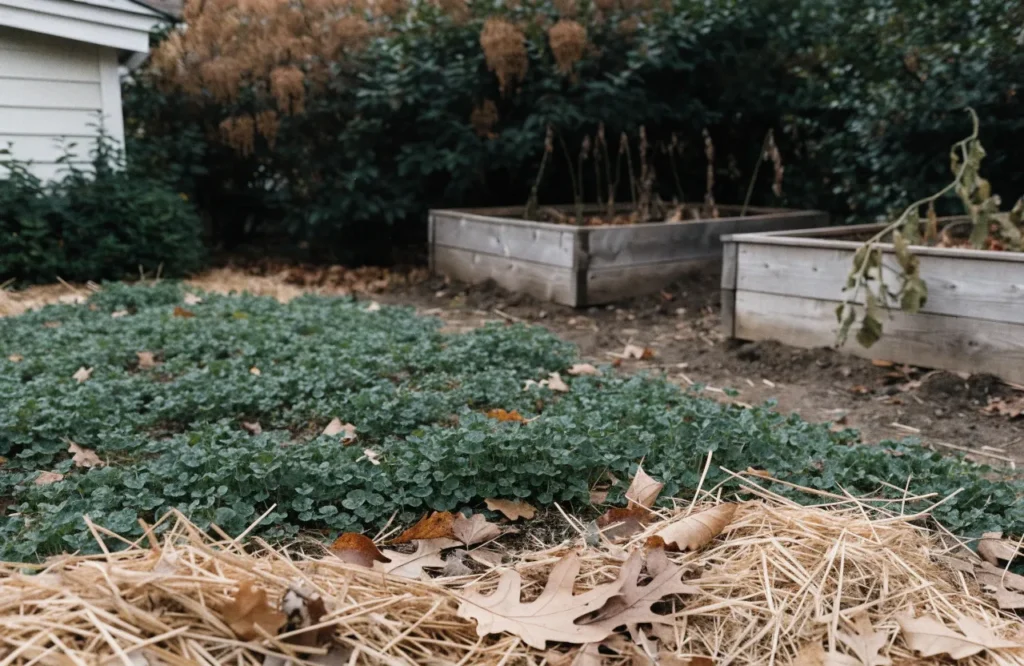
Once summer plants, including finished vegetable and fall herb beds, are cleared, exposed soil invites weeds and erosion over winter. Depending on your space and goals, you have several options for protecting bare soil: a cover crop, a layer of compost, leaf mulch, straw, or an appropriate winter crop. Cover crops such as winter rye, clover, or vetch can reduce erosion, suppress weeds, and improve soil structure; legumes like clover and vetch can also contribute nitrogen to the soil, though this depends on the crop and how it’s managed.
Fall Garden Mistakes Quick-Reference Checklist
Bookmark this list of fall gardening mistakes and fixes for a quick pre-winter check.
| Fall mistake | What to do instead |
|---|---|
| Pruning too early | Wait for natural dieback |
| Stopping watering too soon | Check soil and water as needed |
| Transplanting too late | Allow time for root establishment |
| Leaving diseased debris | Remove and dispose of it |
| Removing all leaves | Leave some as natural insulation |
| Cutting everything down | Leave suitable plants standing |
| Mulch against stems | Keep mulch away from crowns and trunks |
| Planting bulbs incorrectly | Follow variety-specific depth guidance |
| Forgetting plant locations | Label and map beds |
| Ignoring tools | Clean and store equipment properly |
| Leaving soil exposed | Mulch, plant, or use an appropriate cover crop |
Frequently Asked Questions
Final Thoughts
Avoiding these fall gardening mistakes doesn’t require extra work, mostly just different timing. None of these fixes require extra work, mostly just different timing. Getting fall cleanup right protects the investment you’ve already made in your garden and sets it up to come back stronger in spring. Getting fall cleanup right, and steering clear of these fall gardening mistakes, protects the investment you’ve already made.