Plants to Bring Indoors Before Frost: 2026 Guide
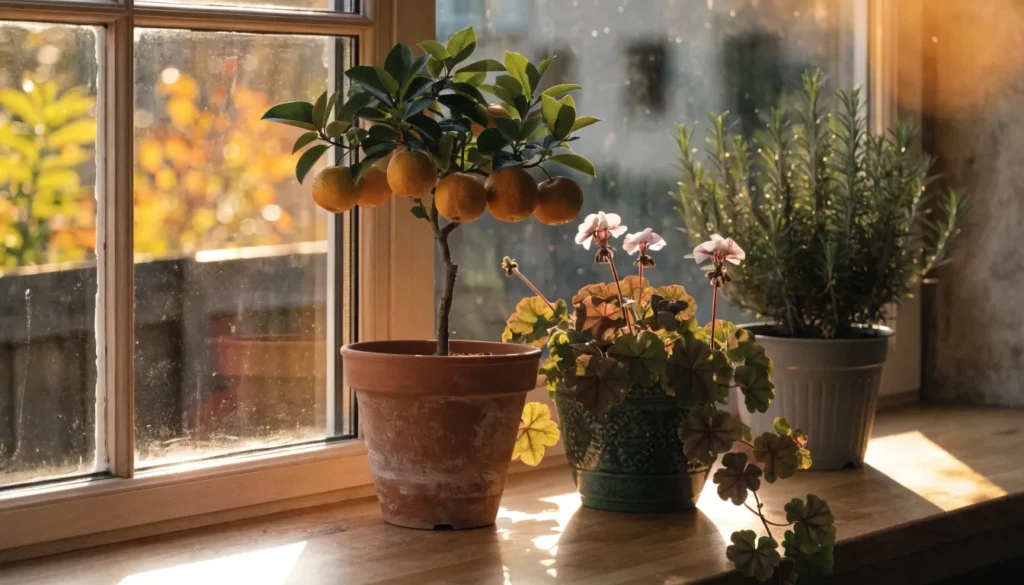
The best time to bring plants indoors before frost is before the first freeze, many tropical and tender container plants should move inside while nights are still hovering around 45–50°F (7–10°C), well before an actual frost warning. But not every plant needs the same treatment when you bring it in. Some want a bright window and active care all winter, others do best cut back and stored dormant in a dark, cool space, and a few require more specialized conditions than they’re worth for most gardeners.
Table of Contents
When to Bring Plants Indoors Before Frost
There’s no single temperature that applies to every plant. Tropical species can suffer cold damage well above freezing, while other plants tolerate a lot more chill. As a general guide for deciding when to bring plants indoors before frost:
- Frost-sensitive tropicals and container plants: move indoors once nights consistently approach 45–50°F (7–10°C)
- Hardier herbs and perennials: cold tolerance varies by species and by whether the plant is in the ground or a container, so it’s worth checking a plant’s specific hardiness before deciding to leave it outside longer
- Potted plants generally: have less root insulation than in-ground plants, so they feel cold faster, when in doubt, bring container plants in earlier
Frost dates vary by region, so use your local average first-frost date as a planning guide, but watch the actual forecast, an early cold snap can arrive well ahead of schedule. If you’re still filling containers this month, what to plant in September is worth cross-checking so you’re not overwintering something that was never going to make it through fall anyway.
How to Prepare Plants Before Bringing Them Indoors
Before any plant crosses the threshold, run through this process:
- Inspect for pests on leaves, stems, and soil
- Remove dead or damaged foliage
- Check that the soil isn’t waterlogged or compacted
- Clean the outside of the container
- Prune back if appropriate for that particular plant
- Treat any visible pests before moving the plant indoors
- Acclimate gradually rather than moving it in all at once
The pest step deserves its own closer look, see the checklist further down.
Quick-Reference: Bring Inside, or Store Dormant?
| Plant | Bring inside as houseplant? | Best approach |
|---|---|---|
| Citrus trees | Yes | Bright window + grow light |
| Rosemary, bay, mint, chives | Yes | Sunny windowsill |
| Coleus, begonias | Yes | Bright, indirect light |
| Geraniums (pelargoniums) | Yes, or store bare-root | Bright window, cut back by a third |
| Fuchsias | Optional | Often easier dormant in a cool, dark space |
| Succulents, cacti | Yes | Bright window, water sparingly |
| Bird of paradise, bromeliads | Yes | Bright window |
| Dahlias, cannas, caladiums | No | Lift and store tubers/rhizomes dormant |
| Agapanthus | Depends on variety/climate | Container indoors, or lift and store |
| Hardy lavender | Usually not needed | Outdoor winter protection |
Herbs to Bring Indoors Before Frost (Rosemary, Bay, Chives, Mint, Parsley)
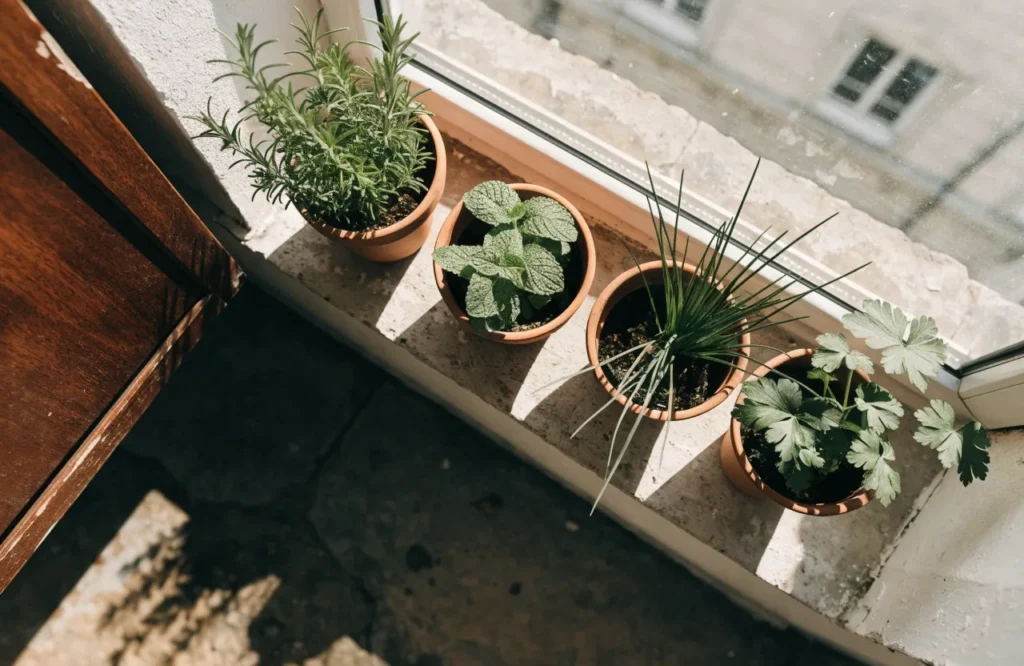
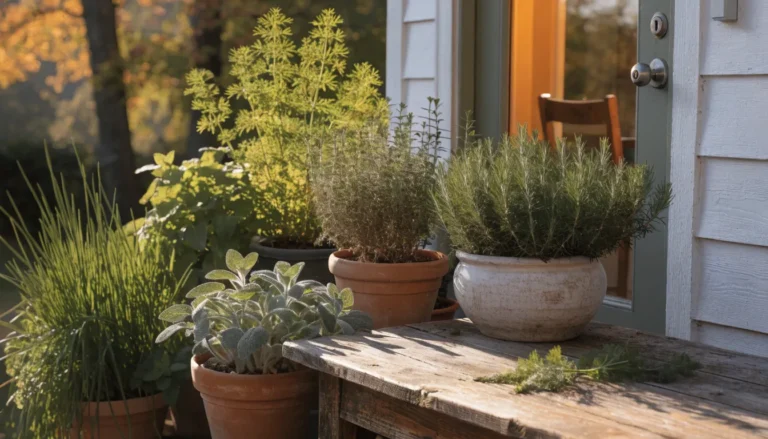
Herbs are the easiest win. Bring the whole pot in and set it on your sunniest windowsill, south- or west-facing is ideal. Water when the top inch or two of soil dries out, and add a pebble tray or occasional misting if indoor heating is drying the air. Many of the best fall herbs to grow are the same tender varieties that need to come inside first once nights turn cold.
Rosemary is more cold-tolerant than most herbs, but that doesn’t mean it’s immune. Container-grown plants can still suffer root damage in prolonged freezing conditions, since pots offer far less insulation than garden soil. If your garage or porch reliably stays above freezing and the plant is dormant, it can work as a temporary winter spot, but a consistently cold garage is still a risk, not a guarantee.
Citrus Trees to Bring Indoors Before Frost
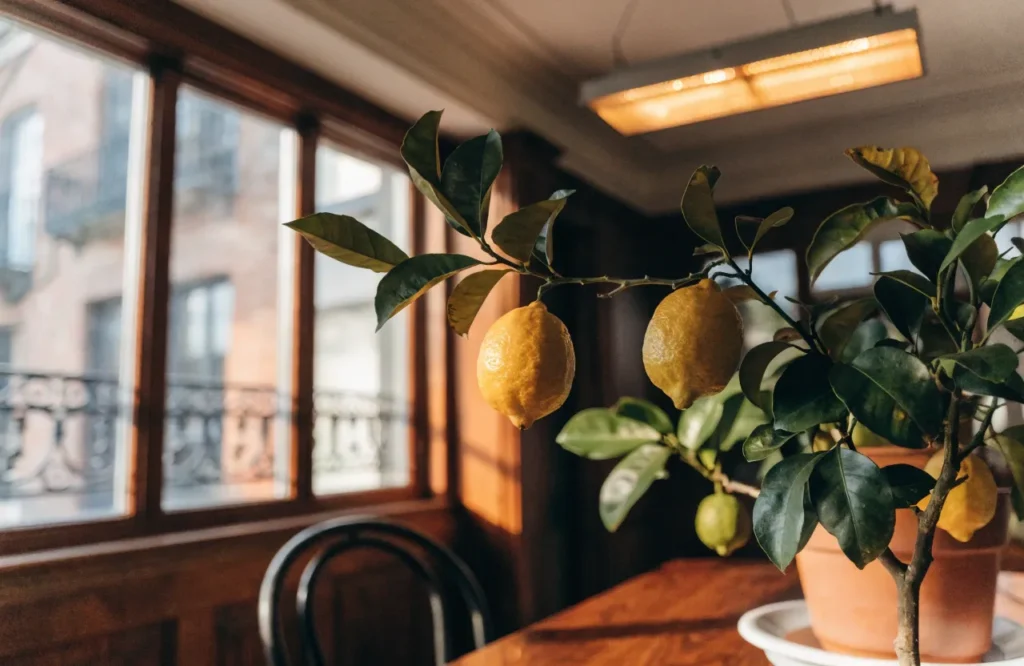
Lemon, lime, and orange trees are sensitive to cold, and a hard frost can damage flowers, fruit, or kill the tree outright. Inspect thoroughly and hose the foliage down before bringing citrus in, it’s a magnet for scale and mealybugs. These trees need as much bright light as you can give them indoors, and supplemental grow lighting can help fill the gap once daylight hours shrink.
Tender Flowering Plants to Bring Indoors Before Frost (Geraniums, Begonias, Coleus, Fuchsias)
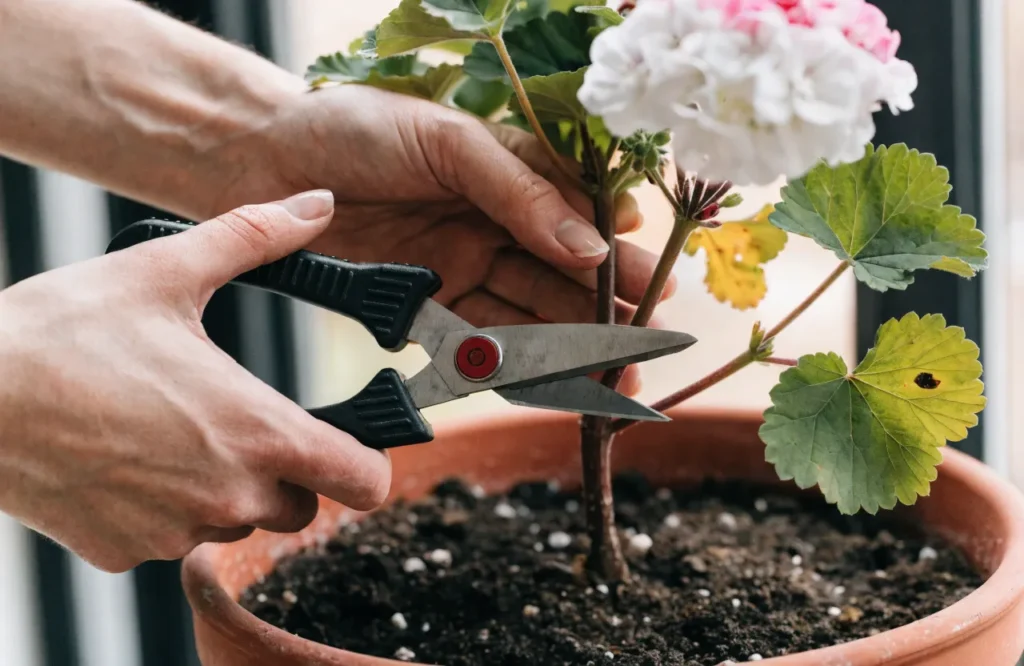
Cut geraniums (pelargoniums) back by about a third and keep them in a bright window, watering once the soil is mostly dry. Coleus and begonias do well in indirect light and can be pinched back through winter to stay compact, both also turn up among popular indoor flowering plants well beyond just the overwintering season.
Fuchsias are trickier to keep actively growing indoors. Many gardeners have more success cutting them back hard and storing them dormant in a cool, dark, frost-free space, a garage or shed that stays above freezing, watering only occasionally to keep the roots from drying out completely.
Succulents and Cacti to Bring Indoors Before Frost
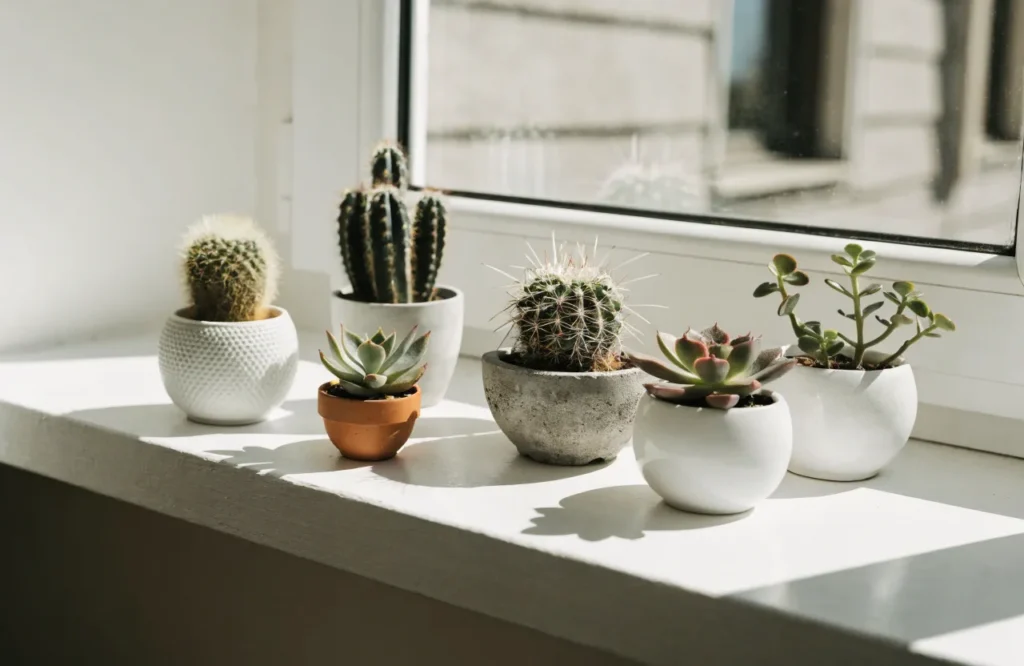
Non-hardy varieties, aloe, echeveria, crassula, aeonium, sedum, need to come in before frost. Water deeply a few days beforehand, then let them go semi-dormant near your brightest window. The biggest risk to overwintered succulents isn’t cold, it’s overwatering: let the soil dry out most or all of the way between waterings.
Tropical Houseplants to Bring Indoors Before Frost (Bird of Paradise, Bromeliads)
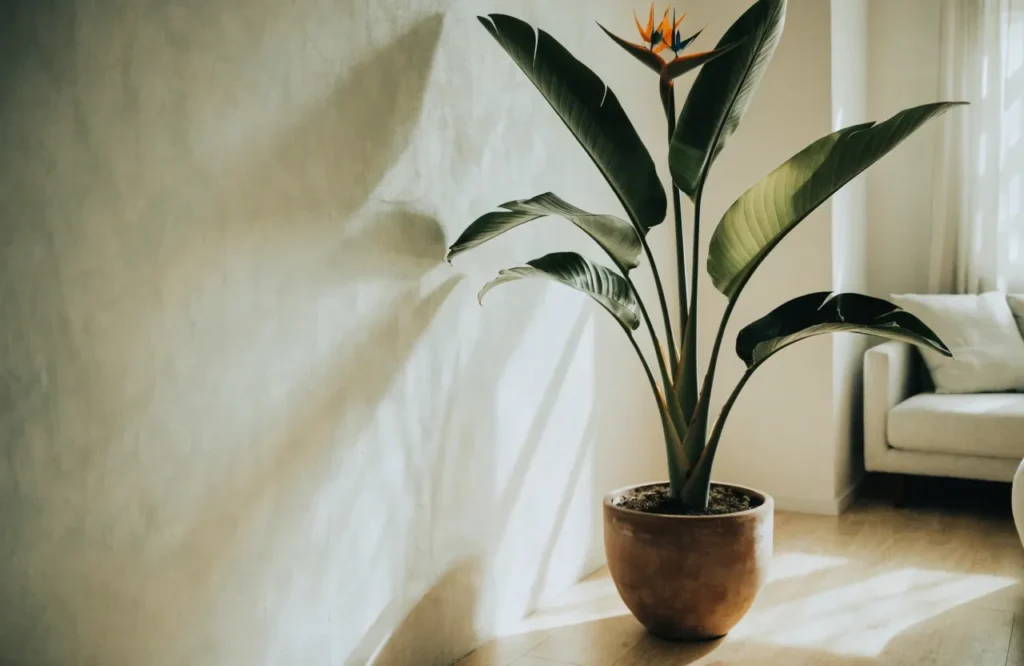
Bird of paradise tolerates lower indoor light better than you’d expect and can become a real architectural centerpiece over the years. Water when the top few inches of soil have dried, rather than on a fixed schedule, how quickly soil dries depends on pot size, light, humidity, and indoor temperature. If your best indoor spot doesn’t get much sun, it’s worth checking how to care for low-light plants rather than forcing a sun-loving plant into a dim corner.
Bromeliads are tropical plants that can only live outdoors year-round in the warmest zones, so elsewhere they need to come in once nights start approaching 50°F. Check closely for aphids and mealybugs before moving them in.
Tender Tubers and Rhizomes: Plants to Lift Before Frost
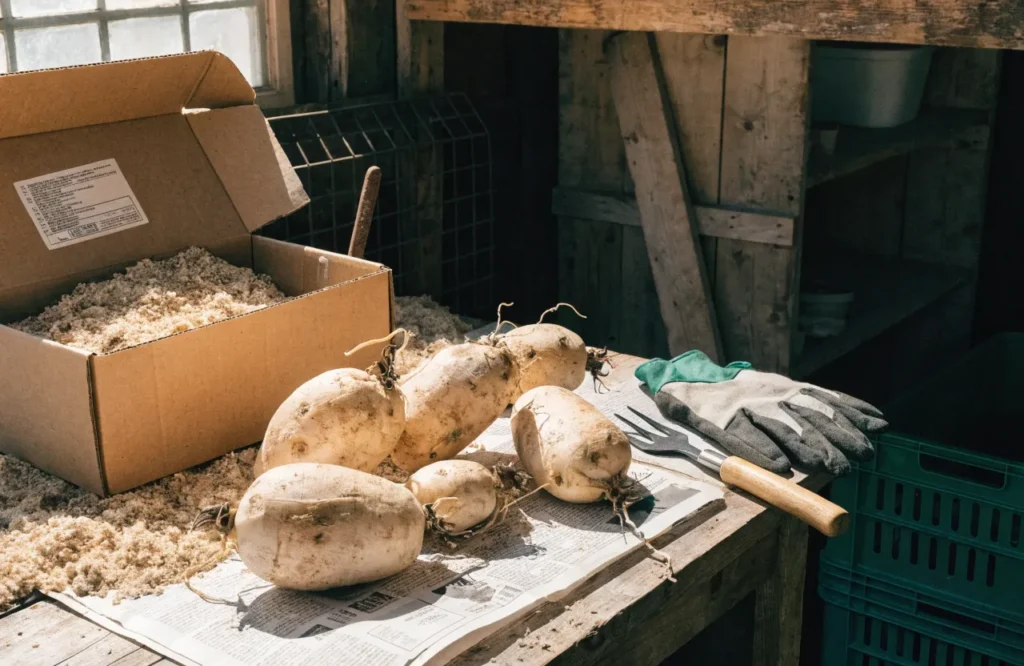
These don’t need to become houseplants at all, they’re better lifted and stored dormant.
| Plant | Typical approach |
|---|---|
| Dahlia | Lift after foliage is blackened by frost; dry and store |
| Canna | Cut back, lift, and store rhizomes |
| Caladium | Lift before freezing temperatures arrive, don’t wait for frost |
| Agapanthus | Depends on variety and climate; evergreen types are less hardy than deciduous ones |
General Storage Method for Many Tender Tubers
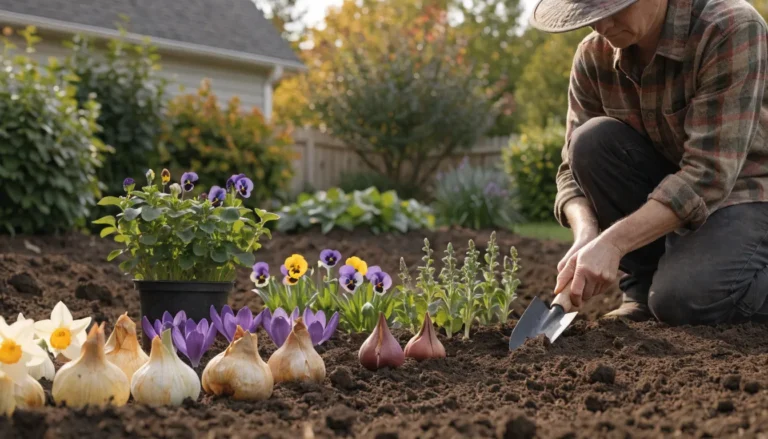
Storage requirements vary by species, but a common approach works for many of them: after frost blackens the foliage (or before freezing weather for frost-tender caladiums), cut the plant back to a few inches, then carefully lift the tuber or rhizome with a garden fork to avoid nicking it. Let it dry for a few days, then store in a paper bag, cardboard box, or crate with dry vermiculite or peat, in a cool, dark space that won’t freeze.
Check monthly for rot or excessive shriveling. Since needs vary by plant, only add moisture if that specific species calls for it, misting everything “just in case” is a common way to introduce rot.
Plants That Are Difficult to Bring Indoors Before Frost
These aren’t impossible to save, they can just require more specialized indoor conditions than many gardeners want to manage, which is why some choose to let them go and replace them in spring instead.
| Plant | Main indoor challenge |
|---|---|
| Boston fern | Needs high humidity; often drops fronds indoors |
| Mandevilla | Prone to leaf drop and sap loss with reduced light |
| Tropical hibiscus | Frequent leaf drop and ongoing pest pressure (aphids) |
| Gardenia | Needs high humidity and bright light most homes can’t easily provide |
| Spanish/non-hardy lavender | Struggles with dry, heated indoor air |
If a plant is inexpensive to replace and has repeatedly struggled indoors for you, it’s often genuinely easier to compost it and buy new in spring, the same logic behind why so many gardeners lean on unkillable indoor plants for the pots they’d rather not fuss over all winter.
Pest Checklist Before You Bring Plants Indoors

Inspect every plant before it crosses the threshold, this is the single best way to avoid an indoor infestation all winter, especially if the plant is heading into a room with other houseplants.
- Check leaf undersides and stems for aphids, spider mites, whiteflies, scale, and mealybugs
- Check the soil surface and drainage holes for fungus gnats or ants
- Remove dead leaves and debris from the pot
- Rinse foliage with water where appropriate
- Treat any visible pests with insecticidal soap or a dilute rubbing-alcohol solution
- Let the plant dry before moving it indoors
- Quarantine new arrivals away from existing houseplants for a week or two
Can Plants Stay in a Garage Instead of Coming Indoors Before Frost?
For dormant storage, bulbs, cut-back fuchsias, bananas, an unheated garage, basement, or shed that stays reliably above freezing works well. For plants you want to keep actively growing through winter, a garage usually won’t provide enough light; they’ll need a real window or supplemental grow light instead. A spot that already works for plants for dark rooms is usually a safer long-term home than a dim garage shelf.
What to Do About Leaf Drop After Bringing Plants Indoors
Some yellowing, leaf drop, or a droopy phase in the first couple of weeks indoors is normal. Sudden changes in light, temperature, and humidity stress plants, and most recover once they acclimate. Gradually increasing indoor time over one to two weeks before the final move, rather than an abrupt transition, helps minimize this.