What to Plant in September: Flowers, Vegetables, Herbs & Bulbs (By Zone)
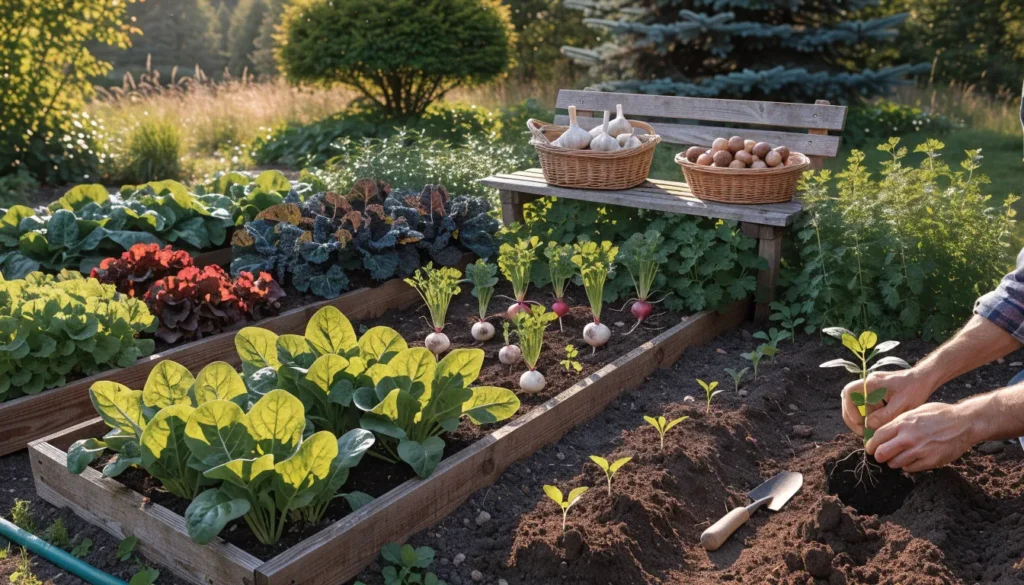
Quick Answer: What to plant in September depends heavily on your USDA hardiness zone and first frost date. In cold zones (3–5), stick to fast-maturing greens like spinach, radishes, and arugula. In mid-range zones (6–8), you can still start carrots, lettuce, garlic, and sugar snap peas, while also planting spring bulbs. In zones 9–10, September is a transition month from warm-season to cool-season planting, with frost still possible later in fall. In zones 11–13, frost is rare or absent, so planting is driven more by heat and rainfall patterns than by a frost date. Across many zones, September can also be a good time to establish hardy perennial herbs and plan fall planting of spring-flowering bulbs while the soil is still warm.
September gets written off as the end of the growing season, but for most gardens it’s closer to a second spring. Soil is still holding onto summer warmth while air temperatures cool, and for many cool-season plants that combination favors faster germination and stronger root establishment. The trick is knowing how much growing time you actually have left. This guide breaks down what to plant in September by USDA zone and by first frost date, then covers the best vegetables, herbs, flowers, bulbs, and perennials for the month, plus what’s usually too late to start.
Table of Contents
What to Plant in September by USDA Zone & First Frost Date
USDA Hardiness Zones describe average winter minimum temperatures, they’re a useful starting point, but your local first frost date, elevation, and microclimate matter just as much. Use the zone breakdown below as a general guide, then confirm timing against your area’s average first frost.
Zones 3–4: In many locations, September brings a short window before the first hard frosts, so focus on quick, frost-tolerant crops, spinach, arugula, radishes, and hardy herbs like parsley. This is also a good window to plant garlic and spring bulbs before the ground freezes.
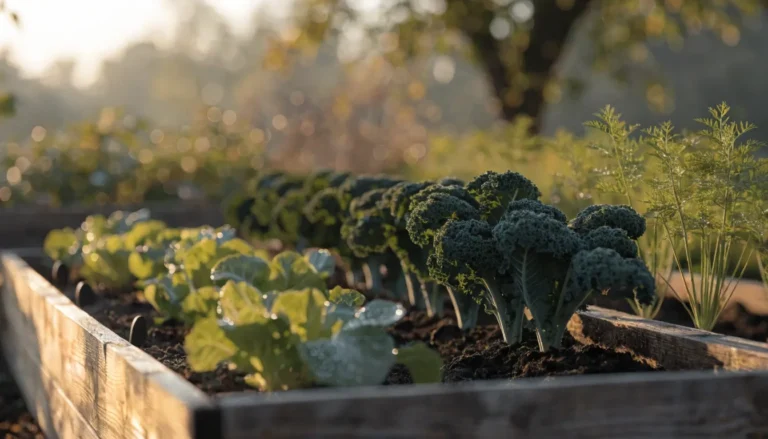
Zones 5–6: First frost typically lands in early-to-mid October, giving a few extra weeks. Lettuce, kale, Swiss chard, carrots, beets, and garlic all do well, alongside cool-season flowers like pansies and calendula.
Zones 7–8: Frost is usually late October or later. This range supports nearly everything cool-season plus a late round of sugar snap peas, bush beans, and quick root crops, along with perennial herbs and spring bulbs.
Zones 9–10: Frost may not arrive until November or not at all. September still carries some summer heat, so treat it as a transition month, cool-season greens can go in toward the end of the month, while short-season tomato or pepper transplants may still have time to produce in milder pockets.
Zones 11–13: Frost is rare or nonexistent. September planting decisions depend more on easing heat than on frost, and gardeners here often plant according to local rainy-season, dry-season, and temperature patterns rather than a hard cutoff.
What to Plant Based on Weeks Until Your First Frost
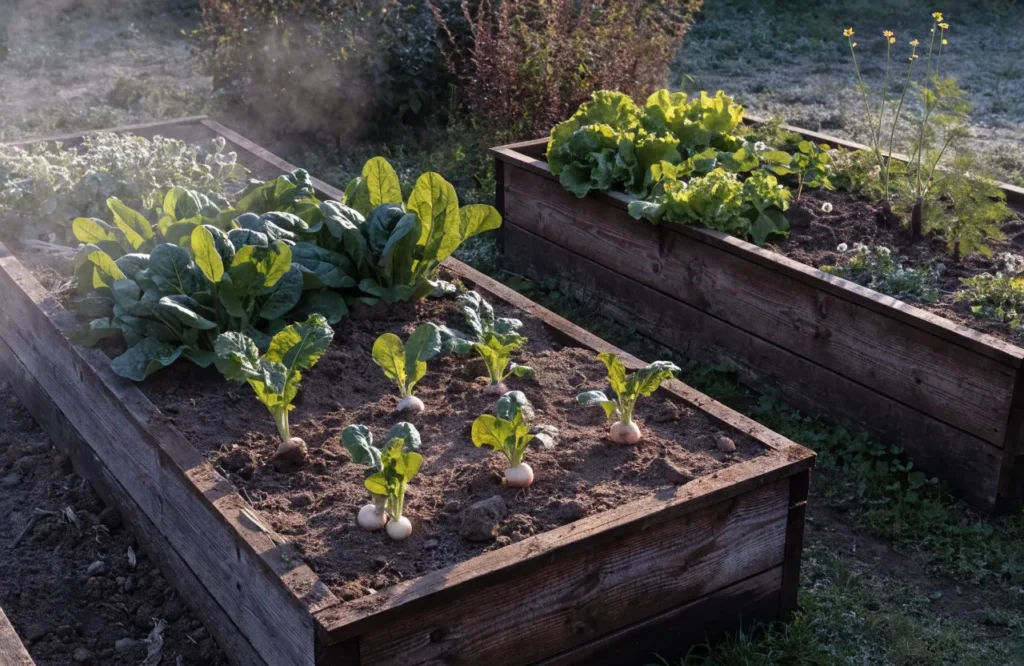
If you’re not sure which zone-based advice applies to your yard, counting backward from your average first frost date is often more precise.
8+ weeks before frost: Root vegetables (carrots, beets, turnips), sugar snap peas, and hardy flowers like pansies and calendula all have enough time to mature before the cold sets in.
4–8 weeks before frost: Fast growers are the priority, spinach, arugula, radishes, lettuce, and mesclun mixes.
Less than 4 weeks before frost: Stick to the quickest crops (radishes, baby greens) and frost-hardy overwintering plants.
Garlic doesn’t follow this maturity-based countdown, it’s planted for establishment and overwintering rather than a pre-frost harvest, so aim for your region’s recommended fall planting window instead of counting weeks to frost. Spring bulbs work similarly: many can still go in late in fall, but exact timing depends on the bulb, soil conditions, and local climate rather than a fixed number of weeks.
Best Vegetables for September Planting
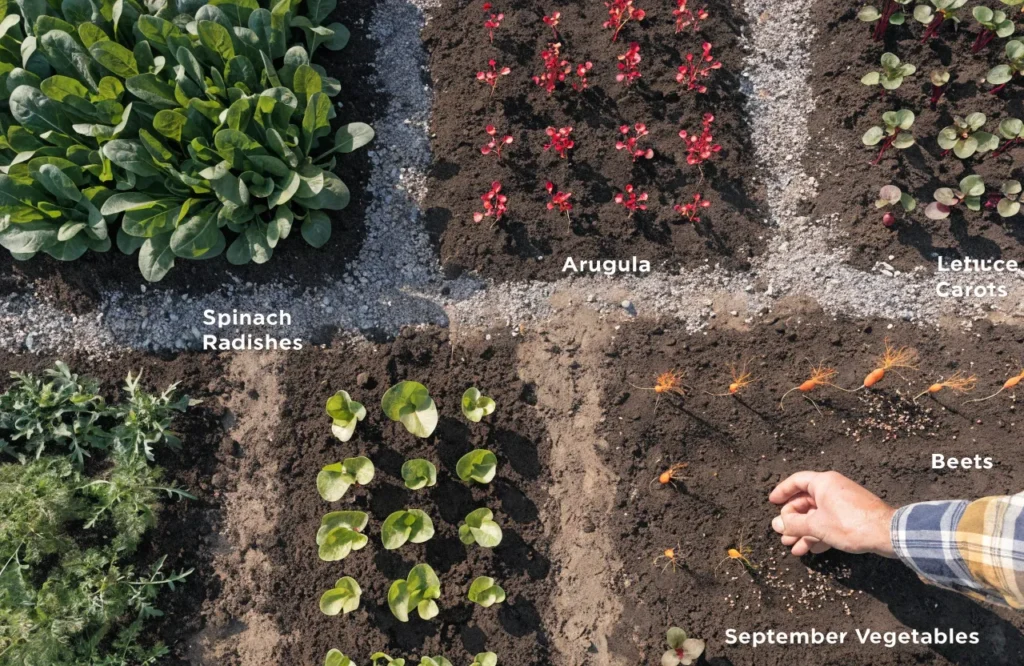
How we chose these: When deciding what to plant in September, we weighed USDA hardiness zones, typical first-frost timing, and whether a crop can realistically mature or establish before winter. Local conditions vary, so use your actual first-frost date as the final check.
| Vegetable | Cold zones (3–5) | Mild zones (6–8) | Warm zones (9–13) | Typical time to harvest | Method |
|---|---|---|---|---|---|
| Spinach | Excellent | Excellent | Good, late in month | 4–6 weeks | Direct sow |
| Radishes | Excellent | Excellent | Good | 3–6 weeks | Direct sow |
| Arugula | Excellent | Excellent | Good | 3–5 weeks | Direct sow |
| Lettuce | Good | Excellent | Good | 4–8 weeks | Direct sow or transplant |
| Carrots | Limited | Excellent | Excellent | 8–10 weeks | Direct sow |
| Beets | Limited | Excellent | Excellent | 6–8 weeks | Direct sow |
| Garlic | Good | Excellent | Regional | Fall planting, summer harvest | Plant individual cloves |
| Sugar snap peas | Limited | Good | Good | 8–10 weeks | Direct sow |
| Tomatoes/peppers (transplants) | Not recommended | Late-season only | Possible where enough warm weather remains | Varies by cultivar — check days-to-maturity on the specific variety | Transplant |
Harvest times are approximate and vary by variety, temperature, and growing conditions. For tomatoes and peppers, choose short-season varieties and confirm the expected days to maturity before planting late in the season.
If your beds sit under trees or on a shaded patio, many of these crops still perform well with reduced light, our guide to vegetables that grow in shade covers which ones tolerate it best.
Herbs to Plant This Fall
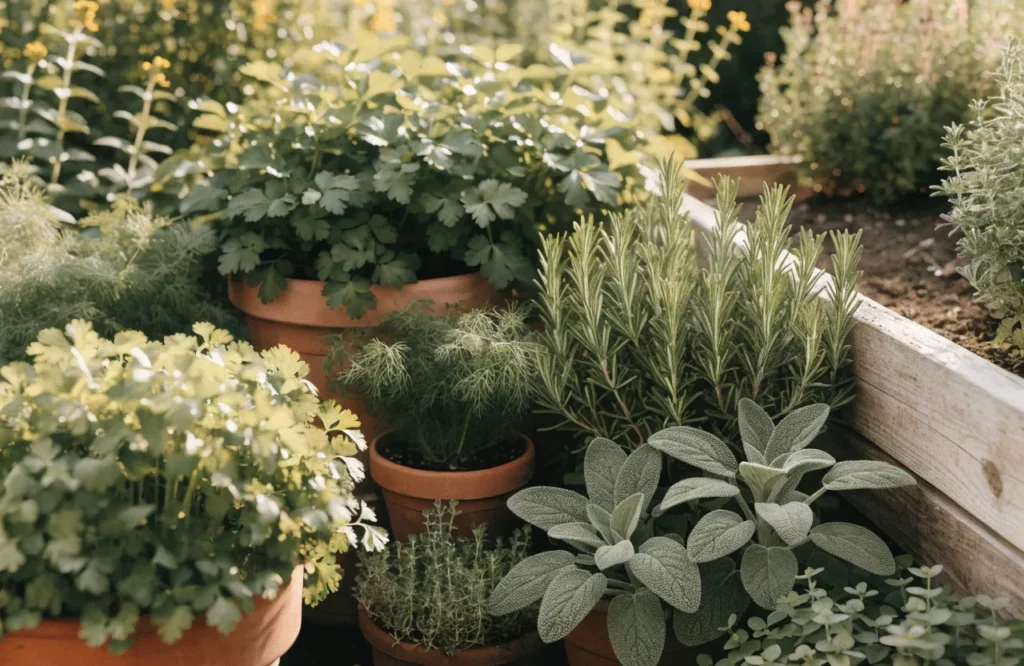
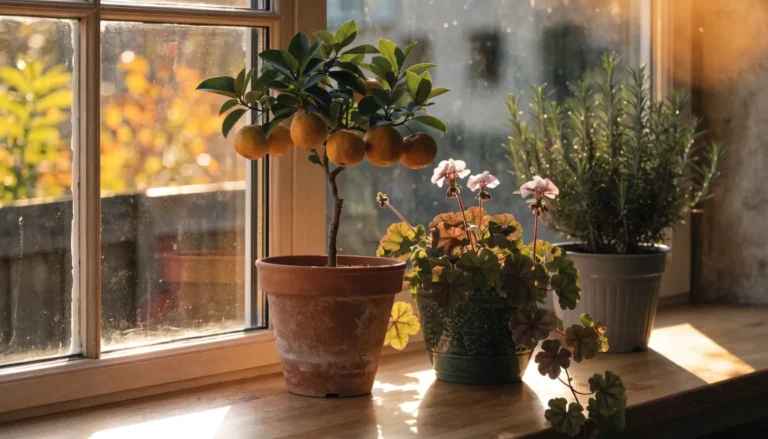
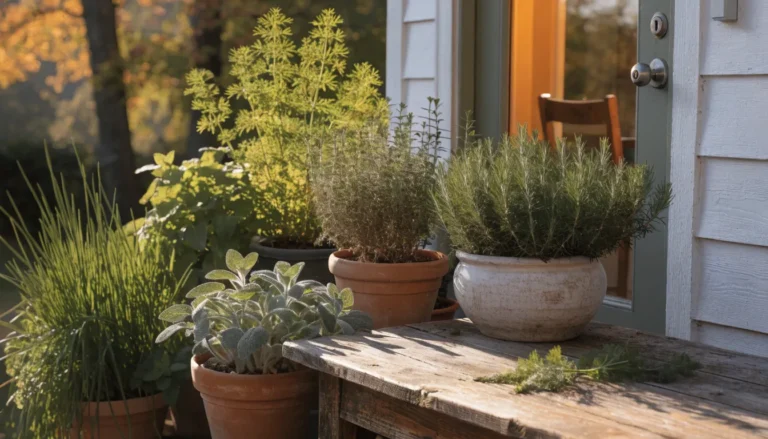
Herbs are one of the easiest answers to what to plant in September, since most need only a sunny spot and a few weeks to settle in before the weather turns.
| Herb | Type | Why September works |
|---|---|---|
| Cilantro | Annual | Resists bolting in cooler air |
| Parsley | Biennial | Establishes before cold sets in |
| Dill | Annual | Grows quickly as heat eases |
| Rosemary | Perennial | Needs weeks to root before winter |
| Thyme | Perennial | Establishes well in warm soil |
| Sage | Perennial | Hardy once rooted |
| Oregano | Perennial | Spreads well from a fall planting |
Cilantro in particular tends to bolt in summer heat, so many gardeners treat September as its best sowing window rather than a backup one.
Flowers to Start in September
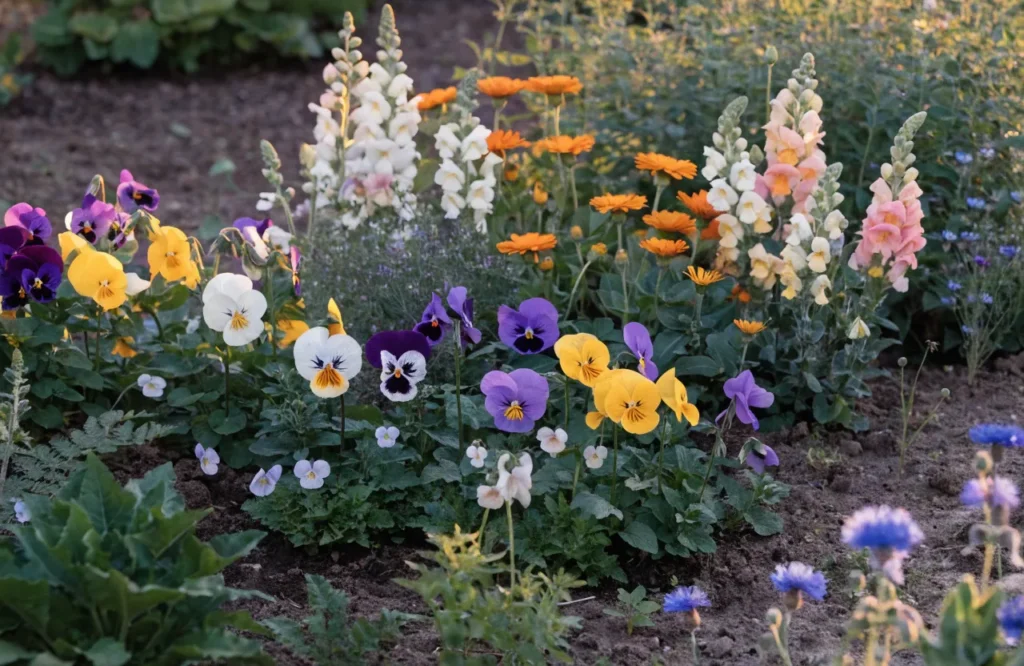
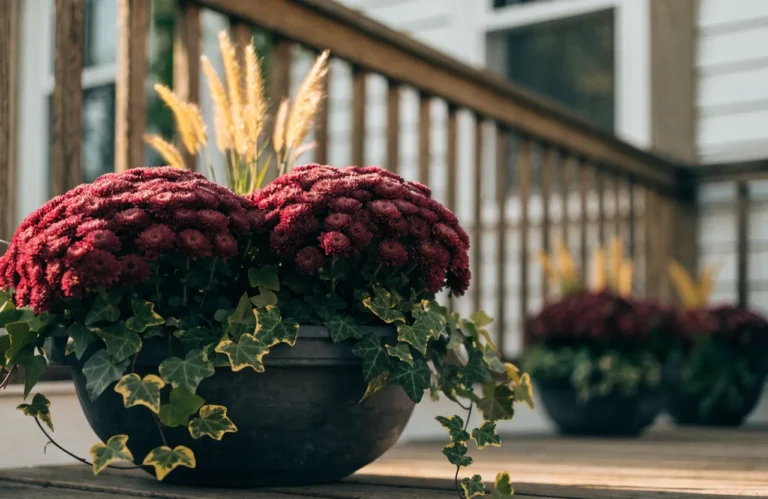
If you’re planning ahead for spring color, flowers belong on any list of what to plant in September, hardy annuals and biennials sown now get a real head start on next year’s blooms.
| Flower | Category | Best September strategy |
|---|---|---|
| Cornflowers | Hardy annual | Direct sow in mild-winter regions; start under cover elsewhere |
| Sweet peas | Hardy annual | Best suited to milder climates; sow in pots in colder zones |
| Snapdragons | Hardy annual | Fall planting in mild climates; hold for spring in colder areas |
| Wallflowers | Biennial | Transplant or sow now according to local climate |
| Sweet Williams | Biennial | Same cold-period benefit as wallflowers |
| Pansies & violas | Cool-season annual | Transplant in most cool/mild areas |
| Calendula | Cool-season annual | Sow where fall/winter conditions allow |
In regions with mild winters, hardy annuals and biennials can be sown directly outdoors this month; in colder zones, starting them under cover gives more reliable results. For the full list of picks by USDA zone, see our complete guide to flowers to plant in September; for color choices based on what’s already blooming, see our guides to fall flowers for pollinators and fall blooming flowers.
Spring Bulbs to Plant in Fall
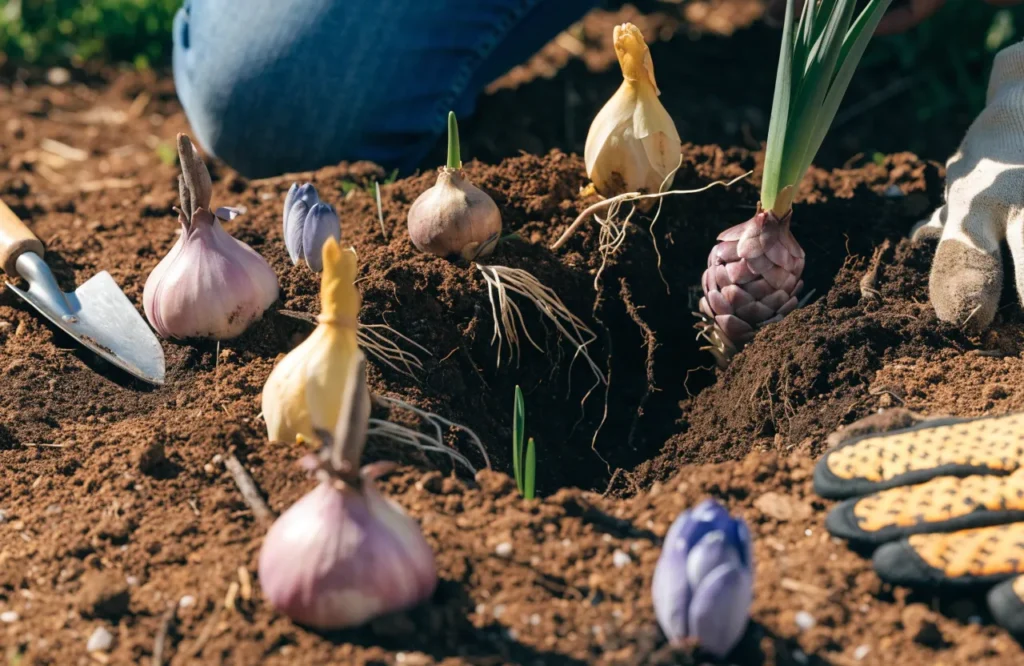
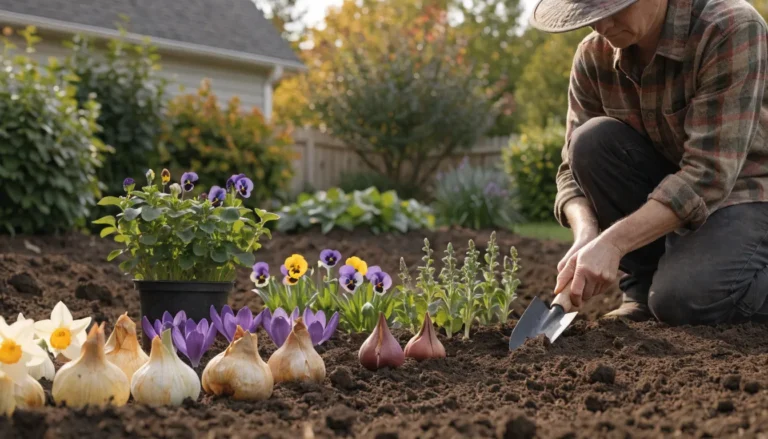
Plant spring-flowering bulbs in fall, generally once summer heat has eased, but early enough for roots to establish before the ground freezes. Exact timing varies by bulb type and climate, so check regional planting guidance rather than relying on a single fixed rule.
- Daffodils: Reliable across most zones; plant bulbs pointed side up, 4–6 inches deep.
- Crocuses: Good for borders, containers, and naturalizing in lawns; plant shallowly.
- Tulips: In warmer zones, tulip bulbs often need a period of refrigeration before planting to mimic the chilling they’d otherwise miss.
- Hyacinths: Similar chilling needs to tulips in mild and warm zones; plant deeper than crocuses.
- Alliums: Tolerant of a range of soil types; good for late-spring color after earlier bulbs fade.
- Snowdrops: Best planted while bulbs are still slightly moist, ideally purchased “in the green” or planted promptly after buying.
Cold zones: September and early October are usually ideal, giving bulbs time to establish roots before the ground freezes.
Mild zones: Plant bulbs later in fall, once the soil has cooled from summer temperatures.
Warm zones: Some bulbs, especially tulips and hyacinths, may need artificial chilling before planting because winters may not provide enough cold.
Perennials to Plant in September
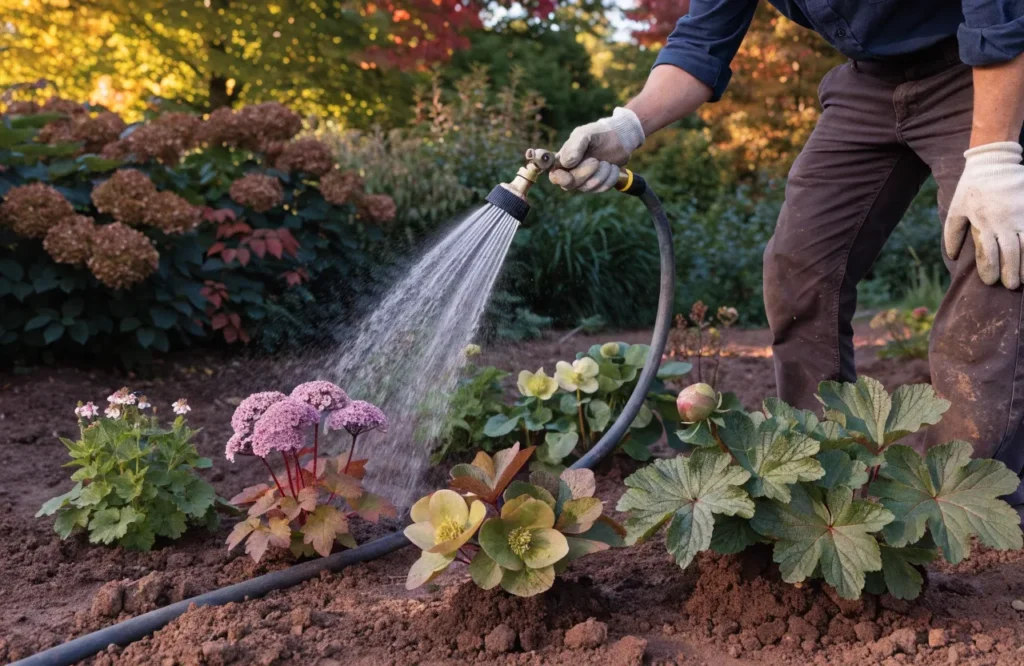
Perennials don’t always make the typical what-to-plant-in-September list, but they’re one of the best long-term investments, September is a strong month for establishing hardy perennials, since warm soil helps new roots settle in before winter.
| Perennial | Why plant in fall |
|---|---|
| Hardy geraniums (cranesbills) | Can be planted almost any time the ground isn’t frozen, but fall planting gives roots a head start |
| Hellebores | Prefer partial shade; good for brightening dim corners through the colder months |
| Peonies | Root establishment before spring growth begins |
| Coral bells | Establishes well while soil remains warm |
What NOT to Plant in September
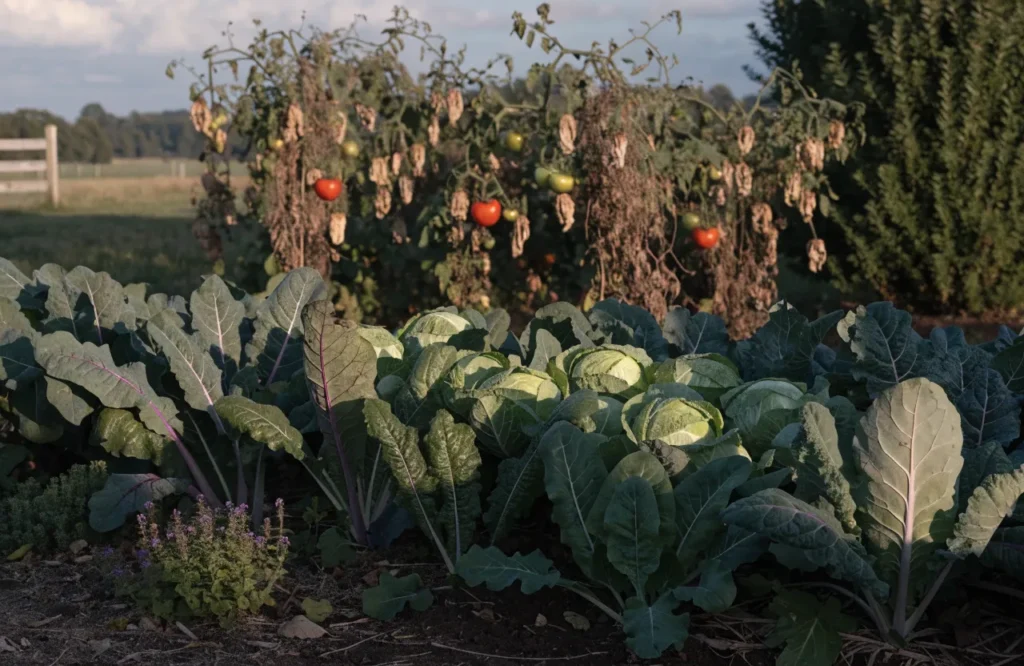
Knowing what to plant in September is only half the picture, not everything belongs on the list, and this is where zone matters most:
- Long-season tomatoes and winter squash in cold or mid-range zones, there usually isn’t enough time left before frost.
- Melons and sweet corn in regions where the remaining growing season is too short for them to mature.
- Warm-season crops started from seed (rather than transplants) in any zone expecting frost within 8 weeks.
If you’re unsure, count backward from your first frost date and compare it to a crop’s typical days-to-maturity before planting.
Expert September Planting Tips
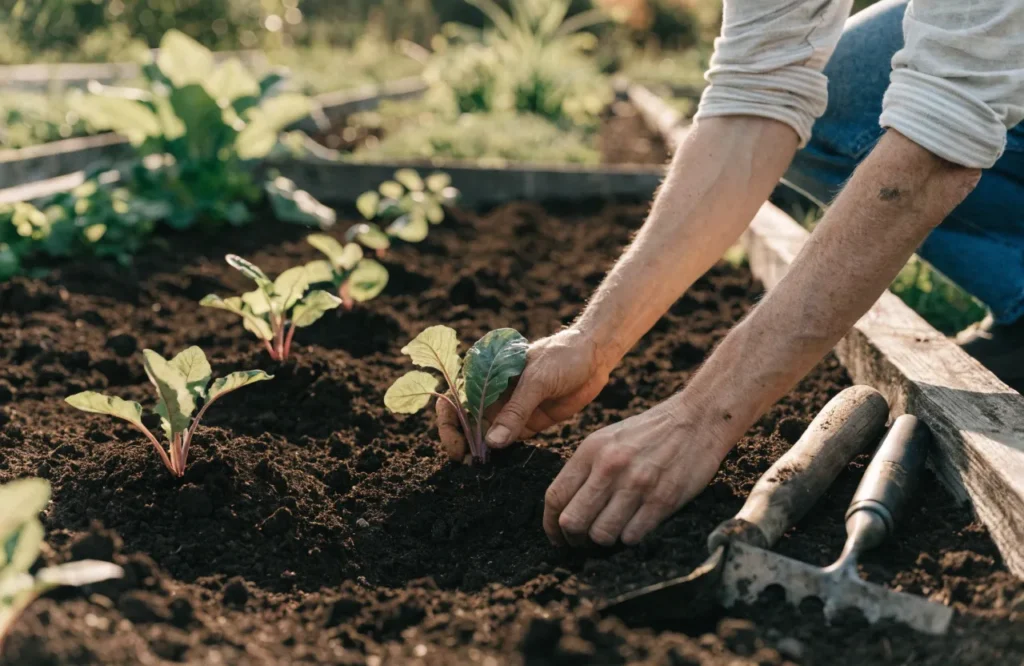
Look up your average first frost date before you plant anything, it’s the single most useful piece of information for deciding what to plant in September in your specific garden. From there, match crops to the weeks remaining rather than the calendar month alone. It’s also worth refreshing your tools and lightly amending your beds before you start; well-drained soil and a sharp trowel make fall planting far more successful.
Editor’s Note: September planting dates vary significantly by region. Always confirm timing against your local first frost date, soil temperature, and seed-packet recommendations before planting.
If you’re more interested in what’s already blooming this month than what to plant now, our roundup of September flowers for a colorful fall garden is a good next read.
About the Author
Farah Khan is a gardening writer and founder of Green Glow Garden, where she shares practical, zone-aware advice on growing vegetables, herbs, flowers, and perennials through every season.
FAQ: What to Plant in September
Final Thoughts
September isn’t the end of the gardening year, it’s a reset. If you take away one thing from this guide to what to plant in September, let it be this: check your first frost date, count the growing weeks you have left, and match your choices to your USDA zone rather than the calendar alone. Do that, and you’ll be harvesting fresh greens through fall while setting next spring’s garden up for its best year yet.