How to Prune Tomato Plants: 7 Simple Steps for Bigger, Healthier Harvests
Knowing how to prune tomato plants the right way means healthier plants, better-tasting fruit, and an easier harvest. Get it wrong, or prune a variety that never needed it, and you can actually reduce your crop instead of improving it. Proper tomato pruning improves airflow, helps prevent common diseases, and directs the plant’s energy toward producing strong stems and quality fruit. In this guide, you’ll learn exactly what to cut, when to prune, which tomato varieties need pruning, and how to help your plants recover if you accidentally remove too much.
Quick Answer
Pinch off the small shoots that grow between the main stem and a branch, and clear away any leaves low enough to touch the soil. Start once the first flower cluster opens, then keep after new shoots regularly for vining varieties or every few weeks for bush varieties, easing off once fruit is ripening in earnest.
How to prune tomato plants correctly depends on whether you’re growing determinate or indeterminate varieties. Using the right pruning technique at the right time helps improve airflow, reduce disease, and encourage healthier fruit production.
Table of Contents
Benefits of Pruning Tomato Plants
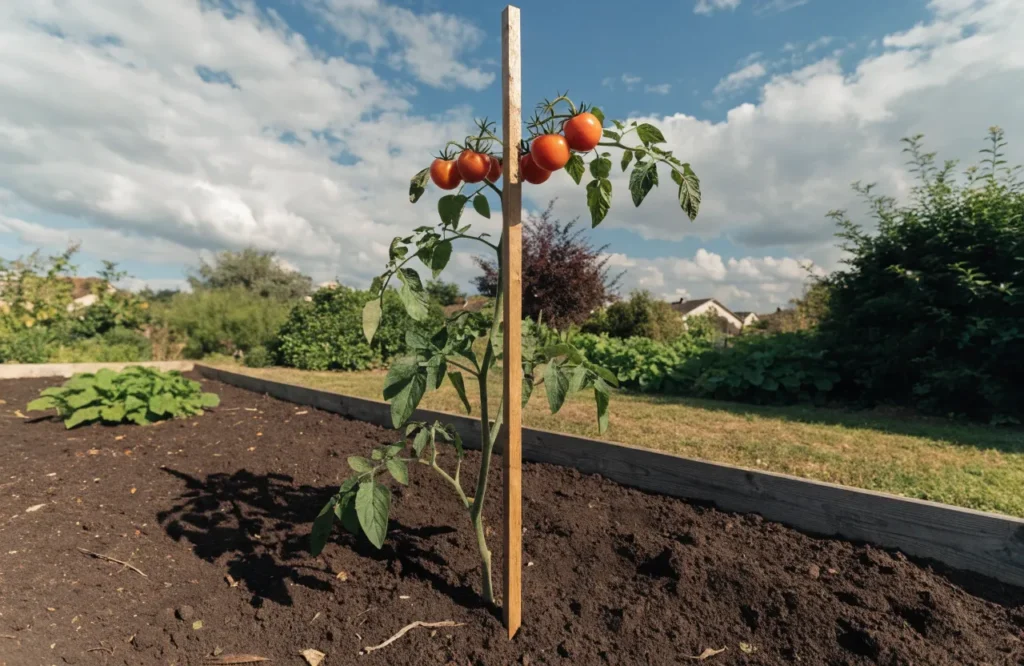
Understanding how to prune tomato plants is one of the most valuable tomato-growing skills. Regular pruning keeps plants manageable, improves air circulation, and directs energy toward producing quality fruit instead of excessive foliage.
- Better airflow, so leaves dry faster and fungal problems, including blight, fusarium wilt, powdery mildew, and septoria leaf spot, have less chance to take hold
- Larger fruit on vining varieties, since energy goes into fewer, stronger stems instead of excess foliage
- Easier harvesting, with fruit more visible instead of buried in leaves
- Better sunlight penetration, helping fruit ripen more evenly
- Easier staking, since a trained plant is simpler to support than a sprawling one
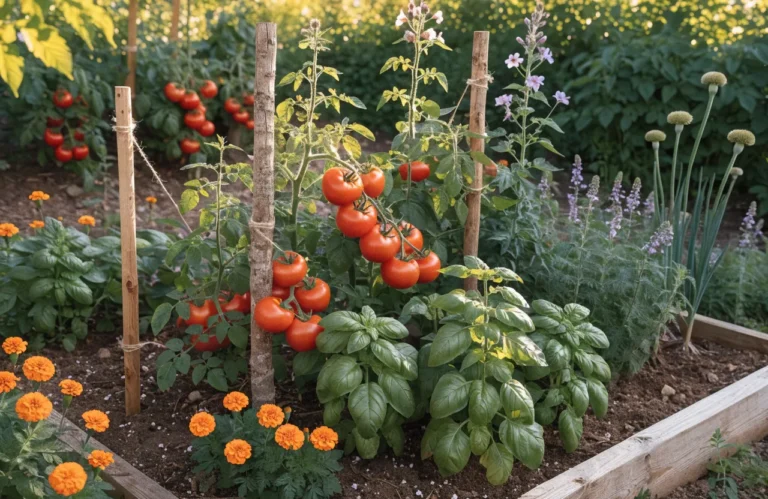
- More efficient use of space, since a single-stem plant lets you fit companion plants, salad greens, basil, or marigolds, at its base, or grow several varieties close together in a small greenhouse or bed
Know Your Type First: Determinate vs. Indeterminate
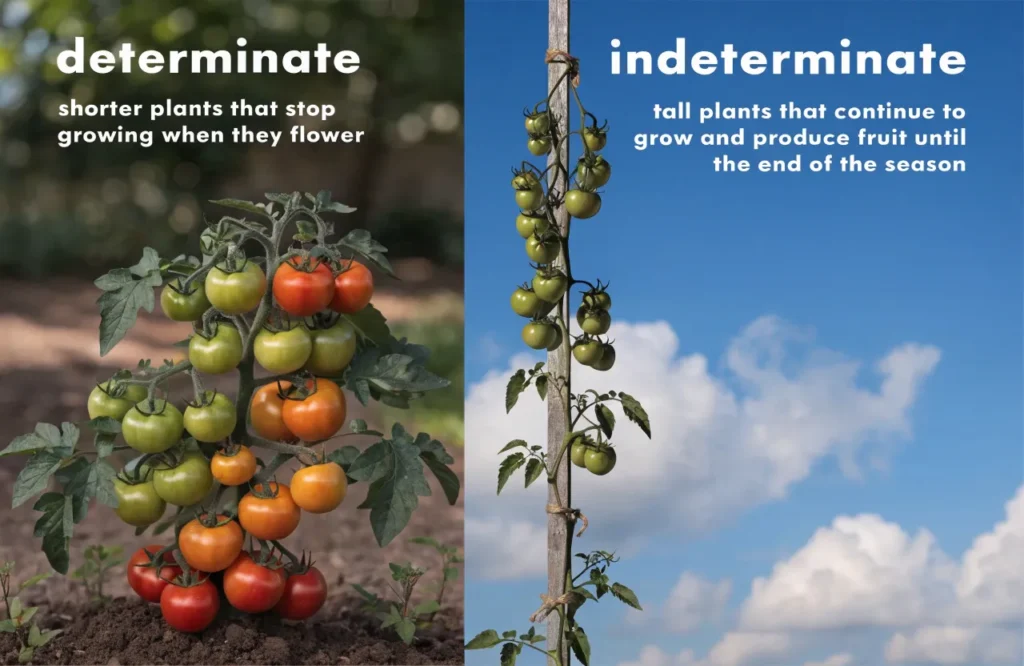
This is the single most important decision before you make your first cut.
| Determinate (Bush) | Indeterminate (Vining) | |
| Growth habit | Stops at a set height | Keeps growing all season |
| Pruning needed | Minimal, just damaged or low-hanging leaves | Regular, ongoing shoot removal |
| Fruit timing | One concentrated flush | Continuous through the season |
| Staking | Often optional | Usually required, and early |
| Over-pruning risk | High, can cut total yield | Lower, the plant regenerates more readily |
| Common examples | Roma and most paste tomatoes | Most cherry tomatoes, many heirlooms |
If you’re not sure which you have, check the seed packet or plant tag, everything else in this guide branches from that answer.
How to Prune Tomato Plants: More Precise Timing
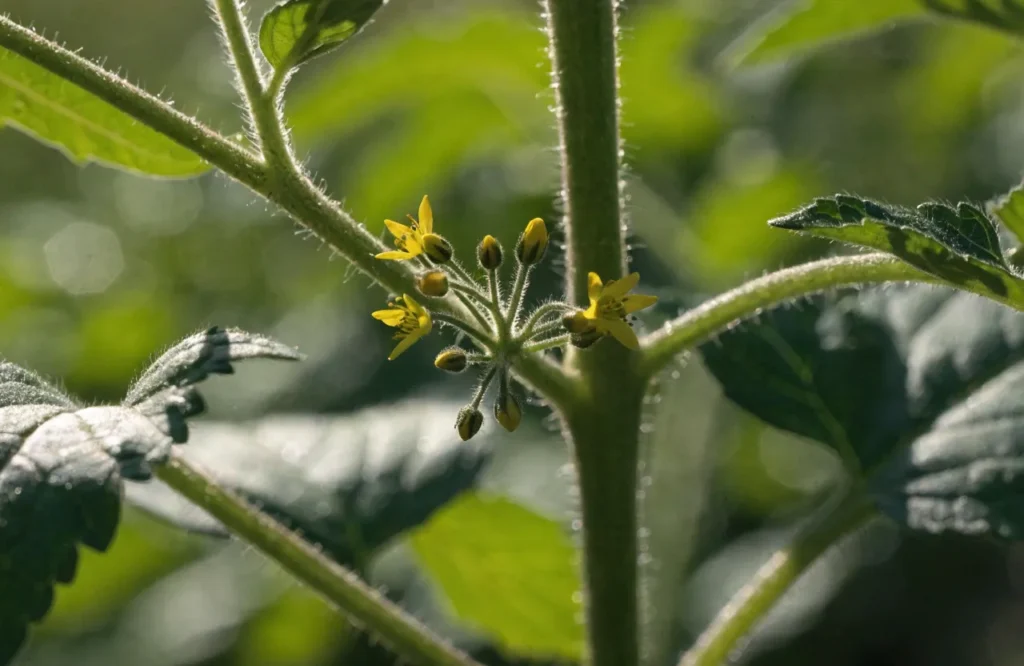
Calendar dates are a rough guide at best, since transplant timing and climate vary. A more reliable marker is the plant itself:
- First pruning pass: once the plant sets its first flower cluster, usually 3-5 weeks after transplanting, and roughly when the plant reaches 12-18 inches tall. In most temperate climates this lands in late June to early July, but let the plant’s growth stage guide you rather than the date on the calendar.
- Ongoing passes: for vining varieties, check every 2-3 days during peak season so you catch new shoots while they’re still small enough to snap off by hand. For bush varieties, a light check every 2-3 weeks is enough.
- Final pass: pinch out the main growing tip once the plant reaches the top of its support (cane, string, or greenhouse roof), or 3-4 weeks before your area’s average first frost date, whichever comes first. This is often called “stopping” the plant, and it redirects energy into ripening the fruit already set rather than pushing new growth that won’t have time to mature.
- Taper off: once fruit is ripening heavily, stop pruning almost entirely, the plant needs its remaining leaves, and removing more at this stage risks exposing fruit to sun scald.
Expert tip: Check the forecast before a big pruning session. Avoid cutting right before rain, fresh wounds are most vulnerable to fungal infection in the first 24-48 hours, and rain keeps them wet far longer than overnight dew would.
The Process, Step by Step
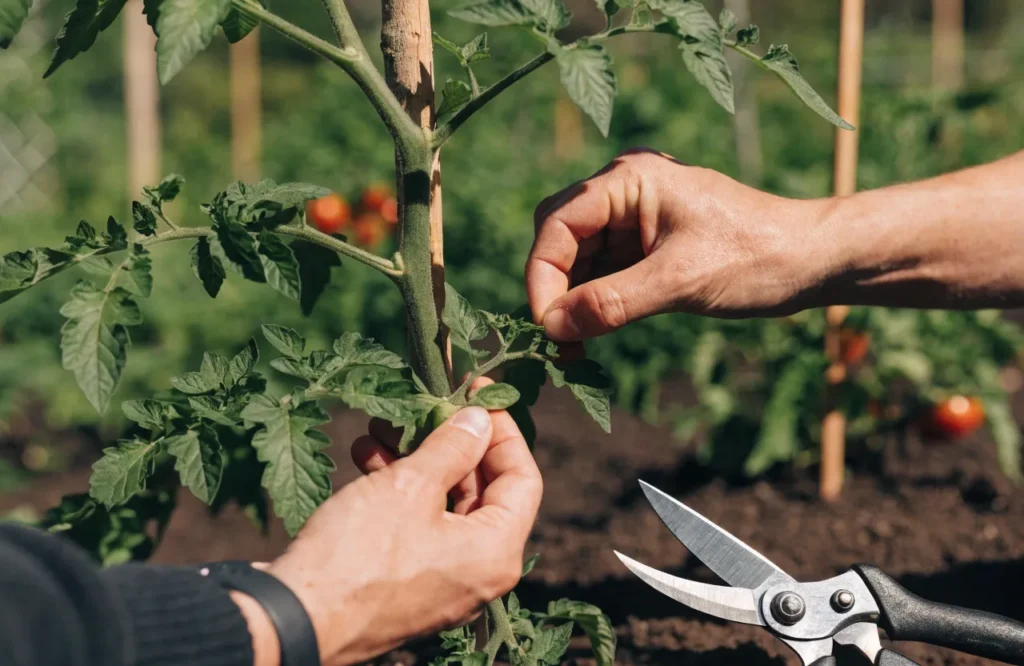
1. Work with clean tools on a dry plant. Wipe down shears (isopropyl alcohol works well) or use clean fingers for pinching, and only prune once morning dew or recent watering has dried off the leaves, cutting into wet foliage is one of the easiest ways to spread fungal spores between plants.
Expert tip: Prune in the morning rather than the evening. Cuts made early in the day have hours of sun and airflow to seal over before the cool, damp conditions of night set in, when the plant is most vulnerable to infection.
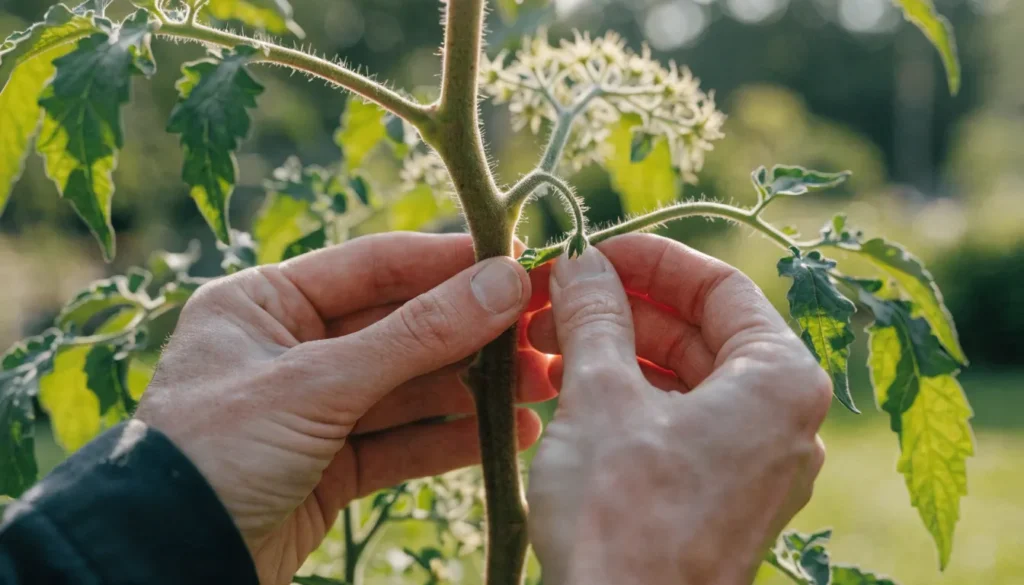
2. Pinch off new shoots. Catch them while still small enough to snap off by hand; larger ones need shears and leave a bigger wound behind.
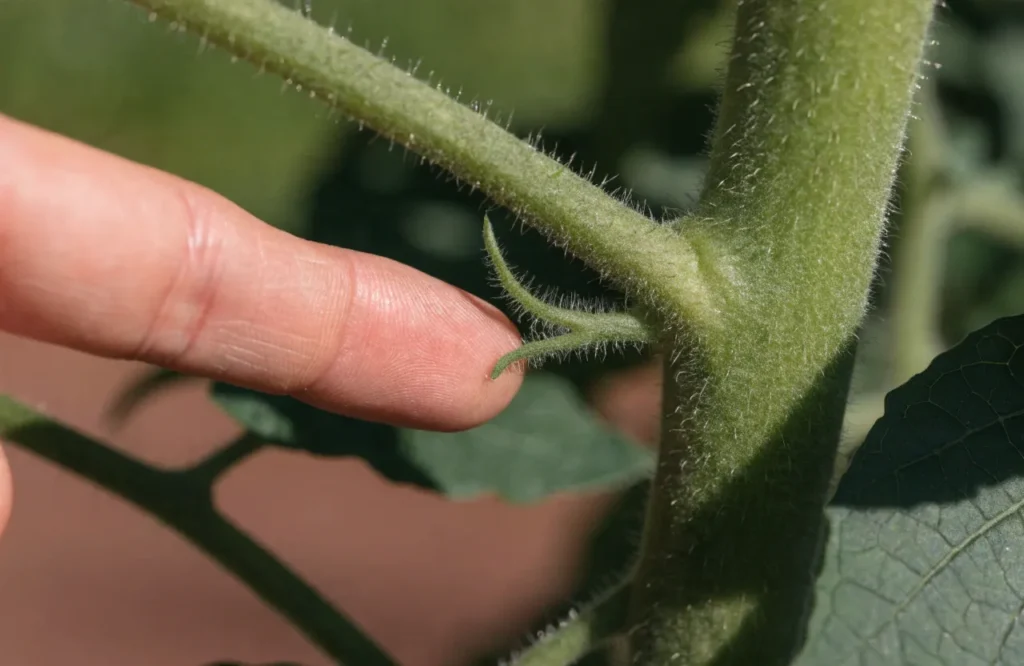
3. Clear the lowest leaves and anything touching soil. This is the one step worth prioritizing above the others, most early-season disease starts here, where damp leaves sit against the ground.
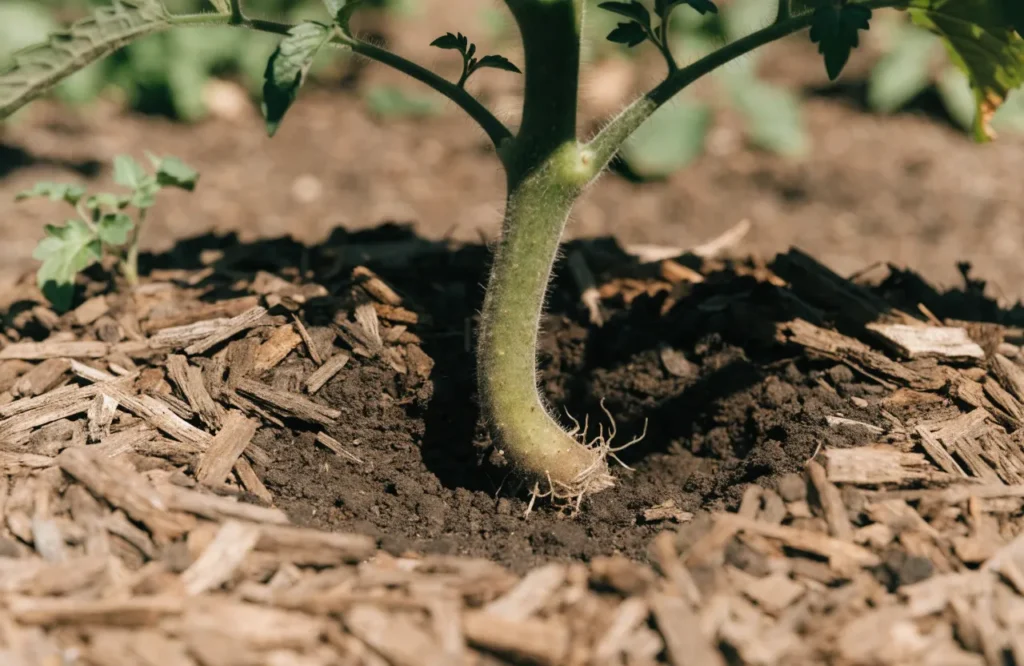
4. Remove damaged or diseased growth as you spot it. Yellowing, spotted, or wilted foliage should come off right away and get tossed rather than composted.
5. Thin a dense interior. If the plant is still crowded after shoots are gone, open up the middle so light and air can reach developing fruit.
6. Clear away clippings rather than leaving them at the base of the plant.
7. Pinch the growing tip at the point noted above in the timing section, to close out the season.
Training to One or Two Main Stems
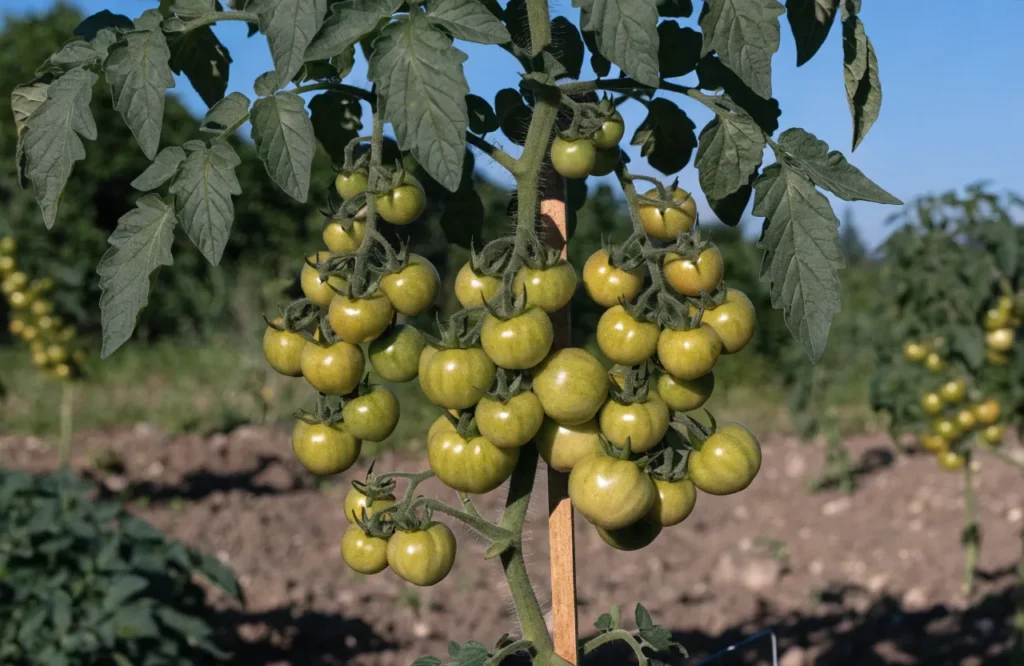
Most vining varieties do best trained to a single main stem, with every new shoot pinched out as it appears. If you’d like a bit more fruit from the same plant without letting it turn into an unmanageable tangle, leave just one shoot in place, specifically the one growing just below the first flower cluster, and let it grow on as a second main stem. Support it the same way you support the primary stem. This gives you a manageable two-stem plant instead of a single-stem one, without the free-for-all growth of leaving every shoot untouched.
When You Might Leave a Few Suckers
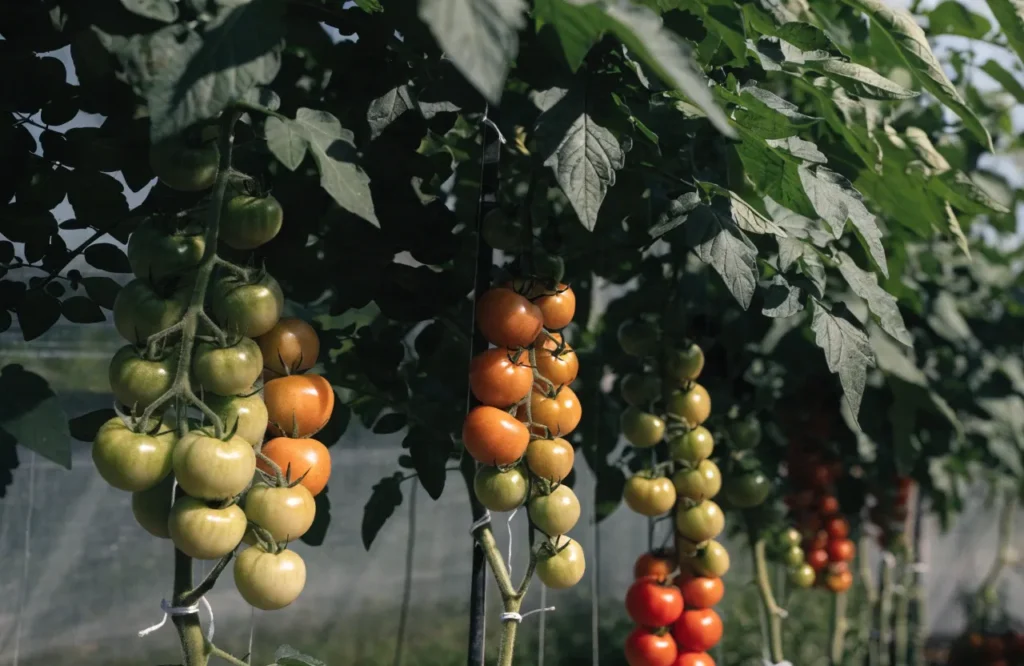
Removing every shoot isn’t always the right call:
- More fruit from the same plant. If your plants have generous spacing, letting a few shoots grow on (with support) turns one plant into a multi-stemmed one capable of producing considerably more fruit.
- Shading fruit in hot climates. In areas with intense sun, a little extra foliage left in place can protect developing fruit from scald, something growers in cooler, cloudier regions rarely need to worry about.
- Long, warm growing seasons. If your season is long enough for a vining plant to ripen everything it sets, pruning may not be necessary at all, though it’s still worth clearing the lowest leaves, since fungal disease remains a risk even where growth isn’t a concern.
Free New Plants From Your Prunings
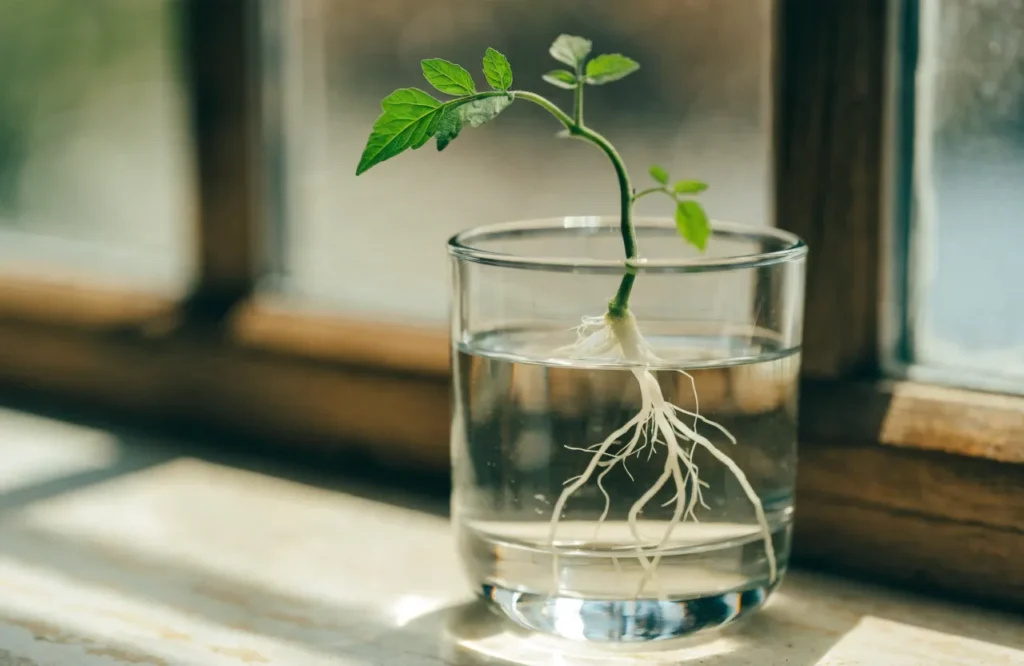
Shoots you’d otherwise discard can become new plants. Strip off most of the leaves from a pinched-off shoot, then set it in a glass of water or straight into a pot of potting mix. Once roots or new growth appear, treat it like any other tomato transplant. It’s a simple way to stretch your harvest further into the season or fill gaps in the garden for free.
Mistakes Worth Avoiding
Even after learning how to prune tomato plants, many gardeners make simple mistakes such as removing too many leaves or pruning the wrong type of tomato. Following the correct method helps you avoid reducing your harvest.
- Heavy pruning on a bush (determinate) variety, the most common misstep, and the one most likely to cost you yield.
- Letting new shoots get away from you before your next check-in.
- Overdoing it in one session, removing too much foliage at once stresses the plant, even on varieties that tolerate pruning well.
- Reusing dirty tools between plants.
- Treating pruning as a one-time job rather than a recurring check-in through the season.
Adjusting for Where and What You’re Growing
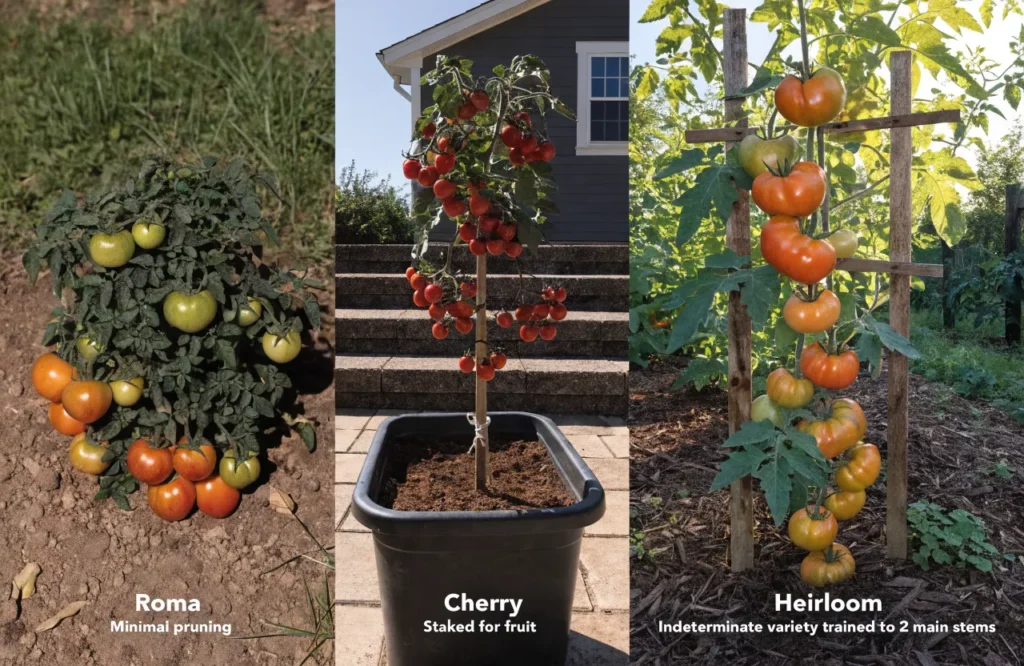
Paste and sauce varieties (Roma and similar bush types): Keep tomato pruning light by removing only damaged, diseased, or soil-contact leaves. Avoid cutting healthy stems, as these determinate varieties have a fixed fruit set and excessive pruning can reduce your harvest.
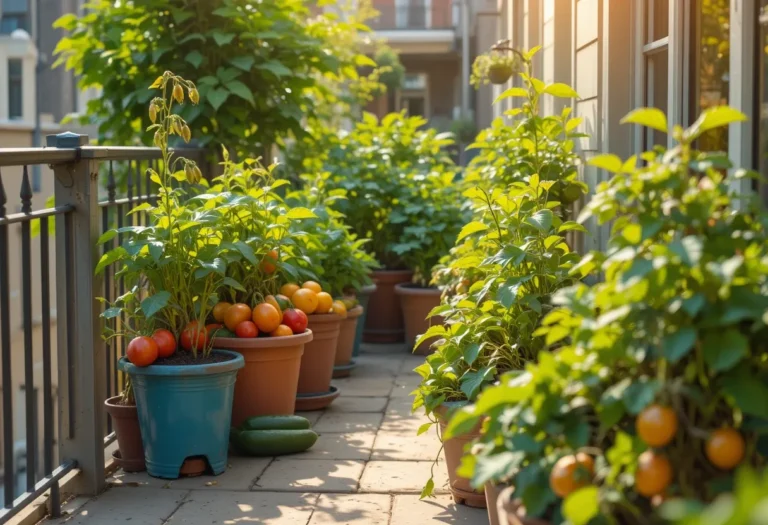
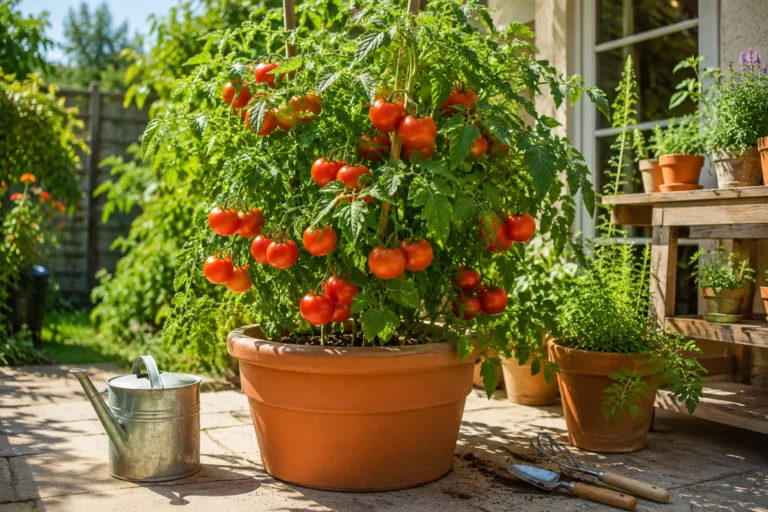
Containers: Less root room and tighter airflow mean tomato pruning becomes even more important. Check plants on the same frequent schedule as vining varieties, regardless of type, and stake them early since potted tomatoes become top-heavy quickly.
High-yield vining types (most cherry tomatoes and many heirlooms): Consistent tomato pruning helps keep these vigorous plants under control. Train them to one or two main stems from the start, since allowing multiple stems to develop makes ongoing maintenance much more difficult.
What If You Over-Prune?
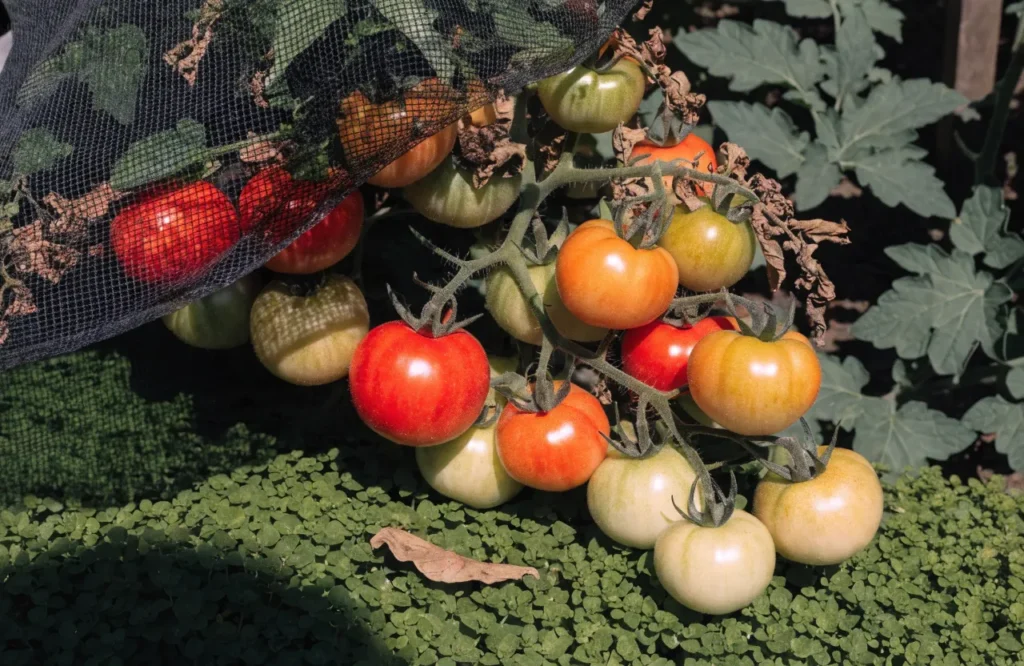
It happens, a little too much comes off in one session, or a heat wave hits right after a heavy pass. Recovery usually takes one to two weeks:
- Water consistently. A stressed plant with less foliage needs steady moisture more than ever.
- Hold off on fertilizing. Pushing fast new growth right after a hard prune adds stress rather than helping, let the plant stabilize first.
- Leave new growth alone. Resist the urge to keep cutting; let fresh shoots and leaves fill back in undisturbed.
- Shield exposed fruit from afternoon sun. With less leaf cover, previously shaded fruit can scald, a shade cloth or repositioned nearby foliage helps until the canopy fills back in.
Frequently Asked Questions
Final Thoughts
Learning how to prune tomato plants well isn’t about cutting as much as possible, it’s about knowing your variety, following its actual growth stages rather than a fixed date, and making small, regular adjustments instead of one big pass. Get that rhythm down and the rest is repetition, season after season.
Deepen Your Knowledge
Continue improving your tomato-growing skills with these in-depth guides:
- Best Soil for Tomatoes: Learn which soil mix provides the drainage, nutrients, and structure tomatoes need to thrive.
- Best Fertilizer for Tomato Plants: Find the right fertilizer for seedlings, flowering plants, and heavy fruit production.
- How to Grow Tomatoes in Pots, Tips for choosing containers, supporting plants, and maximizing harvests in small spaces.
- How Often Should You Water Tomato Plants? Discover the ideal watering schedule to encourage deep, healthy roots.
- Why Are My Tomato Plant Leaves Turning Yellow? Identify the most common causes and how to fix them.
- Best Tomato Companion Plants, See which herbs, flowers, and vegetables help tomatoes grow while naturally discouraging pests.