What to Plant in November: Vegetables, Flowers & Herbs
Quick Answer: What to plant in November comes down to one question: is your soil still workable? If it is, plant garlic, spring bulbs, bare-root trees and roses, and hardy flowers like pansies. In mild zones (7–10), also sow cool-season greens, peas, onion sets and herbs. If the ground is frozen solid, wait, mulch, and move your planting indoors.
November is the month when the planting window closes at different speeds across the country. In Zone 9 it is still wide open, while in Zone 4 it may shut within weeks. This November planting guide shows what you can still put in the ground, what to start indoors, and what to leave for spring. It focuses on what’s different about November compared with what to plant in September.
Table of Contents
What Can You Plant in November?
In November you are planting for spring, not for fall. Almost everything you plant now spends winter building roots and then grows fast when the soil warms. Plants that suit this month fall into four groups:
- Overwintering crops such as garlic, shallots, onion sets and fava beans.
- Spring bulbs such as tulips, daffodils, alliums and crocuses.
- Dormant plants such as bare-root trees, shrubs and roses.
- Cold-tolerant growers such as pansies, violas, spinach, kale and hardy herbs.
The 3-step readiness test
Before you plant anything outdoors, check these three things:
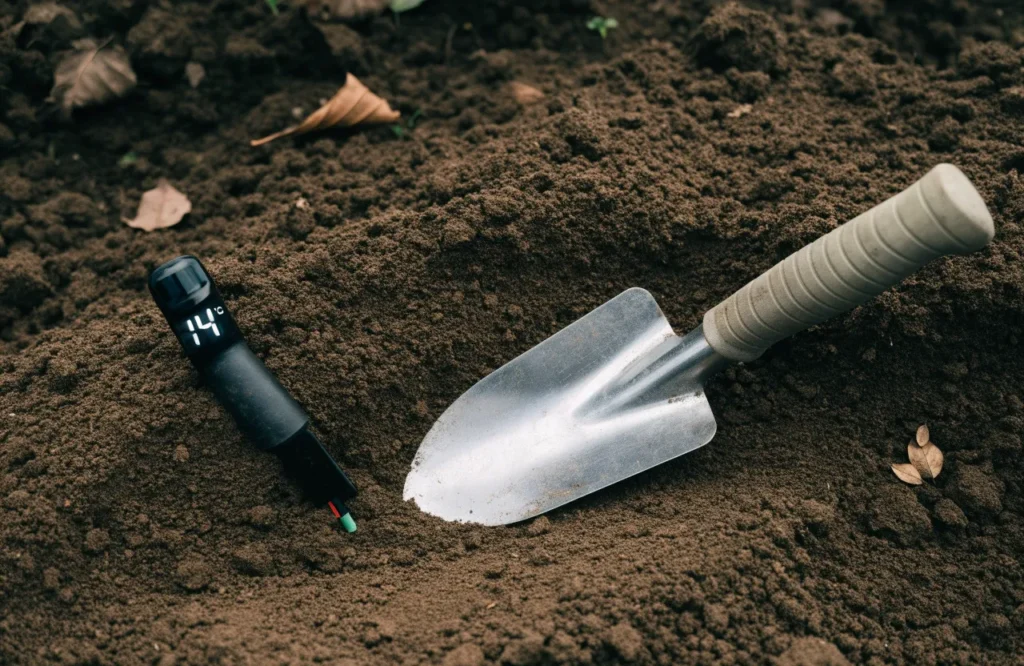
- Can you dig? A trowel should slide in easily. If the top few inches are frozen, stop.
- Does it drain? Soil that stays soggy for days rots bulbs and roots. Wait or plant in a raised bed.
- What’s the forecast? A week without hard freezes is a good planting window. A deep freeze coming means finishing quickly, then mulching.
A soil thermometer helps. Many cool-season seeds, including spinach, germinate in soil as cool as the 40s°F, while tulips do best once soil drops below about 60°F.
Best Vegetables to Plant in November
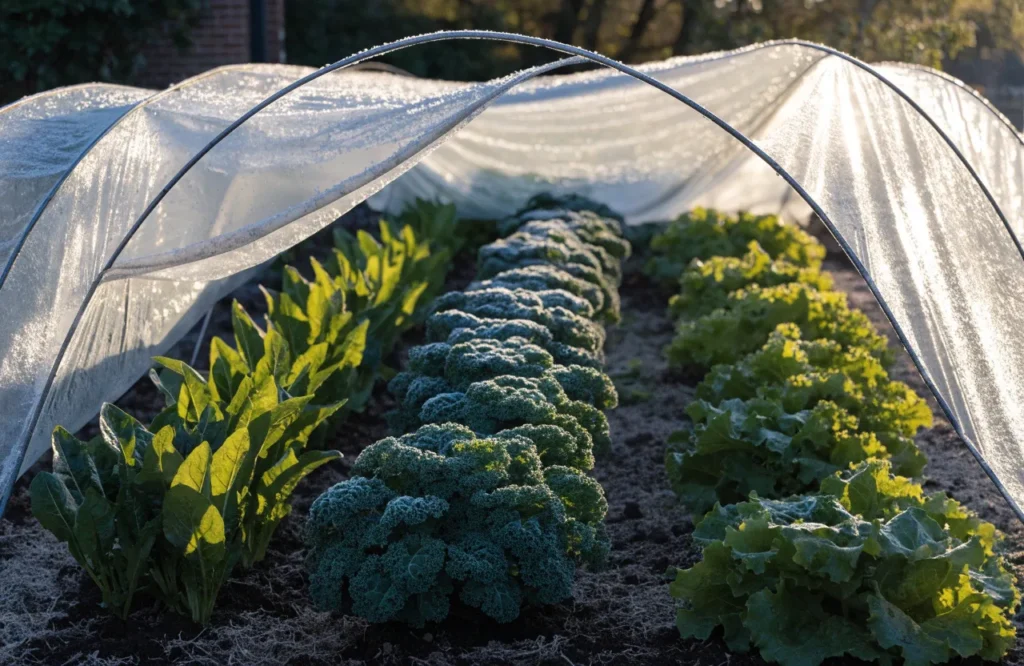
Rather than repeating a long crop list (our guide to vegetables that survive frost ranks 28 crops by cold tolerance), this section sorts what to plant in November by what each crop does for you.
Set-and-forget crops for a spring harvest
These go in now and then need almost nothing until spring:
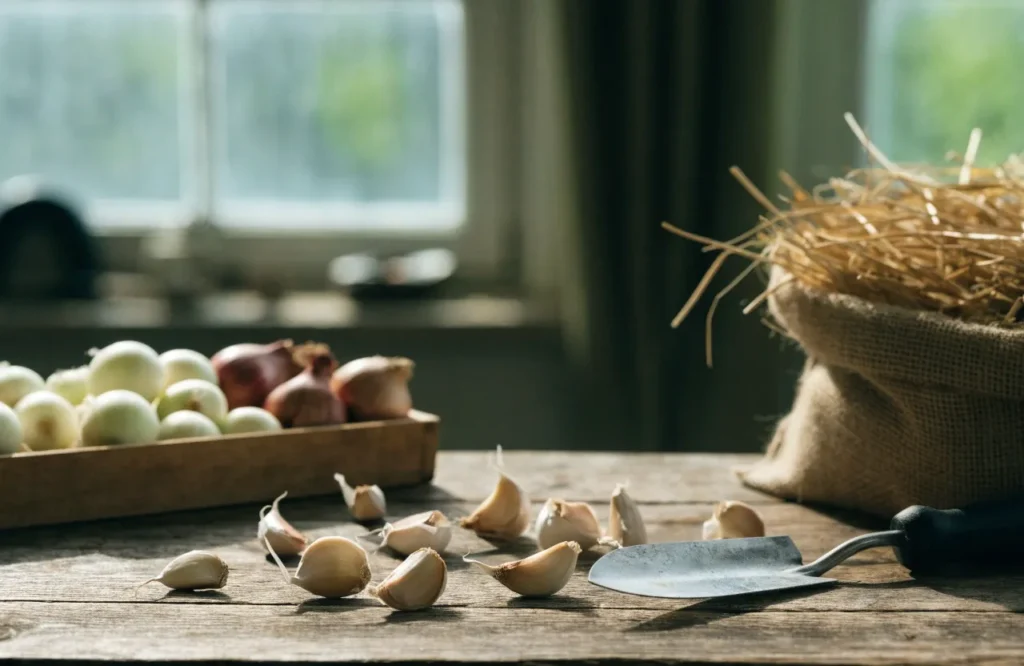
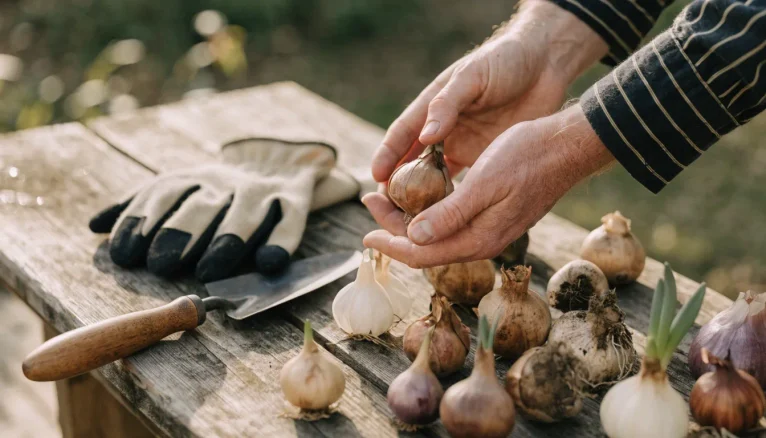
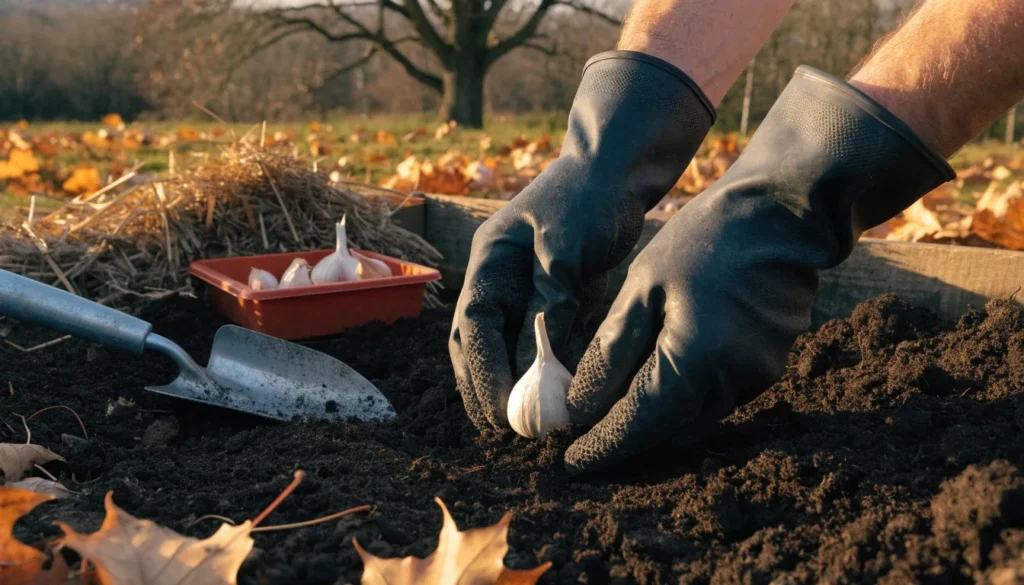
- Garlic: Still plantable until the ground freezes. Late planters should set cloves pointed side up about 2 inches deep and mulch heavily. For full timing, depth and spacing, see how to plant garlic.
- Shallots and onion sets: Best in zones 7–10. Choose varieties labeled for fall planting.
- Fava beans: A good overwintering bean in mild zones. Sow in a sunny, sheltered, well-drained spot.
- Peas (hardy types): Zones 8–10 can sow now for an early spring crop. In colder zones, wait for late winter.
Winter-harvest crops for mild zones
If your winters stay above roughly 15–20°F, you can keep harvesting through the cold:
- Spinach, kale, arugula, mustard greens and lettuce: Direct sow or transplant in zones 7–10. In colder areas, grow them under a cold frame.
- Radishes, carrots and beets: Slower in cold soil, but sweeter. Zones 8–10 can sow now.
- Swiss chard and collards: Tough and productive, and they can last into winter with mulch.
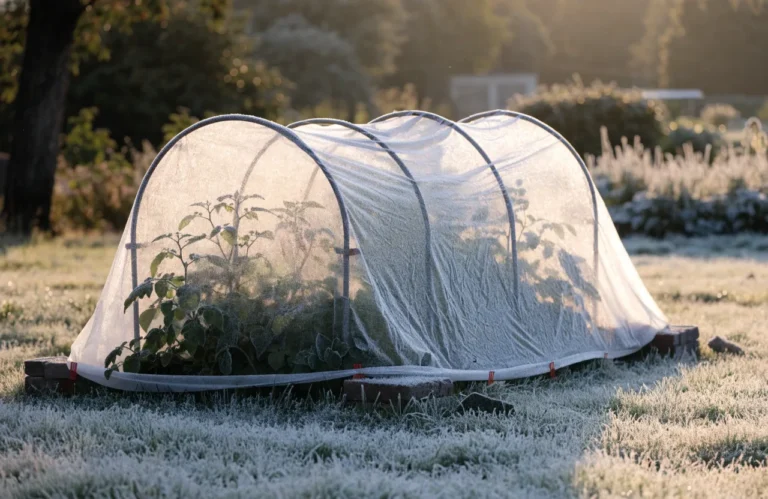
A single layer of row cover can protect leaves from the coldest nights. For the best materials and methods, see how to protect plants from frost.
Skip these in November
Tomatoes, peppers, cucumbers, squash and basil will not survive outdoors anywhere with frost. If you are planning for the next season, start with our guide to preparing your vegetable garden for winter, which covers soil, mulch and bed cleanup.
Flowers to Plant in November
Spring-flowering bulbs
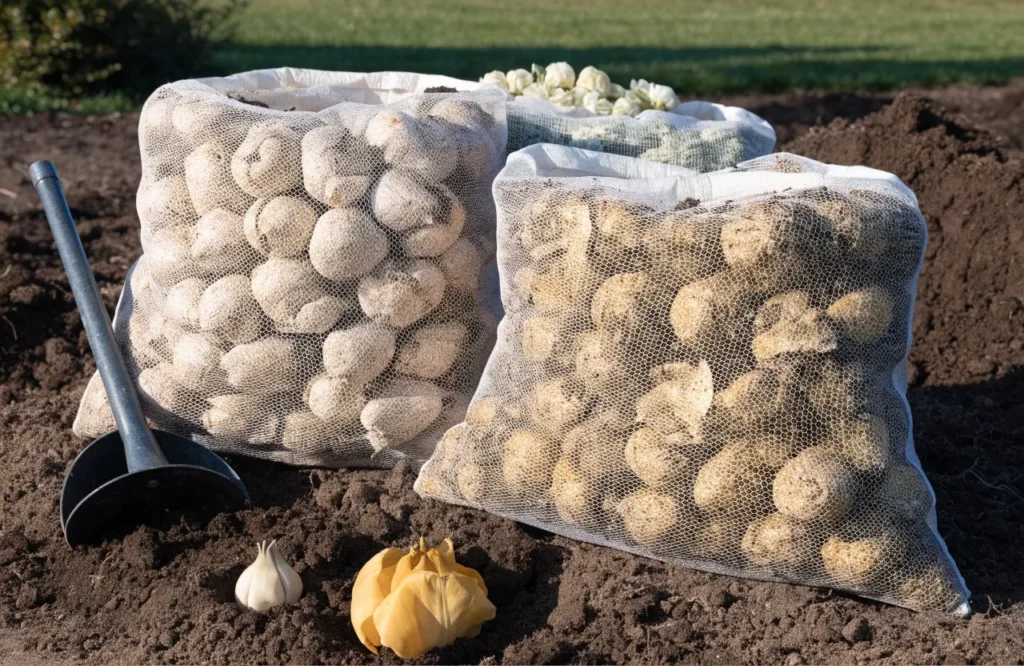
November is the last comfortable window for spring bulbs. Tulips, daffodils, crocuses, hyacinths and alliums can all go in as long as the ground isn’t frozen. Plant bulbs pointed end up and roughly two to three times as deep as the bulb is tall. Our spring bulb planting guide has depth and spacing details.
Late-planted bulbs usually still bloom, though sometimes a little later than usual. If you have bulbs left in the bag, plant them now rather than saving them.
Pansies, violas and hardy annuals
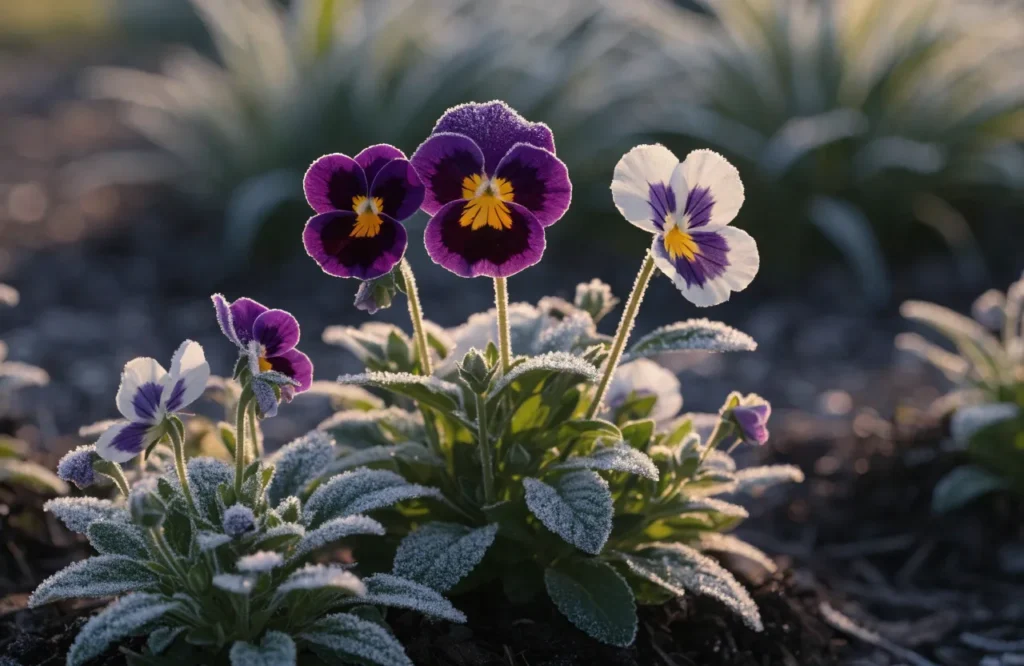
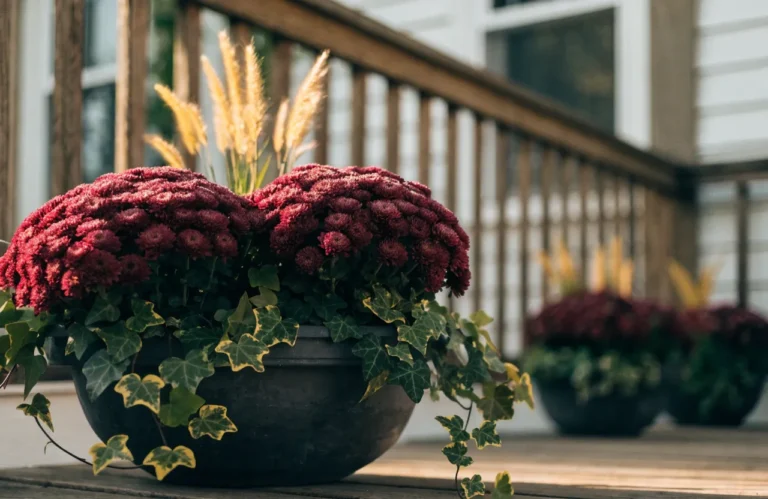
Pansies and violas are the best November flower for color, because they bloom in cool weather and tolerate temperatures into the mid-20s°F. In zones 8–10, you can also sow hardy annuals such as California poppies, corn poppies and bachelor’s buttons. In colder zones, wait until late winter.
Bare-root trees, shrubs and roses
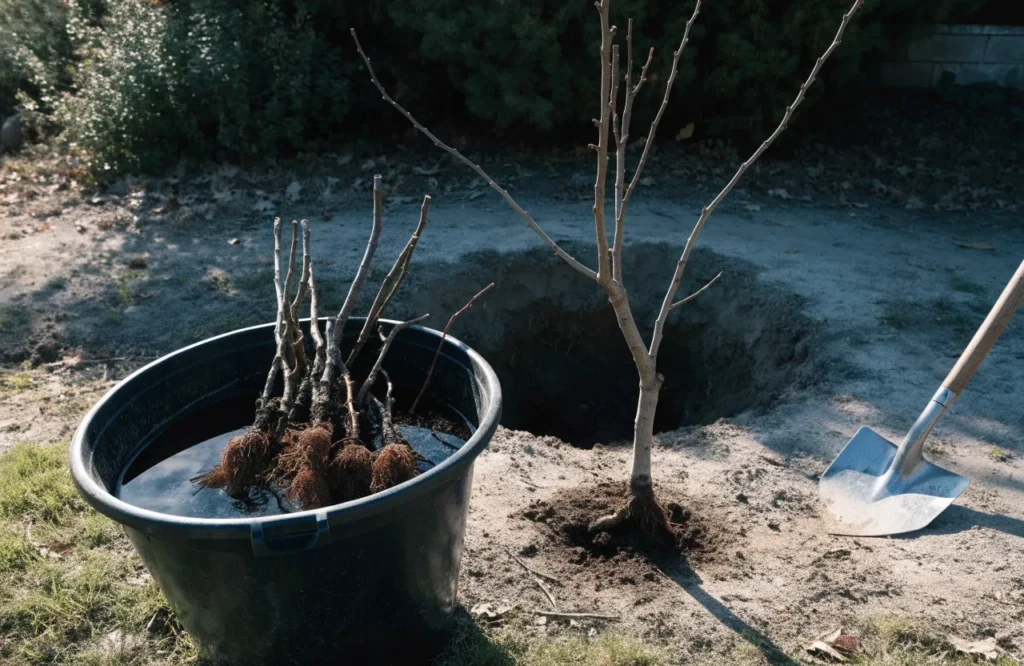
This is one of the strongest answers to what to plant in November, and it’s easy to overlook. Bare-root plants are sold dormant and cost less than potted ones. Planting them in November lets roots settle before spring growth.
- Fruit trees: apples, pears, cherries and plums, plus berry canes like raspberries.
- Roses: Soak the roots for a few hours, then plant with the graft union at or just above soil level, depending on your climate.
- Hedges and shrubs: deciduous types are ideal while they are dormant.
Check the mature size and any pollination needs before buying fruit trees. Water well after planting and mulch around the base without piling it against the trunk.
Perennials
Hardy perennials such as asters, coneflowers and hellebores can be planted now where soil is workable. If you’d rather make new plants from what you already own, see perennials to divide in fall.
Herbs to Grow in November
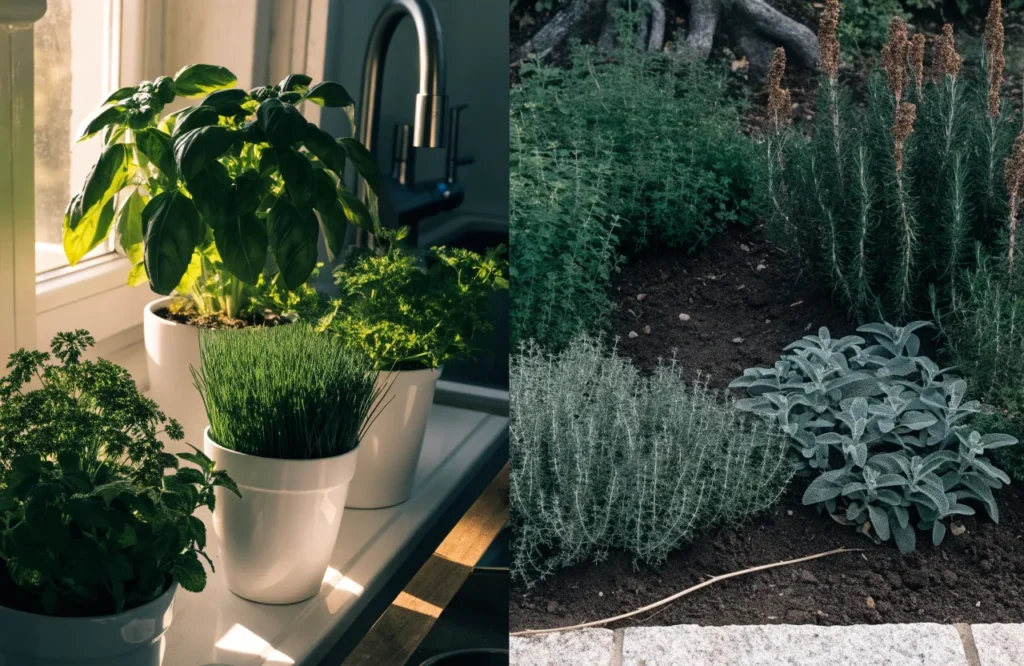
Herbs to plant in November split cleanly by climate.
Outdoors in mild zones (7–10):
- Cilantro, parsley and chervil: Sow in cool soil for steady leaves without bolting.
- Thyme, sage, oregano and chives: Hardy perennials that settle in during cool months.
- Rosemary: Reliable outdoors in zone 7 and warmer, but protect it from hard freezes.
Indoors or on a windowsill (everywhere):
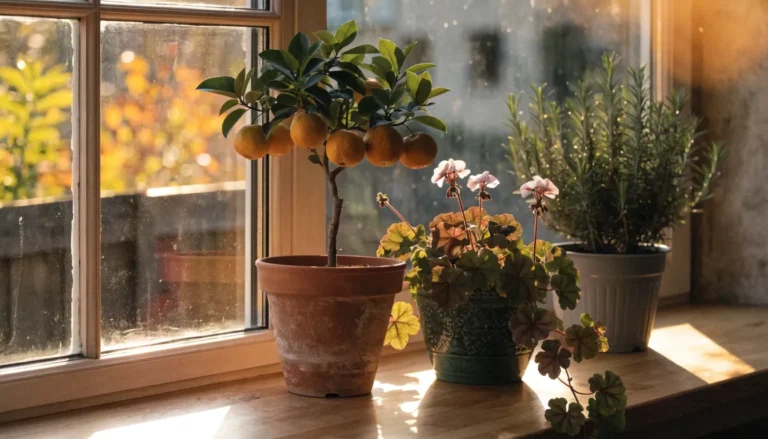
- Basil, mint, parsley and chives: Give them 6 to 8 hours of light, or use a grow light.
- Mint: Keep it in its own pot, because it spreads quickly.
For setups, containers and layouts, see our kitchen herb garden ideas.
Indoor vs. Outdoor Planting
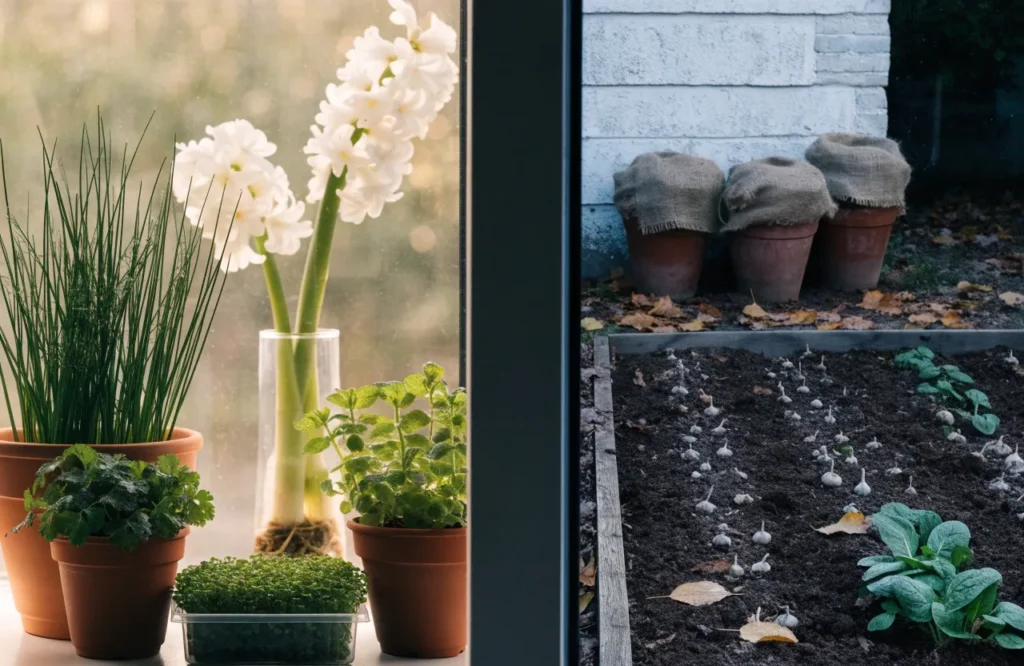
Use this quick rule for what to plant in November where you live:
- Plant outdoors when the soil is workable and the plant is dormant or cold-hardy: garlic, bulbs, bare-root plants, pansies and hardy greens.
- Plant indoors or in pots when the ground is frozen or frost is constant. Good choices are herbs, microgreens, lettuce under lights, and forced bulbs such as paperwhites, amaryllis and hyacinths.
Outdoor pots freeze faster than ground soil, so group them against a wall or wrap them in burlap. For plant choices and winter care, see fall container gardening.
What to Plant in November by Ground-Freeze Window
Instead of using frost dates, use how long you have before the ground freezes. Zones are a rough guide, because local weather varies.
| Your situation | Window | Plant now | Hold off |
|---|---|---|---|
| Ground frozen or freezing nightly (often zones 3–4) | Closed | Indoor herbs, forced bulbs | Everything outdoors. Mulch and plan |
| Soil workable, hard freeze within weeks (zones 5–6) | Closing | Garlic, spring bulbs, bare-root plants, pansies | Seeds of greens, root crops |
| Cool but rarely frozen (zones 7–8) | Open | Garlic, onion sets, spinach, kale, peas, bulbs, pansies, hardy herbs | Warm-season crops |
| Mild winters (zones 9–10 and warm coasts) | Wide open | Greens, carrots, beets, cilantro, hardy annual flowers, most cool-season crops | Plants that need a long cold period |
Regional notes: In the Pacific Northwest and coastal California, rainy weather suits trees, shrubs and greens. In the Gulf Coast and Southeast, November is prime time for greens, roots and herbs. In the arid Southwest, cool temperatures make it an excellent month for lettuce, spinach and herbs.
When you rake leaves this month, don’t throw them away. Shredded leaves make a perfect winter mulch, as shown in our guide to what to do with fallen leaves.
Common November Planting Mistakes
These mistakes show up specifically in November. For the full list of end-of-season errors, see fall gardening mistakes.
- Planting into frozen or waterlogged soil. Roots and bulbs rot or fail to establish. Wait for workable, draining soil.
- Giving up too early. If the ground isn’t frozen, garlic and bulbs can still go in.
- Mulching too soon. Mulch before planting can keep soil from cooling. For bulbs and garlic, mulch after planting, or after the first hard freeze in cold zones.
- Mulching too deep or too close. Keep mulch a few inches away from trunks, stems and crowns.
- Letting bare-root plants dry out. Keep roots moist from purchase to planting.
- Overwatering in cool soil. Water only when the top inch is dry.
- Sowing greens too thickly for the season. Growth is slow in cold, so thin early and cover on hard-freeze nights.
- Choosing varieties that aren’t labeled for fall. Look for cold-hardy and overwintering varieties.
Frequently Asked Questions
Final Thoughts
Knowing what to plant in November is mostly about timing. Check that the soil is workable, choose plants that welcome cold, and mulch what you plant. A few hours now gives you earlier garlic, stronger roots and more spring color.
For other seasonal tasks, see our guides to preparing your vegetable garden for winter and fall container gardening, and look back at what to plant in September to see what you may have missed.