What to Do With Fallen Leaves: 9 Smart Ways to Use Them in Your Garden
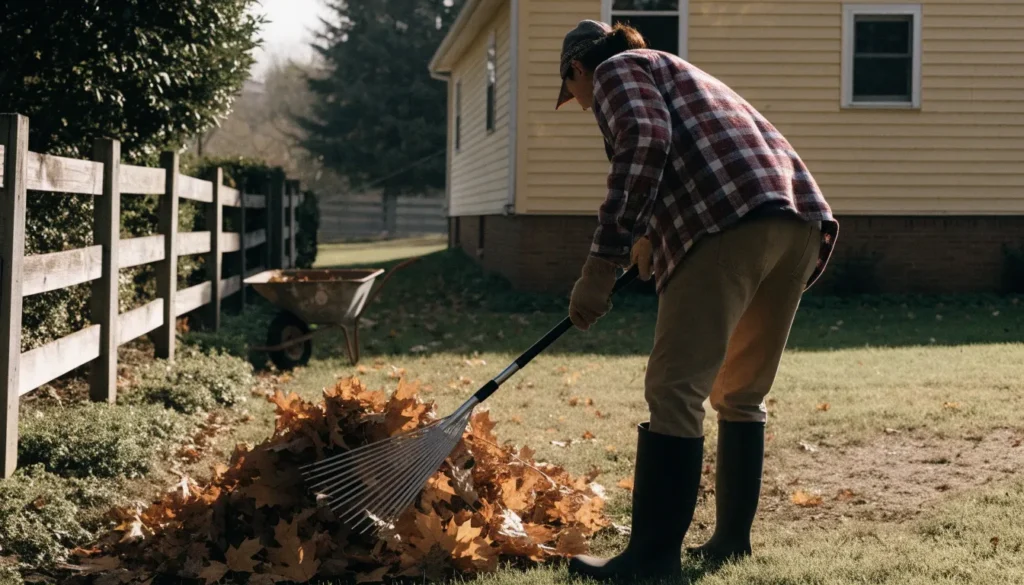
Every October, the same question comes up in yards across the country: what to do with fallen leaves before they bury the lawn? Raking them into bags and sending them to the curb is the usual answer, but it is also the most wasteful one. Autumn leaves are free, carbon-rich organic matter that your soil would otherwise need you to buy and spread.
This guide covers nine practical ways to put leaves to work in your garden, which leaves to avoid, and how to handle a huge pile without losing your whole weekend to raking. For the other jobs on your list, our October garden checklist covers what to finish before the first frost.
Table of Contents
Why You Shouldn’t Bag and Toss Your Leaves
In a forest, nobody rakes. Leaves drop, break down, and return the nutrients the tree pulled up all season. Dried leaves have a carbon-to-nitrogen ratio of roughly 30:1, which makes them an ideal “brown” ingredient for compost and a slow, steady food source for soil life.
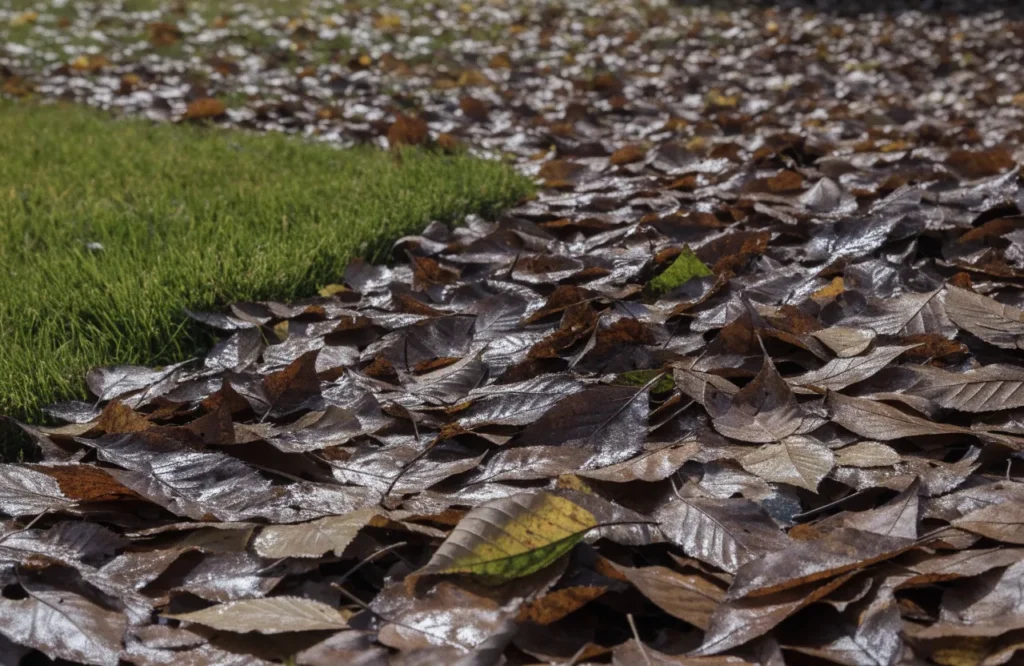
Sending leaves to the landfill also has a cost. It takes up space, adds hauling expense, and throws away organic matter your garden could use. On the other hand, a thick, wet mat of whole leaves left on grass can smother it, block sunlight, and invite lawn disease. The smart move is neither ignoring leaves nor bagging them. It is reusing them.
Quick answer: if you only remember one thing about what to do with fallen leaves, shred them first. Shredded leaves break down faster, don’t mat together, and work for nearly every idea below. Run your mower over dry leaves a few times, or use a leaf shredder, until the pieces are about the size of a quarter or smaller.
9 Smart Ideas for What to Do With Fallen Leaves
1. Mow Them Into Your Lawn
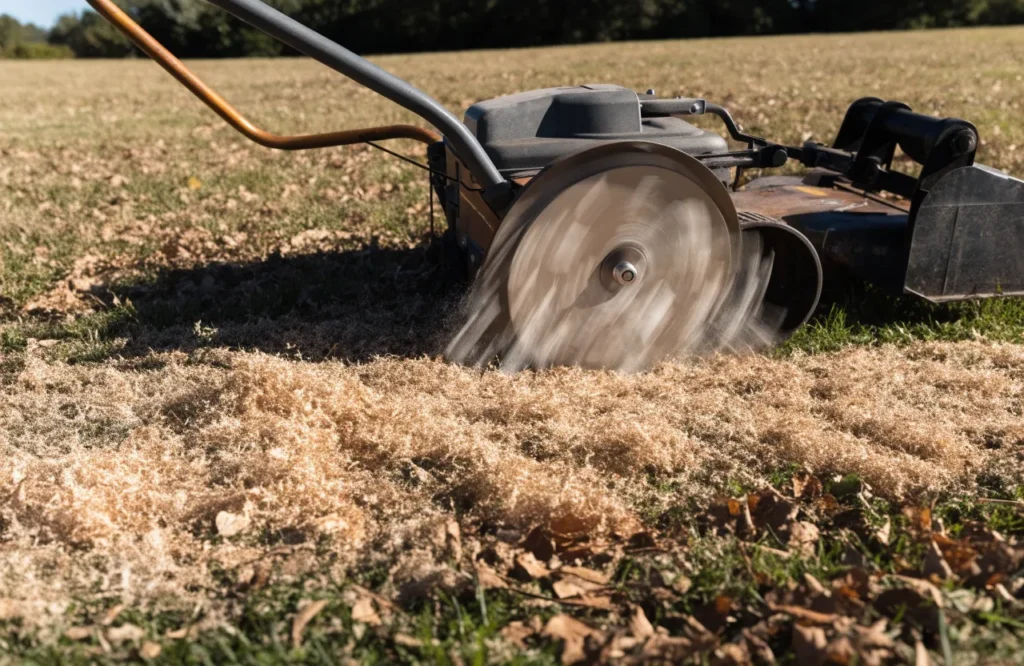
This is the easiest option. Mow over the leaves with a mulching blade so the small pieces drop between the grass blades and decompose, adding organic matter to the soil. It works best with a thin layer. If you can still see grass after mowing, you are fine. For heavy leaf fall, make several passes, or collect the extra for the uses below.
2. Mulch Garden Beds, Shrubs, and Trees
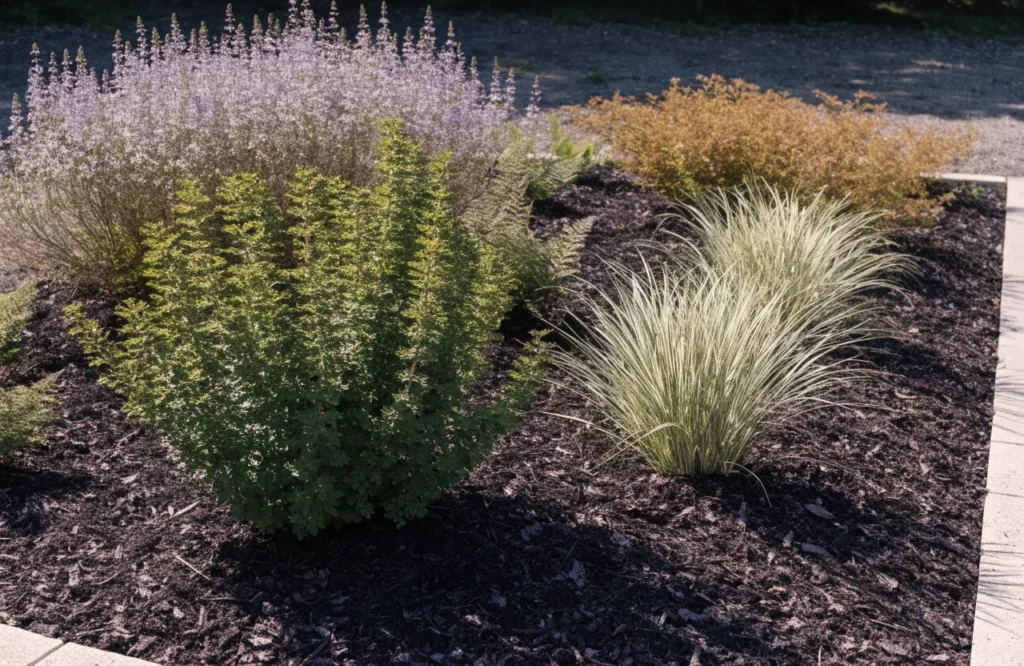
Spread 2 to 3 inches of shredded leaves around perennials, shrubs, and trees. Leaf mulch holds moisture, steadies soil temperature, suppresses weeds, and protects roots through winter. It is also a good fit for perennials you divide in fall. Keep it a few inches away from trunks and stems to prevent rot and rodent damage. Whole maple or sycamore leaves can mat into a soggy sheet, so shredding matters here.
3. Make Leaf Mold
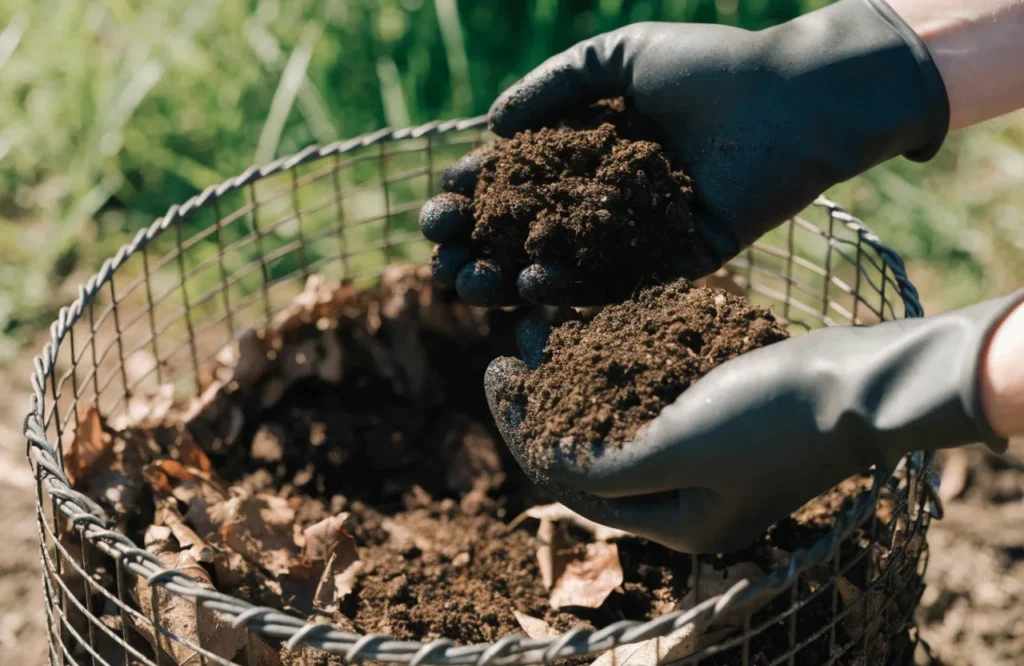
Leaf mold is partly decomposed leaves: dark, crumbly, and wonderful for soil structure and water retention. It is a soil conditioner rather than a fertilizer, so you will still want compost or other nutrients for hungry plants. Leaf mold is made only from leaves and mainly improves soil structure and moisture, while compost mixes browns and greens and supplies more nutrients.
To make it, pile shredded, damp leaves in a wire cage about three feet wide, or pack them into black trash bags with a few holes poked in the sides. Keep the leaves as moist as a wrung-out sponge and tuck them in a back corner. Expect usable leaf mold in 6 to 12 months, and finer, richer material after about two years. Mix it into beds, use it as a mulch, or screen it for seed-starting and potting mixes.
4. Add Them to Your Compost Pile
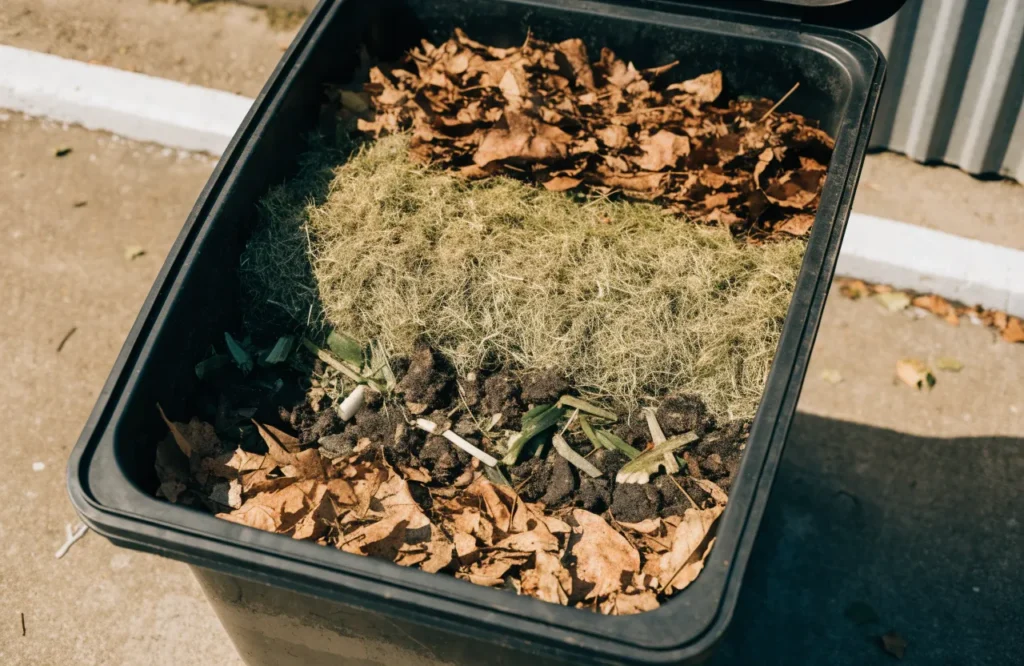
Leaves are the best “brown” material you can get, and compost needs plenty of carbon. A common rule of thumb is about three parts browns to one part greens by volume, such as grass clippings and kitchen scraps. Because leaves are scarce in summer when greens are plentiful, stash a few bags or a bin of dry leaves and add them gradually through the year.
5. Build Lasagna Beds
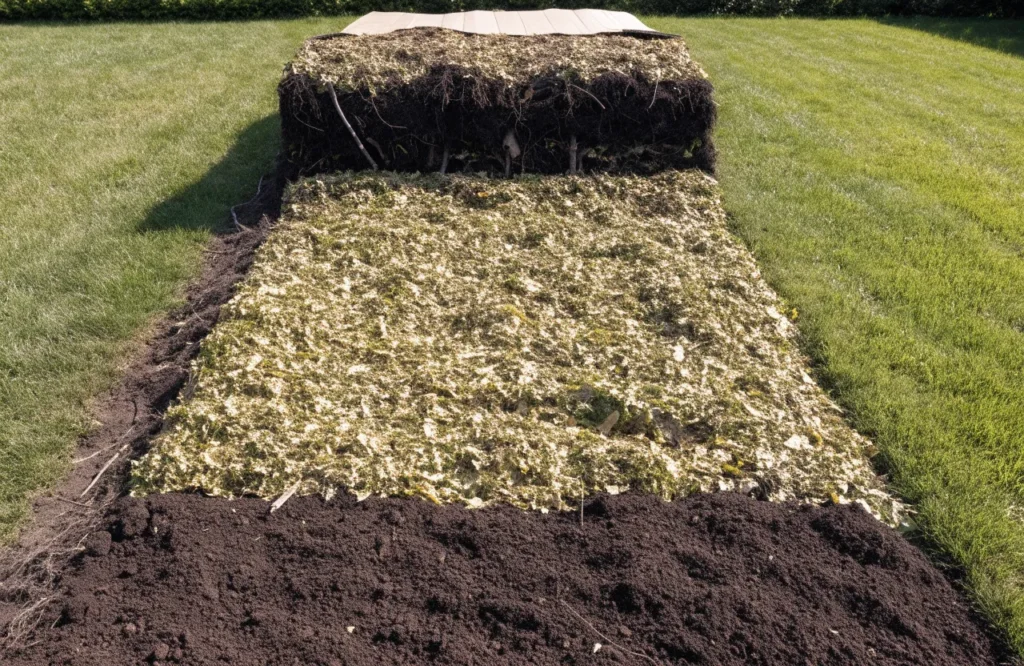
Want a new planting bed without digging? Lay cardboard over grass or weeds, then stack alternating layers of leaves, compost, and green material on top. Water it well. By spring, the layers will have broken down into rich, loose soil ready for planting.
6. Protect Vegetable Beds and Tender Plants
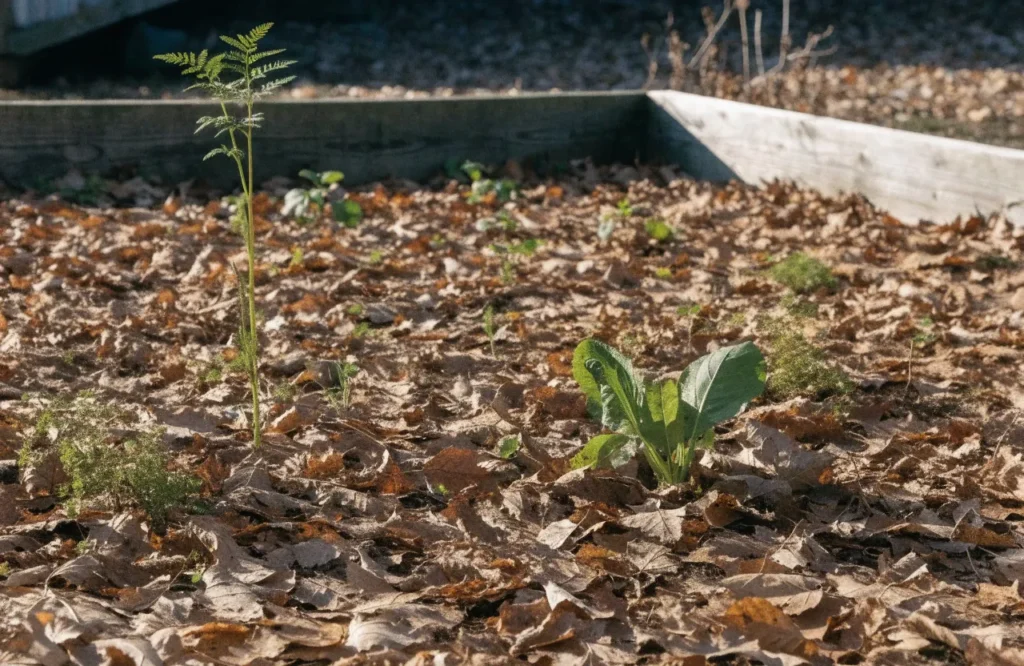
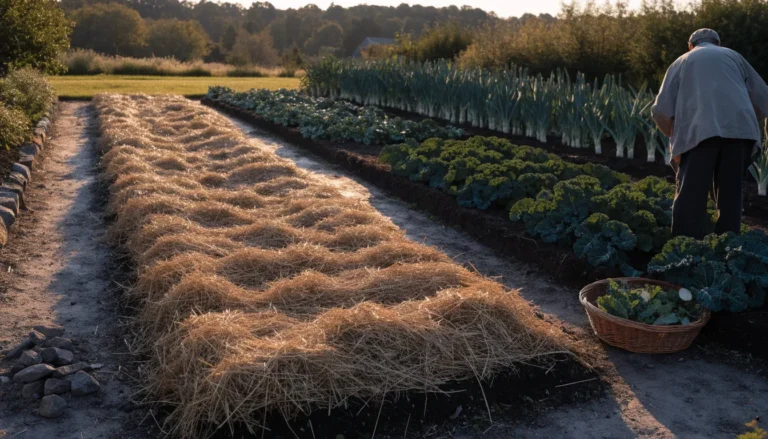
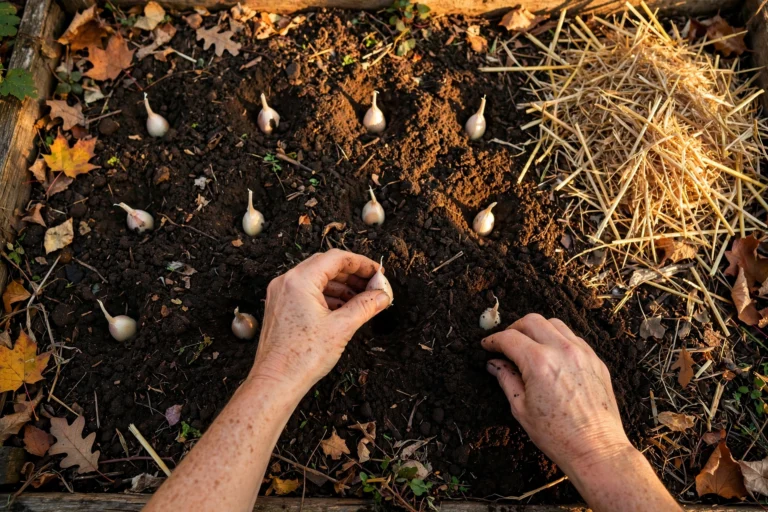
Cover empty vegetable beds with a layer of leaves to shield the soil from erosion and compaction and to hold back winter weeds. In colder regions, mound dry leaves around tender perennials, roses, and strawberries after the ground freezes. Pull the leaves back in spring so the soil can warm up. Dry leaves layered in a crate also help store root crops in a cool cellar. For more cold-weather protection, see how to protect plants from frost and which vegetables survive frost.
7. Line Your Garden Paths
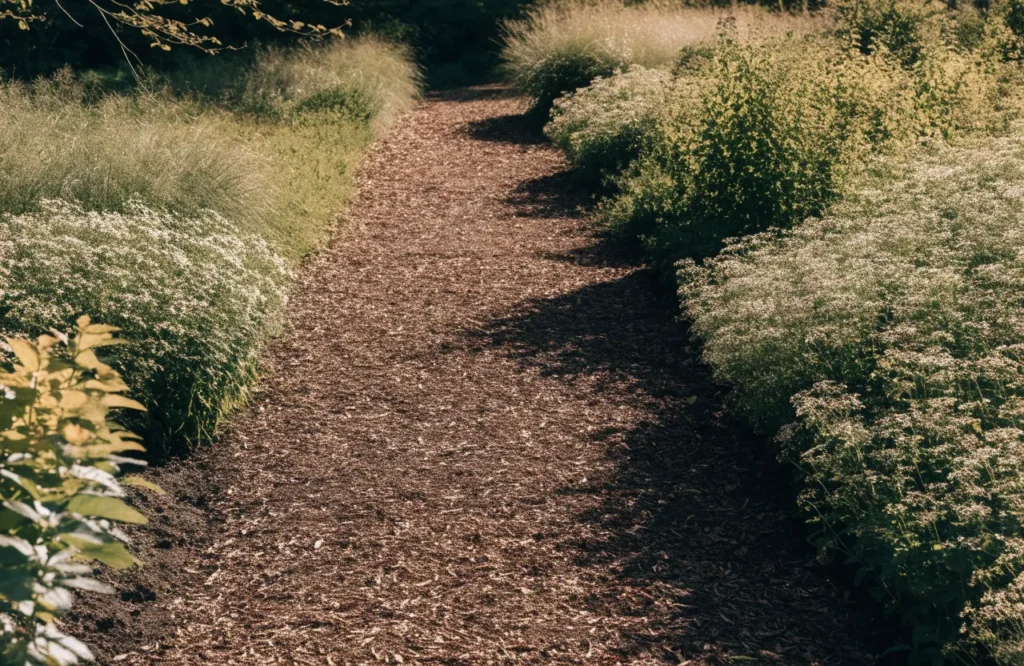
Paths turn muddy and slick in late fall. A layer of shredded leaves, ideally mixed with wood chips, gives you a soft, low-cost surface that breaks down into the soil over time. Top it up as it thins out.
8. Create Wildlife Habitat
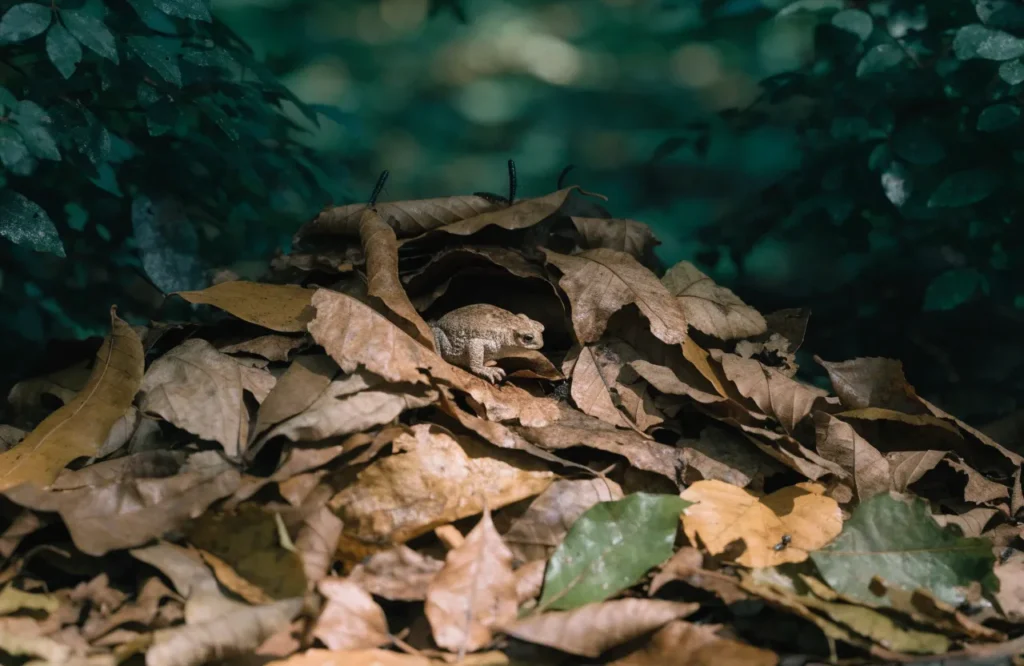
Leaf litter shelters toads, beneficial insects, butterfly pupae, and overwintering pollinators. Leave a loose pile under shrubs or in a back corner, and hold off on spring cleanup until daytime temperatures stay consistently above about 50°F so you don’t disturb the creatures sleeping inside.
9. Use Them for Fall Crafts and Decor
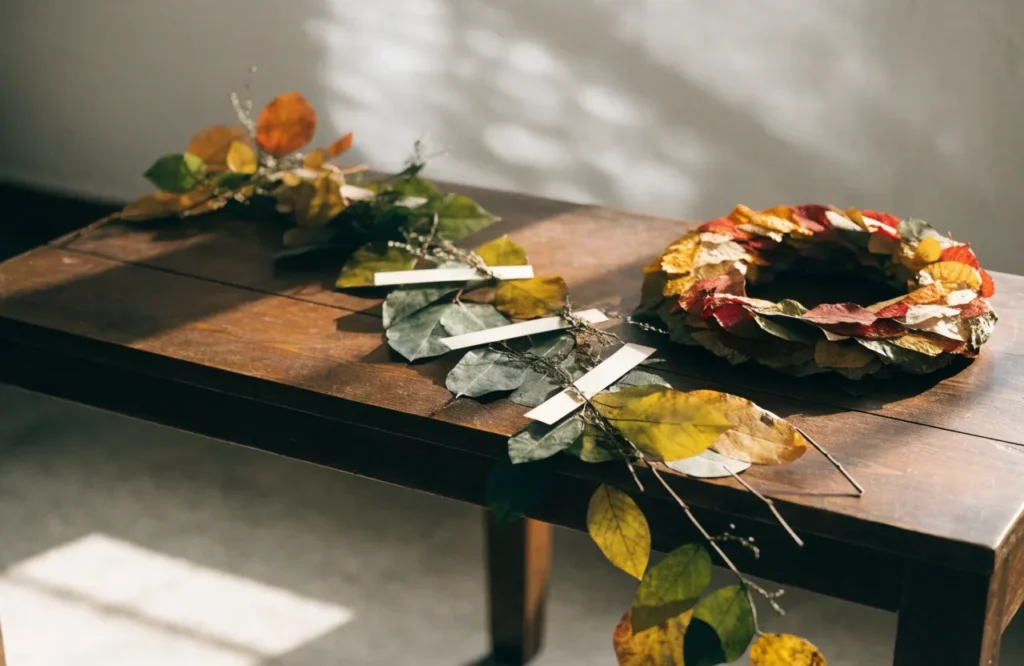
Pressed leaves make bookmarks, garlands, greeting cards, and wreaths. Preserve them with clear tape or a laminator, and when the decorations have faded, toss them into the compost bin.
Fallen Leaf Uses at a Glance
Not sure which method fits your yard? Use this table to compare effort and timing.
| Method | Effort | Time to results | Best for |
|---|---|---|---|
| Mow into the lawn | Low | A few weeks | Thin leaf layers and small lawns |
| Mulch garden beds | Low | Immediate | Perennials, shrubs, and trees |
| Leaf mold | Low (then wait) | 6–12 months | Improving soil structure and water retention |
| Compost pile | Medium | A few months | Balancing green kitchen and yard waste |
| Lasagna beds | Medium | By spring | Starting new beds without digging |
| Winter bed cover | Low | All winter | Empty vegetable beds and tender plants |
| Garden paths | Low | Immediate | Muddy walkways |
| Wildlife pile | Very low | Immediate | Toads, insects, and pollinators |
| Fall crafts | Low | Same day | Kids and seasonal decor |
Which Leaves Are Safe to Use?
Most deciduous leaves, including oak, maple, birch, beech, ash, and fruit trees, are safe for mulch, compost, and leaf mold. Oak leaves are slower to break down and a bit acidic, which suits blueberries and rhododendrons.
A few exceptions are worth knowing:
- Black walnut leaves: they contain juglone, which can stunt tomatoes, peppers, and other sensitive plants. Keep them out of garden beds.
- Eucalyptus and other waxy, leathery leaves: they decompose slowly, so shred them well or skip them.
- Diseased leaves: leaves with black spot, apple scab, or anthracnose should be bagged and disposed of according to local rules, not composted in a cool pile.
- Treated or roadside leaves: avoid leaves exposed to herbicides, de-icing salt, or heavy traffic fumes.
What Not to Do With Fallen Leaves
Knowing what to do with fallen leaves matters, but so does knowing what to skip:
- Don’t leave thick, wet layers on the lawn. They can smother the grass, especially under snow.
- Don’t burn them. Burning is illegal in many areas, it harms air quality, and it creates a real fire risk.
- Don’t blow them into the street or storm drains. They clog drains and wash nutrients into waterways.
- Don’t pile them against your house. Wet leaves against siding or foundations invite moisture and pests, and in wildfire-prone regions, extension experts advise clearing debris within five feet of structures.
How to Handle a Big Pile of Leaves
If you are still stuck on what to do with fallen leaves because your yard is blanketed, work in stages. Rake in dry weather, rake leaves into rows, and mow over the rows to shred them. A bagging mower or leaf vacuum makes collecting much faster, and a tarp lets you drag big loads to the compost area in one go.
Still have a surplus? Check whether your city offers curbside yard waste pickup or a municipal composting program. You can also offer bags of leaves to neighbors, community gardens, or local farms that use them for mulch and compost.
Frequently Asked Questions
Final Thoughts
Fallen leaves are not yard waste. They are free mulch, compost fuel, and winter shelter for wildlife. The next time you wonder what to do with fallen leaves, shred them first, then choose the use that fits your yard: mow them into the lawn, mulch your beds, or start a batch of leaf mold. A little effort this fall means richer, healthier soil next spring. For the rest of your fall to-do list, read our guide to prepare your garden for fall and the fall gardening mistakes to avoid before winter.